
According to insights from Real Time Data Stats, the Neural Cognitive Interfaces Market was valued at USD 0.59 billion in 2025. It is expected to grow from USD 0.67 billion in 2026 to USD 2.5 billion by 2033, registering a CAGR of 19.5% during the forecast period (2026–2033).
MARKET SIZE AND SHARE
The global neural cognitive interfaces market is transitioning from a niche biomedical sector into a broader commercial industry, driven by the rising prevalence of neurological disorders and increasing investments in research and development. Market share is currently concentrated among established medical device manufacturers and emerging neurotechnology companies, with competition intensifying as innovative participants introduce advanced, minimally invasive solutions for both clinical and consumer-focused applications.
The market's continued growth is expected to reshape competitive dynamics, with non-invasive brain-computer interface (BCI) solutions for gaming, wellness, and cognitive enhancement generating significant revenue opportunities. While the competitive landscape is likely to become more fragmented, leading companies are expected to strengthen their positions through strategic partnerships, acquisitions, and proprietary algorithm development, particularly in closed-loop systems designed for therapeutic and cognitive augmentation applications.
INDUSTRY OVERVIEW AND STRATEGY
The neural cognitive interfaces industry integrates neuroscience, engineering, and artificial intelligence to create direct communication pathways between the brain and external devices. The market is bifurcated into therapeutic applications, such as restoring motor or sensory functions, and non-therapeutic domains, including gaming and cognitive enhancement. Core value propositions center on unprecedented human-machine symbiosis, offering solutions for paralysis, neurodegenerative diseases, and expanding the frontiers of human-computer interaction beyond traditional interfaces.
Successful corporate strategy hinges on interdisciplinary collaboration, robust ethical frameworks, and navigating stringent regulatory pathways for medical devices. Key strategic pillars include securing intellectual property around neural decoding algorithms, forming partnerships with academic research institutions, and adopting a phased market approach. Companies initially target stringent clinical validation for medical devices before scaling into carefully positioned consumer neurotechnology, ensuring public trust and managing potential societal concerns regarding privacy and cognitive liberty.
Analyst Key Takeaways:
Neural cognitive interfaces are emerging as a high-value, AI-augmented subdomain within the broader brain–computer interface ecosystem, driven by rapid advancements in neural signal decoding, machine learning, and adaptive neuro-sensing. The shift from basic signal translation toward cognition-aware systems is enabling more precise interpretation of intention, attention, and emotional states, significantly expanding use cases across healthcare, neurorehabilitation, assistive communication, and immersive digital environments.
The competitive landscape is being shaped by convergence between neuroscience, AI computing, and advanced sensor technologies, with strong momentum from defense research programs and next-generation human–machine interaction platforms. Increasing integration of real-time neural analytics into wearable and implantable systems is accelerating adoption, while ongoing improvements in signal resolution and low-latency processing are making practical cognitive interfacing more viable across both clinical and non-clinical applications.
REGIONAL TRENDS AND GROWTH
North America currently leads in market share, fueled by substantial venture capital, strong academic research hubs, and a proactive FDA regulatory framework for breakthrough devices. Europe follows closely, emphasizing stringent data privacy and ethical guidelines under GDPR, which shapes product development. The Asia-Pacific region is identified as the fastest-growing market, driven by large patient populations, increasing healthcare investment, and significant government-backed research initiatives in countries like China and South Korea focused on next-generation AI-brain integration.
Primary growth drivers include the rising global burden of neurological disorders, advancements in machine learning for signal processing, and growing military R&D in human performance. Key restraints are high device costs, regulatory complexities, and unresolved ethical dilemmas. Future opportunities lie in affordable, wearable non-invasive interfaces and cloud-based neural data analytics. Major challenges involve achieving long-term implant safety and stability, establishing universal data security standards, and ensuring equitable access to avoid societal disparities.
NEURAL COGNITIVE INTERFACES MARKET SEGMENTATION ANALYSIS
BY TYPE:
The Neural Cognitive Interfaces Market is segmented by type into invasive, non-invasive, semi-invasive, wearable, implantable, and hybrid neural systems. Invasive neural interfaces dominate the market due to their high precision in signal acquisition and direct brain connectivity, which is critical for medical applications like neurological disorder treatments and prosthetic control. Non-invasive and wearable devices, on the other hand, are experiencing strong growth because of their safety, user-friendliness, and increasing adoption in consumer electronics, gaming, and cognitive training. The semi-invasive segment is emerging as a compromise between high-performance invasive interfaces and user-friendly non-invasive devices, driving interest from research institutions and clinical trials. Hybrid neural systems combining multiple interface types are also gaining traction due to their versatility and ability to enhance signal accuracy, which appeals to both healthcare and industrial automation sectors.
Dominant factors influencing the type segmentation include technological advancements in neural signal acquisition, rising demand for minimally invasive solutions, increasing research funding, and the growing adoption of brain-computer interface (BCI) applications. Additionally, consumer demand for wearable neural devices that support cognitive enhancement, gaming interaction, and human-machine communication is fueling growth in non-invasive and hybrid solutions. Government initiatives and favorable regulatory frameworks for neural implant research, particularly in developed regions, further accelerate the adoption of invasive and semi-invasive devices. These trends collectively make the type-based segmentation a key determinant of market direction, with invasive and non-invasive categories leading current revenues while hybrid systems are expected to witness rapid growth.
BY COMPONENT:
The market is segmented by component into hardware, software, sensors & electrodes, signal processors, connectivity modules, and power units. Hardware components, including implants, wearable devices, and electrodes, represent the largest share as they form the backbone of neural cognitive interfaces. Software components, encompassing AI algorithms, signal processing programs, and cognitive analytics platforms, are experiencing rapid adoption due to the rising integration of machine learning and data analytics into neural systems. Sensors and electrodes are also critical, as their sensitivity and precision directly affect the effectiveness of signal acquisition and interpretation. Signal processors and connectivity modules are pivotal in enabling real-time neural communication, particularly in wireless and cloud-connected devices. Power units, though smaller in revenue, are gaining importance with the proliferation of portable and wearable neural devices requiring extended battery life and energy efficiency.
Dominant factors driving component growth include advancements in microelectronics, high-precision sensor development, AI-enabled signal processing, and increased R&D investment in miniaturized and efficient hardware. The integration of robust software for pattern recognition, cognitive data processing, and neuro-feedback systems enhances the usability of devices across healthcare, gaming, and industrial applications. Furthermore, the push towards wireless connectivity and portable systems increases demand for energy-efficient power modules and advanced signal processors. With hardware and software innovations acting as growth catalysts, the component segmentation remains central to evaluating the market’s technological maturity and potential adoption rates.
BY TECHNOLOGY:
Neural Cognitive Interfaces are segmented by technology into brain-computer interface (BCI), machine learning integration, neuro-stimulation, neuro-imaging, AI-driven cognitive systems, and wireless neural communication. Brain-computer interfaces continue to dominate due to their critical role in medical rehabilitation, prosthetics, and assistive technologies for disabled individuals. Machine learning integration enhances predictive accuracy and cognitive modeling, allowing neural devices to adapt to user behavior in real-time. Neuro-stimulation technologies, including deep brain stimulation and transcranial magnetic stimulation, are rapidly expanding in the clinical sector for treating neurological disorders. Neuro-imaging solutions provide detailed visualization of neural activity, supporting both clinical diagnosis and research development. AI-driven cognitive systems optimize device responsiveness and cognitive augmentation, while wireless neural communication ensures seamless data transfer, vital for remote healthcare and wearable consumer devices.
Key dominant factors include advances in AI and ML algorithms, miniaturized neuro-electronic devices, increasing clinical adoption of neuro-stimulation technologies, and wireless connectivity innovations. Regulatory support for AI-driven cognitive solutions, coupled with increased funding in BCI and neuro-imaging research, accelerates technological adoption. Additionally, rising consumer interest in cognitive enhancement and immersive experiences drives investment in wireless and AI-integrated neural technologies. The technology segmentation reflects the competitive edge of companies that innovate in AI, neuro-stimulation, and BCI, making it a core determinant of future market growth and high-value adoption.
BY APPLICATION:
The market is segmented by application into healthcare & medical treatment, gaming & entertainment, military & defense, education & learning enhancement, industrial automation, and communication assistance. Healthcare & medical treatment is the dominant segment, driven by rising prevalence of neurological disorders, increasing geriatric population, and adoption of neural devices for rehabilitation, prosthetics, and cognitive therapies. Gaming and entertainment are rapidly expanding applications due to immersive experiences and demand for interactive brain-controlled devices. Military and defense applications are gaining traction in cognitive performance monitoring, situational awareness, and advanced human-machine interactions. Educational applications focus on learning enhancement, memory augmentation, and skill development through cognitive training devices. Industrial automation leverages neural interfaces for robotic control, process monitoring, and human-machine collaboration. Communication assistance applications, including devices for speech-impaired individuals, highlight the market’s humanitarian and accessibility impact.
Dominant factors shaping application segmentation include rising healthcare expenditures, increasing focus on cognitive performance optimization, advances in BCI-enabled gaming, and defense adoption of neural monitoring systems. Regulatory incentives for medical device adoption, along with funding for assistive technologies, further strengthen healthcare demand. Consumer enthusiasm for brain-controlled gaming, immersive entertainment, and educational tools accelerates adoption in non-medical sectors. The application segmentation thus highlights market potential across multiple domains, with healthcare leading current adoption while gaming, defense, and education are poised for significant growth.
BY END USER:
The Neural Cognitive Interfaces Market is segmented by end user into hospitals & clinics, research institutes, defense organizations, gaming companies, academic institutions, and individual consumers. Hospitals and clinics dominate due to the increasing adoption of neural devices for neurological disorder treatments, rehabilitation, and cognitive therapy, driven by the rising prevalence of neurodegenerative diseases and a growing geriatric population. Research institutes are also a significant segment, as they drive innovation through clinical trials, BCI development, and neuroimaging studies, which advance both medical and technological applications. Defense organizations are adopting neural interfaces for cognitive performance monitoring, situational awareness, and human-machine collaboration in high-stakes environments. Gaming companies are rapidly integrating neural interfaces into interactive and immersive experiences, reflecting the expanding consumer demand. Academic institutions utilize these technologies for cognitive training, neuroscience education, and experimental research, while individual consumers increasingly adopt wearable neural devices for cognitive enhancement and mental wellness.
Dominant factors shaping end-user segmentation include increasing healthcare expenditures, growing R&D investments, rising consumer demand for cognitive enhancement, and the adoption of neural interfaces in defense and entertainment sectors. Regulatory approvals for medical and wearable devices further drive adoption in hospitals and clinics. The proliferation of accessible, user-friendly neural devices also encourages consumer uptake. Defense and research organizations contribute to long-term market development through funding, technological testing, and pilot programs. The combination of healthcare necessity, research innovation, consumer adoption, and defense application positions end-user segmentation as a key determinant of market expansion.
BY DEPLOYMENT MODE:
Deployment mode segmentation includes on-premises systems, cloud-based platforms, edge computing interfaces, hybrid deployment, standalone devices, and network-connected devices. On-premises systems are favored in hospitals and research institutes due to data privacy, regulatory compliance, and control over sensitive neural data. Cloud-based platforms are rapidly gaining traction because they enable remote data processing, real-time cognitive monitoring, and AI-driven analytics, making neural interfaces more scalable and accessible. Edge computing interfaces provide low-latency processing and high efficiency, which is critical for wearable devices, real-time BCI applications, and industrial automation. Hybrid deployments combine the advantages of cloud and edge solutions, offering flexible integration for multiple end-use scenarios. Standalone devices are preferred for personal cognitive enhancement, gaming, and portable medical applications. Network-connected devices support multi-user systems and remote healthcare monitoring, enhancing connectivity and real-time decision-making.
Dominant factors driving deployment mode adoption include data security concerns, the need for real-time processing, increasing cloud infrastructure availability, and the rise of connected wearable devices. Organizations prioritize solutions that combine efficiency with regulatory compliance, encouraging hybrid and on-premises deployments. Consumer-driven applications favor standalone and network-connected devices for accessibility and ease of use. Edge computing adoption is fueled by low-latency requirements in gaming, industrial automation, and prosthetic control. Overall, deployment mode segmentation is influenced by both technological capabilities and end-user preferences, defining the scalability and efficiency of neural cognitive interfaces across sectors.
BY CONNECTIVITY:
The market is segmented by connectivity into wired interfaces, wireless interfaces, Bluetooth-enabled devices, Wi-Fi-enabled devices, 5G-connected interfaces, and satellite-linked systems. Wired interfaces are preferred for high-precision applications in hospitals and research laboratories due to their reliability and minimal signal interference. Wireless interfaces, including Bluetooth and Wi-Fi-enabled devices, are driving growth in consumer electronics, wearable devices, and gaming applications because of their flexibility and mobility. 5G-connected interfaces are emerging rapidly, offering ultra-low latency and high-speed data transfer, which is essential for cloud-based neural platforms, remote healthcare, and large-scale industrial applications. Satellite-linked systems are gaining relevance for remote monitoring, military applications, and global telemedicine solutions, where terrestrial connectivity is limited.
Dominant factors influencing connectivity segmentation include advancements in wireless technology, demand for real-time data transmission, scalability of IoT-connected devices, and the increasing need for mobility in consumer and industrial applications. Wired interfaces continue to maintain a niche in high-accuracy clinical and research environments. Bluetooth and Wi-Fi adoption is driven by wearable device trends, gaming applications, and cost-effectiveness. The deployment of 5G networks enhances high-bandwidth applications and long-range communication capabilities, while satellite-linked systems provide coverage in remote and defense scenarios. Connectivity segmentation thus plays a critical role in defining the efficiency, mobility, and adoption potential of neural cognitive interface solutions.
BY FUNCTIONALITY:
Functionality segmentation includes cognitive monitoring, memory enhancement, motor function control, emotional recognition, sensory augmentation, and decision support systems. Cognitive monitoring leads the market due to its application in healthcare, neurorehabilitation, and brain health tracking. Memory enhancement devices are gaining traction in both clinical and consumer segments for cognitive therapy, mental wellness, and educational purposes. Motor function control applications are crucial for prosthetics, robotics, and assistive technologies, providing life-changing benefits for patients with motor impairments. Emotional recognition technology is increasingly adopted in AI-driven user experiences, gaming, education, and mental health applications. Sensory augmentation enhances human capabilities by improving perception or enabling new sensory experiences. Decision support systems integrate neural data with AI to provide actionable insights for healthcare professionals, industrial automation, and defense operations.
Dominant factors driving functionality segmentation include rising adoption of AI-powered neural solutions, increasing focus on cognitive and mental health, growing demand for assistive technologies, and innovations in neuroprosthetics and sensory devices. Cognitive monitoring and memory enhancement are propelled by the need to manage neurological conditions and enhance learning. Motor control and sensory augmentation benefit from advancements in robotics and wearable devices. Emotional recognition and decision support systems are fueled by AI integration and big data analytics, expanding applications in defense, healthcare, and industrial sectors. Functionality-based segmentation thus reflects both technological sophistication and the diverse needs of end users.
BY INDUSTRY VERTICAL:
The Neural Cognitive Interfaces Market is segmented by industry vertical into healthcare, automotive, aerospace, consumer electronics, education, and IT & telecommunications. Healthcare dominates due to extensive use in diagnosis, rehabilitation, prosthetics, and cognitive therapy, supported by rising neurodegenerative disorders and government healthcare initiatives. Automotive applications are expanding in autonomous driving, driver monitoring, and advanced human-machine interfaces. Aerospace adoption includes pilot cognitive monitoring, simulation training, and unmanned vehicle control. Consumer electronics leverage neural interfaces for immersive gaming, wearable cognitive enhancement devices, and human-computer interaction technologies. Education employs neural interfaces for personalized learning, cognitive skill development, and training simulations. IT & telecommunications benefit from brain-computer integration in cloud platforms, AI analytics, and collaborative communication systems.
Dominant factors influencing industry vertical segmentation include growing healthcare demand, technological advancements in AI and BCI, increasing investment in autonomous and aerospace systems, and rising consumer adoption of neural-enabled devices. Government funding, clinical trials, and regulatory approvals drive healthcare growth, while automotive and aerospace investments are fueled by safety and performance optimization requirements. Consumer electronics and education sectors benefit from the affordability and accessibility of wearable and non-invasive devices. IT & telecommunications adoption is accelerated by cloud integration and AI-enabled neural analytics. Overall, industry vertical segmentation highlights the market’s diverse applications and underscores the sectors with the highest growth potential.
RECENT DEVELOPMENTS
- In Jan 2024: Neuralink successfully implanted its ""Telepathy"" N1 device in a human patient, aiming to enable control of digital devices through thought, marking a significant milestone for invasive BCIs.
- In Mar 2024: Synchron received FDA approval to commence an early feasibility study for its stentrode in pediatric patients, expanding its chronic BCI trials to a new demographic.
- In Jul 2024: Blackrock Neurotech partnered with a major AI firm to integrate next-generation neural decoding algorithms, aiming to drastically improve the speed and accuracy of its NeuroPort system.
- In Nov 2024: Precision Neuroscience reported breaking the record for neural channel count with its minimally invasive Layer 7 Cortical Interface, achieving over 10,000 channels in a preclinical setting.
- In Feb 2025: Paradromics commenced patient enrollment for its CONNECT early feasibility study in the US, testing its high-data-rate Argus BCI system for individuals with severe paralysis.
KEY PLAYERS ANALYSIS
- Neuralink
- Synchron
- Blackrock Neurotech
- Paradromics
- Precision Neuroscience
- Kernel
- CTRL-Labs (Meta)
- NextMind (Snap Inc.)
- MindMaze
- Neurable
- Cognixion
- BrainCo
- NeuroPace
- Medtronic
- Abbott
- CGX (formerly Cognionics)
- Emotiv
- OpenBCI
- NeuroSky
- Bitbrain
Neural Cognitive Interfaces Market Segmentation Analysis
By Type:
- Invasive Neural Interfaces
- Non-Invasive Neural Interfaces
- Semi-Invasive Neural Interfaces
- Wearable Neural Devices
- Implantable Neural Chips
- Hybrid Neural Systems
By Component:
- Hardware
- Software
- Sensors & Electrodes
- Signal Processors
- Connectivity Modules
- Power Units
By Technology:
- Brain-Computer Interface (BCI)
- Machine Learning Integration
- Neuro-stimulation Technology
- Neuro-imaging Technology
- AI-Driven Cognitive Systems
- Wireless Neural Communication
By Application:
- Healthcare & Medical Treatment
- Gaming & Entertainment
- Military & Defense
- Education & Learning Enhancement
- Industrial Automation
- Communication Assistance
By End User:
- Hospitals & Clinics
- Research Institutes
- Defense Organizations
- Gaming Companies
- Academic Institutions
- Individual Consumers
By Deployment Mode:
- On-Premises Systems
- Cloud-Based Platforms
- Edge Computing Interfaces
- Hybrid Deployment
- Standalone Devices
- Network-Connected Devices
By Connectivity:
- Wired Interfaces
- Wireless Interfaces
- Bluetooth-Enabled Devices
- Wi-Fi Enabled Devices
- 5G-Connected Interfaces
- Satellite-Linked Systems
By Functionality:
- Cognitive Monitoring
- Memory Enhancement
- Motor Function Control
- Emotional Recognition
- Sensory Augmentation
- Decision Support Systems
By Industry Vertical:
- Healthcare
- Automotive
- Aerospace
- Consumer Electronics
- Education
- IT & Telecommunications
By Geography:
- North America (USA, Canada, Mexico)
- Europe (UK, Germany, France, Italy, Spain, Rest of Europe)
- Asia-Pacific (China, Japan, Australia, South Korea, India, Rest of Asia-Pacific)
- South America (Brazil, Argentina, Rest of South America)
- Middle East and Africa (GCC Countries, South Africa, Rest of MEA)
Neural Cognitive Interfaces Market: Table of Contents
Executive Summary
- Market Snapshot
- Key Findings
- Analyst Insights
- Winning Strategies
- Future Outlook
Market Introduction
- Definition of Neural Cognitive Interfaces
- Scope of the Study
- Research Objectives
- Market Structure Overview
- Stakeholder Analysis
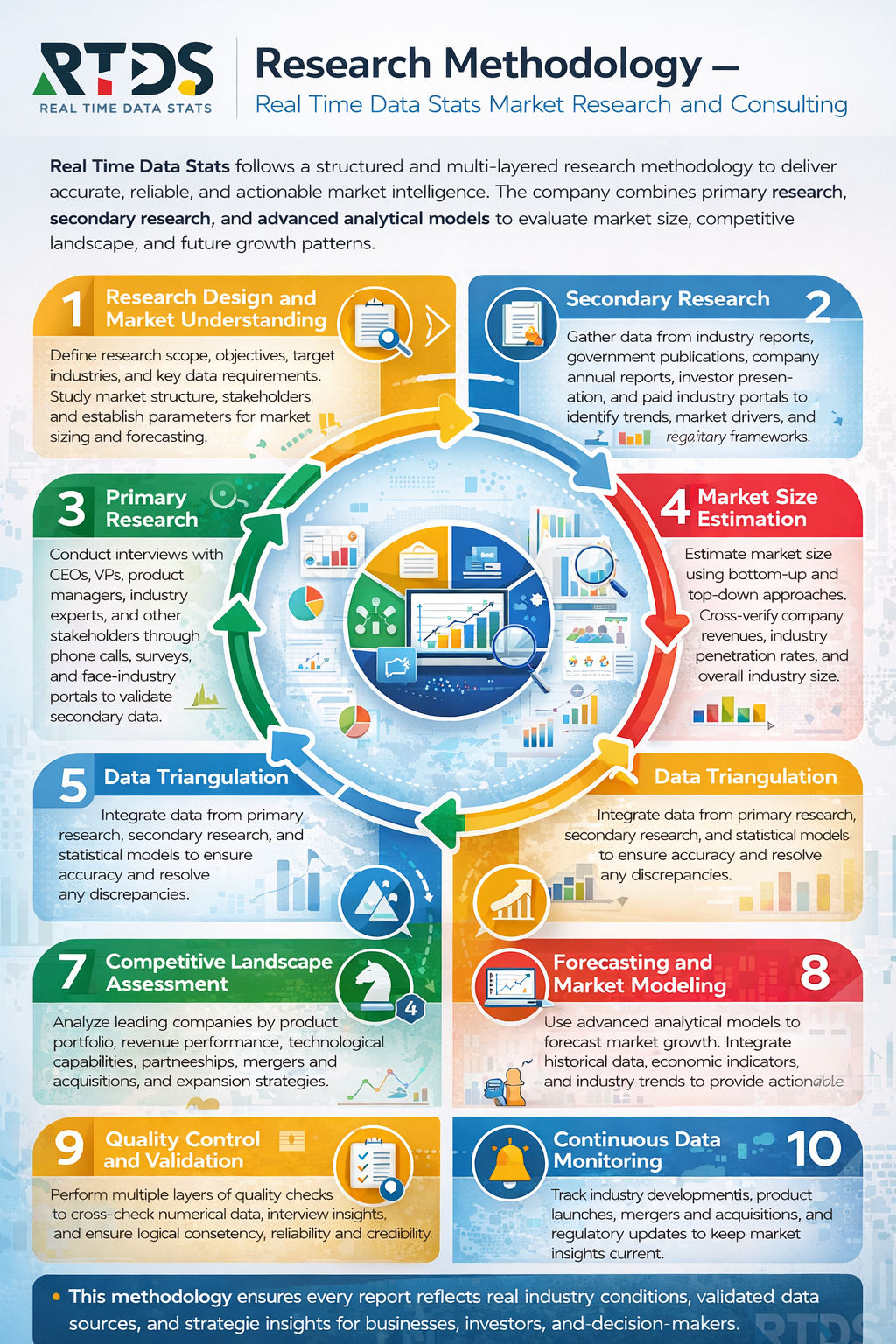
Research Methodology
- Data Collection Methods
- Primary Research
- Secondary Research
- Market Size Estimation Model
- Forecasting Techniques
- Assumptions & Limitations
Market Dynamics
- Market Drivers
- Market Restraints
- Market Opportunities
- Market Challenges
- Emerging Trends
Regulatory & Policy Framework
- Global Regulations
- Ethical Considerations
- Compliance Standards
- Government Initiatives
- Industry Guidelines
Technology Landscape
- Innovation Trends
- R&D Developments
- Patent Analysis
- Integration of AI & ML
- Future Technology Roadmap
Neural Cognitive Interfaces Market Segmentation
- By Type
- Invasive Neural Interfaces
- Non-Invasive Neural Interfaces
- Semi-Invasive Neural Interfaces
- Wearable Neural Devices
- Implantable Neural Chips
- Hybrid Neural Systems
- By Component
- Hardware
- Software
- Sensors & Electrodes
- Signal Processors
- Connectivity Modules
- Power Units
- By Technology
- Brain-Computer Interface (BCI)
- Machine Learning Integration
- Neuro-stimulation Technology
- Neuro-imaging Technology
- AI-Driven Cognitive Systems
- Wireless Neural Communication
- By Application
- Healthcare & Medical Treatment
- Gaming & Entertainment
- Military & Defense
- Education & Learning Enhancement
- Industrial Automation
- Communication Assistance
- By End User
- Hospitals & Clinics
- Research Institutes
- Defense Organizations
- Gaming Companies
- Academic Institutions
- Individual Consumers
- By Deployment Mode
- On-Premises Systems
- Cloud-Based Platforms
- Edge Computing Interfaces
- Hybrid Deployment
- Standalone Devices
- Network-Connected Devices
- By Connectivity
- Wired Interfaces
- Wireless Interfaces
- Bluetooth-Enabled Devices
- Wi-Fi Enabled Devices
- 5G-Connected Interfaces
- Satellite-Linked Systems
- By Functionality
- Cognitive Monitoring
- Memory Enhancement
- Motor Function Control
- Emotional Recognition
- Sensory Augmentation
- Decision Support Systems
- By Industry Vertical
- Healthcare
- Automotive
- Aerospace
- Consumer Electronics
- Education
- IT & Telecommunications
Competitive Landscape
- Market Share Analysis
- Company Benchmarking
- Strategic Initiatives
- Mergers & Acquisitions
- Product Launch Analysis
Company Profiles
- Business Overview
- Financial Overview
- Product Portfolio
- Recent Developments
- Strategic Outlook
Regional Market Analysis
- North America Detailed Analysis
- Europe Detailed Analysis
- Asia-Pacific Detailed Analysis
- Latin America Detailed Analysis
- Middle East & Africa Detailed Analysis
Investment & Funding Analysis
- Venture Capital Trends
- Private Equity Activities
- Government Funding
- Startup Ecosystem
- Investment Opportunities
Future Market Outlook & Forecast
- Market Projections
- Scenario Analysis
- Growth Opportunities
- Innovation Pathways
- Long-Term Forecast
Conclusion
- Summary of Market Trends
- Key Drivers and Restraints
- Growth Opportunities
- Technology & Innovation Outlook
- Future Market Forecast
Appendix
- Abbreviations
- Data Sources
- Glossary of Terms
- Methodology Notes
- Disclaimer
List of Tables
- Table: 1: Global Market Size Overview
- Table: 2: Market Growth Rate Comparison
- Table: 3: Type Segment Share
- Table: 4: Component Revenue Analysis
- Table: 5: Technology Adoption Rates
- Table: 6: Application Demand Matrix
- Table: 7: End User Distribution
- Table: 8: Deployment Mode Statistics
- Table: 9: Connectivity Penetration
- Table: 10: Functionality Usage Trends
- Table: 11: Industry Vertical Revenue
- Table: 12: Regional Market Values
- Table: 13: Competitive Market Share
- Table: 14: Investment Flow Analysis
- Table: 15: Forecast Summary
List of Figures
- Figure: 1: Market Evolution Timeline
- Figure: 2: Value Chain Analysis
- Figure: 3: Technology Architecture Diagram
- Figure: 4: Segment Share Pie Chart
- Figure: 5: Application Trend Graph
- Figure: 6: Regional Growth Map
- Figure: 7: Competitive Positioning Matrix
- Figure: 8: Investment Trend Line
- Figure: 9: Adoption Curve
- Figure: 10: Innovation Cycle
- Figure: 11: Demand–Supply Graph
- Figure: 12: Connectivity Network Illustration
- Figure: 13: Deployment Model Diagram
- Figure: 14: Forecast Growth Curve
- Figure: 15: Strategic Framework Model
Neural Cognitive Interfaces Market: Key Factors
Drivers:
- Rising neurological disorder prevalence increases demand for advanced treatment solutions.
- Advancing brain-computer integration technologies enhance device capabilities.
- Expanding non-medical applications in gaming and virtual reality create new markets.
Restraints:
- High device and treatment costs restrict widespread consumer adoption.
- Stringent regulatory approvals delay product commercialization.
- Technical limitations in signal accuracy and durability hinder reliability.
Opportunities:
- Growing research in neuroprosthetics opens avenues for restorative applications.
- Increased defense and aerospace sector investment fuels development.
- Emerging telehealth integration expands remote patient monitoring potential.
Challenges:
- Resolving data privacy and security concerns remains critical.
- Addressing surgical risks and long-term biocompatibility issues is essential.
- Bridging the gap between research prototypes and scalable products is difficult.
Neural Cognitive Interfaces Market Key Regional Trends
North America:
- Strong venture capital funding accelerates startup innovation and R&D.
- Leading technology firms actively acquire neurotech startups.
- Regulatory agencies develop new frameworks for device classification.
Europe:
- Cross-border public-private research consortia receive significant funding.
- Stringent GDPR regulations shape data ethics and management protocols.
- Focus increases on rehabilitative applications for clinical settings.
Asia-Pacific:
- Government initiatives prioritize neurotechnology as a strategic research area.
- Manufacturing advancements reduce hardware production costs.
- Rising healthcare investments expand accessibility in major hospitals.
Frequently Asked Questions
Key Questions Answered
- What is the size and growth rate of the market industry?
- What are the main drivers influencing market growth trends?
- What are the key challenges and restraints faced by the market?
- What are the emerging trends and opportunities shaping the market?
- Who are the top players, and what strategies drive their success?
- What are the customer demographics and their buying behaviors?
- What are the key market segments, and what is their scope?
- What are the geographical dynamics, and which region dominates?
- What are the market forecasts and projections for the next decade?
- What regulatory factors are critical to consider for market growth?
Why Choose our Company?
- Major facts and stats backing every report we offer.
- Comprehensive analysis tailored to your business needs.
- Accurate insights backed by extensive market research.
- Expert support to address your queries promptly.
- Data-driven strategies for better decision-making.
- In-depth reports with actionable
recommendations. - Reliable statistics from trusted industry
sources. - Customizable reports to suit your specific goals.
- Unmatched quality and precision in market analysis.
- Competitive pricing with premium content delivery.
Share your experience!
We value you feedback. Please take a moment to review your experience with us.