
According to insights from Real Time Data Stats, the Neural Brain Organoids Market was valued at USD 82 million in 2025. It is expected to grow from USD 100 million in 2026 to USD 389 million by 2033, registering a CAGR of 21.5% during the forecast period (2026–2033).
MARKET SIZE AND SHARE
The global neural brain organoids market is evolving from a niche research segment into a mainstream biomedical field, driven by advancements in personalized medicine, regenerative therapies, and drug discovery applications. Increasing adoption of organoid-based models by pharmaceutical companies, biotechnology firms, and academic research institutions is accelerating market growth. These technologies are transforming neurological disease research, toxicity testing, and therapeutic development by providing more accurate human brain models for scientific investigation.
Market share is expected to remain concentrated among biotechnology companies and major pharmaceutical organizations investing heavily in organoid technologies and stem cell research. Key participants are leveraging proprietary cell culture methods, advanced 3D tissue engineering techniques, and strong intellectual property portfolios to strengthen their competitive positions. North America and Europe are projected to account for the largest market shares, while the Asia-Pacific region is anticipated to experience the fastest growth. Strategic collaborations, research partnerships, and technology licensing agreements will play a significant role in shaping the competitive landscape throughout the forecast period.
INDUSTRY OVERVIEW AND STRATEGY
The neural brain organoids industry represents a transformative frontier in neuroscience, enabling unprecedented modeling of human brain development and disease. It serves pharmaceutical companies for neurotoxicity screening, academic labs for fundamental research, and is emerging in clinical applications for personalized therapy. The ecosystem comprises stem cell providers, biotechnology specialists, and tool manufacturers, all navigating a complex ethical and regulatory environment. This convergence of biology and technology is pushing the boundaries of traditional medical research methodologies.
Core strategies for industry participants focus on technological differentiation through enhanced vascularization and electrophysiological functionality in organoids. Companies are pursuing vertical integration, from iPSC sourcing to high-throughput screening services, and forming strategic partnerships with academic pioneers. Protecting intellectual property around specific protocols and applications is paramount. Success hinges on balancing rapid innovation with proactive engagement on ethical guidelines and demonstrating clear translational value to accelerate adoption and secure long-term market positioning.
Analyst Key Takeaways:
The Neural Brain Organoids market is experiencing strong momentum, driven by increasing adoption in neuroscience research, neurodegenerative disease modeling, and advanced drug discovery applications. Researchers are increasingly leveraging neural brain organoids to replicate human brain development and pathology more accurately than traditional cell culture models, accelerating breakthroughs in conditions such as Alzheimer's disease, Parkinson's disease, autism spectrum disorders, and epilepsy.
Technological advancements in stem cell engineering, 3D cell culture platforms, and organoid manufacturing are further strengthening market expansion. Growing investments from pharmaceutical companies, biotechnology firms, and academic research institutions are fostering innovation in personalized medicine and preclinical testing. The market is also benefiting from rising demand for human-relevant research models that can improve drug screening efficiency, reduce clinical failure rates, and support next-generation regenerative medicine initiatives.
REGIONAL TRENDS AND GROWTH
North America leads in adoption, fueled by substantial NIH funding, a concentration of biopharma firms, and a supportive regulatory framework for innovative therapies. Europe follows closely, with strong ethical research guidelines and collaborative EU-wide initiatives driving standardized organoid models. The Asia-Pacific region exhibits the highest growth potential, propelled by significant government investments in regenerative medicine in China, Japan, and South Korea, alongside rising R&D expenditure and a large patient pool for neurological disorders.
Primary growth drivers include the pressing need for advanced neurological disease models, rising drug failure rates in late-stage clinical trials, and declining animal testing acceptance. Key restraints involve high development costs, technical challenges in achieving mature cellular complexity, and intense ethical scrutiny. Opportunities lie in integrating AI for data analysis and developing reproducible, assay-ready organoids. The major challenge remains bridging the gap between organoid research and clinically actionable outcomes for patients, ensuring commercial viability.
NEURAL BRAIN ORGANOIDS MARKET SEGMENTATION ANALYSIS
BY TYPE:
The segmentation by type plays a critical role in shaping the neural brain organoids market, as different organoid types address distinct research and clinical objectives. Cerebral and cortical organoids dominate the segment due to their extensive use in studying human brain development, neuronal connectivity, and higher cognitive functions. These organoids closely mimic human cortical architecture, making them highly valuable for neurodevelopmental disorder modeling and drug response evaluation. Midbrain and hippocampal organoids are gaining increasing traction as research focus shifts toward neurodegenerative diseases such as Parkinson’s and Alzheimer’s, where region-specific neuronal loss is a defining feature. The ability of these organoids to replicate localized brain functionality significantly enhances their adoption across advanced neuroscience research programs.
Region-specific brain organoids and hypothalamic organoids are emerging as high-potential subsegments driven by growing interest in precision neuroscience and metabolic disorder research. These organoids enable targeted investigation of hormonal regulation, circadian rhythm disorders, and stress-related neurological conditions. Continuous advancements in differentiation protocols and culture techniques are further expanding the diversity and reliability of organoid types. As research institutions and pharmaceutical companies increasingly demand physiologically relevant in vitro models, the type-based segmentation remains a foundational growth pillar of the neural brain organoids market.
BY APPLICATION:
Application-based segmentation represents one of the most influential dimensions of the neural brain organoids market, with disease modeling and drug discovery serving as dominant contributors. Neural brain organoids provide unparalleled advantages in replicating human-specific neurological conditions that cannot be accurately modeled using animal systems. Their ability to mimic disease progression at the cellular and molecular levels makes them indispensable for studying complex disorders such as autism spectrum disorders, epilepsy, and neurodegeneration. Consequently, pharmaceutical and biotechnology companies are increasingly integrating organoid-based platforms into early-stage drug screening pipelines to improve predictive accuracy and reduce late-stage clinical failures.
Toxicology screening and personalized medicine are rapidly emerging application areas, driven by regulatory pressure to reduce animal testing and the growing emphasis on patient-specific therapeutic strategies. Personalized organoids derived from patient cells allow researchers to evaluate individual drug responses, enabling tailored treatment approaches for neurological disorders. Additionally, neurodevelopmental studies and regenerative medicine research are gaining momentum as organoids offer insights into early brain formation and neuronal regeneration mechanisms. The broad applicability of neural brain organoids across multiple research domains ensures sustained expansion of this segment over the forecast period.
BY TECHNOLOGY:
Technological segmentation highlights the innovation-driven nature of the neural brain organoids market. Induced pluripotent stem cell (iPSC) technology serves as the backbone of organoid development, offering ethical advantages and high versatility compared to embryonic stem cells. Combined with advanced 3D cell culture systems, iPSC-based organoids enable the formation of complex neural structures that closely resemble in vivo brain tissue. The integration of gene editing technologies such as CRISPR-Cas9 has further enhanced the utility of neural organoids by allowing precise genetic manipulation for disease modeling and functional studies.
Emerging technologies such as microfluidics-based organoids and bioprinting are transforming the scalability and reproducibility of organoid systems. Microfluidic platforms improve nutrient delivery and waste removal, enhancing organoid viability and maturation. Meanwhile, scaffold-based engineering and bioprinting technologies enable better structural control and vascularization potential. Continuous technological advancements are reducing variability, improving standardization, and accelerating commercial adoption, positioning technology segmentation as a key determinant of competitive differentiation within the market.
BY MODEL TYPE:
Model type segmentation reflects the growing demand for customized and function-specific neural organoids. Healthy brain organoids remain essential for understanding baseline neural development and physiological processes, serving as reference models for comparative studies. Disease-specific and patient-derived organoids are witnessing accelerated adoption due to their ability to replicate pathological phenotypes and genetic abnormalities. These models are particularly valuable in translational research, where understanding disease mechanisms at the individual level is crucial for therapeutic innovation.
Genetically modified and vascularized brain organoids represent advanced model types that address limitations of conventional organoids. Genetic modification enhances disease specificity, while vascularized organoids improve nutrient diffusion and long-term viability. Hybrid brain organoids combining multiple brain regions are also gaining interest for studying inter-regional neural interactions. The increasing sophistication of model types aligns with the rising complexity of neurological research, reinforcing this segment’s strategic importance in the overall market landscape.
BY CELL SOURCE:
Cell source segmentation significantly influences organoid quality, ethical considerations, and research outcomes. Induced pluripotent stem cells dominate the market due to their flexibility, patient specificity, and reduced ethical constraints. iPSCs allow researchers to generate neural organoids from diverse genetic backgrounds, facilitating large-scale disease modeling and population-based studies. Embryonic stem cells, while scientifically robust, face ethical and regulatory challenges that limit their widespread use, particularly in commercial applications.
Adult stem cells, neural progenitor cells, and genetically engineered cell lines contribute to niche but growing subsegments. These sources are often preferred for specific research objectives, such as studying lineage-restricted differentiation or enhancing experimental reproducibility. Patient-derived cells are increasingly valued in personalized medicine, enabling individualized therapeutic testing. The expanding availability of high-quality cell sources continues to strengthen the foundation of neural brain organoid research and commercialization.
BY DISEASE MODEL:
Disease model segmentation underscores the clinical relevance of neural brain organoids. Alzheimer’s and Parkinson’s disease models dominate due to the high global prevalence of neurodegenerative disorders and the urgent need for effective therapies. Organoids allow researchers to study protein aggregation, neuronal degeneration, and synaptic dysfunction in human-relevant systems. Autism spectrum disorders and schizophrenia models are also gaining prominence as organoids provide insights into early neurodevelopmental abnormalities that are otherwise difficult to investigate.
Epilepsy and brain cancer organoid models are emerging as high-growth subsegments, driven by the demand for precision oncology and seizure disorder research. Tumor-derived brain organoids enable personalized drug testing and resistance profiling, improving treatment decision-making. The growing diversity of disease models reflects the expanding role of neural organoids in addressing unmet medical needs across neurological and psychiatric conditions.
BY END USER:
End-user segmentation highlights the collaborative ecosystem supporting the neural brain organoids market. Academic and research institutes remain primary adopters due to their focus on fundamental neuroscience and translational research. These institutions drive innovation, protocol development, and early-stage validation of organoid models. Pharmaceutical and biotechnology companies are rapidly increasing adoption as they seek more predictive preclinical models to enhance drug development efficiency and reduce attrition rates.
Contract research organizations (CROs) are emerging as important intermediaries, offering organoid-based services to industry players lacking in-house capabilities. Hospitals and diagnostic centers are gradually entering the market, particularly in personalized medicine and oncology applications. Government and regulatory bodies support adoption through funding initiatives and policy frameworks, collectively strengthening demand across diverse end-user categories.
BY DEVELOPMENT STAGE:
Development stage segmentation reflects the maturity and commercialization trajectory of neural brain organoids. Research and preclinical stages dominate current market activity, as most applications focus on discovery and validation rather than clinical deployment. Organoids are extensively used in hypothesis testing, target identification, and early drug screening, where human relevance is critical. Translational research stages are gaining momentum as validated organoid models move closer to therapeutic application.
Commercial development and clinical research support stages represent emerging opportunities, driven by increasing standardization and regulatory acceptance. As organoid platforms demonstrate reproducibility and scalability, their integration into regulated workflows becomes more feasible. This progression across development stages indicates a gradual shift from exploratory research tools toward commercially viable biomedical solutions.
BY COMPONENT:
Component-based segmentation captures the supporting infrastructure required for neural brain organoid research. Cell lines, culture media, and growth factors constitute the core consumables driving recurring revenue streams. Continuous demand for high-quality reagents ensures steady market growth, particularly as research volumes expand globally. Reagents and kits designed specifically for neural differentiation and maturation further enhance experimental efficiency and reproducibility.
Consumables and software tools are gaining prominence as organoid workflows become more complex and data-intensive. Advanced imaging, analysis software, and AI-driven platforms support large-scale organoid characterization and data interpretation. The integration of digital tools with biological components enhances research productivity, making component segmentation a critical contributor to overall market value.
RECENT DEVELOPMENTS
- In Jan 2024: STEMCELL Technologies launched a novel, serum-free NeuroOrganoid Culture Kit designed to enhance reproducibility and scalability for high-throughput drug screening applications in neuroscience research.
- In Apr 2024: Cortical Labs demonstrated a system where its DishBrain organoids, integrated with electrophysiological arrays, learned to play a simplified Pong game faster than AI, showcasing advanced functional neural computation.
- In Jul 2024: A research consortium led by System1 Biosciences secured a $15M grant to develop epilepsy-specific brain organoids for identifying novel anti-seizure compounds, accelerating personalized treatment discovery.
- In Nov 2024: Fujifilm Cellular Dynamics and Charles River Laboratories announced a strategic partnership to provide integrated iPSC-derived neural organoid models and phenotypic screening services for central nervous system drug discovery programs.
- In Feb 2025: Axol Bioscience and bit.bio entered a co-marketing agreement to combine bit.bio's ioWild Type Cells with Axol’s cerebral organoid protocols, creating more consistent and defined human neural models for disease research.
KEY PLAYERS ANALYSIS
- STEMCELL Technologies Inc.
- FUJIFILM Cellular Dynamics, Inc.
- Thermo Fisher Scientific Inc.
- Merck KGaA
- Lonza Group AG
- Axol Bioscience Ltd.
- SysMicro LLC (System1 Biosciences)
- Cortical Labs
- Novoheart Holdings Inc.
- Elixirgen Scientific
- Neurix SA
- Neuroset
- Brinter
- 3D Biomatrix
- QGel SA
- SynVivo, Inc.
- InSphero AG (now part of Revvity)
- BrainXell
- bio
- ATCC (American Type Culture Collection)
Neural Brain Organoids Market Segmentation Analysis
By Type:
- Cerebral Organoids
- Midbrain Organoids
- Hypothalamic Organoids
- Hippocampal Organoids
- Cortical Organoids
- Region-Specific Brain Organoids
By Application:
- Drug Discovery
- Disease Modeling
- Toxicology Screening
- Personalized Medicine
- Neurodevelopmental Studies
- Regenerative Medicine Research
By Technology:
- 3D Cell Culture
- Induced Pluripotent Stem Cell Technology
- Gene Editing Technology
- Microfluidics-Based Organoids
- Bioprinting Technology
- Scaffold-Based Engineering
By Model Type:
- Healthy Brain Organoids
- Disease-Specific Organoids
- Patient-Derived Organoids
- Genetically Modified Organoids
- Hybrid Brain Organoids
- Vascularized Brain Organoids
By Cell Source:
- Induced Pluripotent Stem Cells
- Embryonic Stem Cells
- Adult Stem Cells
- Neural Progenitor Cells
- Patient-Derived Cells
- Genetically Engineered Cell Lines
By Disease Model:
- Alzheimer’s Disease
- Parkinson’s Disease
- Autism Spectrum Disorders
- Epilepsy
- Schizophrenia
- Brain Cancer
By End User:
- Academic and Research Institutes
- Pharmaceutical Companies
- Biotechnology Companies
- Contract Research Organizations
- Hospitals and Diagnostic Centers
- Government and Regulatory Bodies
By Development Stage:
- Research Stage
- Preclinical Stage
- Translational Research Stage
- Validation Stage
- Commercial Development Stage
- Clinical Research Support Stage
By Component:
- Cell Lines
- Culture Media
- Growth Factors
- Reagents and Kits
- Consumables
- Software and Analysis Tools
By Geography:
- North America (USA, Canada, Mexico)
- Europe (UK, Germany, France, Italy, Spain, Rest of Europe)
- Asia-Pacific (China, Japan, Australia, South Korea, India, Rest of Asia-Pacific)
- South America (Brazil, Argentina, Rest of South America)
- Middle East and Africa (GCC Countries, South Africa, Rest of MEA)
Neural Brain Organoids Market: Table of Contents
Introduction
- Market Definition and Scope
- Study Objectives
- Market Taxonomy
- Research Methodology
- Market Assumptions and Limitations
Executive Summary
- Market Snapshot
- Key Market Highlights
- Regional Market Overview
Competitive Landscape Snapshot
- Neural Brain Organoids Market Overview
- Market Evolution and Background
- Industry Value Chain Analysis
- Ecosystem Analysis
Market Dynamics Overview
- Market Drivers
- Market Restraints
- Market Opportunities
- Market Challenges
Regulatory and Ethical Framework
- Technological Landscape
- Advances in Organoid Engineering
- Stem Cell Technology Developments
- Gene Editing Integration
- Microfluidics and Organ-on-Chip Integration
- Bioprinting Innovations
Neural Brain Organoids Market Segmentation
- By Type
- Cerebral Organoids
- Midbrain Organoids
- Hypothalamic Organoids
- Hippocampal Organoids
- Cortical Organoids
- Region-Specific Brain Organoids
- By Application
- Drug Discovery
- Disease Modeling
- Toxicology Screening
- Personalized Medicine
- Neurodevelopmental Studies
- Regenerative Medicine Research
- By Technology
- 3D Cell Culture
- Induced Pluripotent Stem Cell Technology
- Gene Editing Technology
- Microfluidics-Based Organoids
- Bioprinting Technology
- Scaffold-Based Engineering
- By Model Type
- Healthy Brain Organoids
- Disease-Specific Organoids
- Patient-Derived Organoids
- Genetically Modified Organoids
- Hybrid Brain Organoids
- Vascularized Brain Organoids
- By Cell Source
- Induced Pluripotent Stem Cells
- Embryonic Stem Cells
- Adult Stem Cells
- Neural Progenitor Cells
- Patient-Derived Cells
- Genetically Engineered Cell Lines
- By Disease Model
- Alzheimer’s Disease
- Parkinson’s Disease
- Autism Spectrum Disorders
- Epilepsy
- Schizophrenia
- Brain Cancer
- By End User
- Academic and Research Institutes
- Pharmaceutical Companies
- Biotechnology Companies
- Contract Research Organizations
- Hospitals and Diagnostic Centers
- Government and Regulatory Bodies
- By Development Stage
- Research Stage
- Preclinical Stage
- Translational Research Stage
- Validation Stage
- Commercial Development Stage
- Clinical Research Support Stage
- By Component
- Cell Lines
- Culture Media
- Growth Factors
- Reagents and Kits
- Consumables
- Software and Analysis Tools
Regional Market Analysis
- North America Market Assessment
- Europe Market Assessment
- Asia Pacific Market Assessment
- Latin America Market Assessment
- Middle East Market Assessment
- Africa Market Assessment
Competitive Landscape
- Market Share Analysis
- Company Profiling Framework
- Strategic Initiatives
- Mergers and Acquisitions
- Collaborations and Partnerships
- Product Launches and Innovations
Company Profiles
- Business Overview
- Product Portfolio
- Financial Overview
- Recent Developments
- Strategic Outlook
Future Outlook
- Emerging Trends
- Investment Opportunities
- Market Forecast Overview
Conclusion
- Summary of Market Trends
- Key Drivers and Restraints
- Growth Opportunities
- Technology & Innovation Outlook
- Future Market Forecast
Appendix
- Abbreviations and Acronyms
- Methodology Details
- Data Sources
- Disclaimer
List of Tables
- Table:1: Global Neural Brain Organoids Market Snapshot
- Table:2: Market Taxonomy Overview
- Table:3: Value Chain Analysis
- Table:4: Market Dynamics Impact Assessment
- Table:5: Neural Brain Organoids Market by Type
- Table:6: Neural Brain Organoids Market by Application
- Table:7: Neural Brain Organoids Market by Technology
- Table:8: Neural Brain Organoids Market by Model Type
- Table:9: Neural Brain Organoids Market by Cell Source
- Table:10: Neural Brain Organoids Market by Disease Model
- Table:11: Neural Brain Organoids Market by End User
- Table:12: Neural Brain Organoids Market by Development Stage
- Table:13: Neural Brain Organoids Market by Component
- Table:14: Regional Market Size Comparison
- Table:15: Key Company Competitive Matrix
List of Figures
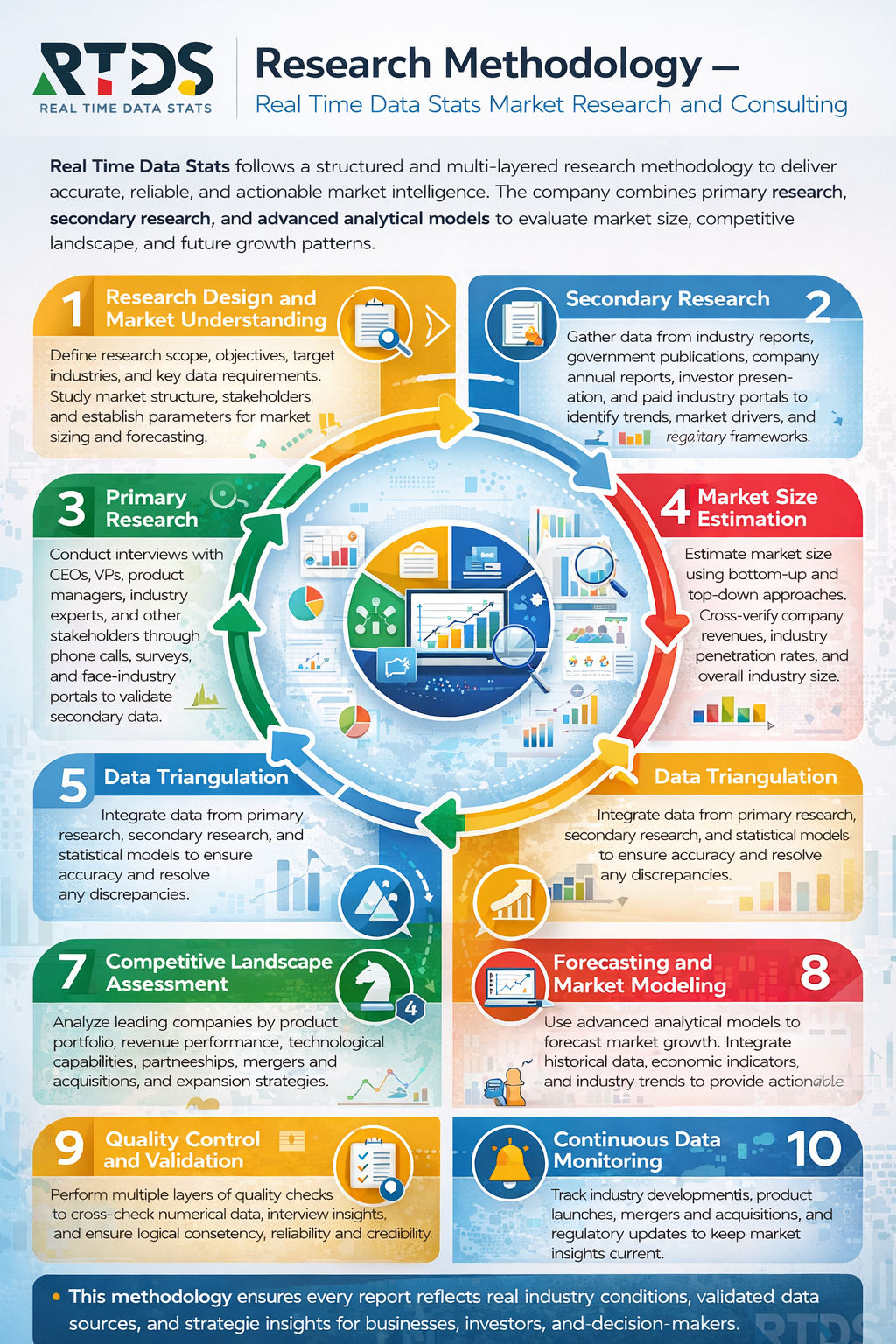
- Figure:1: Neural Brain Organoids Market Research Framework
- Figure:2: Market Ecosystem Analysis
- Figure:3: Industry Value Chain Structure
- Figure:4: Market Dynamics Overview
- Figure:5: Neural Brain Organoids Market by Type
- Figure:6: Neural Brain Organoids Market by Application
- Figure:7: Neural Brain Organoids Market by Technology
- Figure:8: Neural Brain Organoids Market by Model Type
- Figure:9: Neural Brain Organoids Market by Cell Source
- Figure:10: Neural Brain Organoids Market by Disease Model
- Figure:11: Neural Brain Organoids Market by End User
- Figure:12: Neural Brain Organoids Market by Development Stage
- Figure:13: Neural Brain Organoids Market by Component
- Figure:14: Regional Market Share Analysis
- Figure:15: Competitive Landscape Mapping
Neural Brain Organoids Market Key Factors
Drivers:
- Growing research into neurological disorders demands more accurate human models.
- Rising adoption of alternative methods reduces reliance on animal testing.
- Increasing investments in biotechnology and neuroscience accelerate development.
Restraints:
- High costs and technical complexity limit widespread laboratory use.
- Ethical debates regarding consciousness potential slow commercial progress.
- Immature vascular systems restrict the growth and functionality of organoids.
Opportunities:
- Personalized medicine applications create potential for patient-specific treatment testing.
- Advanced gene editing and bioengineering techniques enhance model capabilities.
- Pharmaceutical companies seek better platforms for neurotoxicology and drug discovery.
Challenges:
- Lack of standardization complicates data comparison and reproducibility.
- Integrating organoids with other cell types to mimic full-brain complexity remains difficult.
- Regulatory uncertainty for drug development applications hinders market pathways.
Neural Brain Organoids Market Key Regional Trends
North America:
- Strong venture capital funding fuels biotech startups and research initiatives.
- Leading academic institutions push technological boundaries and ethical frameworks.
- Pharmaceutical partners actively collaborate to develop drug screening applications.
Europe:
- Stringent ethical regulations shape focused research on disease modeling.
- Public consortiums support large-scale collaborative research projects.
- Growing emphasis aligns with the ""3Rs"" principle to replace animal testing.
Asia-Pacific:
- Governments increase strategic investments in neuroscience and regenerative medicine.
- Rising number of contract research organizations offer specialized research services.
- Rapidly expanding biotechnology sector accelerates research and manufacturing capabilities.
Frequently Asked Questions
Key Questions Answered
- What is the size and growth rate of the market industry?
- What are the main drivers influencing market growth trends?
- What are the key challenges and restraints faced by the market?
- What are the emerging trends and opportunities shaping the market?
- Who are the top players, and what strategies drive their success?
- What are the customer demographics and their buying behaviors?
- What are the key market segments, and what is their scope?
- What are the geographical dynamics, and which region dominates?
- What are the market forecasts and projections for the next decade?
- What regulatory factors are critical to consider for market growth?
Why Choose our Company?
- Major facts and stats backing every report we offer.
- Comprehensive analysis tailored to your business needs.
- Accurate insights backed by extensive market research.
- Expert support to address your queries promptly.
- Data-driven strategies for better decision-making.
- In-depth reports with actionable
recommendations. - Reliable statistics from trusted industry
sources. - Customizable reports to suit your specific goals.
- Unmatched quality and precision in market analysis.
- Competitive pricing with premium content delivery.
Share your experience!
We value you feedback. Please take a moment to review your experience with us.