
According to insights from Real Time Data Stats, the Neural Brain Mapping Market was valued at USD 1.08 billion in 2025. It is expected to grow from USD 1.23 billion in 2026 to USD 3.05 billion by 2033, registering a CAGR of 13.8% during the forecast period (2026–2033).
MARKET SIZE AND SHARE
The global Neural Brain Mapping Market is driven by the rising prevalence of neurological disorders and continuous advancements in neuroimaging technologies. Market share is concentrated among major companies offering integrated brain mapping and neuroimaging systems, while North America holds the largest revenue share due to advanced healthcare infrastructure and strong research investments. Increasing demand for early neurological diagnosis and precision treatment planning is further supporting market growth.
Product segments such as magnetic resonance imaging (MRI) and electroencephalography (EEG) currently account for a significant market share, with MRI leading due to its advanced structural and functional imaging capabilities. Emerging technologies like magnetoencephalography are also gaining traction as research applications expand. The competitive landscape includes established medical device manufacturers and innovative startups, with AI integration and strategic collaborations becoming key growth strategies across the sector.
INDUSTRY OVERVIEW AND STRATEGY
The neural brain mapping industry is a dynamic field focused on visualizing brain structure and function to diagnose and research neurological conditions. It integrates disciplines like neuroscience, engineering, and data science. Core applications span clinical diagnostics for epilepsy and Alzheimer's, neurosurgical planning, and cognitive neuroscience research. The industry is fundamentally shifting from purely anatomical imaging towards advanced functional and connectome mapping, fueled by AI and machine learning for complex data interpretation and pattern recognition.
Key corporate strategies involve heavy investment in R&D to enhance imaging resolution and data analysis speed. Companies are actively forming partnerships with AI software firms and academic institutions to develop next-generation platforms. A focus on product portfolio diversification, offering scalable solutions from high-end research systems to portable clinical devices, is crucial. Additionally, strategic expansions into emerging markets with growing healthcare expenditures present significant opportunities for sustained growth and increased market penetration.
Analyst Key Takeaways:
The Neural Brain Mapping Market is witnessing strong momentum due to the increasing adoption of advanced neuroimaging technologies, AI-powered neural analytics, and precision neuroscience applications. Growing demand for accurate diagnosis and treatment planning for neurological disorders such as epilepsy, Alzheimer’s disease, Parkinson’s disease, and brain tumors is accelerating the integration of functional brain mapping tools across hospitals, research institutes, and neurosurgical centers. The market is also benefiting from expanding investments in cognitive neuroscience and brain-computer interface research.
Technological convergence between neurodiagnostics, machine learning, and real-time imaging platforms is reshaping the competitive landscape of the industry. Companies are focusing on high-resolution mapping systems, cloud-based neural data analysis, and minimally invasive brain monitoring solutions to improve clinical outcomes and research efficiency. North America continues to lead adoption due to strong neuroscience research infrastructure, while Asia-Pacific is emerging as a high-growth region supported by increasing healthcare digitization and neurological care investments.
REGIONAL TRENDS AND GROWTH
North America dominates the neural brain mapping market, driven by advanced research facilities, high healthcare spending, and supportive government grants. Europe follows, with strong collaborative research networks under initiatives like the Human Brain Project. The Asia-Pacific region, however, is poised for the fastest growth. This surge is fueled by increasing healthcare investment, rising neurological disease prevalence, and expanding research capabilities in nations like China, Japan, and India, creating a high-growth regional landscape.
Primary growth drivers include the rising global burden of neurological disorders and technological integration of AI with brain mapping tools. Significant opportunities lie in multimodal imaging systems and cloud-based data analysis platforms. Key restraints are the exorbitant cost of advanced systems and a shortage of skilled professionals. Major challenges involve managing and standardizing the immense, complex data generated and navigating stringent regulatory pathways for new device approvals across different regions.
NEURAL BRAIN MAPPING MARKET SEGMENTATION ANALYSIS
BY TYPE:
Functional brain mapping dominates due to its critical role in understanding real-time brain activity related to cognition, emotion, and motor functions, making it essential in clinical diagnostics, neuroscience research, and mental health evaluation. The growing prevalence of neurological disorders, rising demand for personalized medicine, and expanding applications in cognitive neuroscience and behavioral science are key growth drivers. Functional mapping techniques such as fMRI and EEG-based mapping are increasingly integrated with AI-driven analytics, improving diagnostic accuracy and clinical decision-making.
Structural, electrophysiological, molecular, connectivity, and cognitive mapping segments are driven by the need for deeper, multi-dimensional understanding of brain anatomy, neural pathways, and biochemical processes. Structural mapping supports disease diagnosis and surgical planning, while molecular and connectivity mapping are gaining traction in drug discovery and neurodegenerative disease research. Cognitive and electrophysiological mapping are expanding due to applications in brain-computer interfaces, neurorehabilitation, and human–machine interaction, supported by advances in computational neuroscience and high-resolution imaging technologies.
BY TECHNOLOGY:
fMRI and EEG dominate the market due to their non-invasive nature, wide clinical acceptance, and strong research infrastructure. fMRI is preferred for high spatial resolution and functional connectivity analysis, while EEG leads in real-time monitoring and cost-effectiveness, making it widely used in hospitals and academic research. The integration of AI, machine learning, and cloud computing into these technologies is enhancing data interpretation, scalability, and remote diagnostics.
MEG, PET, NIRS, and CT are driven by specialized applications such as metabolic imaging, pediatric diagnostics, functional monitoring, and emergency neurology. PET plays a major role in molecular imaging and neurodegenerative disease diagnosis, while NIRS is gaining traction in wearable and portable systems. Technological miniaturization, hybrid imaging systems, and multimodal integration are accelerating adoption across both clinical and research environments.
BY COMPONENT:
Brain imaging devices dominate the market due to high capital investment, infrastructure requirements, and widespread deployment in hospitals and research centers. Software platforms and data analytics tools are rapidly growing segments, driven by the need for AI-powered interpretation, predictive modeling, and large-scale brain data management. Cloud-based analytics and digital twin brain models are transforming research workflows and clinical diagnostics.
Sensors, electrodes, accessories, and services are expanding due to the rise in portable, wearable, and remote monitoring systems. Services such as installation, training, maintenance, and data management are becoming critical revenue streams as healthcare systems outsource technical operations. The shift toward integrated solutions and platform-based ecosystems is strengthening long-term service demand.
BY APPLICATION:
Neurological disorder diagnosis and surgical planning dominate due to rising incidence of brain diseases, aging populations, and increasing demand for precision neurosurgery. Brain mapping technologies are becoming essential tools in epilepsy surgery, tumor localization, stroke management, and neurodegenerative disease tracking. Integration with robotic surgery and real-time navigation systems is further driving clinical adoption.
Neuroscience research, BCI development, cognitive studies, and mental health assessment are growing rapidly due to advancements in AI, neuroinformatics, and human–machine interface technologies. Mental health applications are expanding with the global rise in depression, anxiety, and neuropsychiatric disorders, positioning brain mapping as a key tool in early diagnosis, therapy personalization, and digital therapeutics.
BY END USER:
Hospitals and diagnostic imaging centers dominate due to high patient volumes, strong infrastructure, and government healthcare investments. These institutions drive large-scale adoption of advanced brain mapping systems for diagnostics, surgical planning, and emergency care. Integration with hospital information systems and electronic health records enhances workflow efficiency and clinical outcomes.
Research institutes, universities, pharmaceutical, biotechnology companies, and specialty clinics are driving innovation through R&D, clinical trials, and experimental neuroscience applications. Pharma and biotech companies use brain mapping in drug discovery and neuropharmacology, while academic institutions lead in AI-based brain research, neurotechnology innovation, and interdisciplinary neuroscience studies.
BY MODALITY:
Non-invasive mapping dominates the market due to patient safety, regulatory acceptance, and widespread clinical use. Wearable and portable systems are gaining strong momentum due to demand for home-based monitoring, telemedicine, and remote neurological assessment. Hybrid systems combining multiple modalities are transforming diagnostic precision and clinical efficiency.
Minimally invasive and invasive mapping are driven by advanced neurosurgical procedures and high-complexity neurological cases. These modalities are essential in epilepsy surgery, tumor resection, and deep brain stimulation planning. Technological advancements in micro-electrodes, neural probes, and implantable systems are expanding clinical applications.
BY INDICATION:
Epilepsy, Alzheimer’s, Parkinson’s, brain tumors, stroke, and traumatic brain injury dominate due to high disease burden and growing aging populations. Brain mapping plays a critical role in early diagnosis, disease progression monitoring, and therapy optimization. Neurodegenerative diseases are a major driver of long-term market growth due to rising global prevalence.
Research into rare neurological disorders and personalized neurology is expanding the scope of brain mapping. Predictive analytics, biomarker identification, and AI-driven disease modeling are creating new clinical and research opportunities, strengthening the market’s long-term sustainability.
BY DEPLOYMENT MODE:
On-premise and integrated hospital systems dominate due to data security requirements, regulatory compliance, and infrastructure integration. These systems support large-scale imaging, data storage, and high-performance computing needs in hospitals and research centers.
Cloud-based, web-based, mobile-enabled, and standalone platforms are growing rapidly due to scalability, remote access, and cost efficiency. Cloud platforms enable global collaboration, AI-driven analytics, and real-time data sharing, making them central to future digital neuroscience ecosystems.
BY AGE GROUP:
Adult and geriatric populations dominate due to the high prevalence of neurological disorders, neurodegenerative diseases, and cognitive decline. Brain mapping is increasingly used for aging-related cognitive assessment, dementia diagnosis, and neurorehabilitation programs.
Pediatric, neonatal, adolescent, and middle-aged segments are expanding due to early diagnosis initiatives, developmental neuroscience research, and preventive healthcare strategies. Early-life brain mapping is becoming critical in developmental disorder detection, learning disability assessment, and neurodevelopmental research.
RECENT DEVELOPMENTS
- In Jan 2024: Siemens Healthineers received FDA clearance for its MAGNETOM Cima.X, an ultra-high-field 3T MRI scanner enhancing neuroscientific research and clinical brain mapping capabilities.
- In Mar 2024: Koninklijke Philips N.V. launched the AI-powered Philips NeuroSuite to expedite brain disorder diagnosis by automating MRI scan analysis and quantitative brain mapping.
- In Jul 2024: GE HealthCare partnered with Banner Alzheimer's Institute to utilize its SIGNA PET/MR technology for advanced brain mapping in neurodegenerative disease research.
- In Nov 2024: Medtronic acquired AiM Medical Robotics to integrate its robotic technology for more precise and automated brain mapping during stereotactic neurosurgical procedures.
- In Feb 2025: Neurosoft received CE Mark for its next-generation TMS-EEG integrated system, enabling real-time, non-invasive cortical mapping and brain network analysis.
KEY PLAYERS ANALYSIS
- Siemens Healthineers
- Koninklijke Philips N.V.
- GE HealthCare
- Medtronic plc
- Canon Medical Systems Corporation
- Boston Scientific Corporation
- Abbott Laboratories
- Neurosoft
- Natus Medical Incorporated
- Compumedics Limited
- Brain Products GmbH
- Elekta AB
- Advanced Brain Monitoring, Inc.
- ANT Neuro B.V.
- MEGIN Oy
- Ricoh Company, Ltd. (formerly NeuroSky)
- Masimo Corporation (through its Nautilus neuro product line)
- Neuroelectrics
- EB Neuro S.p.A.
- Cadwell Industries, Inc.
Neural Brain Mapping Market Segmentation Analysis
By Type:
- Functional Brain Mapping
- Structural Brain Mapping
- Electrophysiological Mapping
- Molecular Brain Mapping
- Connectivity Mapping
- Cognitive Mapping
By Technology:
- Functional Magnetic Resonance Imaging (fMRI)
- Electroencephalography (EEG)
- Magnetoencephalography (MEG)
- Positron Emission Tomography (PET)
- Near-Infrared Spectroscopy (NIRS)
- Computed Tomography (CT)
By Component:
- Brain Imaging Devices
- Software Platforms
- Data Analytics Tools
- Sensors & Electrodes
- Accessories
- Services
By Application:
- Neurological Disorder Diagnosis
- Neuroscience Research
- Brain-Computer Interface Development
- Cognitive & Behavioral Studies
- Surgical Planning
- Mental Health Assessment
By End User:
- Hospitals
- Diagnostic Imaging Centers
- Research Institutes
- Academic Universities
- Pharmaceutical & Biotechnology Companies
- Specialty Clinics
By Modality:
- Non-Invasive Mapping
- Minimally Invasive Mapping
- Invasive Mapping
- Portable Systems
- Wearable Systems
- Hybrid Systems
By Indication:
- Epilepsy
- Alzheimer’s Disease
- Parkinson’s Disease
- Brain Tumors
- Stroke
- Traumatic Brain Injury
By Deployment Mode:
- On-Premise Platforms
- Cloud-Based Platforms
- Web-Based Platforms
- Standalone Systems
- Integrated Hospital Systems
- Mobile-Enabled Platforms
By Age Group:
- Pediatric
- Adolescent
- Adult
- Geriatric
- Neonatal
- Middle-Aged
By Geography:
- North America (USA, Canada, Mexico)
- Europe (UK, Germany, France, Italy, Spain, Rest of Europe)
- Asia-Pacific (China, Japan, Australia, South Korea, India, Rest of Asia-Pacific)
- South America (Brazil, Argentina, Rest of South America)
- Middle East and Africa (GCC Countries, South Africa, Rest of MEA)
Neural Brain Mapping Market: Table of Contents
Executive Summary
- Market Introduction
- Market Definition
- Market Scope
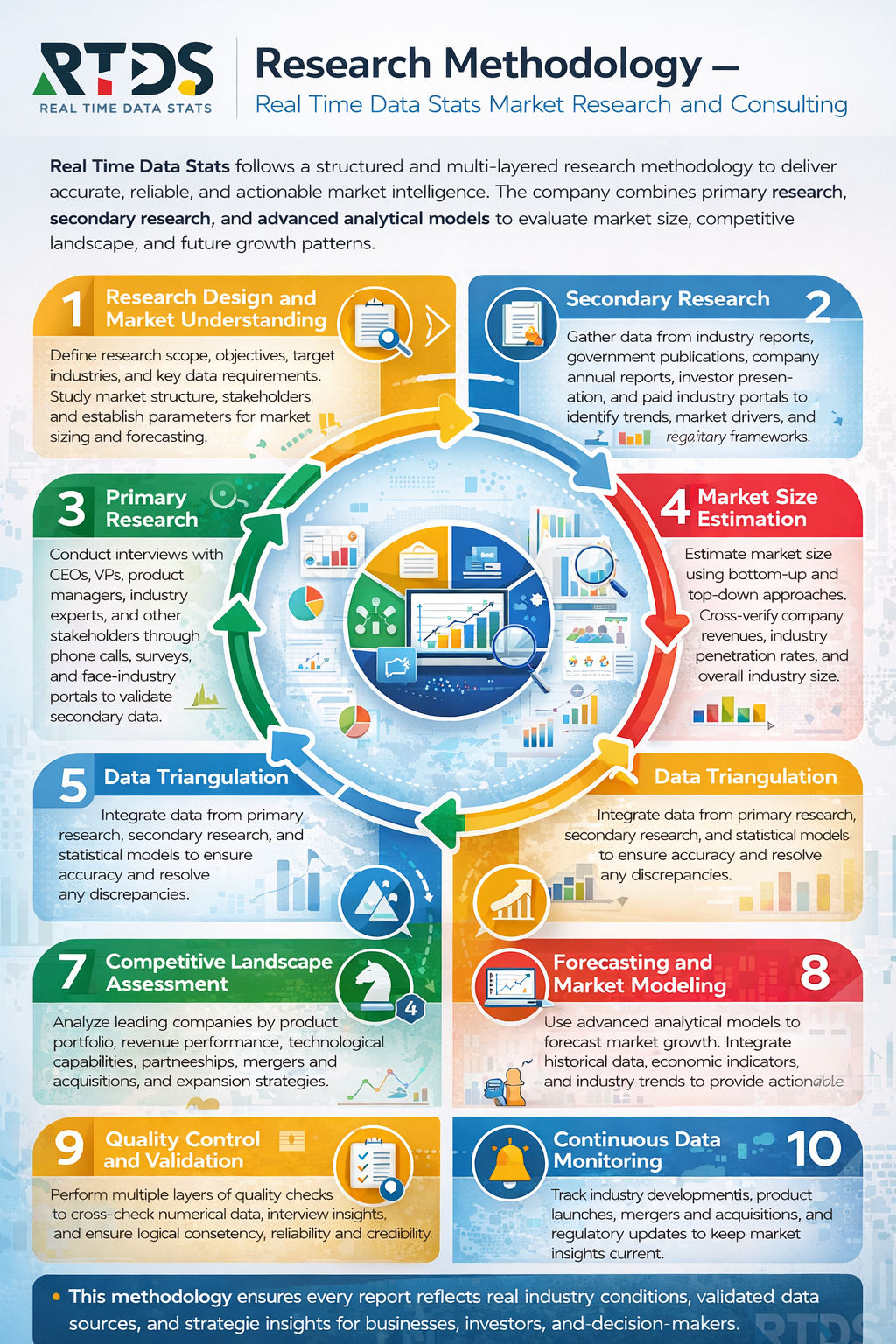
- Research Methodology
- Data Sources
- Assumptions & Limitations
Market Dynamics
- Market Drivers
- Market Restraints
- Market Opportunities
- Market Challenges
- Market Trends
Regulatory Landscape
- Technological Advancements
- Investment & Funding Analysis
- Global Neural Brain Mapping Market Overview
- Market Size & Forecast
Market Share Analysis
- Pricing Analysis
- Value Chain Analysis
- Supply Chain Analysis
- Porter’s Five Forces Analysis
- PESTLE Analysis
Neural Brain Mapping Market Segmentation Analysis
- By Type
- Functional Brain Mapping
- Structural Brain Mapping
- Electrophysiological Mapping
- Molecular Brain Mapping
- Connectivity Mapping
- Cognitive Mapping
- By Technology
- Functional Magnetic Resonance Imaging (fMRI)
- Electroencephalography (EEG)
- Magnetoencephalography (MEG)
- Positron Emission Tomography (PET)
- Near-Infrared Spectroscopy (NIRS)
- Computed Tomography (CT)
- By Component:
- Brain Imaging Devices
- Software Platforms
- Data Analytics Tools
- Sensors & Electrodes
- Accessories
- Services
- By Application
- Neurological Disorder Diagnosis
- Neuroscience Research
- Brain-Computer Interface Development
- Cognitive & Behavioral Studies
- Surgical Planning
- Mental Health Assessment
- By End User
- Hospitals
- Diagnostic Imaging Centers
- Research Institutes
- Academic Universities
- Pharmaceutical & Biotechnology Companies
- Specialty Clinics
- By Modality
- Non-Invasive Mapping
- Minimally Invasive Mapping
- Invasive Mapping
- Portable Systems
- Wearable Systems
- Hybrid Systems
- By Indication
- Epilepsy
- Alzheimer’s Disease
- Parkinson’s Disease
- Brain Tumors
- Stroke
- Traumatic Brain Injury
- By Deployment Mode
- On-Premise Platforms
- Cloud-Based Platforms
- Web-Based Platforms
- Standalone Systems
- Integrated Hospital Systems
- Mobile-Enabled Platforms
- By Age Group
- Pediatric
- Adolescent
- Adult
- Geriatric
- Neonatal
- Middle-Aged
Regional Analysis
- North America
- Europe
- Asia Pacific
- Latin America
- Middle East & Africa
Competitive Landscape
- Market Share of Key Players
- Company Profiling
- Product Portfolio Analysis
- Strategic Developments
- Mergers & Acquisitions
- Partnerships & Collaborations
- New Product Launches
Regional Market Analysis
- North America Market Insights
- Europe Market Insights
- Asia Pacific Market Insights
- Latin America Market Insights
- Middle East Market Insights
- Africa Market Insights
Future Outlook
- Emerging Technologies
- Innovation Pipeline
- Market Forecast Trends
Conclusion
- Summary of Market Trends
- Key Drivers and Restraints
- Growth Opportunities
- Technology & Innovation Outlook
- Future Market Forecast
Appendix
- Abbreviations
- Glossary of Terms
- Research References
- Methodology Details
List of Tables
- Table:1: Global Neural Brain Mapping Market Size Overview
- Table:2: Market Drivers Impact Analysis
- Table:3: Market Restraints Impact Analysis
- Table:4: Market Opportunities Assessment
- Table:5: Segmentation by Type Revenue Share
- Table:6: Segmentation by Technology Revenue Share
- Table:7: Segmentation by Component Analysis
- Table:8: Segmentation by Application Analysis
- Table:9: Segmentation by End User Analysis
- Table:10: Segmentation by Modality Analysis
- Table:11: Segmentation by Indication Analysis
- Table:12: Segmentation by Deployment Mode Analysis
- Table:13: Segmentation by Age Group Analysis
- Table:14: Regional Market Revenue Comparison
- Table:15: Competitive Landscape Market Share
List of Figures
- Figure:1: Neural Brain Mapping Market Value Chain
- Figure:2: Market Dynamics Overview
- Figure:3: Porter’s Five Forces Model
- Figure:4: PESTLE Analysis Diagram
- Figure:5: Market Size Forecast Graph
- Figure:6: Segmentation by Type Chart
- Figure:7: Segmentation by Technology Chart
- Figure:8: Segmentation by Component Chart
- Figure:9: Segmentation by Application Chart
- Figure:10: Segmentation by End User Chart
- Figure:11: Segmentation by Modality Chart
- Figure:12: Segmentation by Indication Chart
- Figure:13: Segmentation by Deployment Mode Chart
- Figure:14: Regional Market Share Map
- Figure:15: Competitive Positioning Matrix
Neural Brain Mapping Market Key Factors
Drivers:
- Rising demand for early neurological disorder detection
- Expanding clinical use of functional brain imaging
- Growing investment in neuroscience research
Restraints:
- High equipment and maintenance costs
- Limited skilled professionals for data interpretation
- Complex regulatory approval processes
Opportunities:
- Rapid growth in personalized medicine adoption
- Increasing brain-computer interface development
- Expanding research funding in emerging economies
Challenges:
- Data complexity in neural signal analysis
- Ethical concerns around brain data usage
- Technical limits in real-time mapping accuracy
Neural Brain Mapping Market Key Regional Trends
North America:
- Strong funding for neuroscience innovation
- Early adoption of advanced imaging technologies
- High focus on cognitive disorder research
Europe:
- Growing public research collaborations
- Expansion of clinical neuroimaging centers
- Rising focus on neurodegenerative disease studies
Asia Pacific:
- Rapid growth in healthcare infrastructure
- Increasing government support for brain research
- Rising adoption of diagnostic imaging systems
Latin America:
- Expanding access to advanced medical technologies
- Rising investment in hospital modernization
- Growing focus on neurological disease awareness
Middle East & Africa:
- Gradual adoption of diagnostic imaging tools
- Increasing healthcare spending in urban regions
- Growing demand for early brain disorder diagnosis
Frequently Asked Questions
Key Questions Answered
- What is the size and growth rate of the market industry?
- What are the main drivers influencing market growth trends?
- What are the key challenges and restraints faced by the market?
- What are the emerging trends and opportunities shaping the market?
- Who are the top players, and what strategies drive their success?
- What are the customer demographics and their buying behaviors?
- What are the key market segments, and what is their scope?
- What are the geographical dynamics, and which region dominates?
- What are the market forecasts and projections for the next decade?
- What regulatory factors are critical to consider for market growth?
Why Choose our Company?
- Major facts and stats backing every report we offer.
- Comprehensive analysis tailored to your business needs.
- Accurate insights backed by extensive market research.
- Expert support to address your queries promptly.
- Data-driven strategies for better decision-making.
- In-depth reports with actionable
recommendations. - Reliable statistics from trusted industry
sources. - Customizable reports to suit your specific goals.
- Unmatched quality and precision in market analysis.
- Competitive pricing with premium content delivery.
Share your experience!
We value you feedback. Please take a moment to review your experience with us.