
According to insights from Real Time Data Stats, the Neural Brain Connectivity Market was valued at USD 3.5 billion in 2025. It is expected to grow from USD 4.0 billion in 2026 to USD 8.7 billion by 2033, registering a CAGR of 11.5% during the forecast period (2026–2033).
MARKET SIZE AND SHARE
The global neural brain connectivity market is expanding steadily, driven by rising demand for advanced neurological diagnostics and targeted therapeutic solutions. Healthcare providers are increasingly adopting technologies that map and interpret brain networks to improve treatment accuracy and patient outcomes. Market share is currently concentrated among established medical device and neurotechnology companies with strong clinical expertise and product portfolios. At the same time, innovative startups are gaining traction in high-growth areas such as non-invasive brain-computer interfaces, introducing flexible and cost-effective solutions that are accelerating adoption across research and clinical settings.
Market leadership is expected to be strongly contested between North American and European players, supported by well-developed research ecosystems and consistent investment in neuroscience innovation. However, Asia-Pacific is projected to capture a growing share of the market due to rapid technology adoption, expanding healthcare infrastructure, and favorable government initiatives. The competitive landscape will continue to evolve as collaborations between technology companies and biotechnology firms intensify, driving product development and market expansion. These strategic alliances will play a key role in reshaping market influence and redistributing value share over the forecast period.
INDUSTRY OVERVIEW AND STRATEGY
The neural brain connectivity industry encompasses technologies mapping and modulating neural pathways, including fMRI, EEG, MEG, and emerging neurostimulation devices. It is fundamentally driven by rising neurological disorder prevalence and the quest to understand cognitive functions. The sector operates at the intersection of healthcare, advanced computing, and biotechnology, aiming to translate brain activity data into actionable diagnostics and personalized treatment solutions for conditions like epilepsy, depression, and Alzheimer's disease.
Core industry strategies revolve around intensive R&D to enhance spatial and temporal resolution of brain mapping tools. Key players are pursuing collaborations with academic research institutes and cross-sector mergers to integrate AI and machine learning for data analysis. Strategic focus also includes securing regulatory approvals for novel devices, protecting intellectual property for proprietary algorithms, and developing scalable, cost-effective solutions to transition from research laboratories to widespread clinical and consumer applications.
Analyst Key Takeaways:
The Neural Brain Connectivity market is emerging as a high-impact niche within the broader Neuroscience and Neurotechnology market ecosystems, driven by increasing emphasis on understanding functional and structural brain networks rather than isolated regions. Growth is being accelerated by advances in AI-driven connectomics, multimodal data integration, and rising demand for precision diagnostics in neurological disorders. The convergence of computational neuroscience with high-resolution imaging is shifting research and clinical paradigms toward network-level brain analysis, creating strong momentum for connectivity-focused platforms.
From an application standpoint, the market is benefiting from expanding use cases across disease modeling, cognitive research, and neurotherapeutics, particularly in areas such as Alzheimer’s, Parkinson’s, and psychiatric conditions. Integration with Brain-computer interface systems and next-generation Neuroimaging market technologies is further enhancing its relevance, enabling real-time neural mapping and advanced signal interpretation. Despite its niche positioning, the segment is expected to outpace its parent markets due to higher innovation intensity, increasing research funding, and the growing need for personalized and predictive brain health solutions.
REGIONAL TRENDS AND GROWTH
North America leads the market, propelled by substantial healthcare investment, a high concentration of leading research institutions, and favorable reimbursement policies. Europe follows, with strong academic-industry partnerships and coordinated brain research initiatives like the Human Brain Project. The Asia-Pacific region exhibits the fastest growth trajectory, driven by increasing healthcare expenditure, large patient pools, and significant government funding for neuroscience research in countries like China, Japan, and South Korea.
Primary growth drivers include the rising global burden of neurological disorders, technological advancements in neuroimaging, and growing integration of AI. Key restraints are high device costs, regulatory complexities, and data privacy concerns. Opportunities lie in expanding applications to mental health and wellness, alongside wearable neurotechnology. Major challenges involve the technical difficulty of interpreting complex neural data, the need for standardized protocols, and addressing ethical considerations surrounding cognitive enhancement and brain data ownership.
NEURAL BRAIN CONNECTIVITY MARKET SEGMENTATION ANALYSIS
BY TYPE:
The structural connectivity segment dominates the market due to the growing demand for detailed brain mapping and understanding neuronal pathways. Advancements in imaging techniques such as DTI allow precise visualization of white matter tracts, driving adoption in research and clinical diagnostics. Functional connectivity is gaining traction as fMRI and EEG technologies improve, enabling non-invasive monitoring of brain network activities, critical for neurological disorder assessment. Effective connectivity is used increasingly for modeling causal interactions in neuroscience studies.
Resting-state and task-based connectivity approaches are expanding as they provide insights into brain activity under natural and stimulated conditions. Network connectivity analysis supports drug discovery, cognitive research, and neurosurgical planning. The integration of multi-type connectivity approaches is fueling market growth, as researchers and clinicians aim for comprehensive brain network understanding. Increasing investments in neuroscience and brain-computer interface technologies further strengthen the prominence of these connectivity types.
BY APPLICATION:
Neurological disorder applications lead the market due to the prevalence of Alzheimer’s, Parkinson’s, and epilepsy. Accurate neural connectivity mapping aids early diagnosis, personalized therapy, and monitoring disease progression. Psychiatric disorder applications, including depression and schizophrenia, are growing as functional connectivity studies reveal brain network anomalies linked to mental health. Cognitive neuroscience applications support academic and translational research, expanding understanding of learning, memory, and behavior.
Brain mapping is a critical application, driven by government and private research funding. Drug development and screening increasingly rely on neural connectivity insights for evaluating efficacy and toxicity. Brain-computer interface applications are emerging, fueled by advances in AI and wearable neurotechnologies. Collectively, these applications expand market penetration, enhance clinical outcomes, and drive innovation in therapy and diagnostics.
BY TECHNOLOGY:
Functional Magnetic Resonance Imaging (fMRI) dominates due to its high-resolution imaging of brain activity and increasing accessibility in hospitals and research institutes. EEG remains critical for cost-effective, real-time monitoring of brain electrical activity, widely used in neurology and cognitive studies. MEG and PET technologies grow steadily due to precision and functional assessment advantages. Diffusion Tensor Imaging supports structural mapping, while NIRS offers portable, non-invasive monitoring options.
Technological advancements are improving multi-modal integration, enhancing accuracy and reducing operational time. The growing focus on AI-assisted imaging analysis further strengthens adoption across research and clinical applications. Expansion of imaging infrastructure in emerging regions, coupled with rising neuroscience investments, drives technology penetration. These trends ensure robust growth across all imaging modalities in neural connectivity analysis.
BY END-USER:
Hospitals and clinics dominate as primary adopters due to the clinical demand for advanced diagnostic tools for neurological and psychiatric disorders. Research institutes leverage neural connectivity studies for academic and applied neuroscience, while pharmaceutical and biotechnology companies increasingly use connectivity data for drug development. Academic institutions and educational institutes adopt these technologies to advance neuroscience curricula and translational research.
Contract Research Organizations (CROs) are expanding services in clinical trials and neuroimaging studies. Government and public health organizations invest in brain connectivity research to understand population-level neurological trends. Rising healthcare expenditure and research funding, coupled with cross-sector collaboration, drive end-user adoption, enhancing access and application of neural brain connectivity technologies.
BY COMPONENT:
Hardware remains a critical segment, as high-performance imaging systems, electrodes, and sensors are essential for neural connectivity mapping. Software solutions for data acquisition, processing, and visualization are increasingly integrated with AI and machine learning algorithms to enhance diagnostic accuracy. Services, including consulting, training, and technical support, complement hardware and software adoption.
Data analysis tools and connectivity platforms are driving adoption across research and clinical sectors. Integration of multi-modal platforms allows comprehensive neural connectivity studies. Growing investment in imaging infrastructure, increasing use of AI in software solutions, and the rise of outsourced services for analysis strengthen the component ecosystem, driving market growth and scalability.
BY MODALITY:
Non-invasive modalities dominate the market due to patient safety, ease of use, and broader clinical acceptance. Invasive techniques are limited to research and specialized clinical interventions but remain critical for precise mapping of neural networks. Hybrid modalities combining invasive and non-invasive approaches are emerging, enhancing data accuracy.
Single-modality approaches are complemented by multi-modality imaging for comprehensive analysis. Wearable devices are expanding neural connectivity studies into real-world settings, supporting brain-computer interface applications. Technological advancements, increasing clinical adoption, and rising preference for safe, portable, and scalable modalities drive growth across this segment.
BY DATA TYPE:
Structural data dominates due to the demand for accurate mapping of neuronal pathways and white matter tracts. Functional data is growing rapidly as fMRI and EEG provide insights into brain network activities under various conditions. Multimodal data integration enhances research accuracy by combining structural, functional, and behavioral insights.
Electrophysiological data remains crucial for monitoring neural electrical signals, while imaging data supports visualization of anatomical and functional networks. Behavioral data complements connectivity studies by linking neural activity to cognitive performance and clinical outcomes. Increasing research focus, AI-assisted analytics, and demand for comprehensive datasets drive growth in this segment.
BY DISEASE FOCUS:
Alzheimer’s disease dominates market focus due to its high prevalence, need for early detection, and therapeutic monitoring. Parkinson’s disease and epilepsy also drive growth as neural connectivity studies support diagnosis, disease progression analysis, and treatment planning. Stroke rehabilitation increasingly relies on connectivity mapping for personalized therapy.
Psychiatric disorders, including schizophrenia and depression, are expanding segments, driven by research linking brain network dysfunction to mental health. Rising incidence of neurological and psychiatric conditions, growing awareness, and integration of connectivity studies into clinical trials strengthen the disease-focused segment.
BY SERVICE TYPE:
Consultation services dominate as healthcare providers and research institutions seek expert guidance for adopting neural connectivity solutions. Imaging services support both clinical and research applications, providing critical brain mapping data. Data analysis services, leveraging AI and machine learning, enhance the accuracy and usability of collected datasets.
Research & development services are expanding with pharmaceutical and biotech collaborations. Clinical trial services integrate connectivity assessments for drug evaluation, while training and support services ensure effective utilization of hardware and software platforms. Rising demand for specialized services, outsourcing trends, and growing complexity of neural connectivity studies drive market expansion.
RECENT DEVELOPMENTS
- In Jan 2024: Synchron received FDA approval to expand enrollment in its COMMAND trial for the Stentrode™ BCI, a major step for implantable brain-computer interfaces aimed at severe paralysis patients.
- In May 2024: Neuralink initiated its PRIME Study with a second human implant, focusing on enabling computer control for individuals with quadriplegia, marking rapid clinical progress for its N1 implant system.
- In Aug 2024: Blackrock Neurotech launched the NeuroKey™ ecosystem, integrating its implantable arrays with new advanced software for enhanced neural data decoding, accelerating BCI application development.
- In Nov 2024: Medtronic partnered with Rune Labs to integrate its Percept™ PC deep brain stimulation system with Rune's StrivePD software, enhancing data-driven therapy for Parkinson’s disease management.
- In Feb 2025: Precision Neuroscience achieved a milestone by testing its Layer 7 Cortical Interface on a human, demonstrating a safe, high-channel-count device for temporary cortical mapping during surgery.
KEY PLAYERS ANALYSIS
- Medtronic
- Abbott Laboratories
- Boston Scientific
- NeuroPace, Inc.
- Blackrock Neurotech
- Neuralink (xAI/Elon Musk)
- Synchron Inc.
- Precision Neuroscience
- Paradromics, Inc.
- BrainGate
- Kernel
- Cognixion
- Neural Analytics
- Advanced Brain Monitoring
- tec medical engineering GmbH
- Compumedics Limited
- Natus Medical Incorporated
- Rune Labs
- MindMaze
- Bitbrain
Neural Brain Connectivity Market Segmentation Analysis
By Type:
- Structural Connectivity
- Functional Connectivity
- Effective Connectivity
- Resting-State Connectivity
- Task-Based Connectivity
- Network Connectivity
By Application:
- Neurological Disorders
- Psychiatric Disorders
- Cognitive Neuroscience
- Brain Mapping
- Drug Development & Screening
- Brain-Computer Interface
By Technology:
- Functional Magnetic Resonance Imaging (fMRI)
- Electroencephalography (EEG)
- Magnetoencephalography (MEG)
- Diffusion Tensor Imaging (DTI)
- Positron Emission Tomography (PET)
- Near-Infrared Spectroscopy (NIRS)
By End-User:
- Hospitals & Clinics
- Research Institutes
- Pharmaceutical & Biotechnology Companies
- Academic & Educational Institutes
- Contract Research Organizations (CROs)
- Government & Public Health Organizations
By Component:
- Hardware
- Software
- Services
- Imaging Systems
- Data Analysis Tools
- Connectivity Platforms
By Modality:
- Invasive
- Non-Invasive
- Hybrid
- Single-Modality
- Multi-Modality
- Wearable Devices
By Data Type:
- Structural Data
- Functional Data
- Multimodal Data
- Electrophysiological Data
- Imaging Data
- Behavioral Data
By Disease Focus:
- Alzheimer’s Disease
- Parkinson’s Disease
- Epilepsy
- Stroke
- Schizophrenia
- Depression
By Service Type:
- Consultation Services
- Imaging Services
- Data Analysis Services
- Research & Development Services
- Clinical Trial Services
- Training & Support Services
By Geography:
- North America (USA, Canada, Mexico)
- Europe (UK, Germany, France, Italy, Spain, Rest of Europe)
- Asia-Pacific (China, Japan, Australia, South Korea, India, Rest of Asia-Pacific)
- South America (Brazil, Argentina, Rest of South America)
- Middle East and Africa (GCC Countries, South Africa, Rest of MEA)
Neural Brain Connectivity Market: Table of Contents
Executive Summary
- Market Snapshot
- Key Findings
- Analyst Insights
- Winning Strategies
- Future Outlook
Market Introduction
- Definition of Neural Brain Connectivity
- Scope of the Study
- Research Objectives
- Market Structure Overview
- Stakeholders and Target Audience
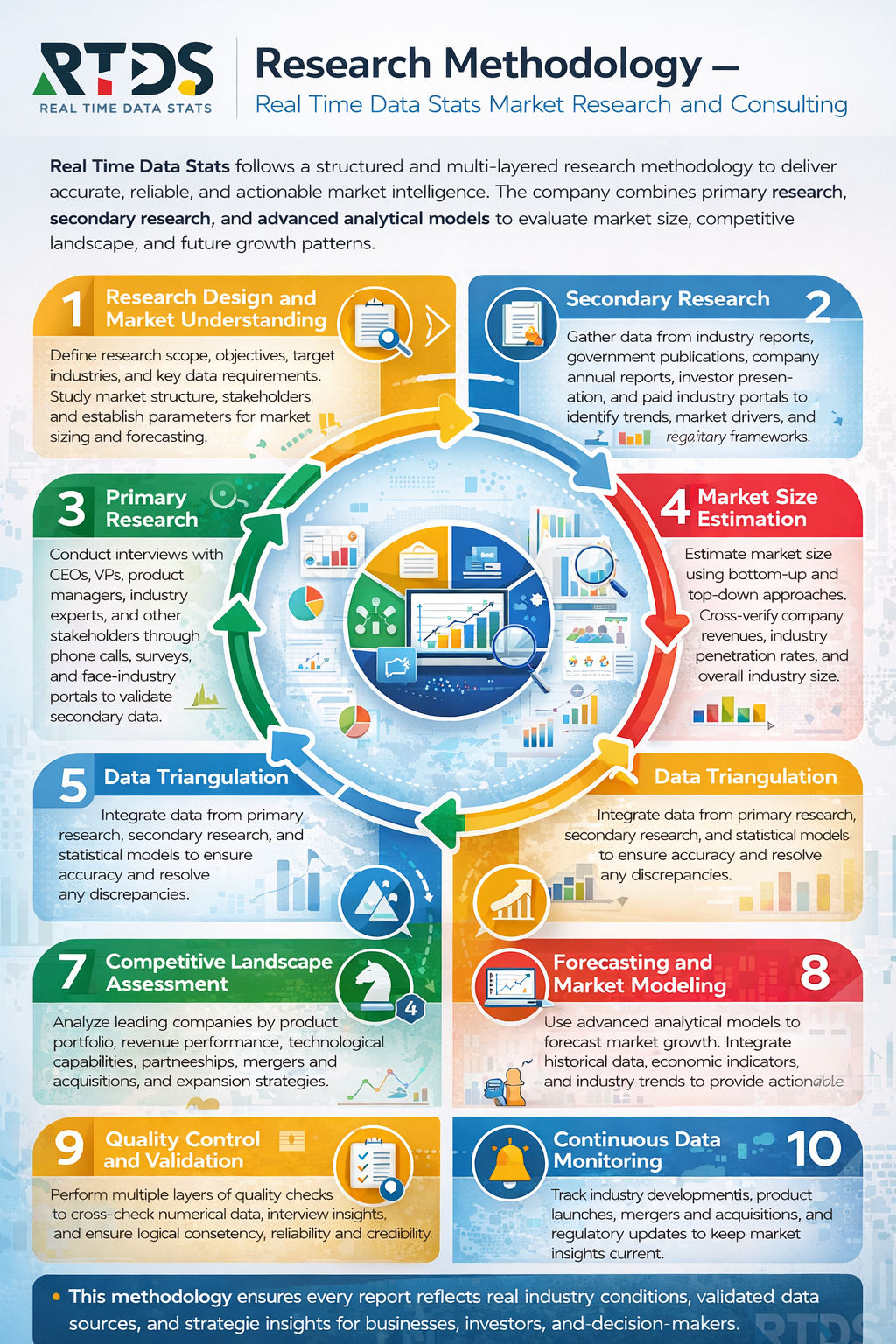
Research Methodology
- Data Collection Methods
- Primary Research
- Secondary Research
- Market Size Estimation Techniques
- Forecasting Models
- Assumptions and Limitations
- Data Validation & Triangulation
Market Dynamics
- Market Drivers
- Market Restraints
- Market Opportunities
- Market Challenges
- Emerging Trends
Innovation Landscape
- Regulatory Environment Impact
- Market Factor Analysis
- Value Chain Analysis
Supply Chain Analysis
- Pricing Analysis
- Technology Roadmap
- Investment Analysis
- Patent Analysis
- Trade Analysis
Neural Brain Connectivity Market Segmentation Analysis
- By Type:
- Structural Connectivity
- Functional Connectivity
- Effective Connectivity
- Resting-State Connectivity
- Task-Based Connectivity
- Network Connectivity
- By Application:
- Neurological Disorders
- Psychiatric Disorders
- Cognitive Neuroscience
- Brain Mapping
- Drug Development & Screening
- Brain-Computer Interface
- By Technology:
- Functional Magnetic Resonance Imaging (fMRI)
- Electroencephalography (EEG)
- Magnetoencephalography (MEG)
- Diffusion Tensor Imaging (DTI)
- Positron Emission Tomography (PET)
- Near-Infrared Spectroscopy (NIRS)
- By End-User:
- Hospitals & Clinics
- Research Institutes
- Pharmaceutical & Biotechnology Companies
- Academic & Educational Institutes
- Contract Research Organizations (CROs)
- Government & Public Health Organizations
- By Component:
- Hardware
- Software
- Services
- Imaging Systems
- Data Analysis Tools
- Connectivity Platforms
- By Modality:
- Invasive
- Non-Invasive
- Hybrid
- Single-Modality
- Multi-Modality
- Wearable Devices
- By Data Type:
- Structural Data
- Functional Data
- Multimodal Data
- Electrophysiological Data
- Imaging Data
- Behavioral Data
- By Disease Focus:
- Alzheimer’s Disease
- Parkinson’s Disease
- Epilepsy
- Stroke
- Schizophrenia
- Depression
- By Service Type:
- Consultation Services
- Imaging Services
- Data Analysis Services
- Research & Development Services
- Clinical Trial Services
- Training & Support Services
Regional Analysis
- North America
- Europe
- Asia Pacific
- Latin America
- Middle East & Africa
Competitive Landscape
- Market Share Analysis
- Company Benchmarking
- Strategic Developments
- Product Launches
- Mergers & Acquisitions
- Partnerships & Collaborations
- SWOT Analysis
Company Profiles
- Business Overview
- Financial Overview
- Product Portfolio
- Recent Developments
- Strategic Initiatives
Investment & Funding Analysis
- Venture Capital Trends
- Government Funding Programs
- Private Investments
- Start-up Ecosystem
Future Market Outlook & Forecast
- Short-Term Forecast
- Mid-Term Forecast
- Long-Term Forecast
- Scenario Analysis
- Growth Opportunities
Conclusion
- Summary of Market Trends
- Key Drivers and Restraints
- Growth Opportunities
- Technology & Innovation Outlook
- Future Market Forecast
Appendix
- Abbreviations
- Glossary of Terms
- Methodology Notes
- References & Data Sources
- Disclaimer
List of Tables
- Table:1: Global Neural Brain Connectivity Market Size Overview
- Table:2: Market Growth Rate Comparison by Region
- Table:3: Component-wise Revenue Share
- Table:4: Technology Adoption Rates
- Table:5: Application Segment Revenue Distribution
- Table:6: End-User Market Share Analysis
- Table:7: Regional Market Forecast
- Table:8: Competitive Market Share of Key Players
- Table:9: Investment Trends by Year
- Table:10: Pricing Analysis by Technology
- Table:11: Regulatory Framework Comparison
- Table:12: R&D Spending Analysis
- Table:13: Patent Filing Trends
- Table:14: Supply Chain Cost Structure
- Table:15: Forecast Summary 10-Year Outlook
List of Figures
- Figure:1: Neural Brain Connectivity Market Overview Diagram
- Figure:2: Market Growth Trend Graph
- Figure:3: Value Chain Illustration
- Figure:4: Technology Landscape Map
- Figure:5: Application Segmentation Chart
- Figure:6: End-User Distribution Pie Chart
- Figure:7: Regional Market Share Map
- Figure:8: Competitive Positioning Matrix
- Figure:9: Investment Flow Chart
- Figure:10: Innovation Timeline
- Figure:11: Demand–Supply Curve
- Figure:12: Patent Activity Graph
- Figure:13: Forecast Projection Curve
- Figure:14: Strategic Framework Model
- Figure:15: Future Opportunity Heat Map
Neural Brain Connectivity Market Key Factors
Drivers:
- Rising neurological disorder prevalence increases demand for advanced diagnostic tools.
- Technological advancements in neuroimaging enhance mapping resolution and speed.
- Growing research investments from both public and private sectors accelerate development.
Restraints:
- High equipment and procedural costs limit widespread clinical adoption.
- Stringent regulatory approvals delay the commercialization of new technologies.
- Data complexity and a shortage of skilled analysts impede interpretation and utility.
Opportunities:
- Integrating artificial intelligence unlocks potential for automated, precise brain connectivity analysis.
- Expanding applications into mental health and cognitive enhancement create new use cases.
- Emerging markets present untapped potential for growth and collaboration.
Challenges:
- Ensuring data privacy and security remains a critical concern for handling sensitive neural data.
- Establishing standardized protocols for data acquisition and analysis requires global consensus.
- Translating complex research findings into actionable clinical applications proves difficult.
Neural Brain Connectivity Market Key Regional Trends
North America:
- Dominant R&D activities and early adoption of advanced neurotechnologies.
- Strong presence of leading market players and academic research institutions.
- Increasing focus on applying connectivity mapping to neurodegenerative disease research.
Europe:
- Robust collaborative research networks supported by multinational funding initiatives.
- Stringent GDPR regulations shaping data management and privacy standards.
- Growing clinical utilization of connectivity mapping in epilepsy and surgical planning.
Asia-Pacific:
- Rapidly expanding healthcare infrastructure and increasing investment in neuroscience.
- Rising patient population with neurological disorders driving market demand.
- Governments actively promoting and funding national brain research projects.
Rest of the World:
- Emerging research hubs initiating pilot studies and forming international partnerships.
- Gradual increase in awareness and adoption of basic neuroimaging techniques.
- Focus on overcoming infrastructural and affordability barriers to access.
Frequently Asked Questions
Key Questions Answered
- What is the size and growth rate of the market industry?
- What are the main drivers influencing market growth trends?
- What are the key challenges and restraints faced by the market?
- What are the emerging trends and opportunities shaping the market?
- Who are the top players, and what strategies drive their success?
- What are the customer demographics and their buying behaviors?
- What are the key market segments, and what is their scope?
- What are the geographical dynamics, and which region dominates?
- What are the market forecasts and projections for the next decade?
- What regulatory factors are critical to consider for market growth?
Why Choose our Company?
- Major facts and stats backing every report we offer.
- Comprehensive analysis tailored to your business needs.
- Accurate insights backed by extensive market research.
- Expert support to address your queries promptly.
- Data-driven strategies for better decision-making.
- In-depth reports with actionable
recommendations. - Reliable statistics from trusted industry
sources. - Customizable reports to suit your specific goals.
- Unmatched quality and precision in market analysis.
- Competitive pricing with premium content delivery.
Share your experience!
We value you feedback. Please take a moment to review your experience with us.