
According to insights from Real Time Data Stats, the Neural Brain Analytics Market was valued at USD 0.63 billion in 2025. It is expected to grow from USD 0.88 billion in 2026 to USD 7.71 billion by 2033, registering a CAGR of 36.7% during the forecast period (2026–2033).
MARKET SIZE AND SHARE
The global neural brain analytics market is transitioning from a niche technology to a mainstream diagnostic and research tool. Advances in non-invasive brain imaging and AI integration drive this shift. Demand rises across healthcare, neuromarketing, and cognitive assessment, expanding commercial potential and reshaping how organizations analyze brain data at scale.
Market share will consolidate among firms specializing in neuroimaging hardware, analytics software, and AI platforms. Established device companies and agile startups will compete for leadership. Healthcare will lead revenue, especially in neurological diagnosis and mental health monitoring, while enterprise wellness and human-computer interfaces steadily gain share.
INDUSTRY OVERVIEW AND STRATEGY
The neural brain analytics industry integrates neuroscience, sensor technology, and artificial intelligence to decode and interpret brain activity patterns. Its core lies in transforming complex neurological data into actionable insights for diverse sectors. Primary applications span clinical diagnostics for conditions like epilepsy and depression, cognitive enhancement research, and commercial neuromarketing to gauge consumer engagement. The industry's evolution is fundamentally interdisciplinary, relying on convergence between medical science, data engineering, and machine learning algorithms to drive innovation and practical utility.
Strategic imperatives for market players center on forging collaborative partnerships with research institutions and healthcare providers to ensure clinical validation. Key strategies include heavy investment in proprietary AI algorithms to improve pattern recognition accuracy and developing user-friendly, scalable software platforms. Companies must also navigate stringent data privacy regulations concerning sensitive neural data. A focus on creating cost-effective, portable solutions like wearable EEG will be crucial for market penetration and capturing value in both clinical and consumer-facing segments.
Analyst Key Takeaways:
The Neural Brain Analytics market is emerging as a high-growth niche within the broader neural network ecosystem, driven by rapid advancements in artificial intelligence, neuroimaging, and brain-computer interface technologies. Its growth trajectory is expected to outpace the parent market due to increasing demand for real-time cognitive monitoring, early neurological disorder detection, and personalized mental health solutions. The convergence of AI with neuroscience is enabling more precise pattern recognition in brain data, positioning this segment as a critical enabler in next-generation healthcare and human–machine interaction.
A key insight for analysts is the market’s evolving penetration within the neural network landscape, supported by expanding clinical applications and rising investments in neurotechnology research. Adoption is being accelerated by improvements in data processing capabilities and growing acceptance of AI-driven diagnostics among healthcare providers. However, scalability remains dependent on regulatory approvals, data privacy frameworks, and integration with existing medical infrastructure, which will play a decisive role in shaping long-term commercialization and adoption rates.
REGIONAL TRENDS AND GROWTH
North America currently leads the neural brain analytics market, propelled by robust R&D funding, a high concentration of tech giants, and advanced healthcare infrastructure. Europe follows closely, with strong initiatives in neuroethics and data protection frameworks influencing product development. The Asia-Pacific region is identified as the fastest-growing market, driven by increasing healthcare expenditure, rising neurological disorder prevalence, and significant government investments in brain research initiatives, creating a fertile ground for rapid adoption and local innovation.
Primary growth drivers include the escalating global burden of neurological diseases and expanding applications in mental health and wellness. Significant opportunities exist in personalized medicine and brain-computer interfaces. However, the market faces restraints such as high technology costs, a shortage of skilled analysts, and ethical concerns. Key challenges involve achieving standardization across diverse data collection methods and ensuring data security and patient privacy, which will critically influence the pace of regional adoption and long-term market sustainability.
NEURAL BRAIN ANALYTICS MARKET SEGMENTATION ANALYSIS
BY TYPE:
The Neural Brain Analytics market by type is dominated by hardware and software solutions, driven by the increasing demand for precise neuroimaging tools and real-time data processing platforms. Hardware such as sensors, processors, and memory modules are critical for accurate brain activity monitoring, while sophisticated software platforms provide analytical insights through AI and machine learning. Cloud-based and platform solutions are increasingly adopted for scalability, offering remote accessibility and enhanced computational power for researchers, medical professionals, and tech developers.
Services and analytics tools complement these core types by delivering integration, maintenance, and actionable insights, which enhance operational efficiency. Services such as consulting, implementation, and technical support are critical to ensure system reliability and accuracy. Analytics tools provide advanced capabilities for predictive modeling, cognitive mapping, and performance optimization. Cloud solutions offer cost-effective, flexible, and collaborative access to neural datasets, encouraging adoption across hospitals, research institutions, and corporate R&D departments worldwide.
BY APPLICATION:
Healthcare and diagnostics remain the largest application segment, fueled by the rising prevalence of neurological disorders and the need for early detection and personalized treatment planning. Brain-computer interfaces and cognitive research benefit from neural analytics in developing innovative therapies, rehabilitation protocols, and human-machine interaction systems, while defense and security applications leverage these technologies for situational awareness, cognitive enhancement, and threat assessment. Neuro marketing adoption is also growing, enabling companies to understand consumer behavior and optimize marketing strategies based on cognitive responses.
Education and training increasingly integrate neural brain analytics to monitor cognitive performance, attention levels, and learning outcomes. Applications in cognitive mapping and real-time monitoring allow institutions to tailor educational content and improve skill acquisition. BCI applications extend across gaming, assistive technologies, and human augmentation, driving interest from both private and public sectors. Overall, the application segment is influenced by technological adoption, regulatory approvals, funding for research, and cross-industry collaborations.
BY END-USER:
Hospitals and clinics dominate the end-user segment due to the rising adoption of neural analytics in diagnostics, patient monitoring, and treatment planning. Research institutes also represent a key user base, leveraging neural analytics for cognitive studies, drug discovery, and neuroscience research. Academic and educational institutions utilize these tools for learning enhancement and cognitive training, while pharmaceutical and biotech companies adopt analytics to optimize drug trials and therapeutic development. Government and defense agencies deploy neural analytics for security, surveillance, and advanced research initiatives.
Consumer electronics companies are entering the market through wearable devices, BCI-enabled gadgets, and AI-driven cognitive assistants, targeting enhanced user experiences and personalized interfaces. Small and large enterprises are gradually adopting neural analytics for R&D and product innovation. Market growth is influenced by investment in infrastructure, availability of skilled personnel, and increasing awareness of the benefits of neural monitoring across professional, academic, and consumer domains.
BY TECHNOLOGY:
EEG-based analytics remains the most widely used technology due to its non-invasive nature, affordability, and high temporal resolution for monitoring brain activity. fMRI and MEG-based systems are used for detailed spatial and functional brain mapping, offering critical insights for medical diagnostics and cognitive research. PET and NIRS-based technologies are gaining traction for neuroimaging, while AI and machine learning integration is enabling predictive analytics, cognitive pattern recognition, and automation of data interpretation, driving accuracy and efficiency.
The technology segment is also influenced by advances in sensor miniaturization, software algorithms, and cloud computing, allowing scalable, real-time monitoring across applications. AI integration enables pattern recognition, anomaly detection, and decision support, enhancing the value of neural analytics in both healthcare and non-healthcare sectors. Increasing investment in R&D, collaborations between technology providers and research institutions, and regulatory approvals are major factors shaping technology adoption in this market.
BY COMPONENT:
The component segment is primarily led by sensors, processors, and memory units, which are essential for capturing, processing, and storing neural data. Connectivity modules and software interfaces enable seamless integration and real-time data transfer, enhancing system performance. Data storage solutions are critical for managing large-scale brain datasets, especially for research institutions, hospitals, and enterprises relying on historical data analysis for predictive modeling and cognitive mapping.
Software interfaces facilitate analytics, visualization, and decision-making, while processors and memory units are optimized for high-speed computations required in AI-based analytics. The component segment’s growth is driven by advances in hardware miniaturization, low-latency data transfer, and energy-efficient architectures, enabling portable and wearable devices. Partnerships between hardware manufacturers and software developers, along with investment in R&D, continue to strengthen component innovation in the neural brain analytics ecosystem.
BY DEPLOYMENT MODE:
Cloud-based deployment dominates due to its scalability, cost-effectiveness, and remote accessibility, allowing researchers and enterprises to analyze vast neural datasets without heavy upfront infrastructure investments. On-premises deployments are preferred in healthcare and government sectors where data privacy and regulatory compliance are critical. Hybrid models are increasingly adopted, providing a balance of security, performance, and flexibility. Edge computing supports real-time monitoring, especially in wearable devices and brain-computer interfaces, where immediate data analysis is essential.
Mobile and web-based applications are expanding the reach of neural analytics across end-users, enabling personalized monitoring, education, and consumer behavior analysis. Deployment decisions are shaped by data security requirements, infrastructure costs, and integration capabilities. Advancements in cloud platforms, AI-enabled analytics, and IoT integration are further influencing the choice of deployment mode, making it a critical factor for market adoption across diverse industries.
BY FUNCTIONALITY:
Real-time monitoring dominates the functionality segment, enabling instant observation of neural activity for diagnostics, research, and BCI applications. Predictive analytics is gaining traction as AI-driven algorithms can forecast cognitive outcomes, neurological disease progression, and behavioral patterns. Cognitive mapping supports research and education by visualizing brain activity for decision-making, skill development, and therapeutic interventions, while pattern recognition aids in anomaly detection, mental health assessment, and consumer behavior analysis.
Decision support systems leverage insights from neural analytics to enhance clinical accuracy, optimize workflows, and improve patient outcomes. Performance optimization tools are applied across cognitive training, employee productivity, and human-machine interface systems, influencing adoption in enterprises and academia. Growth in functionality adoption is driven by AI integration, improved hardware performance, data accessibility, and increased focus on preventive and personalized interventions in healthcare and other sectors.
BY INDUSTRY VERTICAL:
Healthcare is the largest industry vertical, driven by neurological disorder prevalence, demand for personalized treatment, and integration of AI and neuroimaging. Automotive and consumer electronics industries adopt neural analytics for human-machine interface development, driver safety monitoring, and enhanced user experience in wearable devices. Defense and aerospace sectors utilize brain analytics for cognitive enhancement, situational awareness, and mission-critical decision-making. Education and training applications focus on learning optimization, cognitive skill development, and adaptive teaching systems, supported by government and private initiatives.
Retail and marketing leverage neural analytics for consumer behavior insights, emotional response tracking, and targeted advertising, enabling brands to refine strategies based on cognitive data. Industry growth is fueled by cross-sector collaboration, technological innovation, and increasing recognition of neural analytics as a strategic tool. Adoption depends on regulatory approvals, ROI evaluation, and ease of integration with existing workflows, especially in sensitive sectors like healthcare and defense.
BY USER TYPE:
Individual users are increasingly adopting neural analytics through wearables, cognitive monitoring apps, and BCI devices for personal health, productivity, and skill improvement. SMEs integrate neural analytics in product R&D, marketing analysis, and employee cognitive performance monitoring, optimizing operations with cost-effective, scalable solutions. Large enterprises leverage neural analytics for data-driven decision-making, innovation, and advanced research initiatives, integrating it into broader AI and IoT ecosystems.
Research professionals, medical practitioners, and academic institutions use neural analytics for diagnostics, clinical research, cognitive training, and scientific studies, supporting innovation and patient care. Technology developers and BCI solution providers drive adoption through innovative software platforms, integration services, and cloud-based analytics, expanding the user base. Market growth depends on awareness, affordability, regulatory compliance, and continuous advancements in AI, cloud infrastructure, and user-friendly interfaces for diverse end-user groups.
RECENT DEVELOPMENTS
- In Jan 2024: Neuralink successfully implanted its first human patient with a brain-computer interface, aiming to enable control of external devices through thought, marking a pivotal moment for invasive neural analytics.
- In Mar 2024: Synchron received FDA approval to expand its patient enrollment for the COMMAND trial of its Stentrode BCI, demonstrating progress in minimally-invasive neural data capture technology for severe paralysis patients.
- In Jun 2024: Meta unveiled a non-invasive, AI-powered neural interface prototype using EMG wristbands to decode motor signals from the spinal cord, targeting intuitive AR/VR control.
- In Nov 2024: Blackrock Neurotech partnered with a major academic consortium to launch a new cloud platform for sharing and analyzing high-density neural datasets, accelerating research collaboration.
- In Feb 2025: Kernel announced a next-generation, wearable Flow headset designed for consumer-scale, continuous brain health monitoring, focusing on metrics like focus and flow state.
KEY PLAYERS ANALYSIS
- Neuralink (Part of xAI)
- Synchron Inc.
- Blackrock Neurotech
- Kernel
- Medtronic
- NeuroPace Inc.
- Natus Medical Incorporated
- Compumedics Limited
- Advanced Brain Monitoring, Inc.
- Cognionics, Inc.
- EMOTIV Inc.
- InteraXon Inc. (Muse)
- NeuroSky Inc.
- tec medical engineering GmbH
- ANT Neuro B.V.
- Brain Products GmbH
- Elekta AB (through Natus)
- Philips Neuro
- General Electric Company (GE Healthcare)
- Siemens Healthineers
Neural Brain Analytics Market Segmentation Analysis
By Type:
- Hardware
- Software
- Services
- Platforms
- Analytics Tools
- Cloud Solutions
By Application:
- Healthcare & Diagnostics
- Neuro Marketing
- Brain-Computer Interface (BCI)
- Cognitive Research
- Education & Training
- Defense & Security
By End-User:
- Hospitals & Clinics
- Research Institutes
- Pharmaceuticals & Biotech
- Academic & Educational Institutes
- Government & Defense
- Consumer Electronics Companies
By Technology:
- EEG-based Analytics
- fMRI-based Analytics
- MEG-based Analytics
- PET-based Analytics
- Near-Infrared Spectroscopy (NIRS)
- AI & Machine Learning-based Analytics
By Component:
- Sensors
- Processors
- Memory Units
- Data Storage
- Connectivity Modules
- Software Interfaces
By Deployment Mode:
- On-Premises
- Cloud-based
- Hybrid
- Edge Computing
- Mobile Applications
- Web-based Platforms
By Functionality:
- Real-time Monitoring
- Predictive Analytics
- Cognitive Mapping
- Brain Pattern Recognition
- Decision Support
- Performance Optimization
By Industry Vertical:
- Healthcare
- Automotive
- Consumer Electronics
- Defense & Aerospace
- Education
- Retail & Marketing
By User Type:
- Individual Users
- Small & Medium Enterprises (SMEs)
- Large Enterprises
- Research Professionals
- Medical Practitioners
- Technology Developers
By Geography:
- North America (USA, Canada, Mexico)
- Europe (UK, Germany, France, Italy, Spain, Rest of Europe)
- Asia-Pacific (China, Japan, Australia, South Korea, India, Rest of Asia-Pacific)
- South America (Brazil, Argentina, Rest of South America)
- Middle East and Africa (GCC Countries, South Africa, Rest of MEA)
Neural Brain Analytics Market: Table of Contents
Executive Summary
- Market Overview
- Market Definition and Scope
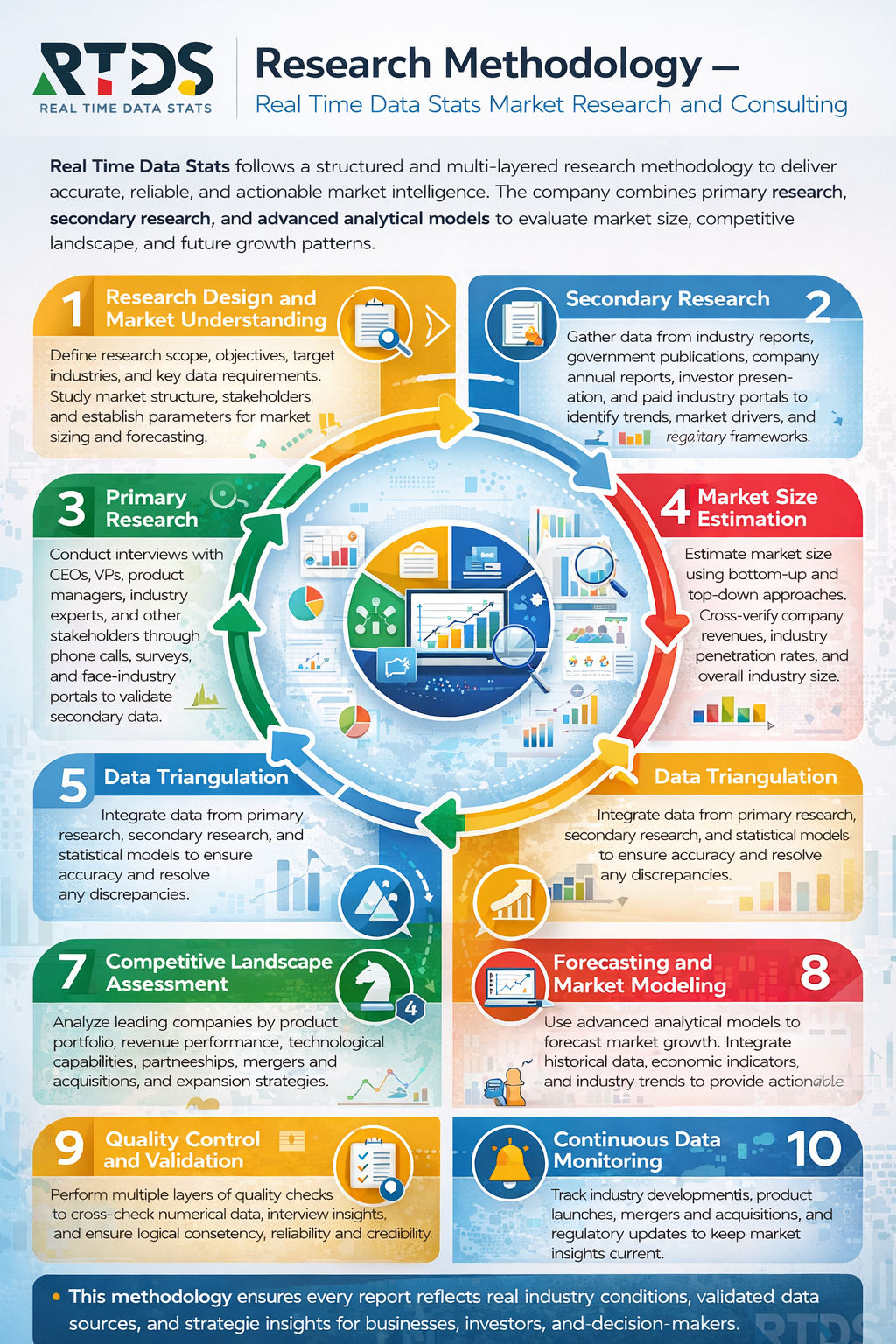
- Research Methodology
- Assumptions and Limitations
- Data Sources and Validation
Market Dynamics
- Market Drivers
- Market Restraints
- Market Opportunities
- Market Challenges
- Value Chain Analysis
Industry Ecosystem Analysis
- Regulatory Framework
- Technology Landscape
- Innovation Trends
- Patent Analysis
- Pricing Analysis
Reimbursement Scenario
- Supply Chain Analysis
- Porter’s Five Forces Analysis
- PESTLE Analysis
- SWOT Analysis
Impact of AI and Machine Learning Integration
- Impact of Cloud and Edge Computing
- Data Privacy and Ethical Considerations
- Adoption Trends Across Industries
- Investment and Funding Landscape
- Startup Ecosystem Analysis
- Mergers and Acquisitions
Product Launches and Developments
- Standardization and Compliance Trends
- Global Market Size and Forecast
- Historical Market Analysis
- Current Market Estimation
- Future Market Projections
Revenue Analysis
- Volume Analysis
- Regional Demand Outlook
- Growth Rate Analysis
- Market Share Analysis
- Opportunity Mapping
Neural Brain Analytics Market Segmentation Analysis
- By Type:
- Hardware
- Software
- Services
- Platforms
- Analytics Tools
- Cloud Solutions
- By Application:
- Healthcare & Diagnostics
- Neuro Marketing
- Brain-Computer Interface (BCI)
- Cognitive Research
- Education & Training
- Defense & Security
- By End-User:
- Hospitals & Clinics
- Research Institutes
- Pharmaceuticals & Biotech
- Academic & Educational Institutes
- Government & Defense
- Consumer Electronics Companies
- By Technology:
- EEG-based Analytics
- fMRI-based Analytics
- MEG-based Analytics
- PET-based Analytics
- Near-Infrared Spectroscopy (NIRS)
- AI & Machine Learning-based Analytics
- By Component:
- Sensors
- Processors
- Memory Units
- Data Storage
- Connectivity Modules
- Software Interfaces
- By Deployment Mode:
- On-Premises
- Cloud-based
- Hybrid
- Edge Computing
- Mobile Applications
- Web-based Platforms
- By Functionality:
- Real-time Monitoring
- Predictive Analytics
- Cognitive Mapping
- Brain Pattern Recognition
- Decision Support
- Performance Optimization
- By Industry Vertical:
- Healthcare
- Automotive
- Consumer Electronics
- Defense & Aerospace
- Education
- Retail & Marketing
- By User Type:
- Individual Users
- Small & Medium Enterprises (SMEs)
- Large Enterprises
- Research Professionals
- Medical Practitioners
- Technology Developers
Regional Analysis
- North America Market Insights
- Europe Market Insights
- Asia Pacific Market Insights
- Latin America Market Insights
- Middle East & Africa Market Insights
Country-Level Analysis
- Import-Export Trends
- Regional Policy Landscape
- Regional Technology Adoption Trends
Competitive Landscape
- Company Market Share Analysis
- Strategic Initiatives
- Product Portfolio Analysis
- Financial Performance Benchmarking
- R&D Investments
- Partnership and Collaboration Trends
Competitive Positioning Matrix
- Brand Presence and Recognition
- Distribution Network Analysis
- Company Profiles
- Business Overview
- Product Offerings
- Financial Highlights
- Geographic Presence
- Strategic Developments
- SWOT Analysis
Emerging Trends and Future Outlook
- Disruptive Technologies
- Future Innovation Pipelines
- Long-Term Market Opportunities
- Consumer Behavior Evolution
- Digital Transformation Influence
Conclusion
- Summary of Market Trends
- Key Drivers and Restraints
- Growth Opportunities
- Technology & Innovation Outlook
- Future Market Forecast
Appendix
- Abbreviations
- Glossary of Terms
- Research Method References
- Disclaimer
List of Tables
- Table: 1: Global Neural Brain Analytics Market Size Overview
- Table: 2: Market Growth Rate Comparison by Region
- Table: 3: Component Revenue Distribution
- Table: 4: Deployment Mode Adoption Rates
- Table: 5: Application-Wise Revenue Share
- Table: 6: End User Demand Analysis
- Table: 7: Regional Market Forecast
- Table: 8: Country-Level Revenue Estimates
- Table: 9: Competitive Market Share
- Table: 10: Investment and Funding Statistics
- Table: 11: Pricing Trend Analysis
- Table: 12: Technology Adoption Index
- Table: 13: Regulatory Compliance Overview
- Table: 14: Patent Filing Statistics
- Table: 15: Mergers and Acquisitions Summary
List of Figures
- Figure: 1: Neural Brain Analytics Market Value Chain
- Figure: 2: Market Dynamics Overview
- Figure: 3: Porter’s Five Forces Model
- Figure: 4: PESTLE Analysis Chart
- Figure: 5: Global Revenue Trend Graph
- Figure: 6: Regional Market Share Pie Chart
- Figure: 7: Component Segmentation Diagram
- Figure: 8: Deployment Mode Illustration
- Figure: 9: Application Mapping Visual
- Figure: 10: End User Distribution Chart
- Figure: 11: Competitive Positioning Matrix
- Figure: 12: Investment Flow Diagram
- Figure: 13: Technology Evolution Timeline
- Figure: 14: Innovation Landscape Map
- Figure: 15: Future Market Opportunity Projection Graph
Neural Brain Analytics Market Key Factors
Drivers:
- Rising neurological disorder prevalence increases demand for advanced diagnostic tools.
- Advancements in neuroimaging and sensor technologies enhance data collection and analysis.
- Growing adoption of AI and machine learning unlocks complex brain pattern recognition.
Restraints:
- High technology costs limit accessibility for smaller clinics and developing regions.
- Data privacy and security concerns create regulatory and ethical hurdles.
- A shortage of skilled professionals slows analysis and interpretation.
Opportunities:
- Expanding into mental health and wellness applications opens new consumer and clinical markets.
- Integrating with telehealth platforms enables remote patient monitoring and care.
- Developing non-invasive and portable devices encourages broader screening and adoption.
Challenges:
- Standardizing data across diverse collection methods remains difficult.
- Translating complex analytical insights into actionable clinical decisions poses a barrier.
- Navigating inconsistent global regulatory frameworks complicates market entry.
Neural Brain Analytics Market Key Regional Trends
North America:
- Strong adoption of AI-driven diagnostics propels advanced research and clinical integration.
- Strategic collaborations between tech firms and healthcare providers accelerate product development.
- Heightened focus on regulatory standards for data security and algorithm validation shapes the market.
Europe:
- Stringent GDPR regulations prioritize patient data privacy in all analytics platforms.
- Public and private funding strongly supports neurotechnology research initiatives.
- Growth in preventive healthcare increases demand for cognitive assessment and monitoring tools.
Asia-Pacific:
- Rapidly expanding healthcare infrastructure invests in modern neurological care.
- Rising awareness and screening for age-related neurological disorders fuel market growth.
- Increasing research partnerships and local manufacturing reduce technology costs.
Rest of the World:
- Focused investments target high-burden neurological diseases in specific regions.
- Adoption progresses slowly, constrained by limited specialist access and high costs.
- Pilot programs and international aid introduce foundational technologies and build capacity.
Frequently Asked Questions
Key Questions Answered
- What is the size and growth rate of the market industry?
- What are the main drivers influencing market growth trends?
- What are the key challenges and restraints faced by the market?
- What are the emerging trends and opportunities shaping the market?
- Who are the top players, and what strategies drive their success?
- What are the customer demographics and their buying behaviors?
- What are the key market segments, and what is their scope?
- What are the geographical dynamics, and which region dominates?
- What are the market forecasts and projections for the next decade?
- What regulatory factors are critical to consider for market growth?
Why Choose our Company?
- Major facts and stats backing every report we offer.
- Comprehensive analysis tailored to your business needs.
- Accurate insights backed by extensive market research.
- Expert support to address your queries promptly.
- Data-driven strategies for better decision-making.
- In-depth reports with actionable
recommendations. - Reliable statistics from trusted industry
sources. - Customizable reports to suit your specific goals.
- Unmatched quality and precision in market analysis.
- Competitive pricing with premium content delivery.
Share your experience!
We value you feedback. Please take a moment to review your experience with us.