
According to insights from Real Time Data Stats, the Neural Axon Regeneration Market was valued at USD 2.55 billion in 2025. It is expected to grow from USD 2.95 billion in 2026 to USD 8.22 billion by 2033, registering a CAGR of 15.8% during the forecast period (2026–2033).
MARKET SIZE AND SHARE
The neural axon regeneration market is driven by the rising prevalence of neurological disorders and spinal cord injuries worldwide. Current market share is concentrated among key biopharmaceutical companies with active clinical pipelines, supported by increasing research funding and technological advancements in regenerative medicine, stem cell therapy, and biomaterials.
Market share is expected to evolve as new entrants commercialize innovative regenerative therapies and advanced treatment platforms. Growth is further supported by aging populations, improved diagnostic capabilities, and expanding healthcare investments. Strategic collaborations between academic institutions and industry participants will accelerate commercialization and broaden the addressable patient population throughout the forecast period.
INDUSTRY OVERVIEW AND STRATEGY
The neural axon regeneration industry focuses on repairing damaged central and peripheral nervous systems. It encompasses pharmaceuticals, biomaterial scaffolds, cell-based therapies, and neuromodulation devices. The landscape is highly research-intensive, with numerous entities progressing from preclinical to clinical trial stages. The overarching strategy involves targeting unmet medical needs in conditions like stroke, traumatic brain injury, and neurodegenerative diseases through innovative biologic and engineering solutions.
Core competitive strategies include securing robust intellectual property portfolios and pursuing regulatory pathways for breakthrough designations. Companies are leveraging strategic alliances to combine expertise in neurobiology with drug delivery platforms. A key strategic focus is the development of combination therapies that integrate multiple mechanisms to overcome the inhibitory CNS environment. Success hinges on demonstrating significant functional recovery in patients to ensure market adoption and favorable reimbursement.
Analyst Key Takeaways:
Neural axon regeneration is emerging as a critical area within neuroregenerative medicine, driven by increasing research efforts focused on repairing damaged neural pathways associated with spinal cord injuries, peripheral nerve disorders, and neurodegenerative diseases. Advances in stem cell therapies, tissue-engineered scaffolds, biomaterials, and growth factor-based treatments are accelerating the development of next-generation regenerative solutions that promote functional nerve recovery and improve patient outcomes.
The market is expected to benefit from growing investments in regenerative medicine, expanding clinical trials, and increasing collaboration between biotechnology companies, research institutes, and healthcare organizations. Technological innovations in nerve guidance conduits, gene therapies, and bioengineered neural repair platforms are creating new opportunities, while rising demand for effective treatments for neurological conditions continues to support long-term market expansion.
REGIONAL TRENDS AND GROWTH
North America holds the largest market share, driven by advanced healthcare infrastructure, high R&D investment, and supportive regulatory frameworks. Europe follows, with strong academic research and growing public-private partnerships. The Asia-Pacific region exhibits the highest growth potential, fueled by increasing healthcare expenditure, rising trauma cases, and government initiatives in biomedical research. Latin America and MEA are emerging markets with growing clinical trial activities and improving access to advanced therapies.
Primary growth drivers include the increasing global burden of neurological disorders and technological breakthroughs. Key restraints are high therapy costs, complex regulatory hurdles, and the biologically challenging CNS environment. Opportunities lie in personalized medicine, gene therapy advancements, and novel biomaterials. Major challenges involve demonstrating long-term efficacy and safety in clinical trials, achieving scalable manufacturing, and navigating heterogeneous reimbursement landscapes across different regions.
NEURAL AXON REGENERATION MARKET SEGMENTATION ANALYSIS
BY TYPE:
The market segmented by type is strongly driven by advances in neurobiology and regenerative medicine, with neurotrophic factors, stem cell therapy, gene therapy, biomaterials, small molecules, and cell-based therapies shaping innovation trajectories. Neurotrophic factors remain critical due to their ability to promote neuron survival and axonal growth, particularly in early-stage regenerative interventions. Stem cell and cell-based therapies are gaining strong momentum as they address irreversible neuronal damage by enabling tissue regeneration and functional recovery. Meanwhile, gene therapy is emerging as a disruptive force, supported by CRISPR and viral vector advancements that enable targeted axonal repair at the molecular level.
However, market adoption varies significantly by type due to cost structures, regulatory hurdles, and clinical validation timelines. Biomaterials and small molecules benefit from faster translational pathways and scalable manufacturing, making them attractive for near-term commercialization. In contrast, gene and stem cell therapies face longer approval cycles and higher investment risks, though they command strong long-term growth potential. The balance between innovation intensity and regulatory feasibility remains a dominant factor influencing competitive positioning across type-based segmentation.
BY APPLICATION:
Application-based segmentation is primarily influenced by the rising global burden of neurological injuries and disorders, particularly spinal cord injury, traumatic brain injury, and peripheral nerve injury. Spinal cord injury dominates due to the high unmet clinical need and lack of curative therapies, driving extensive research funding and clinical trials. Peripheral nerve injury represents a comparatively mature segment with higher treatment accessibility, supported by surgical integration and regenerative scaffolds. Stroke and optic nerve injury applications are expanding as regenerative therapies shift focus from symptom management to neural repair.
Neurodegenerative disorders such as Alzheimer’s and Parkinson’s disease are reshaping application dynamics by attracting long-term investment and public-private collaborations. Despite slower clinical outcomes, these applications represent high-value opportunities due to large patient populations and chronic treatment demand. The variability in disease pathology, treatment duration, and reimbursement frameworks significantly impacts adoption rates across applications, making clinical success probability a central determinant of segment growth.
BY PRODUCT TYPE:
Product-based segmentation reflects the convergence of pharmaceuticals, biologics, medical devices, and combination products within neural regeneration strategies. Drugs and biologics continue to dominate revenue contribution due to established distribution channels and physician familiarity. Biologics, in particular, benefit from targeted mechanisms and improved efficacy in neural repair. Medical devices such as nerve conduits and scaffolds play a critical enabling role, especially in peripheral nerve regeneration and post-surgical recovery.
Combination products and cell cultures represent the fastest-growing product categories, driven by integrated therapeutic approaches that enhance treatment outcomes. However, complex manufacturing, regulatory classification challenges, and pricing pressures limit rapid scale-up. Market growth within this segment is heavily influenced by product safety profiles, ease of administration, and compatibility with existing treatment protocols, making commercialization strategy a key success factor.
BY MECHANISM OF ACTION:
Mechanism-based segmentation is defined by biological pathways that enable axonal repair, including axonal guidance, neuroprotection, neurogenesis, synaptic plasticity, inflammation modulation, and myelination enhancement. Neuroprotection and inflammation modulation dominate current clinical adoption due to their immediate impact on preventing secondary neural damage. Axonal guidance and myelination enhancement are gaining attention as next-generation strategies aimed at restoring functional connectivity rather than merely halting degeneration.
The complexity of neural signaling pathways presents both opportunity and limitation within this segment. Therapies targeting single mechanisms often demonstrate limited efficacy, driving increased focus on multi-mechanism approaches. As understanding of neural microenvironments improves, mechanism-driven therapies are expected to gain precision, with success dependent on biomarker development and personalized treatment frameworks.
BY THERAPY TYPE:
Therapy-type segmentation highlights the transition from conventional pharmacological therapies to advanced regenerative solutions such as cell therapy, gene editing, and tissue engineering. Pharmacological therapies continue to lead in adoption due to affordability and regulatory familiarity, while cell and gene therapies represent high-impact but high-risk segments. Tissue engineering therapies are expanding steadily, particularly in surgical and trauma-related applications, supported by advances in scaffold design and biocompatibility.
Combination therapy approaches are emerging as the most promising growth avenue, addressing the multifactorial nature of neural damage. Despite strong clinical rationale, therapy adoption remains constrained by cost, infrastructure requirements, and long-term outcome uncertainty. Market success in this segment is increasingly tied to clinical evidence strength and payer acceptance.
BY END USER:
End-user segmentation is shaped by healthcare infrastructure, research intensity, and commercialization capacity. Hospitals dominate due to their role in acute injury management and advanced surgical interventions. Specialty clinics are expanding their share as regenerative therapies move toward outpatient and rehabilitative settings. Research institutes and academic laboratories play a foundational role by driving early-stage innovation and clinical validation.
Biotechnology and pharmaceutical companies represent the commercial backbone of the market, translating research into scalable therapies. Their dominance is influenced by R&D investment capacity, intellectual property strength, and strategic partnerships. End-user growth is closely linked to funding availability, skilled workforce access, and regulatory alignment.
BY ROUTE OF ADMINISTRATION:
Route of administration significantly impacts treatment efficacy, patient compliance, and clinical feasibility. Intravenous and intrathecal routes dominate due to controlled delivery and systemic reach, particularly in CNS disorders. Intracerebral administration, while highly targeted, remains limited to severe cases due to invasiveness and procedural risk. Oral and topical routes offer convenience but face bioavailability and blood-brain barrier challenges.
Implantable delivery systems are emerging as a transformative segment, enabling sustained and localized therapy release. However, technical complexity and surgical requirements restrict widespread adoption. Route selection remains heavily influenced by disease type, therapy nature, and safety considerations.
BY DISEASE INDICATION:
Disease-based segmentation reflects varying levels of clinical urgency and therapeutic complexity. Alzheimer’s and Parkinson’s diseases command strong research investment due to high prevalence and economic burden, despite slow clinical translation. Multiple sclerosis and ALS benefit from clearer inflammatory and neurodegenerative pathways, enabling more targeted regenerative strategies.
Diabetic neuropathy and Huntington’s disease represent niche but growing segments, supported by increasing diagnosis rates and improved disease awareness. Disease progression speed, treatment window, and outcome measurability are dominant factors determining market penetration within this segment.
BY AGE GROUP:
Age-group segmentation highlights distinct treatment priorities and risk profiles. Adult and geriatric populations dominate market demand due to higher incidence of neurodegenerative disorders and stroke. Geriatric patients, in particular, drive demand for minimally invasive and long-term regenerative solutions. Pediatric and adolescent segments remain smaller but critical, especially in congenital and trauma-related nerve injuries.
Therapeutic development for younger populations faces ethical, regulatory, and dosing challenges, limiting rapid adoption. Age-specific treatment customization and safety validation are increasingly important as precision medicine approaches evolve within neural regeneration.
RECENT DEVELOPMENTS
- In Jan 2024: Lineage Cell Therapeutics reported positive interim data from its OPC1 cell therapy program for spinal cord injury, showing continued motor recovery in patients four years post-transplantation.
- In Apr 2024: AstraZeneca entered a strategic research collaboration with Atsena Therapeutics to develop novel gene therapies targeting inherited eye diseases involving photoreceptor axon regeneration.
- In Aug 2024: AbbVie announced the acquisition of Gossamer Bio, gaining access to its Phase 2-ready SEMA4D inhibitor, seralutinib, for pulmonary hypertension, a candidate with potential neuro-regenerative properties.
- In Nov 2024: Biogen advanced its anti-Nogo receptor program, initiating a new Phase 2 trial combining its investigational agent with rehabilitation for acute spinal cord injury patients.
- In Feb 2025: Roche and Genentech presented new preclinical data on a proprietary antibody designed to promote axon regeneration and functional recovery in models of optic nerve injury.
KEY PLAYERS ANALYSIS
- Biogen
- Novartis AG
- Roche Holding AG (Genentech)
- AstraZeneca
- Pfizer Inc.
- Abbott Laboratories
- Medtronic plc
- Boston Scientific Corporation
- AbbVie Inc.
- Merck & Co., Inc.
- Bristol-Myers Squibb Company
- GlaxoSmithKline plc
- Teva Pharmaceutical Industries Ltd.
- Mylan N.V.
- Allergan plc (AbbVie)
- Vertex Pharmaceuticals Incorporated
- Regeneron Pharmaceuticals, Inc.
- Ionis Pharmaceuticals, Inc.
- Lineage Cell Therapeutics, Inc.
- Sangamo Therapeutics, Inc.
Neural Axon Regeneration Market Segmentation Analysis
By Type:
- Neurotrophic Factors
- Stem Cell Therapy
- Gene Therapy
- Biomaterials
- Small Molecules
- Cell-Based Therapies
By Application:
- Spinal Cord Injury
- Traumatic Brain Injury
- Peripheral Nerve Injury
- Stroke
- Neurodegenerative Disorders
- Optic Nerve Injury
By Product Type:
- Drugs
- Biologics
- Medical Devices
- Cell Cultures
- Scaffolds
- Combination Products
By Mechanism of Action:
- Axonal Guidance
- Neuroprotection
- Neurogenesis
- Synaptic Plasticity
- Inflammation Modulation
- Myelination Enhancement
By Therapy Type:
- Cell Therapy
- Gene Editing Therapy
- Pharmacological Therapy
- Tissue Engineering Therapy
- Protein-Based Therapy
- Combination Therapy
By End User:
- Hospitals
- Specialty Clinics
- Research Institutes
- Academic Laboratories
- Biotechnology Companies
- Pharmaceutical Companies
By Route of Administration:
- Intravenous
- Intrathecal
- Intracerebral
- Oral
- Topical
- Implantable
By Disease Indication:
- Alzheimer’s Disease
- Parkinson’s Disease
- Multiple Sclerosis
- Amyotrophic Lateral Sclerosis
- Huntington’s Disease
- Diabetic Neuropathy
By Age Group:
- Pediatric
- Adolescent
- Young Adult
- Adult
- Geriatric
- All Age Groups
By Geography:
- North America (USA, Canada, Mexico)
- Europe (UK, Germany, France, Italy, Spain, Rest of Europe)
- Asia-Pacific (China, Japan, Australia, South Korea, India, Rest of Asia-Pacific)
- South America (Brazil, Argentina, Rest of South America)
- Middle East and Africa (GCC Countries, South Africa, Rest of MEA)
Neural Axon Regeneration Market: Table of Contents
Introduction
- Market Definition
- Scope of the Study
- Market Taxonomy
- Research Objectives
- Study Assumptions and Limitations
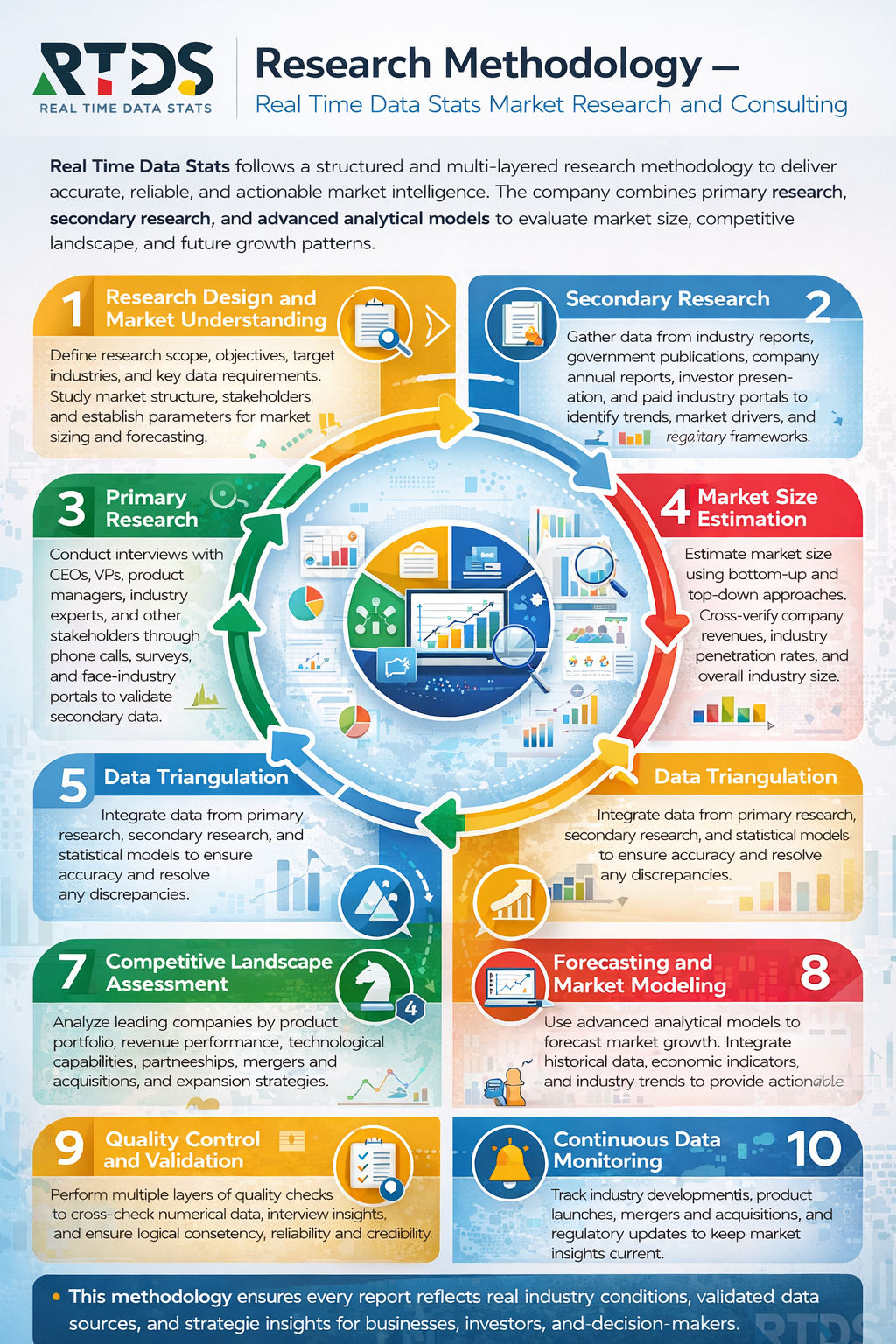
Research Methodology
- Primary Research
- Secondary Research
- Data Triangulation
- Market Estimation Approach
- Forecasting Methodology
Executive Summary
- Market Snapshot
- Key Market Highlights
- Key Trends Overview
- Strategic Recommendations
Market Dynamics
- Market Drivers
- Market Restraints
- Market Opportunities
- Market Challenges
Regulatory Landscape
- Neural Axon Regeneration Market Analysis
- Market Overview
- Market Size and Forecast
- Market Growth Rate Analysis
- Market Attractiveness Analysis
- Value Chain Analysis
- Pricing Analysis
Neural Axon Regeneration Market Segmentation Analysis
- By Type
- Neurotrophic Factors
- Stem Cell Therapy
- Gene Therapy
- Biomaterials
- Small Molecules
- Cell-Based Therapies
- By Application
- Spinal Cord Injury
- Traumatic Brain Injury
- Peripheral Nerve Injury
- Stroke
- Neurodegenerative Disorders
- Optic Nerve Injury
- By Product Type
- Drugs
- Biologics
- Medical Devices
- Cell Cultures
- Scaffolds
- Combination Products
- By Mechanism of Action
- Axonal Guidance
- Neuroprotection
- Neurogenesis
- Synaptic Plasticity
- Inflammation Modulation
- Myelination Enhancement
- By Therapy Type
- Cell Therapy
- Gene Editing Therapy
- Pharmacological Therapy
- Tissue Engineering Therapy
- Protein-Based Therapy
- Combination Therapy
- By End User
- Hospitals
- Specialty Clinics
- Research Institutes
- Academic Laboratories
- Biotechnology Companies
- Pharmaceutical Companies
- By Route of Administration
- Intravenous
- Intrathecal
- Intracerebral
- Oral
- Topical
- Implantable
- By Disease Indication
- Alzheimer’s Disease
- Parkinson’s Disease
- Multiple Sclerosis
- Amyotrophic Lateral Sclerosis
- Huntington’s Disease
- Diabetic Neuropathy
- By Age Group
- Pediatric
- Adolescent
- Young Adult
- Adult
- Geriatric
- All Age Groups
Regional Market Analysis
- North America Market Overview
- Europe Market Overview
- Asia Pacific Market Overview
- Latin America Market Overview
- Middle East Market Overview
- Africa Market Overview
Competitive Landscape
- Market Share Analysis
- Competitive Benchmarking
- Company Profiles
- Strategic Developments
- Mergers and Acquisitions
- Collaborations and Partnerships
Technology and Innovation Analysis
- Emerging Technologies
- R&D Pipeline Analysis
- Patent Landscape
- Clinical Trial Overview
Investment and Funding Analysis
- Venture Capital Trends
- Government Funding
- Private Investments
- Grant Analysis
Future Outlook
- Market Forecast
- Emerging Opportunities
- Strategic Growth Areas
Conclusion
- Summary of Market Trends
- Key Drivers and Restraints
- Growth Opportunities
- Technology & Innovation Outlook
- Future Market Forecast
Appendix
- Abbreviations
- Data Sources
- Methodology Notes
- Disclaimer
List of Tables
- Table:1: Global Neural Axon Regeneration Market Overview
- Table:2: Market Size by Type
- Table:3: Market Size by Application
- Table:4: Market Size by Product Type
- Table:5: Market Size by Mechanism of Action
- Table:6: Market Size by Therapy Type
- Table:7: Market Size by End User
- Table:8: Market Size by Route of Administration
- Table:9: Market Size by Disease Indication
- Table:10: Market Size by Age Group
- Table:11: Regional Market Size Comparison
- Table:12: North America Market Breakdown
- Table:13: Europe Market Breakdown
- Table:14: Asia Pacific Market Breakdown
- Table:15: Competitive Landscape Snapshot
List of Figures
- Figure:1: Neural Axon Regeneration Market Overview
- Figure:2: Market Segmentation Framework
- Figure:3: Market Dynamics Impact Analysis
- Figure:4: Value Chain Analysis
- Figure:5: Market Size Trend Analysis
- Figure:6: Market Share by Type
- Figure:7: Market Share by Application
- Figure:8: Market Share by Product Type
- Figure:9: Market Share by Therapy Type
- Figure:10: Regional Market Share Analysis
- Figure:11: Competitive Landscape Mapping
- Figure:12: Technology Evolution Roadmap
- Figure:13: Clinical Pipeline Distribution
- Figure:14: Investment Trend Analysis
- Figure:15: Future Market Outlook
Neural Axon Regeneration Market: Key Factors
Drivers:
- Rising incidence of spinal cord injuries and neurodegenerative disorders expands the patient pool.
- Advancements in biomaterial science and neurotrophic factors enhance therapeutic potential.
- Increased public and private funding accelerates research and clinical translation.
Restraints:
- The complex pathophysiology of the central nervous system limits treatment efficacy.
- High costs associated with regenerative therapies and prolonged rehabilitation restrict access.
- Stringent regulatory pathways and lengthy approval processes delay market entry.
Opportunities:
- Emerging gene therapy and stem cell technologies open novel treatment avenues.
- Growing partnerships between academia and biopharma firms foster innovation.
- Rising healthcare investment in emerging economies creates new markets.
Challenges:
- Achieving functional recovery beyond anatomical regeneration remains difficult.
- Potential for off-target effects and immune rejection poses safety concerns.
- Inadequate standardized assessment tools complicate the measurement of clinical outcomes.
Neural Axon Regeneration Market: Key Regional Trends
North America:
- Dominant R&D activity focuses on advanced biotech and neuroprosthetic solutions.
- Strong venture capital investment fuels startup growth and clinical trials.
- Collaborative networks between top research institutes and industry leaders accelerate development.
Europe:
- Public health systems drive demand for cost-effective regenerative therapies.
- Supportive regulatory frameworks for advanced therapy medicinal products (ATMPs) encourage innovation.
- Significant research emphasizes biomaterial scaffolds and combinatorial approaches.
Asia-Pacific:
- Government initiatives increase funding for neuroscience and regenerative medicine research.
- Rising medical tourism and improving healthcare infrastructure boost market access.
- Growing prevalence of neural injuries spurs local biotechnology development and partnerships.
Rest of the World:
- Focus remains on improving trauma care and rehabilitation infrastructure.
- International collaborations and aid programs facilitate technology transfer.
- Economic constraints limit widespread adoption, prioritizing essential neuro-care.
Frequently Asked Questions
Key Questions Answered
- What is the size and growth rate of the market industry?
- What are the main drivers influencing market growth trends?
- What are the key challenges and restraints faced by the market?
- What are the emerging trends and opportunities shaping the market?
- Who are the top players, and what strategies drive their success?
- What are the customer demographics and their buying behaviors?
- What are the key market segments, and what is their scope?
- What are the geographical dynamics, and which region dominates?
- What are the market forecasts and projections for the next decade?
- What regulatory factors are critical to consider for market growth?
Why Choose our Company?
- Major facts and stats backing every report we offer.
- Comprehensive analysis tailored to your business needs.
- Accurate insights backed by extensive market research.
- Expert support to address your queries promptly.
- Data-driven strategies for better decision-making.
- In-depth reports with actionable
recommendations. - Reliable statistics from trusted industry
sources. - Customizable reports to suit your specific goals.
- Unmatched quality and precision in market analysis.
- Competitive pricing with premium content delivery.
Share your experience!
We value you feedback. Please take a moment to review your experience with us.