
According to insights from Real Time Data Stats, the Island-Based Microgrid Energy Storage Market was valued at USD 3.31 billion in 2025. It is expected to grow from USD 3.91 billion in 2026 to USD 12.59 billion by 2033, registering a CAGR of 18.3% during the forecast period (2026–2033).
MARKET SIZE AND SHARE
The island-based microgrid energy storage market is driven by the urgent need for energy independence and renewable integration. This expansion reflects rising investment in replacing costly and unreliable diesel generation with resilient, sustainable power systems across remote and island communities, creating a strong new energy infrastructure segment.
Market share will be contested by leading battery technology providers, system integrators, and specialized engineering firms. Lithium-ion batteries will dominate initially, while flow batteries and green hydrogen storage gain traction over time. The competitive landscape will evolve as regional players and global energy companies compete for leadership in this high-growth, project-driven market, shaped by customized solutions for diverse island geographies and regulatory frameworks.
INDUSTRY OVERVIEW AND STRATEGY
This industry focuses on providing integrated energy storage solutions for island microgrids, which are localized power networks that can operate independently. These systems are critical for islands to harness solar, wind, and other renewable sources, ensuring grid stability and reducing fossil fuel dependence. The sector encompasses technology providers, developers, and financiers collaborating on complex projects that address unique geographical and logistical challenges inherent to island energy delivery.
Core strategy for players involves forming strategic alliances with local utilities and governments to secure long-term contracts. Success hinges on offering comprehensive solutions combining advanced battery storage, energy management software, and reliable service. Providers must navigate intricate regulatory environments and secure favorable financing, while strategically positioning their technology portfolio to meet both immediate reliability needs and long-term decarbonization goals of island communities.
REGIONAL TRENDS AND GROWTH
Regional trends show strong growth in the Asia-Pacific, led by archipelagos like Indonesia and the Philippines seeking to electrify remote islands. The Caribbean is a key market, driven by hurricane resilience needs. Europe focuses on technical innovation for EU island clean energy transitions, while the Pacific Islands are early adopters of solar-plus-storage systems. Each region presents distinct regulatory and funding landscapes that shape project development and technology adoption rates.
Primary growth drivers include falling battery costs, climate change imperatives, and government incentives. Key restraints are high initial capital expenditure and complex project logistics. Opportunities lie in green hydrogen integration and innovative financing models. The major challenge is designing systems resilient to extreme weather and corrosive environments, while ensuring local capacity building for long-term operation and maintenance of these critical energy assets.
ISLAND-BASED MICROGRID ENERGY STORAGE MARKET SEGMENTATION ANALYSIS
BY TYPE:
Lithium-ion battery storage dominates the island-based microgrid energy storage market due to high energy density, long cycle life, and declining costs. Its rapid response and scalable design allow for effective integration with renewable sources, particularly solar and wind, enhancing grid stability in island environments. Lead-acid batteries maintain relevance in cost-sensitive regions due to lower upfront costs, while flow and sodium-based batteries gain traction for large-scale storage applications. Flywheels and hydrogen storage address peak load requirements and provide backup capabilities, creating a versatile storage portfolio.
Technological innovation drives adoption across all battery types. The increasing deployment of hybrid microgrids combining multiple storage technologies ensures optimal reliability and energy efficiency. Moreover, regulatory incentives and government subsidies for clean energy storage accelerate market penetration. Operational safety, lifecycle management, and modularity remain key decision factors for utilities and private operators. Battery recycling infrastructure and supply chain robustness also shape type preferences, particularly for island territories where logistics and import constraints demand high-performance, low-maintenance energy storage solutions.
BY APPLICATION:
Residential microgrids lead market adoption due to growing demand for energy independence and reliable backup during outages. Commercial and industrial microgrids are rapidly integrating energy storage to reduce operational costs, enhance sustainability, and meet stringent energy efficiency targets. Community microgrids enable shared energy access in remote island regions, while military and defense installations prioritize high-security, uninterrupted power supply. Remote infrastructure facilities, such as telecom towers or ports, leverage storage solutions to mitigate grid instability and reduce diesel dependency.
Energy resilience, cost savings, and sustainability drive application deployment. Residential microgrids benefit from government incentives and smart home integration, while commercial installations focus on peak shaving and demand response optimization. Industrial users prioritize large-capacity systems for continuous operations, with IoT-enabled monitoring improving asset performance. Community microgrids encourage local ownership models, enhancing social acceptance. Military and remote applications emphasize reliability, redundancy, and rapid deployability, ensuring energy security in challenging island geographies.
BY ENERGY SOURCE INTEGRATION:
Solar-based microgrids dominate due to abundant sunlight availability on islands, cost reductions in PV modules, and strong policy support. Wind-based microgrids complement solar intermittency, particularly in coastal and elevated regions. Hybrid renewable microgrids maximize energy utilization, combining solar, wind, and storage to stabilize island grids. Diesel-integrated microgrids remain relevant for backup, ensuring reliability during renewable shortfalls. Tidal and biomass energy integration is emerging, providing sustainable alternatives while reducing carbon footprints in sensitive island ecosystems.
Integration strategies focus on balancing intermittency and reliability. Solar-wind hybrid systems enhance energy efficiency, reduce operational costs, and minimize fuel dependency. Diesel backup ensures uninterrupted power during critical periods, while advanced controllers and energy management systems optimize generation and storage. Emerging tidal and biomass integration is driven by environmental regulations and sustainability initiatives. Investors and operators increasingly prioritize hybrid microgrids with automated load management, predictive maintenance, and real-time monitoring, ensuring stable, cost-effective energy supply in island communities.
BY STORAGE CAPACITY:
Low-capacity systems (<1 MWh) serve residential and small commercial applications, emphasizing modularity and cost-effectiveness. Medium-capacity systems (1–10 MWh) target industrial and community microgrids, balancing reliability and scalability. Large-capacity systems (10–50 MWh) enable significant renewable integration, particularly in island utilities, while extra-large systems (>50 MWh) support utility-scale operations and critical infrastructure. Capacity selection is influenced by load demand, grid reliability, and renewable penetration, ensuring optimal sizing for energy availability, redundancy, and cost efficiency.
Operational flexibility and scalability are dominant factors in capacity adoption. Modular systems allow incremental expansion, catering to evolving energy needs, while large-capacity installations focus on energy arbitrage and peak load management. Performance metrics, including depth of discharge, efficiency, and lifecycle, dictate capacity selection. Furthermore, financing models, government incentives, and tariff structures drive investments toward medium and large-scale systems. Island geographies favor capacities that minimize land use while maximizing reliability, ensuring uninterrupted power for residential, commercial, and critical applications.
BY POWER RATING:
Low-power systems (<500 kW) dominate small-scale microgrids, supporting residential and light commercial loads. Medium-power systems (500 kW–5 MW) serve industrial and community microgrids, while high-power ratings (5–25 MW) address utility-scale applications, integrating substantial renewable generation. Extra-large systems (>25 MW) are critical for island grids with dense populations or high industrial demand. Power rating choices are influenced by instantaneous load requirements, peak shaving needs, and grid stability, ensuring smooth energy flow and minimized curtailment of renewable generation.
Technological efficiency, cost-effectiveness, and safety govern adoption. Medium and high-power systems increasingly deploy smart controllers and predictive algorithms to optimize energy dispatch. Low-power systems emphasize modularity, ease of installation, and maintenance simplicity. Operational reliability and lifecycle performance remain essential for high-power applications, while financial and regulatory frameworks influence deployment scale. Island-based microgrids benefit from distributed power ratings to enhance redundancy, improve energy reliability, and optimize renewable integration, ensuring stable electricity supply across residential, commercial, and critical infrastructure.
BY CONNECTIVITY MODE:
Off-grid microgrids dominate isolated islands lacking grid access, providing energy independence and reliability. Grid-connected microgrids leverage utility networks for energy balancing, peak shaving, and demand response. Hybrid systems combine off-grid and grid-tied benefits, optimizing costs and stability. Islanded operation modes ensure resilience during grid failures, while transitioning grids enable phased integration of renewables. Emergency backup systems provide critical support for healthcare, defense, and industrial facilities, maintaining uninterrupted operations during outages or disasters.
Connectivity adoption is influenced by reliability, economics, and local policy. Off-grid systems prioritize self-sufficiency and low operating costs, whereas grid-connected systems emphasize energy efficiency and revenue generation through net metering. Hybrid and transitioning systems allow gradual integration of renewables, reducing risk and investment burden. Emergency systems require high availability, rapid response, and redundancy. Advanced monitoring, predictive maintenance, and automated control enhance operational reliability, making connectivity mode a critical factor for island microgrid energy storage deployment.
BY END USER:
Island utilities dominate the market due to responsibility for large-scale power supply and renewable integration. Government and municipal authorities deploy microgrids for public infrastructure and disaster resilience. Tourism and hospitality operators leverage energy storage for uninterrupted services and sustainability branding. Telecom and data centers prioritize reliability to maintain network continuity, while mining and resource facilities require high-capacity systems for industrial processes. Healthcare institutions focus on emergency backup and critical power supply, ensuring operational safety.
End-user adoption is driven by operational requirements, cost savings, and sustainability initiatives. Utilities focus on grid stability, energy arbitrage, and regulatory compliance. Governments implement microgrids to enhance community resilience and reduce emissions. Commercial and industrial users prioritize return on investment, reliability, and green certifications. Healthcare and telecom sectors demand redundancy, rapid response, and continuous monitoring. Across sectors, energy storage adoption is shaped by capacity needs, technology performance, and integration with renewable sources to optimize reliability and efficiency.
BY OWNERSHIP MODEL:
Utility-owned microgrids dominate, providing centralized control and economies of scale. Government-owned systems ensure energy access, resilience, and policy alignment. Private-owned systems cater to commercial or industrial operations seeking cost efficiency. Public–private partnerships combine investment efficiency and strategic expertise. Community-owned systems empower local stakeholders, promoting energy independence and social acceptance. Third-party owned systems provide turnkey solutions with minimal upfront costs, driving adoption in resource-constrained island regions.
Ownership choice is influenced by financing, operational expertise, and risk tolerance. Utility and government ownership prioritize grid stability and long-term sustainability. Private and third-party ownership focus on ROI, cost reduction, and operational efficiency. Community-owned models emphasize social equity and local empowerment. Public–private partnerships enable scalable deployment while sharing risks. Financial incentives, regulatory frameworks, and project complexity determine the preferred ownership model. Island-based microgrids benefit from diverse ownership structures to enhance deployment speed, operational reliability, and economic feasibility.
BY CONTROL & MANAGEMENT SYSTEM:
Centralized energy management systems dominate utility-scale microgrids, optimizing load dispatch and renewable integration. Decentralized systems empower local controllers to manage distributed generation and storage. AI-based energy optimization enhances predictive maintenance, demand forecasting, and operational efficiency. IoT-enabled monitoring ensures real-time performance visibility, while SCADA-based systems provide robust control for critical infrastructure. Predictive analytics platforms allow proactive energy management, minimizing downtime and improving storage utilization.
Adoption of control systems is driven by efficiency, reliability, and technological maturity. AI and IoT integration enhance operational intelligence and automation. Centralized and SCADA systems ensure stability in large networks, while decentralized models provide flexibility and resilience. Predictive analytics reduce operational risks and optimize energy flows. Island microgrids increasingly deploy hybrid control models combining local and central intelligence to maximize reliability, efficiency, and renewable utilization. Control system sophistication directly influences performance, cost-effectiveness, and scalability of energy storage solutions.
RECENT DEVELOPMENTS
- In Jan 2024: Tesla commissioned a solar-plus-storage microgrid on Turks and Caicos, featuring a 1.25 MW solar array and a 2.5 MWh Megapack battery system to significantly reduce diesel use.
- In Jul 2024: ABB and Hitachi Energy announced a strategic collaboration to offer integrated grid and battery storage solutions, specifically targeting island and remote microgrid projects for enhanced resilience.
- In Sep 2024: Fluence secured a contract for a 10 MW / 20 MWh battery storage system in French Polynesia, marking one of the largest single storage deployments in the South Pacific islands.
- In Nov 2024: Canadian Solar's e-STORAGE division announced the delivery of a 15 MWh SolBank battery system for a critical microgrid project on a Philippine island, replacing aging diesel generators.
- In Feb 2025: Wärtsilä launched a new grid-forming energy storage software platform designed specifically for island grids, enabling higher penetration of renewable energy sources without compromising stability.
KEY PLAYERS ANALYSIS
- Tesla
- Fluence
- Wärtsilä
- ABB
- Hitachi Energy
- Siemens Energy
- General Electric (GE)
- Schneider Electric
- Sungrow Power Supply
- CATL
- BYD
- LG Energy Solution
- Samsung SDI
- Enel Green Power
- Engie
- TotalEnergies
- Canadian Solar (e-STORAGE)
- NEC Energy Solutions (now part of LG)
- Saft (TotalEnergies)
- Aggreko (Enerflex)
Island-Based Microgrid Energy Storage Market Segmentation Analysis
By Type:
- Lithium-Ion Battery Storage
- Lead-Acid Battery Storage
- Flow Battery Storage
- Sodium-Based Battery Storage
- Flywheel Energy Storage
- Hydrogen Energy Storage
By Application:
- Residential Microgrids
- Commercial Microgrids
- Industrial Microgrids
- Community Microgrids
- Military & Defense Installations
- Remote Infrastructure Facilities
By Energy Source Integration:
- Solar-Based Microgrids
- Wind-Based Microgrids
- Hybrid Renewable Microgrids
- Diesel-Integrated Microgrids
- Tidal Energy Microgrids
- Biomass-Integrated Microgrids
By Storage Capacity:
- Less than 1 MWh
- 1–5 MWh
- 5–10 MWh
- 10–20 MWh
- 20–50 MWh
- Above 50 MWh
By Power Rating:
- Below 500 kW
- 500 kW–1 MW
- 1–5 MW
- 5–10 MW
- 10–25 MW
- Above 25 MW
By Connectivity Mode:
- Off-Grid Microgrids
- Grid-Connected Microgrids
- Hybrid Grid Systems
- Islanded Operation Mode
- Transitioning Grid Systems
- Emergency Backup Systems
By End User:
- Island Utilities
- Government & Municipal Authorities
- Tourism & Hospitality Operators
- Telecom & Data Centers
- Mining & Resource Facilities
- Healthcare Institutions
By Ownership Model:
- Utility-Owned Systems
- Government-Owned Systems
- Private-Owned Systems
- Public–Private Partnership Systems
- Community-Owned Systems
- Third-Party Owned Systems
By Control & Management System:
- Centralized Energy Management
- Decentralized Control Systems
- AI-Based Energy Optimization
- IoT-Enabled Monitoring Systems
- SCADA-Based Control Systems
- Predictive Analytics Platforms
By Geography:
- North America (USA, Canada, Mexico)
- Europe (UK, Germany, France, Italy, Spain, Rest of Europe)
- Asia-Pacific (China, Japan, Australia, South Korea, India, Rest of Asia-Pacific)
- South America (Brazil, Argentina, Rest of South America)
- Middle East and Africa (GCC Countries, South Africa, Rest of MEA)
Island-Based Microgrid Energy Storage Market: Table of Contents
Executive Summary
- Market Snapshot
- Key Findings
- Analyst Insights
- Strategic Recommendations
Introduction
- Market Definition
- Market Scope
- Research Objectives
- Study Period
- Currency Considered
- Limitations and Assumptions
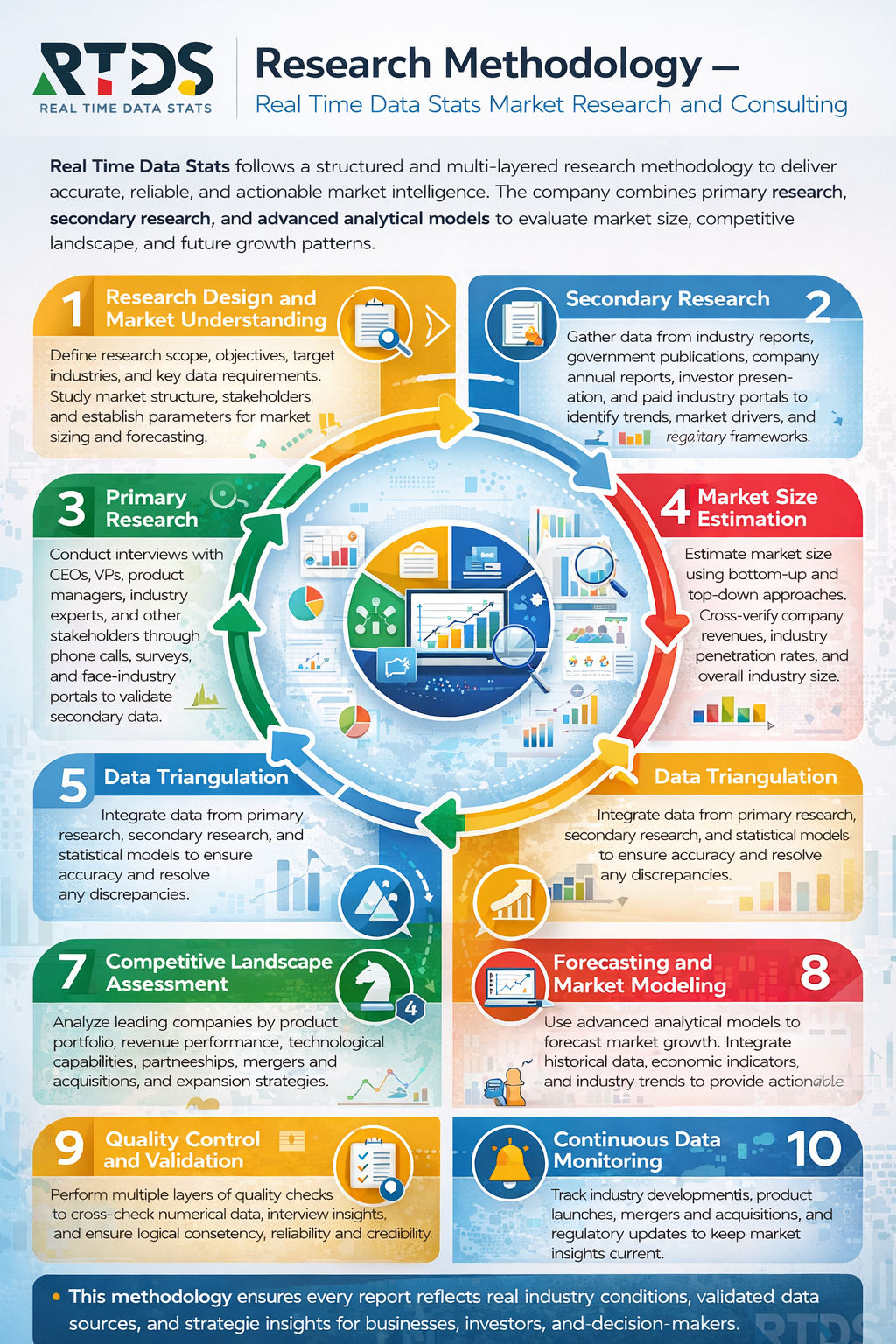
Research Methodology
- Primary Research
- Secondary Research
- Data Triangulation
- Market Estimation Techniques
- Validation Process
Market Overview
- Industry Evolution
- Ecosystem Analysis
- Stakeholder Mapping
- Technology Landscape
- Regulatory Framework
- Standards and Compliance
Market Dynamics
- Drivers
- Restraints
- Opportunities
- Challenges
- Trends
AI-Based Energy Management
- Battery Innovation
- Global Market Size and Forecast
- Historical Market Analysis
- Current Market Valuation
- Forecast Projections
- CAGR Analysis
- Demand–Supply Gap Analysis
Island-Based Microgrid Energy Storage Market Segmentation Analysis
- By Type:
- Lithium-Ion Battery Storage
- Lead-Acid Battery Storage
- Flow Battery Storage
- Sodium-Based Battery Storage
- Flywheel Energy Storage
- Hydrogen Energy Storage
- By Application:
- Residential Microgrids
- Commercial Microgrids
- Industrial Microgrids
- Community Microgrids
- Military & Defense Installations
- Remote Infrastructure Facilities
- By Energy Source Integration:
- Solar-Based Microgrids
- Wind-Based Microgrids
- Hybrid Renewable Microgrids
- Diesel-Integrated Microgrids
- Tidal Energy Microgrids
- Biomass-Integrated Microgrids
- By Storage Capacity:
- Less than 1 MWh
- 1–5 MWh
- 5–10 MWh
- 10–20 MWh
- 20–50 MWh
- Above 50 MWh
- By Power Rating:
- Below 500 kW
- 500 kW–1 MW
- 1–5 MW
- 5–10 MW
- 10–25 MW
- Above 25 MW
- By Connectivity Mode:
- Off-Grid Microgrids
- Grid-Connected Microgrids
- Hybrid Grid Systems
- Islanded Operation Mode
- Transitioning Grid Systems
- Emergency Backup Systems
- By End User:
- Island Utilities
- Government & Municipal Authorities
- Tourism & Hospitality Operators
- Telecom & Data Centers
- Mining & Resource Facilities
- Healthcare Institutions
- By Ownership Model:
- Utility-Owned Systems
- Government-Owned Systems
- Private-Owned Systems
- Public–Private Partnership Systems
- Community-Owned Systems
- Third-Party Owned Systems
- By Control & Management System:
- Centralized Energy Management
- Decentralized Control Systems
- AI-Based Energy Optimization
- IoT-Enabled Monitoring Systems
- SCADA-Based Control Systems
- Predictive Analytics Platforms
Regional Analysis
- North America
- Europe
- Asia Pacific
- Latin America
- Middle East & Africa
Competitive Landscape
- Market Share Analysis
- Company Profiles
- Strategic Developments
- Mergers & Acquisitions
- Partnerships
- Product Launches
- SWOT Analysis
Porter’s Five Forces Analysis
- Value Chain Analysis
- Raw Material Suppliers
- Component Manufacturers
- System Integrators
- End Users
Supply Chain Analysis
- Procurement Channels
- Distribution Networks
- Logistics Framework
- Pricing Analysis
Technology-Wise Pricing
- Regional Pricing Variations
- Cost Structure Breakdown
- Investment and Funding Landscape
- Venture Capital Trends
- Government Funding Programs
Private Investments
- Sustainability and Environmental Impact
- Carbon Emission Reduction
- Recycling and Waste Management
- Green Certification Standards
Risk Assessment
- Operational Risks
- Financial Risks
- Regulatory Risks
- Mitigation Strategies
Future Outlook
- Innovation Pipeline
- Emerging Business Models
- Long-Term Growth Opportunities
Conclusion
- Market summary
- Key findings
- Strategic insights
Appendix
- Glossary of Terms
- List of Abbreviations
- Data Sources
- Methodology Details
- Disclaimer
List of Tables
- Table:1: Global Market Size by Region
- Table:2: Technology Cost Comparison
- Table:3: Application Revenue Share
- Table:4: Ownership Model Distribution
- Table:5: Grid Connectivity Share
- Table:6: Power Rating Demand
- Table:7: Regional Investment Data
- Table:8: Key Company Revenues
- Table:9: Pricing Trends by Technology
- Table:10: Regulatory Comparison
- Table:11: Supply Chain Cost Structure
- Table:12: Environmental Impact Metrics
- Table:13: R&D Investment Overview
- Table:14: Market Forecast by Segment
- Table:15: Competitive Benchmarking
List of Figures
- Figure:1: Global Market Growth Trend
- Figure:2: Technology Adoption Curve
- Figure:3: Application Share Chart
- Figure:4: Regional Distribution Map
- Figure:5: Competitive Positioning Matrix
- Figure:6: Value Chain Diagram
- Figure:7: Supply Chain Flowchart
- Figure:8: Pricing Trend Graph
- Figure:9: Policy Impact Illustration
- Figure:10: Power Rating Demand Chart
- Figure:11: Investment Trend Graph
- Figure:12: Sustainability Impact Diagram
- Figure:13: Innovation Roadmap
- Figure:14: Forecast Projection Graph
- Figure:15: Strategic Opportunity Map
Island-Based Microgrid Energy Storage Market - Key Factors
Drivers:
- Rising fossil fuel costs increase operational expenses for conventional island power generation.
- Government policies and subsidies directly encourage renewable integration and storage adoption.
- Modern storage technologies enhance grid reliability and resilience against outages.
Restraints:
- High initial capital investment restricts project development and deployment.
- Complex logistics and installation escalate costs in remote island locations.
- Limited access to financing and project capital delays or cancels installations.
Opportunities:
- Falling prices for batteries and renewable components improve project economics.
- Hybrid systems combining solar, wind, and storage create more robust energy solutions.
- New business models, like energy-as-a-service, reduce upfront customer costs.
Challenges:
- Harsh marine environments accelerate equipment corrosion and wear.
- Scarce local technical expertise complicates operation and maintenance.
- Inconsistent or unclear regulatory frameworks hinder long-term project planning.
Island-Based Microgrid Energy Storage Market Key Regional Trends
North America:
- Focus on hardening critical infrastructure and community resilience against climate events.
- Utilities and developers actively pilot advanced storage technologies and control systems.
- State and federal funding increasingly targets indigenous and remote community energy projects.
Europe:
- Stringent EU decarbonization mandates drive phase-out of diesel generators on islands.
- Strong push for integrating offshore wind resources with island energy systems.
- Cross-border cooperation funds pilot projects sharing best practices across member states.
Asia Pacific:
- Rapid tourism growth spikes energy demand, accelerating renewable-plus-storage deployments.
- Government-led national electrification programs target thousands of remote islands.
- China's dominant manufacturing scale reduces supply chain costs for regional projects.
Caribbean & Latin America:
- High vulnerability to hurricanes prioritizes storm-hardened, quick-recovery storage systems.
- International development banks frequently fund projects to reduce diesel dependence.
- Growing interest in leveraging storage to power key economic sectors like desalination.
Middle East & Africa:
- Strategic investments link storage to solar-powered desalination for water security.
- Development focus shifts from basic access to reliable 24/7 power for economic zones.
- Public-private partnerships emerge as a key model for funding larger island grid projects.
Frequently Asked Questions
Key Questions Answered
- What is the size and growth rate of the market industry?
- What are the main drivers influencing market growth trends?
- What are the key challenges and restraints faced by the market?
- What are the emerging trends and opportunities shaping the market?
- Who are the top players, and what strategies drive their success?
- What are the customer demographics and their buying behaviors?
- What are the key market segments, and what is their scope?
- What are the geographical dynamics, and which region dominates?
- What are the market forecasts and projections for the next decade?
- What regulatory factors are critical to consider for market growth?
Why Choose our Company?
- Major facts and stats backing every report we offer.
- Comprehensive analysis tailored to your business needs.
- Accurate insights backed by extensive market research.
- Expert support to address your queries promptly.
- Data-driven strategies for better decision-making.
- In-depth reports with actionable
recommendations. - Reliable statistics from trusted industry
sources. - Customizable reports to suit your specific goals.
- Unmatched quality and precision in market analysis.
- Competitive pricing with premium content delivery.
Share your experience!
We value you feedback. Please take a moment to review your experience with us.