
According to insights from Real Time Data Stats, the Informal Economy Digital Payment Market was valued at USD 25.0 billion in 2025. It is expected to grow from USD 31.2 billion in 2026 to USD 171.6 billion by 2033, registering a CAGR of 27.3% during the forecast period (2026–2033).
MARKET SIZE AND SHARE
The informal economy digital payment market is transitioning from a niche segment to a mainstream financial conduit. It is driven by rapid smartphone adoption and strong government financial inclusion mandates. This expansion reflects the urgent need to digitize vast cash-based and undocumented transactions across informal sectors, unlocking a significant new digital opportunity.
Market share will be highly competitive among mobile money operators, fintech startups, and traditional banks expanding their digital offerings. Key players focus on solutions tailored for micro-entrepreneurs, daily wage workers, and small-scale vendors. Success depends on building strong network effects within local communities and trade ecosystems. Regionally, Africa and Asia-Pacific will lead due to large unbanked populations and well-established mobile money infrastructure.
INDUSTRY OVERVIEW AND STRATEGY
The informal economy digital payment industry facilitates financial transactions for sectors operating outside formal regulation, including street vendors, domestic work, and small-scale agriculture. It is characterized by innovation in low-cost, accessible mobile-first solutions that do not require traditional bank accounts. The industry's core challenge is building trust and demonstrating tangible value to users deeply accustomed to cash, while navigating diverse regulatory environments that view informality with varying degrees of tolerance or promotion.
Winning strategies focus on ultra-simple user interfaces, offline functionality, and seamless integration with popular communication tools like messaging apps. Providers must form strategic alliances with local community networks, agent aggregators, and suppliers of goods to embed payments into daily commerce. A dual strategy of educating users while advocating for supportive regulatory frameworks is essential. Ultimately, success depends on creating ecosystems that offer more than payments, adding value through credit, savings, or record-keeping tools.
REGIONAL TRENDS AND GROWTH
In Africa, mobile money dominance provides a strong foundation, with trends pointing towards integration with broader merchant payment networks. Asia-Pacific shows fragmentation, with trends favoring super-apps combining social media, commerce, and payments. Latin America sees growth via QR-code-based solutions and digital wallets. Meanwhile, developed regions focus on digitizing domestic and gig economy work. Common growth drivers include rising smartphone access, supportive government policies for digital identity, and post-pandemic shifts away from cash.
Primary growth drivers are financial inclusion initiatives, cost-effective technology, and demand for transaction security. Key restraints include low digital literacy, persistent cash preference, and regulatory uncertainty. Opportunities lie in creating bundled financial services and leveraging data for credit scoring. The foremost challenges are ensuring affordable access, designing for intermittent connectivity, and protecting vulnerable users from fraud and data exploitation within largely unregulated spaces.
INFORMAL ECONOMY DIGITAL PAYMENT MARKET SEGMENTATION ANALYSIS
BY TYPE:
Mobile wallets dominate the informal economy digital payment market due to their ease of use, low entry barriers, and compatibility with smartphones. Vendors and micro-entrepreneurs prefer wallet-based systems because they eliminate the need for traditional banking infrastructure. QR code-based payments also gain strong traction as they reduce hardware costs and simplify merchant onboarding. The dominance of these formats stems from affordability, minimal documentation requirements, instant transaction confirmation, and widespread telecom penetration across developing economies.
USSD-based payments and prepaid digital cards play a critical role in regions with limited internet connectivity and low smartphone penetration. These solutions dominate rural and semi-urban segments where feature phones remain common. Contactless card payments and cryptocurrency options expand gradually, driven by urban informal businesses seeking faster settlements and alternative financial channels. The dominant factor across all types remains accessibility, as payment solutions that function without complex infrastructure or high fees experience stronger adoption.
BY APPLICATION:
Street vendors and small retail shops represent the most dominant application segment because they conduct high-frequency, low-value transactions daily. Digital payments improve transaction transparency and reduce dependency on cash handling. Transportation services and gig workers also drive substantial adoption due to the need for instant, traceable payments. The dominant factor in this segment is operational convenience, as digital systems streamline collections and reduce disputes between service providers and customers.
Home-based businesses and micro-service providers increasingly adopt digital payment tools to expand customer reach beyond local cash networks. Freelancers operating informally benefit from peer-to-peer and peer-to-merchant transfers that offer faster settlements. The primary growth driver across applications is income formalization, as digital records help micro-entrepreneurs build credit histories. Businesses that rely on mobility and flexibility show higher digital payment integration compared to static informal setups.
BY DEPLOYMENT MODE:
Cloud-based platforms dominate deployment due to lower upfront investment and scalable infrastructure. Informal businesses prefer cloud systems because they eliminate maintenance complexity and enable rapid onboarding. API-integrated platforms and super apps also expand strongly, as they combine payments with lending, insurance, and remittance services. The dominant factor in this segment is scalability, allowing service providers to reach dispersed informal workers without physical setup requirements.
On-premise and hybrid models maintain limited but strategic relevance in markets with regulatory constraints or data localization requirements. Standalone payment apps remain attractive for micro-entrepreneurs who prefer simple interfaces without bundled services. The primary driver shaping deployment choice is cost efficiency combined with network reliability. Markets with stable connectivity favor cloud expansion, while connectivity-challenged regions sustain hybrid adoption patterns.
BY TRANSACTION TYPE:
Peer-to-merchant transactions lead the market because informal vendors primarily receive payments from customers. The rise of QR-based merchant acceptance significantly strengthens this segment. Peer-to-peer transfers also show strong growth as informal workers send remittances within communities. The dominant factor influencing transaction type is transaction frequency, as daily small-value payments generate consistent digital activity across informal networks.
Business-to-business transactions gradually expand among micro-enterprises sourcing goods from wholesalers. Bill payments and recurring subscriptions gain traction where utilities integrate digital acceptance. Cross-border payments grow in migrant-dominated informal economies. The main growth catalyst remains transaction speed and reduced cash dependency, enabling smoother financial circulation within informal ecosystems.
BY END USER:
Micro-entrepreneurs and individual consumers represent the dominant end users due to their direct engagement in informal trade activities. Small and medium enterprises operating informally adopt digital payments to enhance customer trust and maintain transaction records. The dominant factor is financial inclusion, as digital systems bridge gaps between unbanked populations and formal financial services.
Informal laborers and self-employed professionals increasingly integrate mobile payment solutions to receive wages securely. Community-based organizations also use digital platforms for contribution collection and fund distribution. The primary driver across end users is accessibility combined with low documentation requirements, allowing financially excluded groups to participate in digital ecosystems.
BY TECHNOLOGY:
NFC technology and QR infrastructure dominate due to simplicity and low hardware dependency. AI-driven fraud detection strengthens platform reliability, encouraging broader trust among users. Biometric authentication plays a critical role in regions with national identity integration. The dominant factor within this segment is security assurance, as trust significantly influences digital adoption in informal markets.
Blockchain-based systems and tokenization technologies expand gradually where cross-border transparency and cost reduction matter. API banking integration accelerates innovation by connecting informal transactions with formal banking systems. The leading growth catalyst remains interoperability, enabling seamless movement between wallets, banks, and government systems.
BY DEVICE USED:
Smartphones dominate the device segment due to widespread mobile penetration and affordable internet plans. POS terminals maintain importance in urban informal retail clusters. Tablets and wearable devices hold niche adoption among mobile vendors. The dominant factor shaping device usage is affordability combined with portability.
Feature phones continue to sustain USSD-based transactions in rural markets. Shared community devices support collective financial activities in underserved regions. Device dominance correlates strongly with telecom infrastructure development and smartphone affordability trends across emerging economies.
BY PAYMENT SOURCE:
Bank account-linked payments dominate where financial inclusion programs succeed in expanding account ownership. Prepaid balances and digital microloans support users lacking stable banking relationships. The dominant factor is liquidity flexibility, enabling users to transact even with irregular income streams.
Debit and credit card linkages expand in semi-formal urban informal markets. Government benefit transfers increasingly integrate with digital wallets, accelerating adoption. The primary driver remains integration with public welfare schemes, which encourages first-time digital usage among informal workers.
BY BUSINESS MODEL:
Transaction fee-based models dominate due to scalability and predictable revenue streams for providers. Commission-based and merchant discount rate models gain traction in vendor-heavy ecosystems. The dominant factor is sustainability, as platforms require steady transaction volumes to maintain profitability.
Subscription-based and freemium models attract growing micro-enterprise segments seeking advanced features like analytics and credit scoring. Advertising-supported structures emerge in high-traffic payment applications. Business model dominance ultimately depends on transaction density and ecosystem maturity.
RECENT DEVELOPMENTS
- In Jan 2024: Airtel Africa and Mastercard expanded their partnership, investing significantly to enhance mobile money interoperability and merchant payment networks across informal sectors in 14 African countries.
- In Jun 2024: India's UPI enabled offline, feature phone-based digital payments, a major development targeting millions of small vendors and daily wage earners in the country's vast informal economy without smartphone dependency.
- In Sep 2024: M-PESA (by Safaricom) launched an integrated digital ledger and credit scoring service for informal merchants in Kenya, using transaction history to provide micro-loans without traditional collateral.
- In Nov 2024: The Brazilian Central Bank promoted Pix's new ""Pix Agro"" and ""Pix Giro"" features, specifically designed for informal farm produce sales and small-scale vendor cash flow management, driving massive adoption.
- In Feb 2025: A global consortium led by the Gates Foundation and Omidyar Network announced a $100 million fund to support fintechs building resilient, last-mile digital payment solutions for informal economies in Southeast Asia and Africa.
KEY PLAYERS ANALYSIS
- M-PESA (Safaricom/Vodafone)
- Paytm
- PhonePe (Walmart)
- Alipay (Ant Group)
- MTN MoMo (MTN Group)
- Airtel Money (Bharti Airtel)
- Tigo Pesa (Millicom)
- Cash App (Block, Inc.)
- Mercado Pago (MercadoLibre)
- OPay
- Wave
- Toss (Viva Republica)
- GCash (Globe Telecom)
- GrabPay (Grab)
- Orange Money (Orange S.A.)
- Venmo (PayPal)
- PagSeguro
- Razorpay
- Strike
- Chime
Informal Economy Digital Payment Market Segmentation Analysis
By Type:
- Mobile Wallets
- QR Code-Based Payments
- Contactless Card Payments
- USSD-Based Payments
- Prepaid Digital Cards
- Cryptocurrency Payments
By Application:
- Street Vendors
- Small Retail Shops
- Home-Based Businesses
- Transportation Services
- Freelancers & Gig Workers
- Micro-Service Providers
By Deployment Mode:
- Cloud-Based
- On-Premise
- Hybrid
- API-Integrated Platforms
- Super Apps
- Standalone Payment Apps
By Transaction Type:
- Peer-to-Peer (P2P)
- Peer-to-Merchant (P2M)
- Business-to-Business (B2B)
- Cross-Border Payments
- Bill Payments
- Recurring Subscriptions
By End User:
- Individual Consumers
- Micro-Entrepreneurs
- Small & Medium Enterprises
- Informal Laborers
- Self-Employed Professionals
- Community-Based Organizations
By Technology:
- NFC Technology
- Blockchain-Based Systems
- Biometric Authentication
- AI-Driven Fraud Detection
- Tokenization
- API Banking Integration
By Device Used:
- Smartphones
- Feature Phones
- POS Terminals
- Tablets
- Wearables
- Shared Community Devices
By Payment Source:
- Bank Account Linked
- Debit Card Linked
- Credit Card Linked
- Prepaid Balance
- Digital Microloans
- Government Benefit Transfers
By Business Model:
- Transaction Fee-Based
- Subscription-Based
- Freemium Model
- Commission-Based
- Merchant Discount Rate Model
- Advertising-Supported Model
By Geography:
- North America (USA, Canada, Mexico)
- Europe (UK, Germany, France, Italy, Spain, Rest of Europe)
- Asia-Pacific (China, Japan, Australia, South Korea, India, Rest of Asia-Pacific)
- South America (Brazil, Argentina, Rest of South America)
- Middle East and Africa (GCC Countries, South Africa, Rest of MEA)
Informal Economy Digital Payment Market: Table of Contents
Executive Summary
- Market Overview
- Key Insights
- Analyst Perspective
- Market Highlights
- Strategic Recommendations
Introduction
- Market Definition
- Scope of Study
- Research Objectives
- Assumptions
- Limitations
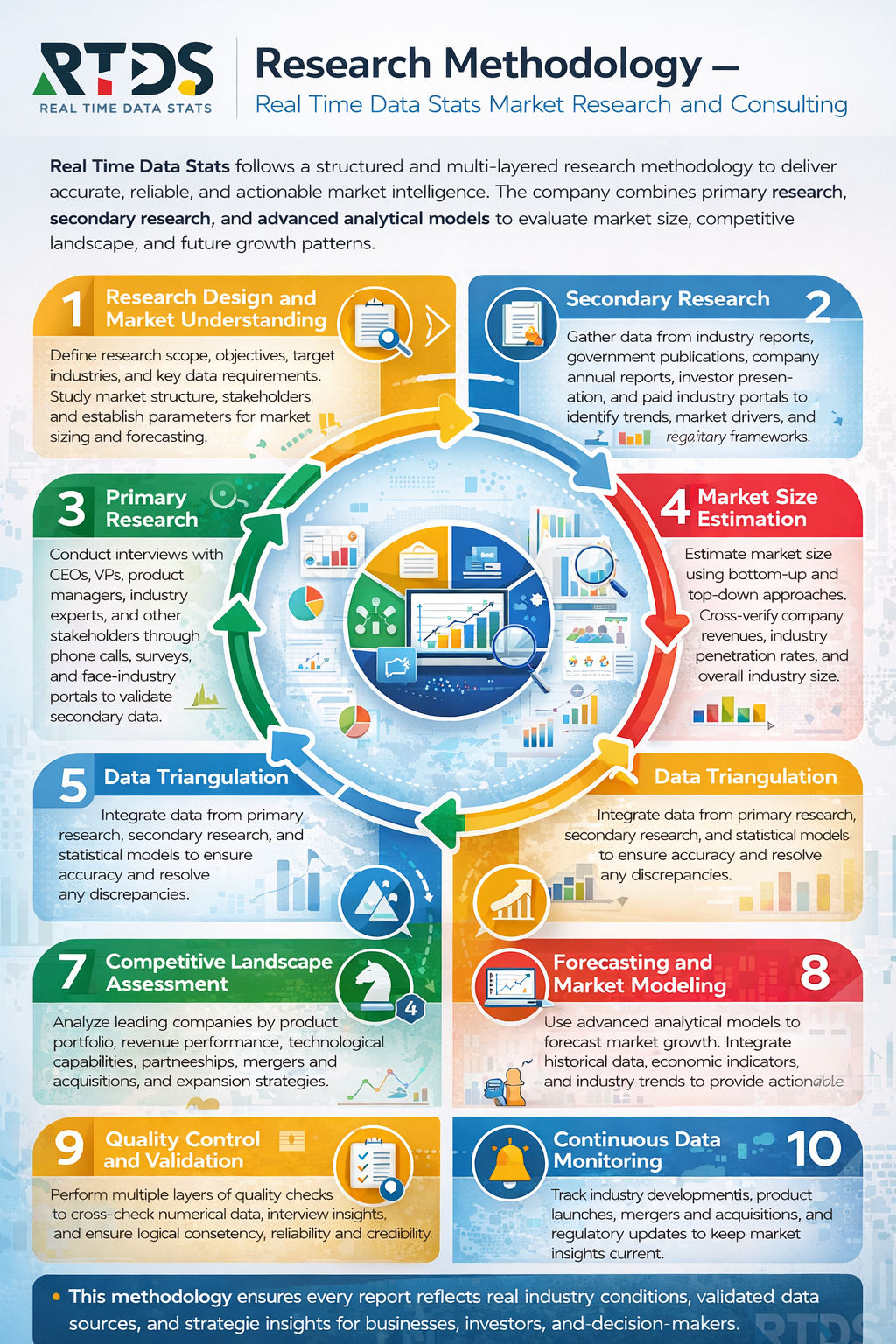
Research Methodology
- Data Collection Approach
- Primary Research
- Secondary Research
- Market Estimation Techniques
- Data Validation & Triangulation
Market Dynamics
- Drivers
- Restraints
- Opportunities
- Challenges
- Emerging Trends
Regulatory & Policy Landscape
- Digital Payment Regulations
- Financial Inclusion Policies
- Data Protection Laws
- AML & KYC Frameworks
- Cross-Border Compliance
Technology Landscape Analysis
- Mobile Payment Infrastructure
- Blockchain Integration
- AI & Fraud Detection
- Biometric Authentication
- API & Open Banking Ecosystem
Informal Economy Digital Payment Market Segmentation Analysis
- By Type
- Mobile Wallets
- QR Code-Based Payments
- Contactless Card Payments
- USSD-Based Payments
- Prepaid Digital Cards
- Cryptocurrency Payments
- By Application
- Street Vendors
- Small Retail Shops
- Home-Based Businesses
- Transportation Services
- Freelancers & Gig Workers
- Micro-Service Providers
- By Deployment Mode
- Cloud-Based
- On-Premise
- Hybrid
- API-Integrated Platforms
- Super Apps
- Standalone Payment Apps
- By Transaction Type
- Peer-to-Peer (P2P)
- Peer-to-Merchant (P2M)
- Business-to-Business (B2B)
- Cross-Border Payments
- Bill Payments
- Recurring Subscriptions
- By End User
- Individual Consumers
- Micro-Entrepreneurs
- Small & Medium Enterprises
- Informal Laborers
- Self-Employed Professionals
- Community-Based Organizations
- By Technology
- NFC Technology
- Blockchain-Based Systems
- Biometric Authentication
- AI-Driven Fraud Detection
- Tokenization
- API Banking Integration
- By Device Used
- Smartphones
- Feature Phones
- POS Terminals
- Tablets
- Wearables
- Shared Community Devices
- By Payment Source
- Bank Account Linked
- Debit Card Linked
- Credit Card Linked
- Prepaid Balance
- Digital Microloans
- Government Benefit Transfers
- By Business Model
- Transaction Fee-Based
- Subscription-Based
- Freemium Model
- Commission-Based
- Merchant Discount Rate Model
- Advertising-Supported Model
Regional Analysis
- North America
- Europe
- Asia Pacific
- Latin America
- Middle East & Africa
Competitive Landscape
- Market Share Analysis
- Competitive Benchmarking
- Company Profiling
- Strategic Initiatives
- Mergers & Acquisitions
Investment & Funding Analysis
- Venture Capital Trends
- Government Grants
- Fintech Partnerships
- Startup Ecosystem
- Capital Flow Analysis
Future Outlook & Forecast
- Market Size Forecast
- Growth Projections
- Technology Evolution
- Adoption Trends
- Scenario Analysis
Conclusion
- Key Findings Summary
- Strategic Implications
- Long-Term Market Perspective
Appendix
- Glossary of Terms
- Abbreviations
- List of Data Sources
- Research Contacts
- Disclaimer
List of Tables
- Table:1: Global Market Size by Value
- Table:2: Market Size by Type
- Table:3: Market Size by Application
- Table:4: Market Size by Deployment Mode
- Table:5: Market Size by Transaction Type
- Table:6: Market Size by End User
- Table:7: Market Size by Technology
- Table:8: Market Size by Device Used
- Table:9: Market Size by Payment Source
- Table:10: Market Size by Business Model
- Table:11: Regional Market Analysis
- Table:12: Regulatory Framework Comparison
- Table:13: Competitive Market Share
- Table:14: Investment & Funding Trends
- Table:15: Forecast Summary by Region
List of Figures
- Figure:1: Market Growth Trend Analysis
- Figure:2: Value Chain Overview
- Figure:3: Market Segmentation Overview
- Figure:4: Type-Based Revenue Distribution
- Figure:5: Application-Based Revenue Distribution
- Figure:6: Deployment Mode Share Analysis
- Figure:7: Transaction Type Breakdown
- Figure:8: End User Distribution
- Figure:9: Technology Adoption Map
- Figure:10: Device Usage Share
- Figure:11: Payment Source Distribution
- Figure:12: Business Model Comparison
- Figure:13: Regional Revenue Share
- Figure:14: Competitive Positioning Matrix
- Figure:15: Forecast Growth Projection Graph
Informal Economy Digital Payment Market Key Factors
Drivers:
- Governments actively promote cashless policies.
- Cheap mobile data expands internet access.
- Citizens increasingly demand faster, contactless transactions.
Restraints:
- Low digital literacy hinders adoption.
- Strong cash traditions resist change.
- Concerns over data privacy and tracking persist.
Opportunities:
- Fintech startups create tailored, simple solutions.
- Businesses gain from formalized transaction records.
- New technologies enable offline digital payments.
Challenges:
- Unstable internet connectivity disrupts services.
- Complex regulations create compliance hurdles.
- Interoperability between different payment platforms remains low.
Informal Economy Digital Payment Market Key Regional Trends
North America:
- Fintechs develop niche tools for gig and platform workers.
- Digital wallets integrate with accounting and tax software.
- Focus increases on solutions for unbanked immigrant communities.
Latin America:
- Central bank digital currencies (CBDCs) pilot for financial inclusion.
- QR-based payments explode in popularity at informal markets.
- Super-apps combine payments, commerce, and banking services.
Europe:
- Regulations push for transparent payment trails in informal sectors.
- Contactless card and phone payments become ubiquitous.
- Digital euro projects investigate informal economy use cases.
Asia-Pacific:
- Government-led QR code payment systems achieve massive scale.
- Social media and messaging apps embed payment functionalities.
- Mobile money agents deeply penetrate rural and informal networks.
Middle East & Africa:
- Mobile money services dominate and expand into new services.
- International remittance corridors digitize through mobile wallets.
- Partnerships between telcos and banks drive innovative solutions.
Frequently Asked Questions
Key Questions Answered
- What is the size and growth rate of the market industry?
- What are the main drivers influencing market growth trends?
- What are the key challenges and restraints faced by the market?
- What are the emerging trends and opportunities shaping the market?
- Who are the top players, and what strategies drive their success?
- What are the customer demographics and their buying behaviors?
- What are the key market segments, and what is their scope?
- What are the geographical dynamics, and which region dominates?
- What are the market forecasts and projections for the next decade?
- What regulatory factors are critical to consider for market growth?
Why Choose our Company?
- Major facts and stats backing every report we offer.
- Comprehensive analysis tailored to your business needs.
- Accurate insights backed by extensive market research.
- Expert support to address your queries promptly.
- Data-driven strategies for better decision-making.
- In-depth reports with actionable
recommendations. - Reliable statistics from trusted industry
sources. - Customizable reports to suit your specific goals.
- Unmatched quality and precision in market analysis.
- Competitive pricing with premium content delivery.
Share your experience!
We value you feedback. Please take a moment to review your experience with us.