
According to insights from Real Time Data Stats, the Glacier Monitoring and Analytics Market was valued at USD 290 million in 2025. It is expected to grow from USD 340 million in 2026 to USD 880 million by 2033, registering a CAGR of 15% during the forecast period (2026–2033).
MARKET SIZE AND SHARE
The global glacier monitoring and analytics market is driven by urgent climate research and water resource management needs. Market share is increasingly dominated by advanced remote sensing and predictive analytics service providers that capture critical climate data. It is concentrated among established geospatial technology firms, environmental consultancies, and specialized research institutions.
North American and European players currently hold a predominant share, supported by early technology adoption. However, the segment focused on AI-driven glacier modeling and risk assessment is expected to witness the fastest growth, reflecting its critical role in global climate adaptation strategies.
INDUSTRY OVERVIEW AND STRATEGY
The glacier monitoring and analytics industry provides critical data on cryospheric changes using satellites, drones, and ground-based sensors. It serves governments, research bodies, and industries like hydropower and insurance, enabling informed decisions on climate risks and water security. The sector is transitioning from pure observational data to integrated predictive analytics platforms, emphasizing actionable insights for adaptation and mitigation planning in response to accelerating glacial retreat worldwide.
Key competitive strategies include technological differentiation through AI and machine learning for pattern recognition and melt forecasting. Firms are pursuing strategic partnerships with academic institutions for R&D and with government agencies for long-term monitoring contracts. A focus on offering customized, end-to-end solutions—from data acquisition to impact assessment—is paramount. Expanding service portfolios to cover associated hazards like glacial lake outburst floods (GLOFs) is also a core strategic focus to address comprehensive client risk profiles.
REGIONAL TRENDS AND GROWTH
Regionally, North America and Europe lead in adoption due to advanced research funding, established alpine monitoring networks, and strong regulatory frameworks for climate reporting. The Arctic region is a high-priority zone, attracting significant investment. The Asia-Pacific region exhibits the fastest growth potential, driven by the critical reliance on glacial melt from the Himalayas for freshwater, necessitating robust monitoring to manage water security and mitigate flood risks for downstream populations.
Primary growth drivers include escalating climate change impacts, technological advancements in remote sensing, and increased governmental and international funding for climate research. Key restraints are high costs of advanced technologies and data interpretation complexities. Opportunities lie in developing affordable sensor networks and commercializing data for sectors like tourism and infrastructure. The major challenge remains integrating disparate data sources into standardized, actionable models for diverse stakeholders across vulnerable regions.
GLACIER MONITORING AND ANALYTICS MARKET SEGMENTATION ANALYSIS
BY TYPE:
The satellite-based monitoring segment holds a dominant position due to its wide-area coverage, high-resolution imagery, and ability to track glacier mass balance across inaccessible polar and alpine regions. Advancements in multi-spectral imaging, frequent revisit cycles, and international space programs significantly strengthen adoption. LiDAR systems and remote sensing technologies are also major contributors because they provide precise elevation models and volumetric change detection, enabling governments and climate organizations to generate accurate long-term glacier behavior datasets.
Drone/UAV-based monitoring and ground-based sensors are rapidly emerging as dominant complementary tools because they offer localized precision and cost-effective deployment in remote terrains. GIS and mapping tools further enhance integration by transforming raw data into actionable geospatial intelligence. The growing need for micro-scale monitoring, real-time terrain analysis, and 3D visualization capabilities drives these technologies. Increased affordability of UAV hardware and sensor miniaturization also act as strong factors expanding this segment’s influence within research and environmental surveillance operations.
BY APPLICATION:
Climate change analysis remains the most dominant application due to global policy focus, environmental funding, and scientific urgency to quantify ice loss and temperature correlations. Glacial retreat studies and environmental research closely follow because they form the scientific backbone for international climate agreements and sustainability frameworks. The demand for precise glacier analytics in predicting sea-level rise and ecosystem disruption significantly elevates this segment, supported by cross-border collaborations and international environmental monitoring programs.
Water resource management and hydropower planning also show strong dominance as glaciers serve as natural freshwater reservoirs influencing downstream agriculture and electricity generation. Natural disaster prediction, including glacial lake outburst floods and avalanches, further accelerates demand as governments prioritize early warning systems. Increasing climate unpredictability, infrastructure risk management, and growing dependency on renewable energy resources collectively act as dominant drivers enhancing application-based segmentation growth across both developed and emerging economies.
BY DEPLOYMENT:
Cloud-based platforms dominate deployment due to scalability, remote accessibility, and seamless integration with AI analytics and big data processing. Organizations prefer cloud systems for real-time collaboration, reduced infrastructure costs, and centralized data storage capabilities. Hybrid solutions also gain traction as they balance data security with performance efficiency. The rising use of IoT-enabled sensors connected to cloud dashboards significantly strengthens this segment by enabling continuous glacier monitoring and automated reporting systems.
On-premise systems and edge computing devices maintain dominance in regions requiring strict data sovereignty and low-latency processing. Mobile data collection tools further enhance field research efficiency by allowing instant synchronization and geo-tagging of glacier observations. Increasing cybersecurity concerns, government regulations, and the need for uninterrupted offline functionality contribute strongly to diversified deployment preferences. The coexistence of cloud flexibility and localized processing power forms a balanced ecosystem driving this segmentation’s expansion.
BY END-USER:
Government agencies represent the most dominant end-user group due to policy enforcement, disaster preparedness responsibilities, and national climate commitments. Research institutions and academic institutions also hold significant influence because glacier analytics heavily relies on scientific experimentation, longitudinal studies, and peer-reviewed environmental research. Funding grants, international climate missions, and public data initiatives further reinforce their strong market presence, ensuring consistent demand for advanced monitoring technologies and analytical platforms.
Energy and utilities companies increasingly dominate this segment as hydropower generation and water flow forecasting become essential for sustainable energy planning. Environmental NGOs and climate consultants also play influential roles by advocating conservation strategies and providing advisory services to corporations and governments. The rising awareness of ecological risk management, carbon neutrality goals, and environmental compliance requirements strengthens the diversity of end-user participation, making this segmentation highly dynamic and research-driven.
BY TECHNOLOGY:
Optical imaging and radar imaging technologies dominate due to their reliability in capturing surface morphology and subsurface ice structures regardless of weather conditions. Infrared sensors and thermal imaging further enhance dominance by detecting temperature variations and melt patterns invisible to traditional cameras. Continuous improvements in sensor resolution, satellite payload efficiency, and image processing algorithms significantly strengthen adoption across scientific and governmental monitoring missions worldwide.
AI and machine learning analytics combined with 3D mapping technologies are rapidly emerging as transformative dominant factors because they enable predictive modeling, automated anomaly detection, and volumetric glacier simulations. These technologies reduce manual interpretation efforts and enhance decision-making accuracy. The integration of deep learning models with geospatial datasets, coupled with the availability of high-performance computing resources, accelerates innovation and establishes this technological segment as a critical pillar in modern glacier intelligence ecosystems.
BY DATA TYPE:
Real-time monitoring data dominates due to its importance in early warning systems, hazard prediction, and immediate environmental assessment. Geospatial data also plays a crucial role as it forms the structural backbone for mapping glacier boundaries, elevation shifts, and terrain transformations. The growing requirement for instantaneous alerts and dynamic visualization tools drives demand for continuously updated datasets, especially in disaster-prone mountainous regions and polar research stations.
Historical glacier data and predictive modeling data also exhibit strong dominance because long-term trend analysis is essential for climate forecasting and sustainability planning. Hydrological and meteorological data integration further enhances analytical depth by linking ice melt with precipitation and temperature patterns. The increasing reliance on multi-layered data ecosystems, supported by cloud analytics and AI-based interpretation, significantly boosts the value and expansion of diverse glacier data categories in research and policy environments.
BY GLACIER TYPE:
Mountain and valley glaciers dominate this segmentation due to their direct impact on freshwater supply, agriculture, and regional climate systems. Their accessibility for field studies and frequent seasonal variations make them primary subjects for monitoring programs. Hanging glaciers also gain attention because of their association with avalanche risks and localized disaster prediction. These glacier types are heavily studied due to their immediate socio-economic and ecological implications.
Ice caps, ice sheets, and tidewater glaciers maintain strong dominance because of their global influence on sea-level rise and oceanic ecosystems. Polar research initiatives and international climate collaborations significantly strengthen this segment. Large-scale ice formations provide critical insights into planetary temperature shifts and long-term environmental cycles. Their vast size and global significance make them essential components in advanced monitoring projects supported by satellite imaging and international funding programs.
BY ANALYTICAL METHOD:
Remote sensing analysis remains the most dominant analytical method due to its ability to cover vast and inaccessible glacier terrains efficiently. Geospatial modeling and temporal change detection further strengthen this segment by enabling scientists to observe structural shifts over time with high accuracy. The growing adoption of automated satellite imagery processing and digital elevation modeling significantly enhances analytical precision and reduces manual workload in large-scale glacier monitoring initiatives.
Hydrological modeling and climate modeling also play dominant roles as they connect glacier melt patterns with downstream water systems and atmospheric variations. Predictive analytics is rapidly gaining importance because it allows scenario simulation and future risk forecasting. The integration of AI algorithms with environmental datasets strengthens analytical depth, providing governments and researchers with actionable insights for long-term sustainability planning and environmental risk mitigation strategies.
BY MONITORING FREQUENCY:
Continuous monitoring dominates this segment due to its necessity in real-time hazard detection, glacier melt tracking, and climate variability assessment. Automated remote monitoring systems further enhance dominance by minimizing human intervention while ensuring uninterrupted data flow. Increasing deployment of IoT sensors and satellite constellations significantly strengthens this segment, particularly in regions vulnerable to sudden glacial events and extreme weather fluctuations.
Seasonal and annual monitoring maintain relevance for long-term environmental studies and academic research projects where trend observation is more critical than instant alerts. Event-based monitoring and manual surveying also contribute by providing targeted insights during specific climatic or geological occurrences. The balance between automation and periodic field validation forms a dominant operational strategy, ensuring both efficiency and accuracy in glacier observation and analytical workflows.
RECENT DEVELOPMENTS
- In Jan 2024: Airbus partnered with the University of Leeds, deploying high-resolution Pléiades Neo satellite imagery to create detailed 3D models of Himalayan glaciers, enhancing meltwater runoff predictions.
- In Mar 2024: Planet Labs PBC launched new Tanager-1 satellite, featuring hyperspectral imaging capabilities specifically designed to improve the monitoring of glacier surface properties and albedo changes.
- In Aug 2024: ICEYE announced the expansion of its SAR satellite constellation, providing daily, high-resolution radar imaging for all-season glacier flow and subsidence monitoring, unaffected by cloud cover.
- In Nov 2024: The European Space Agency (ESA) initiated the ""Polar+ Ice Shelves"" project, funding a consortium to develop new AI-driven analytics for tracking glacier calving events and ice shelf stability in real-time.
- In Feb 2025: Google Cloud and NASA entered a strategic collaboration to host and process petabytes of glacier data (ICESat-2, Landsat) on Google Earth Engine, making advanced analytics more accessible to researchers globally.
KEY PLAYERS ANALYSIS
- Airbus Defence and Space
- Maxar Technologies
- Planet Labs PBC
- ICEYE
- European Space Agency (ESA)
- NASA (National Aeronautics and Space Administration)
- Ursa Space Systems
- Satellite Imaging Corporation
- Environmental Systems Research Institute (Esri)
- Hexagon AB
- Trimble Inc.
- Planetek Italia
- SkyWatch Space Applications
- Orbital Insight (Now part of Preligens)
- Capella Space
- Earth Daily Analytics
- Sinergise
- BlackSky Technology Inc.
- SatSure
- Sparkgeo
Glacier Monitoring and Analytics Market Segmentation Analysis
By Type:
- Satellite-Based Monitoring
- Drone/UAV-Based Monitoring
- Ground-Based Sensors
- Remote Sensing Technologies
- LiDAR Systems
- GIS & Mapping Tools
By Application:
- Climate Change Analysis
- Water Resource Management
- Natural Disaster Prediction
- Glacial Retreat Studies
- Hydropower Planning
- Environmental Research
By Deployment:
- Cloud-Based Platforms
- On-Premise Systems
- Hybrid Solutions
- Edge Computing Devices
- IoT-Enabled Sensors
- Mobile Data Collection
By End-User:
- Research Institutions
- Government Agencies
- Environmental NGOs
- Energy & Utilities Companies
- Academic Institutions
- Climate Consultants
By Technology:
- Optical Imaging
- Radar Imaging
- Infrared Sensors
- Thermal Imaging
- 3D Mapping Technologies
- AI & Machine Learning Analytics
By Data Type:
- Real-Time Monitoring Data
- Historical Glacier Data
- Geospatial Data
- Hydrological Data
- Meteorological Data
- Predictive Modeling Data
By Glacier Type:
- Mountain Glaciers
- Valley Glaciers
- Ice Caps
- Ice Sheets
- Tidewater Glaciers
- Hanging Glaciers
By Analytical Method:
- Remote Sensing Analysis
- Geospatial Modeling
- Temporal Change Detection
- Hydrological Modeling
- Climate Modeling
- Predictive Analytics
By Monitoring Frequency:
- Continuous Monitoring
- Seasonal Monitoring
- Annual Monitoring
- Event-Based Monitoring
- Manual Surveying
- Automated Remote Monitoring
By Geography:
- North America (USA, Canada, Mexico)
- Europe (UK, Germany, France, Italy, Spain, Rest of Europe)
- Asia-Pacific (China, Japan, Australia, South Korea, India, Rest of Asia-Pacific)
- South America (Brazil, Argentina, Rest of South America)
- Middle East and Africa (GCC Countries, South Africa, Rest of MEA)
Glacier Monitoring and Analytics Market: Table of Contents
Executive Summary
- Key Market Highlights
- Market Snapshot
- Growth Opportunities
Market Introduction
- Market Definition
- Market Scope
- Market Dynamics
- Drivers
- Restraints
- Opportunities
- Challenges
Glacier Monitoring and Analytics Market Segmentation Analysis
- By Type
- Satellite-Based Monitoring
- Drone/UAV-Based Monitoring
- Ground-Based Sensors
- Remote Sensing Technologies
- LiDAR Systems
- GIS & Mapping Tools
- By Application
- Climate Change Analysis
- Water Resource Management
- Natural Disaster Prediction
- Glacial Retreat Studies
- Hydropower Planning
- Environmental Research
- By Deployment
- Cloud-Based Platforms
- On-Premise Systems
- Hybrid Solutions
- Edge Computing Devices
- IoT-Enabled Sensors
- Mobile Data Collection
- By End-User
- Research Institutions
- Government Agencies
- Environmental NGOs
- Energy & Utilities Companies
- Academic Institutions
- Climate Consultants
- By Technology
- Optical Imaging
- Radar Imaging
- Infrared Sensors
- Thermal Imaging
- 3D Mapping Technologies
- AI & Machine Learning Analytics
- By Data Type
- Real-Time Monitoring Data
- Historical Glacier Data
- Geospatial Data
- Hydrological Data
- Meteorological Data
- Predictive Modeling Data
- By Glacier Type
- Mountain Glaciers
- Valley Glaciers
- Ice Caps
- Ice Sheets
- Tidewater Glaciers
- Hanging Glaciers
- By Analytical Method
- Remote Sensing Analysis
- Geospatial Modeling
- Temporal Change Detection
- Hydrological Modeling
- Climate Modeling
- Predictive Analytics
- By Monitoring Frequency
- Continuous Monitoring
- Seasonal Monitoring
- Annual Monitoring
- Event-Based Monitoring
- Manual Surveying
Automated Remote Monitoring
- Market Trends and Insights
- Emerging Technologies
- Investment Trends
- Adoption Trends
Competitive Landscape
- Key Players Overview
- Market Share Analysis
- Strategic Initiatives
- Partnerships and Collaborations
- Market Forecast and Opportunities
- Forecast by Type
- Forecast by Application
- Forecast by Region
Regulatory and Policy Analysis
- Government Regulations
- International Guidelines
- Environmental Policies
Impact of Technological Advancements
- AI and Machine Learning
- Remote Sensing Enhancements
- Data Integration Tools
Conclusion
- Summary of Market Trends
- Key Drivers and Restraints
- Growth Opportunities
- Technology & Innovation Outlook
- Future Market Forecast
Appendix
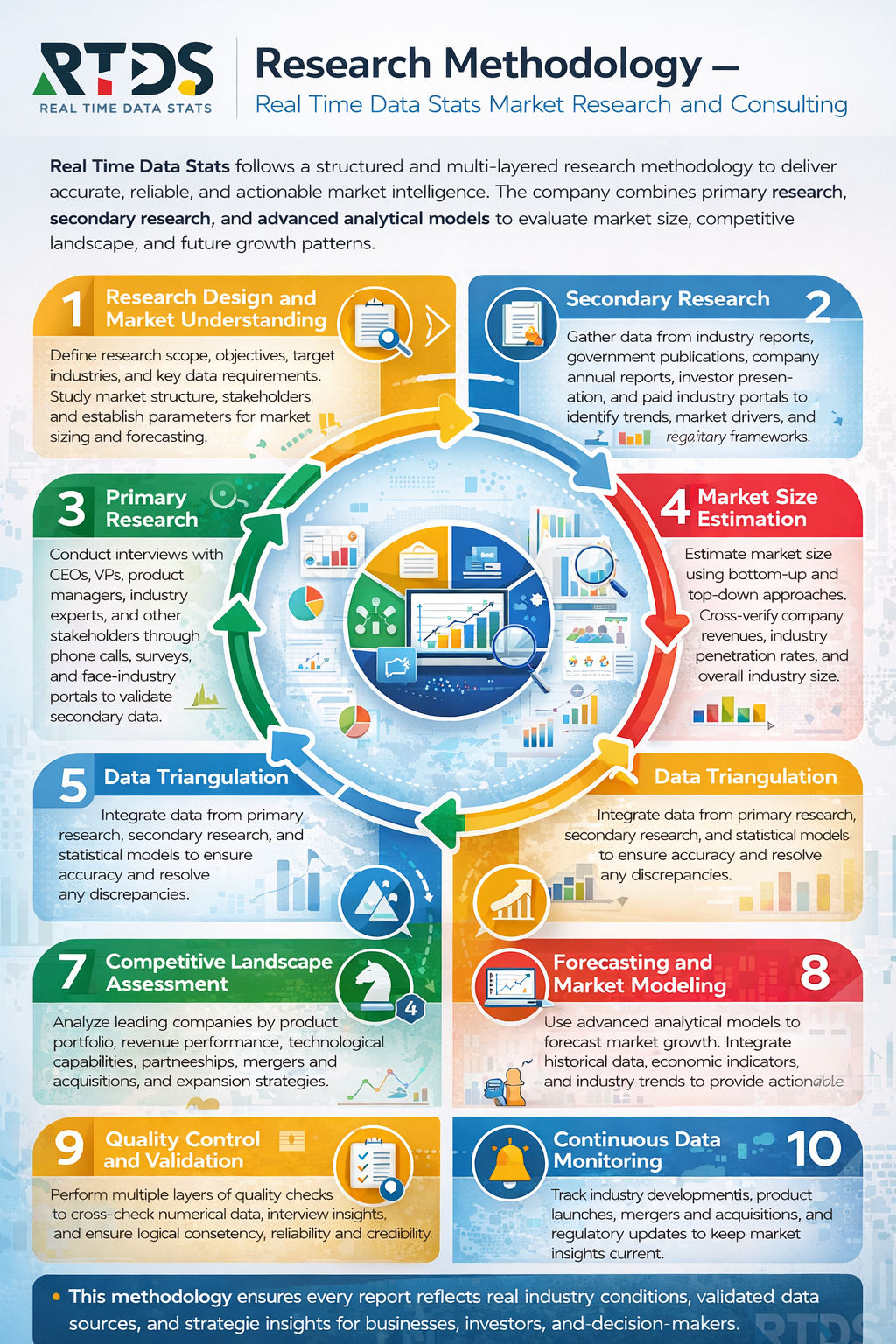
- Research Methodology
- Data Sources
- Acronyms and Abbreviations
List of Tables
- Table:1: Global Glacier Monitoring Market Overview
- Table:2: Market by Type – Revenue Forecast
- Table:3: Market by Application – Revenue Forecast
- Table:4: Market by Deployment – Revenue Analysis
- Table:5: Market by End-User – Revenue Analysis
- Table:6: Market by Technology – Market Share
- Table:7: Market by Data Type – Forecast Analysis
- Table:8: Market by Region – Revenue and CAGR
- Table:9: Market by Glacier Type – Market Share
- Table:10: Market by Analytical Method – Revenue Analysis
- Table:11: Market by Monitoring Frequency – Forecast
- Table:12: Key Player Market Share
- Table:13: SWOT Analysis of Key Players
- Table:14: Technological Advancements Impact Assessment
- Table:15: Regulatory and Policy Framework Analysis
List of Figures
- Figure:1: Glacier Monitoring Value Chain
- Figure:2: Market Dynamics – Drivers, Restraints, Opportunities
- Figure:3: Market Share by Type
- Figure:4: Market Share by Application
- Figure:5: Deployment Type Revenue Split
- Figure:6: End-User Revenue Contribution
- Figure:7: Technology Adoption Trends
- Figure:8: Data Type Utilization Trends
- Figure:9: Regional Market Distribution
- Figure:10: Glacier Type Coverage Analysis
- Figure:11: Analytical Method Adoption Trends
- Figure:12: Monitoring Frequency Trends
- Figure:13: Competitive Landscape Overview
- Figure:14: Strategic Initiatives of Key Players
- Figure:15: Market Forecast Trend (2026–2035)
Glacier Monitoring and Analytics Market Key Factors
Drivers:
- Increasing extreme weather events escalate the need for accurate glacial meltwater data.
- Governments invest in advanced monitoring to secure water resources and manage hydropower.
- The tourism and energy sectors adopt analytics to assess operational and climate risks.
Restraints:
- High costs limit the deployment of advanced monitoring technologies in developing regions.
- Complex terrains and harsh weather conditions hinder consistent data collection.
- Inconsistent data policies and sharing frameworks create integration challenges.
Opportunities:
- Emerging satellite and AI technologies create new, cost-effective monitoring solutions.
- Growing public-private partnerships expand funding for comprehensive research initiatives.
- Rising demand for risk assessment tools opens new markets for insurance and infrastructure planning.
Challenges:
- Projecting long-term glacier behavior accurately remains scientifically difficult.
- Managing and processing massive volumes of heterogeneous data strains existing systems.
- Coordinating international efforts across political boundaries slows unified action.
Glacier Monitoring and Analytics Market Key Regional Trends
North America:
- Governments and utilities integrate real-time glacial data into regional water management models.
- Research focuses on linking glacier retreat to specific coastal risks and ecosystem changes.
- Private technology firms lead in developing commercial analytics platforms for clients.
Europe:
- Alpine nations prioritize cross-border monitoring networks for early hazard warnings.
- Policies strongly drive funding for long-term glacier health tracking and public reporting.
- The market sees high adoption of drone-based LiDAR for detailed glacial volumetric surveys.
Asia-Pacific:
- Rapid glacial melt in high mountains accelerates demand for downstream flood risk forecasting.
- International scientific collaborations expand to address critical transboundary water data gaps.
- Investments grow in remote sensing to monitor inaccessible but vital glacierized areas.
Latin America:
- Research focuses on tropical glacier loss and its direct impact on local communities and agriculture.
- Governments seek affordable sensor networks to monitor key Andean water towers.
- Efforts increase to correlate glacier shrinkage with seasonal water scarcity for urban centers.
Middle East & Africa:
- Limited glaciated areas drive a focus on global data partnerships for climate impact studies.
- Investments link East African glacial retreat to river flow changes affecting regional stability.
- Specialized consultancies emerge to interpret global glacier data for strategic resource planning.
Frequently Asked Questions
Key Questions Answered
- What is the size and growth rate of the market industry?
- What are the main drivers influencing market growth trends?
- What are the key challenges and restraints faced by the market?
- What are the emerging trends and opportunities shaping the market?
- Who are the top players, and what strategies drive their success?
- What are the customer demographics and their buying behaviors?
- What are the key market segments, and what is their scope?
- What are the geographical dynamics, and which region dominates?
- What are the market forecasts and projections for the next decade?
- What regulatory factors are critical to consider for market growth?
Why Choose our Company?
- Major facts and stats backing every report we offer.
- Comprehensive analysis tailored to your business needs.
- Accurate insights backed by extensive market research.
- Expert support to address your queries promptly.
- Data-driven strategies for better decision-making.
- In-depth reports with actionable
recommendations. - Reliable statistics from trusted industry
sources. - Customizable reports to suit your specific goals.
- Unmatched quality and precision in market analysis.
- Competitive pricing with premium content delivery.
Share your experience!
We value you feedback. Please take a moment to review your experience with us.