
According to insights from Real Time Data Stats, the Floating Agriculture Systems Market was valued at USD 0.47 billion in 2025. It is expected to grow from USD 0.61 billion in 2026 to USD 2.59 billion by 2033, registering a CAGR of 23.8% during the forecast period (2026–2033).
MARKET SIZE AND SHARE
The global floating agriculture systems market is transitioning from a niche solution to a mainstream agricultural practice, driven by escalating climate adaptation needs. Market share remains concentrated among innovative agri-tech firms and sustainable infrastructure developers. Asia-Pacific is expected to command a dominant share, followed by North America and Europe, as these regions invest heavily in water-based farming technologies to strengthen food security and promote land conservation.
This growth reflects rising adoption in flood-prone and densely populated regions with limited arable land. The competitive landscape features both specialized startups and established agricultural corporations diversifying their portfolios. Market share distribution will increasingly favor companies offering integrated, technology-driven systems that combine aquaculture with crop production, maximizing yield and resource efficiency on aquatic platforms.
INDUSTRY OVERVIEW AND STRATEGY
The floating agriculture industry encompasses the development and deployment of buoyant platforms for cultivating crops and aquatic life, primarily in flood-prone and land-scarce regions. It represents a convergence of traditional knowledge, like Bangladesh's baira method, with modern hydroponics, aquaponics, and material science. The sector is driven by the urgent need for climate-resilient food production, aiming to utilize untapped water bodies for agriculture while reducing pressure on terrestrial ecosystems and conserving freshwater resources.
Core strategic focuses for industry players include intensive research into durable, cost-effective floating materials and modular design. Success hinges on forming partnerships with governments, NGOs, and local communities to pilot and scale systems. Key strategies involve integrating renewable energy sources for power and developing data-driven monitoring for nutrient and pH balance. Companies are also prioritizing educational outreach to demonstrate economic viability and secure funding, positioning floating agriculture as a critical component of global sustainable development and food security agendas.
REGIONAL TRENDS AND GROWTH
In Asia-Pacific, particularly Bangladesh, Myanmar, and parts of Southeast Asia, floating agriculture is a well-established tradition now being modernized. This region leads in adoption due to massive deltaic regions and monsoon flooding. North America and Europe show growth through high-tech, urban-focused aquaponic systems on water bodies, emphasizing local food production and circular economies. Meanwhile, Oceania and Africa are exploring these systems for community resilience against sea-level rise and irregular rainfall patterns.
Primary drivers are climate change-induced land loss, population pressure, and government support for climate-smart agriculture. A key restraint is the high initial capital investment and technical knowledge requirement. Significant opportunities lie in integrating IoT sensors for precision farming and carbon credit frameworks. Major challenges include navigating regulatory hurdles for water use, potential ecosystem impacts, and ensuring long-term structural durability against storms. Addressing these will be crucial for unlocking future growth across both developing and developed markets.
FLOATING AGRICULTURE SYSTEMS MARKET SEGMENTATION ANALYSIS
BY TYPE:
The segmentation by type is strongly influenced by efficiency, crop yield optimization, and environmental sustainability requirements. Hydroponic floating systems dominate due to precise nutrient control and minimal water wastage, while aquaponic systems gain traction for their dual food production capability and closed-loop ecosystem advantages. Modular raft systems attract small and medium investors because of affordability and scalability. Floating greenhouse platforms and vertical farming units are expanding rapidly in urban regions where land scarcity and climate unpredictability push demand for enclosed, high-productivity agricultural structures.
Solar-integrated floating farms are becoming increasingly dominant as energy costs and sustainability regulations intensify across global markets. These systems reduce operational expenses and enhance off-grid viability, making them attractive in remote and developing regions. Technological compatibility, ease of installation, durability against water currents, and adaptability to varying climatic zones are major selection factors. The growing preference for multifunctional platforms that combine crop production, renewable energy generation, and smart monitoring continues to reshape type-based market leadership patterns worldwide.
BY APPLICATION:
Application segmentation is primarily driven by food security concerns, consumption frequency, and economic return per harvest cycle. Vegetable cultivation leads due to quick growth cycles, consistent demand, and suitability for hydroponic techniques. Herb and medicinal plant farming also holds strong dominance because of high market value and pharmaceutical demand. Fruit cultivation is expanding steadily with improved nutrient delivery technologies, while flower cultivation benefits from export-oriented commercial farming and decorative industry growth in urban and peri-urban regions.
Aquaculture integration plays a crucial role by enabling dual-income streams and efficient nutrient recycling, making it highly attractive for commercial operators. Research and educational use is gaining prominence as universities and innovation hubs invest in experimental floating farms to test climate resilience and smart agriculture solutions. Market dominance in application is further shaped by profitability margins, crop adaptability to floating environments, seasonal flexibility, and government support programs that encourage sustainable agricultural diversification and advanced farming practices.
BY MATERIAL:
Material segmentation dominance is heavily influenced by durability, buoyancy strength, and long-term maintenance costs. High-Density Polyethylene (HDPE) leads due to corrosion resistance, lightweight properties, and environmental safety compliance. Polypropylene follows closely with strong chemical resistance and affordability, making it ideal for mid-scale installations. PVC-based structures remain popular for cost efficiency, while metal frame structures are selected for heavy-duty commercial farms requiring structural rigidity and extended lifespan under harsh climatic and aquatic conditions.
Composite materials and recycled plastic platforms are gaining substantial traction as sustainability standards tighten globally. Recycled plastics reduce environmental impact and operational expenses, while composites offer enhanced strength-to-weight ratios and flexibility in modular construction. Material dominance is further determined by UV resistance, load-bearing capacity, availability of raw materials, regulatory approvals, and compatibility with smart components. Long-term resilience against water salinity, algae growth, and temperature fluctuations significantly shapes procurement decisions among both commercial and institutional buyers.
BY COMPONENT:
Component segmentation is driven by system efficiency, structural stability, and crop productivity enhancement. Floating beds and rafts represent the core revenue share because they directly influence plant support and yield density. Irrigation and nutrient delivery systems follow closely as precision feeding directly impacts crop quality and growth speed. Anchoring and mooring systems are essential for safety and stability, especially in lakes and reservoirs where water movement can disrupt cultivation structures and increase maintenance risks.
Lighting systems and monitoring sensors are rapidly dominating due to the rise of controlled-environment agriculture and year-round production demands. Smart sensors optimize nutrient balance, detect plant stress, and reduce manual intervention, thereby improving profitability. Support frames and protective nets also contribute significantly by preventing crop damage from wind, birds, and debris. Component dominance ultimately depends on integration compatibility, maintenance frequency, energy efficiency, and the ability to enhance automation while minimizing labor dependency and operational uncertainty.
BY TECHNOLOGY:
Technology segmentation is shaped by automation demand, yield predictability, and labor cost reduction. IoT-enabled smart systems lead the market by offering real-time monitoring, remote control, and predictive analytics that enhance operational precision. Automated nutrient control systems are equally dominant because they maintain consistent plant health and minimize human error. Climate-controlled platforms gain momentum in regions with extreme temperatures, allowing continuous production cycles regardless of external environmental fluctuations.
AI-based monitoring and renewable energy integrated systems are emerging as transformative forces due to efficiency optimization and sustainability alignment. Manual and traditional systems still hold relevance in cost-sensitive and rural markets where technological investment is limited. Dominance factors include scalability, energy consumption, compatibility with renewable sources, and long-term cost savings. Increasing digital literacy among farmers and government incentives for smart agriculture infrastructure continue to accelerate the transition toward technologically advanced floating farming ecosystems.
BY FARM SIZE:
Farm size segmentation is primarily influenced by capital availability, production targets, and scalability potential. Large commercial farms dominate revenue share due to economies of scale, higher automation adoption, and strong distribution networks. Medium-scale farms also show significant growth as they balance investment affordability with profitable output capacity. Small-scale units remain popular among urban farmers and startups seeking localized food production and niche organic market penetration without extensive infrastructure commitments.
Community-based farms and institutional farms are gaining traction because of cooperative investment models and educational or research objectives. Pilot and demonstration units play a strategic role in technology validation and government-backed agricultural innovation programs. Farm size dominance depends on financial accessibility, operational expertise, technology integration capability, and market demand forecasting. Urban population growth, limited arable land, and policy-driven food security initiatives continue to push expansion across multiple farm size categories globally.
BY END USER:
End-user segmentation dominance is strongly influenced by purchasing power, operational scale, and policy support. Commercial growers lead the market due to profit-driven expansion and early adoption of advanced technologies. Government and municipal bodies follow closely as they invest in floating farms to address food shortages, water conservation, and urban sustainability projects. Research institutions also contribute significantly by developing innovative cultivation methods and pilot testing advanced agricultural technologies for large-scale deployment.
NGOs and non-profits play an important role in rural and developing regions by promoting food accessibility and environmental conservation initiatives. Household and individual farmers are gradually increasing participation due to rising awareness of self-sustained food systems and reduced setup costs. Educational institutions adopt floating agriculture systems for training and experimentation purposes. End-user dominance is shaped by funding availability, awareness levels, regulatory incentives, and the long-term economic and environmental benefits offered by floating agricultural infrastructure.
BY WATER BODY TYPE:
Water body segmentation is determined by surface stability, accessibility, and environmental suitability. Lakes and reservoirs dominate because they offer larger surface areas, calmer water movement, and easier infrastructure management. Ponds are widely used for small-scale and community farms due to low investment requirements and proximity to local markets. Rivers show moderate adoption but require advanced anchoring systems to counter water flow variability and seasonal fluctuations.
Coastal waters are emerging as high-potential zones, especially in regions facing land scarcity and saline-resistant crop experimentation. Artificial water basins are also gaining traction within urban environments where controlled conditions improve predictability and reduce environmental risks. Dominant factors include water quality, depth consistency, pollution levels, climatic resilience, and legal permissions. Accessibility for maintenance, nutrient runoff management, and long-term ecological impact significantly influence the selection of suitable water bodies for floating agriculture deployment.
BY DISTRIBUTION CHANNEL:
Distribution channel segmentation is driven by accessibility, customization capability, and after-sales service reliability. Direct sales dominate the commercial sector as buyers prefer tailored solutions, bulk procurement discounts, and direct technical support from manufacturers. Distributors and dealers hold strong influence in regional markets where local networks and on-ground service availability determine purchasing decisions. Agricultural equipment stores remain relevant for small and mid-scale buyers seeking immediate product availability and physical inspection before purchase.
Online platforms are expanding rapidly due to digital transformation, price transparency, and global supplier reach. Government procurement channels significantly influence large-scale infrastructure projects through tenders and subsidies. Cooperative sales models are also emerging in rural regions, enabling shared investments and reduced financial burden. Channel dominance is shaped by logistics efficiency, customer trust, financing options, installation services, and the growing importance of digital marketing strategies in agricultural technology adoption.
RECENT DEVELOPMENTS
- In Jan 2024: Bangladesh's government and FAO initiated a large-scale project to modernize traditional floating raft (baira) systems with improved vegetable varieties and integrated pest management techniques.
- In Mar 2024: Dutch firm Blue21 launched a commercial-scale pilot of its ""Floating Food Factory"" in the Netherlands, combining automated crop cultivation with green energy and water purification in a closed-loop system.
- In Jul 2024: A strategic partnership was formed between Singapore-based firm Archisen and a Vietnamese aquaculture company to develop integrated floating aquaponic systems for scalable, high-yield leafy green production.
- In Nov 2024: The World Bank approved a $50 million funding package to support the expansion of climate-resilient floating agriculture projects in flood-prone regions of South and Southeast Asia.
- In Feb 2025: Indian agri-tech startup Kheyti announced the pilot of its low-cost, modular ""FloatFarm"" units, designed specifically for smallholder farmers in wetland regions, focusing on drought-resistant crops.
KEY PLAYERS ANALYSIS
- Blue21 (Floating Future)
- Sea6 Energy
- Smart Floating Farms (SFF)
- GreenWave
- Bachmann Dcon
- AGrowtion
- Plantlab
- Archisen
- Kheyti
- N-ARK
- Bangladesh Agricultural Research Institute (BARI)
- Bengal Institute for Technology
- Wetlands International
- Floating Solutions Inc.
- Nethouse
- Priva
- Ceres Greenhouse Solutions
- Aquapod
- EcoTech Agro
- AgriFloat GmbH
Floating Agriculture Systems Market Segmentation Analysis
By Type:
- Hydroponic Floating Systems
- Aquaponic Floating Systems
- Modular Raft Systems
- Floating Greenhouse Platforms
- Floating Vertical Farming Units
- Solar-Integrated Floating Farms
By Application:
- Vegetable Cultivation
- Fruit Cultivation
- Flower Cultivation
- Herb & Medicinal Plant Farming
- Aquaculture Integration
- Research & Educational Use
By Material:
- High-Density Polyethylene (HDPE)
- Polypropylene (PP)
- PVC-Based Structures
- Metal Frame Structures
- Composite Materials
- Recycled Plastic Platforms
By Component:
- Floating Beds & Rafts
- Anchoring & Mooring Systems
- Irrigation & Nutrient Delivery Systems
- Lighting Systems
- Monitoring & Control Sensors
- Support Frames & Nets
By Technology:
- IoT-Enabled Smart Systems
- Automated Nutrient Control
- Climate-Controlled Platforms
- AI-Based Monitoring Systems
- Renewable Energy Integrated Systems
- Manual / Traditional Systems
By Farm Size:
- Small-Scale Units
- Medium-Scale Farms
- Large Commercial Farms
- Community-Based Farms
- Pilot & Demonstration Units
- Institutional Farms
By End User:
- Commercial Growers
- Government & Municipal Bodies
- Research Institutions
- NGOs & Non-Profits
- Household / Individual Farmers
- Educational Institutions
By Water Body Type:
- Lakes
- Rivers
- Ponds
- Reservoirs
- Coastal Waters
- Artificial Water Basins
By Distribution Channel:
- Direct Sales
- Distributors & Dealers
- Online Platforms
- Agricultural Equipment Stores
- Government Procurement
- Cooperative Sales
By Geography:
- North America (USA, Canada, Mexico)
- Europe (UK, Germany, France, Italy, Spain, Rest of Europe)
- Asia-Pacific (China, Japan, Australia, South Korea, India, Rest of Asia-Pacific)
- South America (Brazil, Argentina, Rest of South America)
- Middle East and Africa (GCC Countries, South Africa, Rest of MEA)
Floating Agriculture Systems Market: Table of Contents
Executive Summary
- Market Snapshot
- Key Findings
- Analyst Insights
- Opportunity Highlights
- Risk Overview
Future Outlook
- Market Introduction
- Market Definition
- Scope of Study
- Research Objectives
- Assumptions & Limitations
- Currency & Pricing Considerations
- Stakeholder Overview
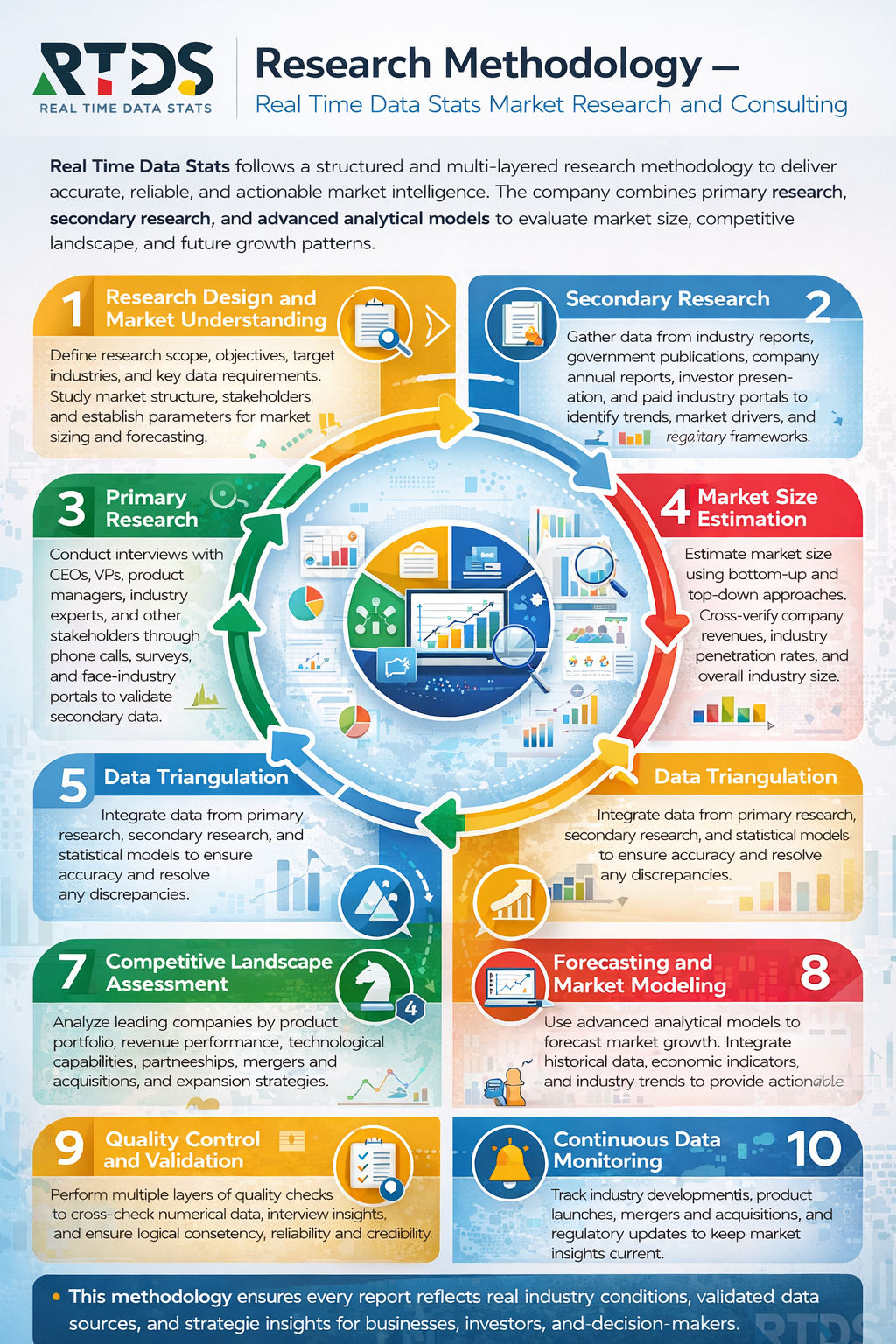
Research Methodology
- Primary Research
- Secondary Research
- Data Validation
- Market Estimation Techniques
- Forecasting Models
- Data Triangulation
Market Dynamics
- Market Drivers
- Market Restraints
- Market Opportunities
- Market Challenges
- Emerging Trends
- Regulatory Landscape
Floating Agriculture Systems Market Segmentation Analysis
- By Type
- Hydroponic Floating Systems
- Aquaponic Floating Systems
- Modular Raft Systems
- Floating Greenhouse Platforms
- Floating Vertical Farming Units
- Solar-Integrated Floating Farms
- By Application
- Vegetable Cultivation
- Fruit Cultivation
- Flower Cultivation
- Herb & Medicinal Plant Farming
- Aquaculture Integration
- Research & Educational Use
- By Material
- High-Density Polyethylene (HDPE)
- Polypropylene (PP)
- PVC-Based Structures
- Metal Frame Structures
- Composite Materials
- Recycled Plastic Platforms
- By Component
- Floating Beds & Rafts
- Anchoring & Mooring Systems
- Irrigation & Nutrient Delivery Systems
- Lighting Systems
- Monitoring & Control Sensors
- Support Frames & Nets
- By Technology
- IoT-Enabled Smart Systems
- Automated Nutrient Control
- Climate-Controlled Platforms
- AI-Based Monitoring Systems
- Renewable Energy Integrated Systems
- Manual / Traditional Systems
- By Farm Size
- Small-Scale Units
- Medium-Scale Farms
- Large Commercial Farms
- Community-Based Farms
- Pilot & Demonstration Units
- Institutional Farms
- By End User
- Commercial Growers
- Government & Municipal Bodies
- Research Institutions
- NGOs & Non-Profits
- Household / Individual Farmers
- Educational Institutions
- By Water Body Type
- Lakes
- Rivers
- Ponds
- Reservoirs
- Coastal Waters
- Artificial Water Basins
- By Distribution Channel
- Direct Sales
- Distributors & Dealers
- Online Platforms
- Agricultural Equipment Stores
- Government Procurement
- Cooperative Sales
Regional Analysis
- North America
- Europe
- Asia Pacific
- Latin America
- Middle East & Africa
Competitive Landscape
- Market Share Analysis
- Company Benchmarking
- Strategic Developments
- Mergers & Acquisitions
- Product Launches
- Partnerships & Collaborations
Company Profiles
- Company Overview
- Financial Performance
- Product Portfolio
- Recent Developments
- Strategic Initiatives
- SWOT Analysis
Investment & Funding Analysis
- Venture Capital Trends
- Government Funding
- Private Investments
- Startup Ecosystem
- ROI Analysis
- Capital Expenditure Trends
Innovation & Technology Landscape
- Smart Farming Integration
- Automation Advances
- Sensor Technologies
- Renewable Energy Usage
- Sustainable Materials
- Digital Monitoring Platforms
Supply Chain Analysis
- Raw Material Suppliers
- Manufacturers
- Distributors
- Retail Channels
- Logistics & Transportation
- End-User Delivery Models
Pricing Analysis
- Regional Pricing Trends
- Component Pricing
- Material Cost Analysis
- Technology Cost Comparison
- Wholesale vs Retail Pricing
- Forecast Pricing Trends
Regulatory & Policy Framework
- Environmental Regulations
- Water Usage Policies
- Agricultural Standards
- Import & Export Laws
- Safety Certifications
- Compliance Guidelines
Sustainability & Environmental Impact
- Carbon Footprint Analysis
- Water Conservation Benefits
- Waste Reduction Impact
- Eco-Friendly Materials
- Renewable Energy Integration
- Long-Term Environmental Benefits
Future Market Outlook
- Short-Term Forecast
- Mid-Term Forecast
- Long-Term Forecast
- Technological Evolution
- Adoption Rate Projections
- Market Expansion Potential
Conclusion
- Market summary
- Key findings
- Strategic insights
Appendix
- Abbreviations
- Glossary of Terms
- Data Sources
- Research References
- Disclaimer
- Contact Information
List of Tables
- Table:1: Global Market Size Overview
- Table:2: Market Growth Rate Comparison
- Table:3: By Type Revenue Share
- Table:4: By Application Revenue Share
- Table:5: By Material Market Split
- Table:6: By Component Analysis
- Table:7: By Technology Adoption Rate
- Table:8: By Farm Size Distribution
- Table:9: By End User Share
- Table:10: By Water Body Utilization
- Table:11: By Distribution Channel Share
- Table:12: Regional Market Size
- Table:13: Competitive Market Share
- Table:14: Investment Flow Analysis
- Table:15: Forecast Market Values
List of Figures
- Figure:1: Market Growth Trend Graph
- Figure:2: Value Chain Diagram
- Figure:3: Type Segmentation Chart
- Figure:4: Application Segmentation Chart
- Figure:5: Material Usage Pie Chart
- Figure:6: Component Structure Diagram
- Figure:7: Technology Adoption Curve
- Figure:8: Farm Size Comparison Graph
- Figure:9: End User Distribution Chart
- Figure:10: Water Body Utilization Map
- Figure:11: Distribution Channel Flowchart
- Figure:12: Regional Market Map
- Figure:13: Competitive Positioning Matrix
- Figure:14: Investment Trend Graph
- Figure:15: Forecast Projection Chart
Floating Agriculture Systems Market Key Factors
Drivers:
- Increasing climate change intensifies flooding and sea-level rise, displacing traditional farmland.
- Rising global population and rapid urbanization escalate demand for innovative food production.
- Governments and organizations actively promote water-efficient and resilient agricultural technologies.
Restraints:
- High initial installation and maintenance costs restrict widespread farmer adoption.
- Limited technical knowledge and skilled labor hinder system implementation and operation.
- Navigating unclear regulatory frameworks for water-based farming creates uncertainty for investors.
Opportunities:
- Expanding into new applications, such as wastewater treatment and integrated aquaculture, creates additional revenue streams.
- Developing cost-effective, modular systems opens markets in price-sensitive developing regions.
- Integrating renewable energy sources and IoT-based monitoring enhances system appeal and sustainability.
Challenges:
- Ensuring long-term structural durability against harsh aquatic environments remains technically demanding.
- Scaling production to meet commercial-level crop yields requires ongoing agricultural research.
- Competing with established land-based farming and other novel agricultural methods pressures market growth.
Floating Agriculture Systems Market Key Regional Trends
North America:
- Focusing on high-value, niche crop production and integrated renewable energy systems.
- Increasing adoption driven by climate resilience planning in coastal and flood-prone cities.
- Growing investments in R&D for advanced, automated platform technologies.
Europe:
- Prioritizing systems for urban water remediation and circular economy models.
- Implementing pilot projects supported by strict environmental and sustainability policies.
- Exploring integration with urban infrastructure to boost local food security.
Asia-Pacific:
- Rapidly deploying low-cost, community-scale systems to combat seasonal flooding.
- Leveraging traditional knowledge in countries like Bangladesh and Myanmar for modern adaptations.
- Governments actively funding projects to secure food production in delta and coastal regions.
Frequently Asked Questions
Key Questions Answered
- What is the size and growth rate of the market industry?
- What are the main drivers influencing market growth trends?
- What are the key challenges and restraints faced by the market?
- What are the emerging trends and opportunities shaping the market?
- Who are the top players, and what strategies drive their success?
- What are the customer demographics and their buying behaviors?
- What are the key market segments, and what is their scope?
- What are the geographical dynamics, and which region dominates?
- What are the market forecasts and projections for the next decade?
- What regulatory factors are critical to consider for market growth?
Why Choose our Company?
- Major facts and stats backing every report we offer.
- Comprehensive analysis tailored to your business needs.
- Accurate insights backed by extensive market research.
- Expert support to address your queries promptly.
- Data-driven strategies for better decision-making.
- In-depth reports with actionable
recommendations. - Reliable statistics from trusted industry
sources. - Customizable reports to suit your specific goals.
- Unmatched quality and precision in market analysis.
- Competitive pricing with premium content delivery.
Share your experience!
We value you feedback. Please take a moment to review your experience with us.