
The global Extreme Weather Workforce Safety Gear Market size was valued at USD 5.86 billion in 2025 and is projected to expand at a compound annual growth rate (CAGR) of 8% during the forecast period, reaching a value of USD 10.05 billion by 2033.
MARKET SIZE AND SHARE
The Extreme Weather Workforce Safety Gear Market is projected to expand significantly, driven by rising climate volatility and increasingly stringent occupational safety regulations. The global market is expected to grow at a strong compound annual growth rate during the forecast period. North America currently holds the largest market share, supported by strict regulatory enforcement and early adoption of advanced protective technologies.
Asia-Pacific is expected to register the fastest growth, fueled by rapid industrialization and growing awareness of worker safety standards. Europe continues to hold a notable share, with strong emphasis on sustainable and innovative safety solutions. The competitive landscape remains moderately consolidated, with strategic collaborations, product diversification, and ongoing innovation shaping market share dynamics throughout the forecast period.
INDUSTRY OVERVIEW AND STRATEGY
The Extreme Weather Workforce Safety Gear Market encompasses specialized protective equipment designed for hazardous environmental conditions, including intense heat, bitter cold, and severe precipitation. Industry strategy increasingly focuses on integrating smart technologies, lightweight materials, and enhanced ergonomics. Market players prioritize compliance with evolving international safety standards while addressing sector-specific demands from construction, oil and gas, and emergency services.
Strategic imperatives include expanding product portfolios through research and development investments targeting superior thermal regulation and durability. Leading companies adopt aggressive distribution strategies, leveraging e-commerce platforms and strengthening direct-to-consumer channels. Mergers and acquisitions remain pivotal for geographical expansion and technology acquisition. Sustainability initiatives, incorporating recycled materials and circular economy principles, represent a critical differentiation strategy shaping long-term industry competitiveness.
REGIONAL TRENDS AND GROWTH
Regional trends indicate North America and Europe emphasize regulatory-driven replacement cycles and premium product adoption. Current growth drivers include escalating extreme weather events, government mandates for employer-provided protection, and technological advancements in fabric science. Asia-Pacific presents immense opportunities through infrastructural megaprojects and strengthening labor laws. Restraints include high costs of advanced gear and inconsistent enforcement across developing nations, creating market fragmentation.
Future growth factors involve emerging opportunities in climate adaptation funding and corporate environmental, social, and governance commitments. Challenges encompass supply chain vulnerabilities and counterfeiting risks undermining safety efficacy. Latin America and Middle East demonstrate growing demand from expanding industrial sectors. Strategic positioning requires navigating diverse climatic zones and varying regulatory landscapes, with localized manufacturing presenting viable opportunities to overcome import dependency challenges.
EXTREME WEATHER WORKFORCE SAFETY GEAR MARKET SEGMENTATION ANALYSIS
BY TYPE:
The segmentation by type is driven by the growing need for specialized protective solutions that address diverse environmental hazards. Thermal protective clothing and insulated gloves are in high demand across cold regions, while cooling vests, breathable apparel, and weather-resistant footwear are increasingly adopted in hot and humid climates. Technological improvements in material engineering, ergonomic design, and durability enhance comfort, safety, and performance, encouraging industries to invest in high-quality protective equipment for prolonged outdoor and hazardous working conditions.
Market growth is further supported by strict occupational safety regulations, corporate liability concerns, and increased awareness of heat stress, hypothermia, and environmental exposure risks. Employers prioritize comprehensive protection systems, integrating headgear, eye, and face protection to minimize injuries. Rising industrial activity, infrastructure development, and climate unpredictability create sustained demand for diverse product types, fostering innovation, customization, and mass adoption across construction, energy, mining, and logistics sectors worldwide.
BY APPLICATION:
Application-based segmentation is influenced by industry-specific exposure levels and regulatory frameworks. Construction, mining, and oil & gas sectors require advanced protective gear due to extreme temperature fluctuations, hazardous environments, and prolonged outdoor exposure. Agriculture, transportation, and utilities sectors increasingly adopt weather-adaptive safety equipment to protect workers from heat stress, cold exposure, and precipitation. Expanding infrastructure projects, energy exploration, and agricultural mechanization significantly contribute to consistent demand growth.
The need to maintain workforce productivity, reduce injury rates, and ensure compliance with labor safety standards further strengthens adoption across applications. Employers invest in specialized gear to minimize operational downtime, medical expenses, and compensation liabilities. Additionally, rapid urbanization, industrial expansion, and climate change intensify environmental challenges, compelling organizations to integrate protective solutions into operational safety protocols, thereby reinforcing application-based market segmentation.
BY END USER:
End-user segmentation is shaped by workforce scale, exposure intensity, and regulatory obligations. Industrial workers and outdoor labor forces represent the largest consumer base due to continuous exposure to harsh weather conditions. Emergency responders and military personnel require advanced protective systems for mission-critical operations in extreme environments. Public service workers and commercial workforce segments are also witnessing rising demand, driven by increased outdoor service activities and infrastructure maintenance requirements.
Rising investments in workforce welfare, safety training, and operational efficiency enhance product adoption across all end-user groups. Governments and private enterprises increasingly prioritize protective equipment procurement to meet compliance standards and ensure employee well-being. Additionally, growth in public infrastructure, defense modernization, disaster management preparedness, and urban service networks significantly boosts market demand, strengthening the long-term expansion potential of end-user-based segmentation.
BY PRODUCT CATEGORY:
Product category segmentation reflects the diverse functional requirements across working environments. Apparel dominates demand due to its primary role in thermal regulation, moisture control, and environmental protection. Footwear and gloves follow closely, providing stability, insulation, and dexterity. Head, eye, and face protection are critical in hazardous operations, while accessories support enhanced safety and comfort. Technological innovation continues to improve material strength, ergonomics, and multi-functionality across categories.
Increasing workplace hazards, stricter compliance norms, and growing awareness of occupational health risks drive investments in comprehensive safety kits. Employers seek integrated protective solutions that enhance productivity while minimizing fatigue and injury. Additionally, advancements in lightweight materials, modular designs, and customizable features enable organizations to adopt category-specific safety gear, reinforcing the expansion of segmented product portfolios across global industrial sectors.
By Material Type:
Material-based segmentation is driven by performance, durability, cost-efficiency, and environmental adaptability. Polyester and nylon dominate due to their lightweight nature, strength, and moisture resistance. Cotton blends offer breathability and comfort, while rubber and neoprene provide excellent waterproofing and insulation. Advanced composites gain traction for their superior thermal control, impact resistance, and durability, especially in high-risk and technologically demanding environments.
Continuous material innovation enhances thermal regulation, flexibility, and protection efficiency, supporting broader adoption. Manufacturers increasingly focus on sustainability, recyclability, and high-performance textiles to meet environmental and safety standards. Rising demand for durable, lightweight, and long-lasting materials fuels R&D investments, driving innovation cycles. These factors collectively strengthen material-based segmentation and promote market differentiation through advanced engineering solutions.
BY PROTECTION LEVEL:
Protection-level segmentation is governed by environmental exposure severity and occupational safety requirements. Low and high-temperature protection segments witness strong growth due to increasing climate extremes. Wind, rain, and UV protection gear are essential for outdoor laborers and industrial workers operating in harsh weather. Multi-hazard protection systems are gaining popularity, offering integrated defense against varied environmental threats in a single protective ensemble.
Employers increasingly prioritize comprehensive protection strategies to reduce workplace accidents, enhance productivity, and ensure regulatory compliance. Rising awareness of long-term health risks, such as heat exhaustion and frostbite, encourages investment in advanced protective solutions. Furthermore, unpredictable weather patterns and intensifying climate challenges strengthen demand for multi-level protection systems, reinforcing long-term market sustainability and expansion across industrial applications.
BY DISTRIBUTION CHANNEL:
Distribution channel segmentation is influenced by accessibility, cost efficiency, and procurement scale. Direct sales and distributors dominate industrial procurement due to bulk purchasing and customized supply agreements. Retail stores and specialty safety outlets cater to small enterprises and individual workers. Online platforms witness rapid growth, supported by digitalization, broader product visibility, and streamlined logistics, enabling faster purchasing and delivery.
The expansion of e-commerce infrastructure, advanced logistics networks, and digital payment systems enhances market penetration. Businesses increasingly prefer omnichannel distribution strategies to optimize procurement efficiency and inventory management. Growing industrialization, coupled with regional supplier networks, further strengthens channel diversification, ensuring reliable product availability across geographies and supporting sustainable market growth across multiple distribution formats.
BY CLIMATE CONDITION:
Climate-based segmentation reflects regional environmental challenges and workforce exposure risks. Extreme cold and extreme heat regions generate high demand for thermal and cooling protective gear. Heavy rainfall, snow, ice, and high wind conditions necessitate specialized waterproof and insulated equipment. Desert climates require advanced cooling and UV-protective solutions, driving innovation in breathable and moisture-regulating materials.
Global climate change intensifies weather unpredictability, expanding demand across all climate segments. Employers increasingly adopt region-specific protective strategies to ensure workforce resilience. Rising investments in climate-adaptive technologies, infrastructure resilience, and disaster preparedness further strengthen climate-driven segmentation. These dynamics promote diversified product development and targeted marketing strategies across different geographic and climatic zones.
BY TECHNOLOGY INTEGRATION:
Technology-based segmentation is driven by innovation, efficiency, and enhanced safety outcomes. Passive insulation and breathable membranes dominate due to affordability and reliability. Active heating systems and phase-change materials provide superior thermal regulation in extreme environments. Smart wearable sensors enable real-time monitoring of temperature, hydration, and fatigue, improving safety management and productivity.
Rapid advancements in wearable technology, IoT integration, and material science encourage adoption across industrial sectors. Employers increasingly invest in smart safety solutions to reduce accidents, optimize workforce performance, and enhance compliance tracking. Lightweight composite designs further improve comfort and mobility. These technological advancements significantly influence purchasing decisions, strengthening long-term growth prospects for tech-integrated safety gear solutions.
RECENT DEVELOPMENTS
- In Jan 2024: 3M Company launched the next-generation ThinsulateTM insulated protective apparel line featuring enhanced breathability and moisture management for extreme cold weather workforce safety applications globally.
- In Mar 2024: Honeywell International Inc. acquired a specialized heat stress monitoring technology startup to integrate real-time physiological tracking into their existing extreme heat safety gear portfolio.
- In Jun 2024: DuPont de Nemours Inc. unveiled Tyvek® 500 Xpert fabric with improved durability and chemical splash resistance for oil and gas workers operating in harsh climatic conditions.
- In Sep 2024: Ansell Limited partnered with a leading logistics provider to establish a dedicated cold chain distribution network for extreme weather safety gloves across Nordic regions.
- In Nov 2024: VF Corporation announced a strategic collaboration with a materials science firm to develop phase-change material liners for winter workwear enhancing thermal regulation.
- In Jan 2025: MSA Safety Incorporated received regulatory certification for their new integrated cooling vest system designed for utility workers combating extreme heatwaves.
- In Mar 2025: Kimberly-Clark Professional expanded their extreme weather portfolio by launching biodegradable hand warmers made from plant-based materials reducing environmental impact.
- In May 2025: Carhartt Inc. opened a new research and development center focused exclusively on climate-adaptive workwear technologies for construction and agricultural sectors.
KEY PLAYERS ANALYSIS
- 3M Company
- Honeywell International Inc.
- DuPont de Nemours Inc.
- Ansell Limited
- VF Corporation
- MSA Safety Incorporated
- Kimberly-Clark Corporation
- Carhartt Inc.
- Lakeland Industries Inc.
- National Safety Apparel
- Portwest Clothing Ltd.
- Engelbert Strauss GmbH & Co. KG
- L. Gore & Associates Inc.
- Polycon Industries
- Cintas Corporation
- Aramark Corporation
- UniFirst Corporation
- Alpha Pro Tech Ltd.
- Radians Inc.
- Ergodyne Corporation
Extreme Weather Workforce Safety Gear Market Segmentation
By Type:
- Thermal protective clothing
- Cooling vests and apparel
- Insulated gloves
- Weather-resistant footwear
- Protective headgear
- Eye and face protection
By Application:
- Construction
- Mining
- Oil & gas
- Agriculture
- Transportation & logistics
- Utilities & power generation
By End User:
- Industrial workers
- Outdoor labor workforce
- Emergency responders
- Military & defense personnel
- Public service workers
- Commercial workforce
By Product Category:
- Apparel
- Footwear
- Gloves
- Head protection
- Eye & face protection
- Accessories
By Material Type:
- Polyester
- Nylon
- Cotton blends
- Rubber
- Neoprene
- Advanced composites
By Protection Level:
- Low-temperature protection
- High-temperature protection
- Wind protection
- Rain protection
- UV protection
- Multi-hazard protection
By Distribution Channel:
- Direct sales
- Distributors & wholesalers
- Retail stores
- Online platforms
- Industrial supply stores
- Specialty safety stores
By Climate Condition:
- Extreme cold
- Extreme heat
- Heavy rainfall
- Snow & ice
- High wind
- Desert climate
By Technology Integration:
- Passive insulation
- Active heating systems
- Phase-change materials
- Smart wearable sensors
- Breathable membrane technology
- Lightweight composite design
By Geography:
- North America (USA, Canada, Mexico)
- Europe (UK, Germany, France, Italy, Spain, Rest of Europe)
- Asia-Pacific (China, Japan, Australia, South Korea, India, Rest of Asia-Pacific)
- South America (Brazil, Argentina, Rest of South America)
- Middle East and Africa (GCC Countries, South Africa, Rest of MEA)
Extreme Weather Workforce Safety Gear Market: Table of Contents
Executive Summary
- Market Snapshot
- Key Insights
- Analyst Highlights
- Market Trends Overview
- Opportunity Assessment
- Risk Factors
Market Introduction
- Market Definition
- Scope of Study
- Research Objectives
- Market Structure
- Stakeholder Mapping
- Terminology & Abbreviations
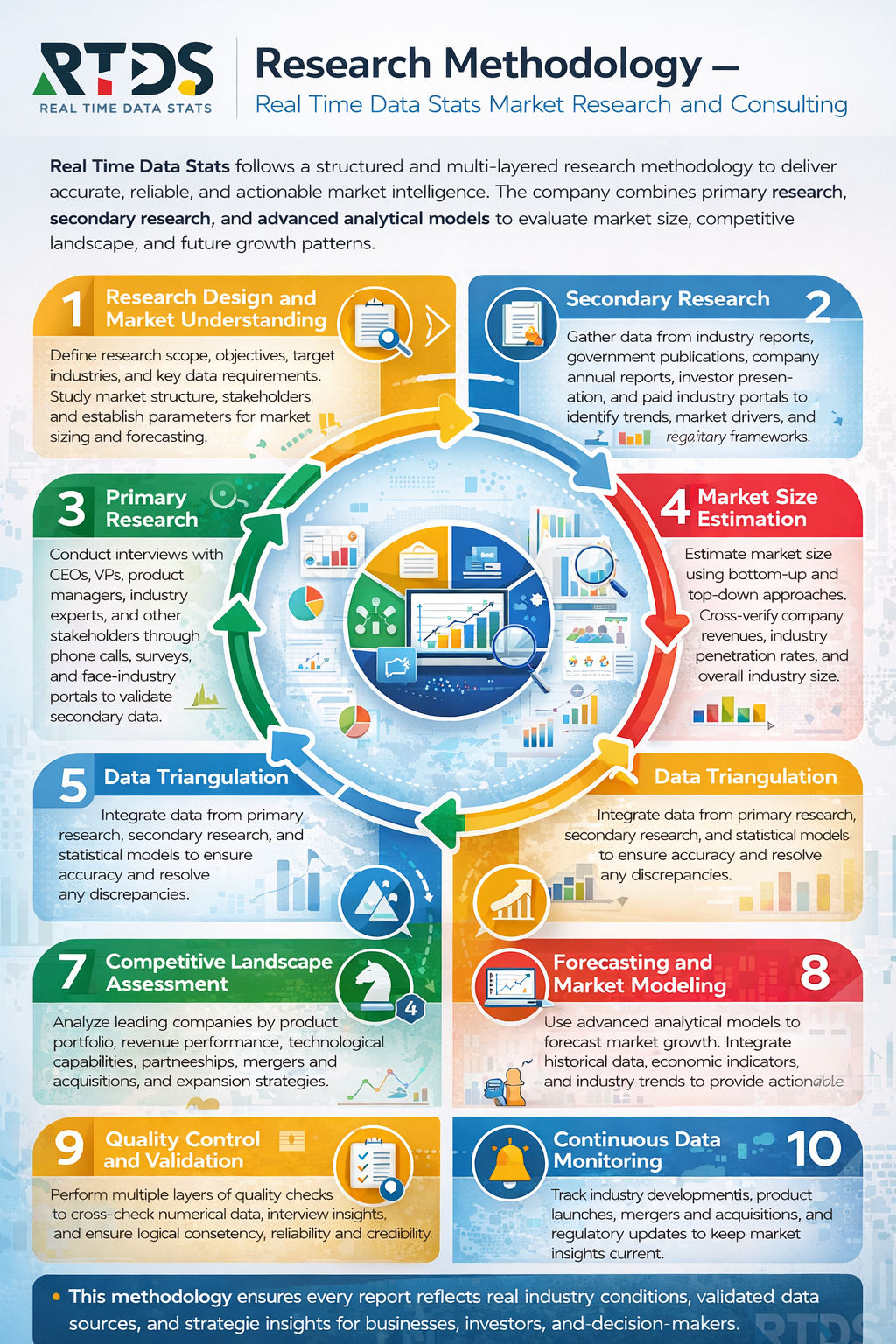
Research Methodology
- Data Collection Methods
- Primary Research
- Secondary Research
- Forecasting Models
- Assumptions
- Limitations
Market Dynamics
- Drivers
- Restraints
- Opportunities
- Challenges
Regulatory Impact
- Technological Advancements
- Industry Value Chain Analysis
- Raw Material Suppliers
- Manufacturers
- Distributors
- Retail Channels
- End-Users
- After-Sales Services
Pricing Analysis
- Regional Pricing Trends
- Product Type Pricing
- Margin Analysis
- Discount Structures
- Bulk Procurement Trends
- Cost Components
Extreme Weather Workforce Safety Gear Market Segmentation
- By Type:
- Thermal protective clothing
- Cooling vests and apparel
- Insulated gloves
- Weather-resistant footwear
- Protective headgear
- Eye and face protection
- By Application:
- Construction
- Mining
- Oil & gas
- Agriculture
- Transportation & logistics
- Utilities & power generation
- By End User:
- Industrial workers
- Outdoor labor workforce
- Emergency responders
- Military & defense personnel
- Public service workers
- Commercial workforce
- By Product Category:
- Apparel
- Footwear
- Gloves
- Head protection
- Eye & face protection
- Accessories
- By Material Type:
- Polyester
- Nylon
- Cotton blends
- Rubber
- Neoprene
- Advanced composites
- By Protection Level:
- Low-temperature protection
- High-temperature protection
- Wind protection
- Rain protection
- UV protection
- Multi-hazard protection
- By Distribution Channel:
- Direct sales
- Distributors & wholesalers
- Retail stores
- Online platforms
- Industrial supply stores
- Specialty safety stores
- By Climate Condition:
- Extreme cold
- Extreme heat
- Heavy rainfall
- Snow & ice
- High wind
- Desert climate
- By Technology Integration:
- Passive insulation
- Active heating systems
- Phase-change materials
- Smart wearable sensors
- Breathable membrane technology
- Lightweight composite design
Regional Analysis
- North America
- Europe
- Asia Pacific
- Latin America
- Middle East & Africa
- Country-Level Breakdown
Competitive Landscape
- Market Share Analysis
- Company Profiles
- Product Portfolio
- Strategic Developments
- Mergers & Acquisitions
- Partnerships & Collaborations
Innovation & Technology Trends
- Smart Wearables
- IoT Integration
- Sustainable Materials
- AI Monitoring Systems
- Advanced Fabrics
- Safety Automation
Distribution Channel Analysis
- Online Channels
- Offline Retail
- Direct Sales
- Industrial Contracts
- Third-Party Vendors
- Government Procurement
Investment & Funding Analysis
- Venture Capital Trends
- Private Equity
- Government Grants
- R&D Investments
- Startup Ecosystem
- Expansion Strategies
Conclusion
- Market summary
- Key findings
- Strategic insights
Appendix
- Abbreviations
- Data Sources
- Glossary
- Research Notes
- Legal Disclaimer
- Contact Information
List of Tables
- Table:1: Global Market Size Overview
- Table:2: Market Growth Rate Comparison
- Table:3: Heat Protection Gear Revenue
- Table:4: Cold Protection Gear Revenue
- Table:5: Rain Protection Gear Revenue
- Table:6: Wind Protection Gear Revenue
- Table:7: Storm Protection Gear Revenue
- Table:8: Fire & Flame Gear Revenue
- Table:9: Flood Safety Gear Revenue
- Table:10: High Visibility Gear Revenue
- Table:11: Respiratory Gear Revenue
- Table:12: Multi-Climate Gear Revenue
- Table:13: Regional Market Share
- Table:14: Application Industry Share
- Table:15: Competitive Market Ranking
List of Figures
- Figure:1: Market Overview Diagram
- Figure:2: Market Growth Trend
- Figure:3: Value Chain Illustration
- Figure:4: Pricing Structure Graph
- Figure:5: Heat Protection Gear Chart
- Figure:6: Cold Protection Gear Chart
- Figure:7: Rain Protection Gear Chart
- Figure:8: Wind Protection Gear Chart
- Figure:9: Storm Protection Gear Chart
- Figure:10: Fire & Flame Gear Chart
- Figure:11: Flood Safety Gear Chart
- Figure:12: High Visibility Gear Chart
- Figure:13: Respiratory Gear Chart
- Figure:14: Multi-Climate Gear Chart
- Figure:15: Regional Distribution Map
Extreme Weather Workforce Safety Gear Market Key Factors
Drivers:
- Employers prioritize worker safety, boosting demand for advanced thermal gear.
- Stricter government regulations force industries to adopt certified protective clothing.
- Rising frequency of heatwaves and polar vortexes expands need for season-specific equipment.
Restraints:
- High costs for R&D and advanced materials limit small-business adoption.
- Bulky designs reduce mobility, causing worker resistance in daily use.
- Limited product standardization across regions creates compliance confusion.
Opportunities:
- Smart textiles with body-temperature sensors open premium market segments.
- Emerging economies industrialize, requiring new cold-storage and outdoor gear.
- Rental and subscription models for gear lower entry barriers for SMEs.
Challenges:
- Supply chain disruptions for specialty fabrics delay production schedules.
- Balancing breathability with extreme protection remains a technical hurdle.
- Counterfeit low-cost products undercut authentic safety equipment sales.
Extreme Weather Workforce Safety Gear Market Key Regional Trends
North America:
- Oil & gas sectors in Canada mandate multi-layered insulated workwear.
- Wildfire seasons drive California employers to buy fire-resistant hoods and masks.
- Logistics giants adopt heated glove lines for frozen-warehouse workers.
Europe:
- Nordic construction sites integrate GPS-tracked smart jackets for Arctic conditions.
- EU climate laws push automakers to equip outdoor assembly staff with cooling vests.
- German chemical plants switch to chemically resistant, weather-proof coveralls.
Asia-Pacific:
- Chinese port authorities require typhoon-proof rain gear for dockworkers.
- Indian metro rail projects supply solar-powered cooling helmets for summer.
- Australian mining companies use UV-protective, breathable fabrics for outback heat.
Middle East & Africa:
- Gulf oil refineries mandate silver-reflective suits against radiant heat.
- South African deep mines adopt impact-resistant, cold-gear for underground shifts.
- UAE event organizers equip outdoor staff with personal misting systems.
Latin America:
- Brazilian agribusiness outfits harvest teams with humidity-wicking, sun-protective shirts.
- Andean mining operations utilize oxygen-integrated gear for high-altitude cold.
- Chilean salmon farms provide quick-dry, insulated waders for freezing waters.
Frequently Asked Questions
Key Questions Answered
- What is the size and growth rate of the market industry?
- What are the main drivers influencing market growth trends?
- What are the key challenges and restraints faced by the market?
- What are the emerging trends and opportunities shaping the market?
- Who are the top players, and what strategies drive their success?
- What are the customer demographics and their buying behaviors?
- What are the key market segments, and what is their scope?
- What are the geographical dynamics, and which region dominates?
- What are the market forecasts and projections for the next decade?
- What regulatory factors are critical to consider for market growth?
Why Choose our Company?
- Major facts and stats backing every report we offer.
- Comprehensive analysis tailored to your business needs.
- Accurate insights backed by extensive market research.
- Expert support to address your queries promptly.
- Data-driven strategies for better decision-making.
- In-depth reports with actionable
recommendations. - Reliable statistics from trusted industry
sources. - Customizable reports to suit your specific goals.
- Unmatched quality and precision in market analysis.
- Competitive pricing with premium content delivery.
Share your experience!
We value you feedback. Please take a moment to review your experience with us.