
According to insights from Real Time Data Stats, the Extreme Climate Crop Genetics Market was valued at USD 0.518 billion in 2025. It is expected to grow from USD 0.62 billion in 2026 to USD 1.49 billion by 2033, registering a CAGR of 14.1% during the forecast period (2026–2033).
MARKET SIZE AND SHARE
The global extreme climate crop genetics market is driven by escalating climate volatility and rising food security demands. Market share is currently concentrated among a few multinational agribiotech companies and specialized seed developers with advanced gene-editing and trait discovery platforms focused on resilience.
This trend reflects increased adoption of drought-tolerant, flood-resistant, and heat-tolerant seed varieties. Market share dynamics are likely to shift as new entrants leveraging CRISPR and AI-driven breeding tools capture niche segments. The competitive landscape will intensify, with collaborations between public research institutions and private firms redistributing market share, particularly in developing regions facing acute climatic stress.
INDUSTRY OVERVIEW AND STRATEGY
The extreme climate crop genetics industry comprises entities developing seeds engineered for resilience against abiotic stresses like drought, salinity, and extreme temperatures. Core activities involve advanced molecular breeding, gene editing, and genomic selection. The strategic imperative is to accelerate breeding cycles and deliver scalable solutions to safeguard global crop yields, directly addressing the vulnerabilities exposed by climate change in conventional agriculture systems worldwide.
Key corporate strategies include heavy investment in R&D for proprietary trait libraries and strategic acquisitions of niche biotech startups. Firms are forming partnerships with global agricultural cooperatives and governments for trait localization and field testing. A central strategic focus is navigating complex regulatory landscapes for genetically edited crops while building farmer trust through demonstration plots and outcome-based value propositions centered on yield stability.
REGIONAL TRENDS AND GROWTH
Regionally, North America and Europe lead in technology development and commercialization, supported by advanced research infrastructure and proactive regulatory updates for gene-edited crops. The Asia-Pacific region exhibits the highest growth trajectory, driven by massive agrarian populations in India and China confronting water scarcity and temperature shifts. Latin America and Africa represent high-opportunity markets, where climate stresses directly threaten staple food crops and economic stability.
Primary growth drivers include severe climate events, supportive government policies, and technological advancements in genomics. Significant restraints involve regulatory heterogeneity, public GMO skepticism, and high R&D costs. Opportunities lie in developing climate-resilient staples for smallholder farmers and digital integration for trait monitoring. Key challenges are ensuring seed affordability, protecting intellectual property in emerging markets, and addressing the multifactorial nature of climate stress through complex genetic solutions.
EXTREME CLIMATE CROP GENETICS MARKET SEGMENTATION ANALYSIS
BY TYPE:
The drought-resistant, heat-tolerant, and salinity-tolerant crop genetics segments dominate due to rising water scarcity, prolonged heatwaves, and expanding soil salinization across major agricultural belts. Increasing unpredictability in rainfall patterns pushes seed developers to prioritize traits that stabilize yield under moisture stress. Governments and multilateral agencies actively fund drought and heat resilience programs, accelerating commercialization. Farmers in arid and semi-arid regions rapidly adopt these varieties to safeguard productivity, making abiotic stress-focused genetic solutions the strongest revenue-contributing type segment globally.
The flood-tolerant, cold & frost-resistant, and pest & disease-resilient genetics segments gain traction as extreme precipitation events and unexpected cold spells intensify. Climate variability expands pest migration zones, increasing crop vulnerability and strengthening demand for stacked resistance traits. Public breeding institutions and biotech firms collaborate to integrate multi-stress tolerance into elite cultivars. Regions prone to cyclones, flash floods, and temperature volatility prioritize these genetic innovations, positioning this category as a critical defensive strategy for climate risk mitigation.
BY TECHNOLOGY:
CRISPR & gene editing, marker-assisted selection, and genomic selection lead the technology landscape due to precision, speed, and cost-efficiency advantages. Gene editing significantly reduces breeding cycles, enabling rapid development of stress-adaptive varieties. Marker-assisted and genomic selection improve trait predictability and accelerate large-scale screening. Regulatory shifts favoring gene-edited crops in several countries further strengthen adoption. Private investments in molecular breeding infrastructure and advanced bioinformatics platforms reinforce the dominance of these high-accuracy genetic improvement technologies.
Transgenic technology, RNA interference, and molecular breeding techniques remain influential, particularly in regions with established GMO frameworks. Transgenic crops continue to deliver proven stress tolerance and pest resistance at commercial scale. RNAi technologies enhance targeted gene silencing for climate-responsive traits. Meanwhile, advanced molecular breeding integrates phenomics and genotyping platforms to refine selection efficiency. Continuous R&D funding and patent expansions sustain these technologies as foundational pillars supporting next-generation climate-resilient crop development.
BY CROP TYPE:
Cereals & grains, oilseeds & pulses, and fruits & vegetables command the largest share due to their central role in global food security and trade. Staple crops such as wheat, rice, and maize face significant climate exposure, compelling large-scale genetic interventions. Oilseeds and pulses support protein demand and rotational farming systems, increasing breeding investments. High-value fruits and vegetables require stress tolerance to maintain quality and export competitiveness, reinforcing this segment’s strategic importance.
Forage crops, plantation crops, and commercial & industrial crops expand steadily as livestock feed security and agro-industrial supply chains face climate stress. Forage resilience ensures dairy and meat production stability. Plantation crops such as coffee, cocoa, and tea require adaptive genetics to address shifting temperature zones. Industrial crops like cotton and biofuel feedstocks depend on stress-resistant traits to sustain fiber and energy markets, strengthening diversification across climate-exposed agricultural systems.
BY TRAIT TYPE:
Abiotic stress tolerance and yield enhancement traits dominate due to their direct influence on productivity stability under extreme weather. Traits improving drought, heat, and salinity tolerance significantly reduce yield volatility. Yield-enhancing genetics combined with stress resilience create dual economic value for farmers. As climate extremes intensify, seed developers focus on multi-trait stacking to maximize output under constrained environmental conditions, reinforcing this segment’s revenue leadership.
Biotic stress resistance, nutrient-use efficiency, water-use efficiency, and soil adaptability traits gain importance as climate change alters pest cycles and soil health. Resistance traits reduce pesticide dependency, supporting sustainable agriculture goals. Nutrient and water efficiency traits lower input costs while improving resilience in resource-scarce environments. Soil adaptability genetics enhance performance across degraded or marginal lands, expanding cultivation possibilities and driving broader adoption in emerging markets.
BY APPLICATION:
Open field farming and dryland farming represent the largest application segments due to extensive exposure to climatic variability. Farmers operating in rainfed and drought-prone areas prioritize resilient seeds to secure baseline productivity. Large-scale cultivation areas amplify revenue generation for stress-tolerant varieties. Government-backed climate adaptation initiatives further encourage adoption in traditional agricultural landscapes.
Controlled environment agriculture, coastal & saline agriculture, high-altitude farming, and urban & vertical farming show accelerated growth as niche but strategic segments. Controlled systems integrate genetics optimized for resource efficiency and compact growth cycles. Coastal and saline regions demand salt-tolerant cultivars due to rising sea levels. High-altitude and urban farming rely on specialized genetics to overcome temperature and space constraints, enhancing segment diversification.
BY END USER:
Commercial farmers and seed companies dominate due to their purchasing power and influence over large-scale adoption. Commercial growers invest heavily in high-performance seeds to protect yield margins. Seed companies continuously expand R&D pipelines to address region-specific climate challenges. Their distribution networks ensure rapid penetration of improved genetic varieties across key agricultural markets.
Smallholder farmers, research institutes, biotechnology firms, and government agencies collectively shape long-term growth. Smallholders adopt resilient seeds to mitigate subsistence risk. Research institutes drive innovation through public breeding programs. Biotechnology firms introduce advanced molecular solutions, while governments support subsidy schemes and climate adaptation strategies, fostering inclusive market expansion.
BY BREEDING METHOD:
Conventional, hybrid, and backcross breeding maintain strong presence due to established reliability and farmer familiarity. Hybrid breeding enhances vigor and stress performance, sustaining commercial appeal. Backcross strategies efficiently integrate specific tolerance traits into elite cultivars. These methods provide cost-effective pathways in regions with limited biotechnology infrastructure.
Mutation breeding, speed breeding, and synthetic biology approaches accelerate innovation cycles and enhance genetic diversity. Speed breeding shortens generation time, enabling rapid trait development. Synthetic biology introduces advanced trait stacking and metabolic pathway engineering. These advanced methodologies strengthen the technological edge of companies targeting high-value climate-resilient solutions.
BY DEPLOYMENT MODE:
Licensed seed distribution and direct seed sales account for major revenue streams due to structured commercialization channels. Licensing agreements enable technology transfer across geographies. Direct sales models improve farmer accessibility and brand loyalty. Strong distribution partnerships increase penetration into climate-vulnerable agricultural zones.
Contract farming programs, public-private partnerships, research collaborations, and government subsidized programs expand market reach. Collaborative models facilitate knowledge transfer and risk sharing. Subsidized distribution accelerates adoption among smallholders. Strategic alliances between public institutions and private biotech firms reinforce long-term resilience-oriented seed deployment strategies.
BY CLIMATE CONDITION TARGETED:
Arid & semi-arid, tropical, and temperate regions represent dominant focus areas due to high exposure to drought, heat stress, and rainfall variability. Genetic programs tailor solutions to region-specific stress combinations. Expanding desertification and tropical storm intensity strengthen demand for adaptive cultivars in these zones.
Coastal, mountainous, and desert regions gain strategic importance as climate shifts alter agricultural suitability patterns. Coastal salinity intrusion drives salt-tolerant seed demand. Mountainous regions require cold and altitude-adaptive traits. Desert agriculture initiatives increasingly rely on genetically resilient varieties to expand cultivable land, reinforcing this niche segment’s growth trajectory.
RECENT DEVELOPMENTS
- In Jan 2024: Bayer launched its new short-stature corn hybrid, engineered for root system resilience against high winds and drought, following extensive North American field trials in 2023.
- In Mar 2024: Corteva Agriscience and BASF announced a major multi-year collaboration to accelerate the development of next-generation drought-tolerant soybean varieties using combined gene-editing platforms.
- In Jul 2024: Benson Hill divested its fresh food business to fully concentrate resources and capital on its core ultra-high protein soybean and climate-resilient crop genetics portfolio.
- In Nov 2024: Pairwise, a food-tech startup, received regulatory approval from the USDA for its first commercial product, a climate-adapted leafy green designed for higher temperature growth.
- In Feb 2025: Syngenta Group unveiled its new ""Climate-Resilient Rice"" platform in Asia, introducing varieties with enhanced submergence tolerance and salinity resistance for vulnerable delta regions.
KEY PLAYERS ANALYSIS
- Bayer AG (Crop Science Division)
- Corteva Agriscience
- Syngenta Group (ChemChina)
- BASF SE (Agricultural Solutions)
- Limagrain
- KWS SAAT SE
- DLF Seeds
- Benson Hill
- Pairwise
- Climate LLC (Bayer Subsidiary)
- Arcadia Biosciences
- Equinom
- Hudson River Biotechnology
- KeyGene
- Inari Agriculture
- Valent BioSciences
- BIOFIX S.A.
- Grupo Público Andaluz
- VIB-UGent Center for Plant Systems Biology
- Maharashtra Hybrid Seeds Company (MAHYCO)
Extreme Climate Crop Genetics Market Segmentation Analysis
By Type:
- Drought-Resistant Crop Genetics
- Heat-Tolerant Crop Genetics
- Flood-Tolerant Crop Genetics
- Salinity-Tolerant Crop Genetics
- Cold & Frost-Resistant Crop Genetics
- Pest & Disease-Resistant Climate-Resilient Genetics
By Technology:
- CRISPR & Gene Editing
- Marker-Assisted Selection
- Genomic Selection
- Transgenic Technology
- RNA Interference
- Molecular Breeding Techniques
By Crop Type:
- Cereals & Grains
- Oilseeds & Pulses
- Fruits & Vegetables
- Forage Crops
- Plantation Crops
- Commercial & Industrial Crops
By Trait Type:
- Abiotic Stress Tolerance Traits
- Biotic Stress Resistance Traits
- Yield Enhancement Traits
- Nutrient-Use Efficiency Traits
- Water-Use Efficiency Traits
- Soil Adaptability Traits
By Application:
- Open Field Farming
- Controlled Environment Agriculture
- Dryland Farming
- Coastal & Saline Agriculture
- High-Altitude Farming
- Urban & Vertical Farming
By End User:
- Commercial Farmers
- Smallholder Farmers
- Seed Companies
- Agricultural Research Institutes
- Biotechnology Firms
- Government Agricultural Agencies
By Breeding Method:
- Conventional Breeding
- Hybrid Breeding
- Backcross Breeding
- Mutation Breeding
- Speed Breeding
- Synthetic Biology Approaches
By Deployment Mode:
- Licensed Seed Distribution
- Direct Seed Sales
- Contract Farming Programs
- Public-Private Partnerships
- Research Collaborations
- Government Subsidized Programs
By Climate Condition Targeted:
- Arid & Semi-Arid Regions
- Tropical Regions
- Temperate Regions
- Coastal Regions
- Mountainous Regions
- Desert Regions
By Geography:
- North America (USA, Canada, Mexico)
- Europe (UK, Germany, France, Italy, Spain, Rest of Europe)
- Asia-Pacific (China, Japan, Australia, South Korea, India, Rest of Asia-Pacific)
- South America (Brazil, Argentina, Rest of South America)
- Middle East and Africa (GCC Countries, South Africa, Rest of MEA)
Extreme Climate Crop Genetics Market: Table of Contents
Executive Summary
- Market Snapshot
- Key Findings
- Strategic Insights
- Analyst Perspective
- Market Outlook
Introduction
- Market Definition
- Scope of Study
- Research Objectives
- Study Assumptions
- Research Methodology Overview
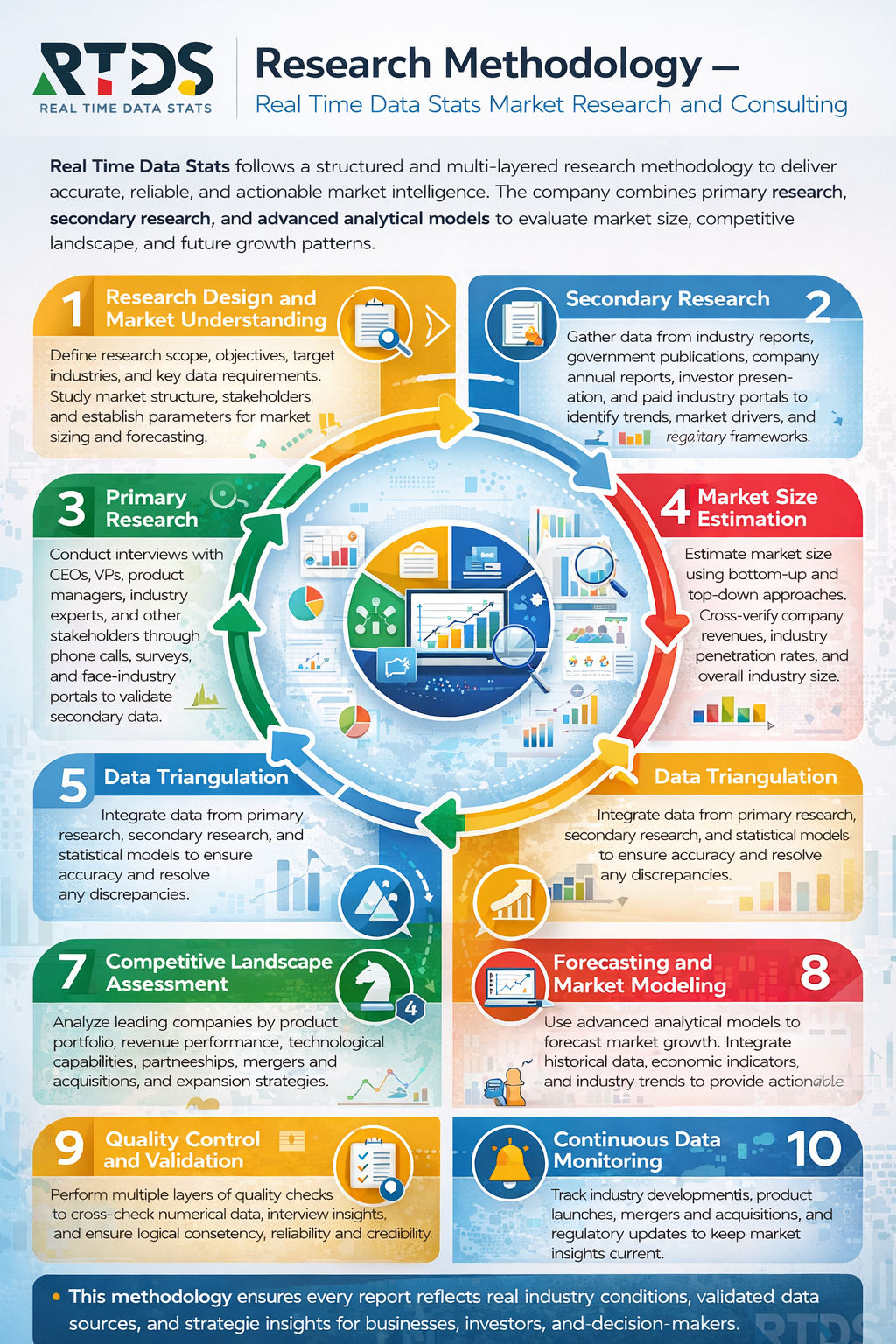
Research Methodology
- Primary Research
- Secondary Research
- Data Triangulation
- Market Size Estimation Model
- Forecasting Approach
- Limitations & Validation
Market Overview
- Industry Evolution
- Climate Change Impact on Crop Genetics
Regulatory Landscape
- Value Chain Analysis
- Supply Chain Mapping
- Pricing Analysis
- Patent Landscape
- Investment & Funding Trends
Market Dynamics
- Drivers
- Restraints
- Opportunities
- Challenges
- Emerging Trends
Technological Advancements
- Extreme Climate Crop Genetics Market Size & Forecast
- Historical Market Size
- Current Market Valuation
- Forecast Analysis
- Growth Rate Assessment
- Revenue Projections by Segment
Extreme Climate Crop Genetics Market Segmentation Analysis
- By Type
- Drought-Resistant Crop Genetics
- Heat-Tolerant Crop Genetics
- Flood-Tolerant Crop Genetics
- Salinity-Tolerant Crop Genetics
- Cold & Frost-Resistant Crop Genetics
- Pest & Disease-Resistant Climate-Resilient Genetics
- By Technology
- CRISPR & Gene Editing
- Marker-Assisted Selection
- Genomic Selection
- Transgenic Technology
- RNA Interference
- Molecular Breeding Techniques
- By Crop Type
- Cereals & Grains
- Oilseeds & Pulses
- Fruits & Vegetables
- Forage Crops
- Plantation Crops
- Commercial & Industrial Crops
- By Trait Type
- Abiotic Stress Tolerance Traits
- Biotic Stress Resistance Traits
- Yield Enhancement Traits
- Nutrient-Use Efficiency Traits
- Water-Use Efficiency Traits
- Soil Adaptability Traits
- By Application
- Open Field Farming
- Controlled Environment Agriculture
- Dryland Farming
- Coastal & Saline Agriculture
- High-Altitude Farming
- Urban & Vertical Farming
- By End User
- Commercial Farmers
- Smallholder Farmers
- Seed Companies
- Agricultural Research Institutes
- Biotechnology Firms
- Government Agricultural Agencies
- By Breeding Method
- Conventional Breeding
- Hybrid Breeding
- Backcross Breeding
- Mutation Breeding
- Speed Breeding
- Synthetic Biology Approaches
- By Deployment Mode
- Licensed Seed Distribution
- Direct Seed Sales
- Contract Farming Programs
- Public-Private Partnerships
- Research Collaborations
- Government Subsidized Programs
- By Climate Condition Targeted
- Arid & Semi-Arid Regions
- Tropical Regions
- Temperate Regions
- Coastal Regions
- Mountainous Regions
- Desert Regions
Regional Analysis
- North America Market Analysis
- Europe Market Analysis
- Asia Pacific Market Analysis
- Latin America Market Analysis
- Middle East Market Analysis
- Africa Market Analysis
Competitive Landscape
- Market Share Analysis
- Company Profiling
- Product Portfolio Comparison
- Strategic Initiatives
- Mergers & Acquisitions
- R&D Investments
- Partnerships & Collaborations
Key Company Profiles
- Company Overview
- Financial Overview
- Product Portfolio
- Strategic Developments
- SWOT Analysis
Investment & Funding Analysis
- Venture Capital Trends
- Government Grants
- Private Equity Investments
- Innovation Funding
Regulatory & Policy Framework
- GMO Regulations
- Biosafety Policies
- Intellectual Property Rights
- Trade Policies
Future Outlook & Strategic Recommendations
- Emerging Innovation Areas
- Growth Opportunities
- Risk Mitigation Strategies
- Market Entry Strategies
Conclusion
- Market summary
- Key findings
- Strategic insights
Appendix
- Abbreviations
- Glossary of Terms
- List of Data Sources
- Research Contact Details
List of Tables
- Table:1: Global Market Size by Year
- Table:2: Market Size by Type
- Table:3: Market Size by Technology
- Table:4: Market Size by Crop Type
- Table:5: Market Size by Trait Type
- Table:6: Market Size by Application
- Table:7: Market Size by End User
- Table:8: Market Size by Breeding Method
- Table:9: Market Size by Deployment Mode
- Table:10: Market Size by Climate Condition Targeted
- Table:11: Regional Market Revenue Comparison
- Table:12: Key Company Revenue Analysis
- Table:13: R&D Investment by Major Players
- Table:14: Regulatory Framework Comparison by Region
- Table:15: Forecast Market Size by Region
List of Figures
- Figure:1: Extreme Climate Crop Genetics Market Overview
- Figure:2: Market Growth Rate Trend
- Figure:3: Market Share by Type
- Figure:4: Market Share by Technology
- Figure:5: Market Share by Crop Type
- Figure:6: Market Share by Trait Type
- Figure:7: Market Share by Application
- Figure:8: Market Share by End User
- Figure:9: Market Share by Breeding Method
- Figure:10: Market Share by Deployment Mode
- Figure:11: Market Share by Climate Condition Targeted
- Figure:12: Regional Market Distribution
- Figure:13: Competitive Landscape Mapping
- Figure:14: Investment Trend Analysis
- Figure:15: Future Market Forecast Graph
Extreme Climate Crop Genetics Market Key Factors
Drivers:
- Increasing extreme weather events compel farmers to seek resilient seed varieties.
- Governments and agencies boost funding for climate-adaptive agricultural research.
- Expanding population elevates the demand for reliable food production under stress.
Restraints:
- High research and development costs prolong the time to market for new traits.
- Complex regulatory frameworks delay the approval of genetically modified crops.
- Public skepticism and varying international policies hinder widespread technology adoption.
Opportunities:
- Advances in gene editing accelerate the development of precision-bred crops.
- Emerging economies with vulnerable agricultural sectors present new markets.
- Partnerships between seed companies and biotech firms expand innovation potential.
Challenges:
- Maintaining genetic diversity while breeding for specific stress traits remains difficult.
- Predicting the long-term efficacy of new genetics against evolving climate patterns is complex.
- Ensuring smallholder farmers can access and afford premium-priced resilient seeds.
Extreme Climate Crop Genetics Market Key Regional Trends
North America:
- Major seed companies intensify R&D for drought-tolerant corn and heat-resistant soybeans.
- Severe droughts and wildfires propel adoption of resilient forage and specialty crops.
- Investment surges in gene editing startups focusing on abiotic stress traits.
Europe:
- Policy focus shifts toward supporting CRISPR-edited crops under new sustainability goals.
- Breeding programs target improved flood and waterlogging tolerance in cereals.
- Consumer demand pushes development of non-GMO, climate-resilient varieties through genomics.
Asia-Pacific:
- Governments prioritize salt-tolerant rice varieties for coastal and delta regions.
- Private-sector partnerships address heat stress in vegetable and fruit production.
- Rapid commercialization of hybrid crops designed for monsoon variability gains traction.
Latin America:
- Research concentrates on developing soybean and maize varieties for prolonged droughts.
- Export pressures drive adoption of genetics that ensure yield stability and quality.
- Biotech firms expand local testing hubs for tailored subtropical and tropical solutions.
Middle East & Africa:
- International grants fund development of heat and drought-tolerant staple crops like sorghum and cowpea.
- Desalination and protected agriculture integrate with salt-tolerant genetics.
- Public-private initiatives aim to deliver affordable, resilient seeds to small-scale farmers.
Frequently Asked Questions
Key Questions Answered
- What is the size and growth rate of the market industry?
- What are the main drivers influencing market growth trends?
- What are the key challenges and restraints faced by the market?
- What are the emerging trends and opportunities shaping the market?
- Who are the top players, and what strategies drive their success?
- What are the customer demographics and their buying behaviors?
- What are the key market segments, and what is their scope?
- What are the geographical dynamics, and which region dominates?
- What are the market forecasts and projections for the next decade?
- What regulatory factors are critical to consider for market growth?
Why Choose our Company?
- Major facts and stats backing every report we offer.
- Comprehensive analysis tailored to your business needs.
- Accurate insights backed by extensive market research.
- Expert support to address your queries promptly.
- Data-driven strategies for better decision-making.
- In-depth reports with actionable
recommendations. - Reliable statistics from trusted industry
sources. - Customizable reports to suit your specific goals.
- Unmatched quality and precision in market analysis.
- Competitive pricing with premium content delivery.
Share your experience!
We value you feedback. Please take a moment to review your experience with us.