
According to insights from Real Time Data Stats, the Earthquake-Resilient Modular Construction Market was valued at USD 3.89 billion in 2025. It is expected to grow from USD 4.57 billion in 2026 to USD 13.51 billion by 2033, registering a CAGR of 16.9% during the forecast period (2026–2033).
MARKET SIZE AND SHARE
The global earthquake-resilient modular construction market is expanding due to rising seismic awareness and rapid urbanization in high-risk zones. Leading modular manufacturers and engineering firms dominate the market by integrating advanced base isolation and damping technologies into prefabricated structures.
Market dynamics will shift as new entrants focus on smart materials and AI-driven design, increasing competition for established players. Asia-Pacific is set to hold the largest revenue share, followed by North America. Growth will accelerate with stricter building codes and government-led infrastructure upgrades in earthquake-prone regions, strengthening demand for resilient construction solutions.
INDUSTRY OVERVIEW AND STRATEGY
The industry comprises firms specializing in designing, manufacturing, and assembling pre-engineered modules built to withstand seismic forces. It merges traditional modular construction with advanced engineering, utilizing steel moment frames, cross-laminated timber, and seismic joints. The core value proposition is offering faster, cost-effective, and safer building alternatives in earthquake-prone regions, serving residential, commercial, and critical infrastructure sectors demanding high reliability and reduced on-site construction time.
Key strategies involve heavy investment in research and development for new alloys and composite materials. Companies are forming strategic alliances with seismic research institutions and technology providers to integrate real-time structural health monitoring systems. Market differentiation is achieved through certification to international seismic resilience standards and offering full-service packages from design to maintenance, thereby building long-term client relationships in high-risk geographic markets.
REGIONAL TRENDS AND GROWTH
The Asia-Pacific region dominates, propelled by high seismic activity in Japan, New Zealand, and Indonesia, coupled with rapid urban development. Government mandates for disaster-resilient public housing and schools are primary drivers. North America shows strong growth due to code upgrades along the Pacific Ring of Fire and retrofitting programs. Europe's growth is steadier, focused on renovating historical buildings and critical infrastructure to new seismic standards.
Primary drivers include escalating climate-related disaster frequency and stringent regulatory frameworks. A significant restraint is the higher upfront cost compared to conventional construction. Opportunities lie in technological advancements like self-centering modules and the expansion into emerging economies with seismic risks. Major challenges include supply chain complexities for specialized materials, a skilled labor shortage, and the need for continuous education to shift industry perception towards modular solutions.
EARTHQUAKE-RESILIENT MODULAR CONSTRUCTION MARKET SEGMENTATION ANALYSIS
BY TYPE:
The by type segmentation is strongly influenced by engineering strength, weight distribution efficiency, and adaptability to seismic codes across diverse geographies. Steel modular structures dominate in high-risk earthquake zones due to superior tensile strength and recyclability, while concrete modules offer mass stability and fire resistance for urban infrastructure. Timber and engineered wood segments grow because of sustainability appeal and lighter structural loads that reduce seismic force impact. Hybrid structures combine durability and flexibility, enabling balanced performance across commercial and residential projects with optimized cost efficiency.
Technological innovation and manufacturing precision are also major dominant factors within this segment. 3D volumetric modules accelerate construction timelines and minimize site-level human error, making them attractive for emergency housing and rapid deployment projects. Panelized modular systems remain popular for customization and phased expansion possibilities. Investment in automated fabrication plants, material science improvements, and cross-laminated timber engineering significantly shapes demand patterns. Regulatory approvals, insurance incentives, and lifecycle maintenance costs further influence type-based selection in earthquake-prone construction markets.
BY APPLICATION:
The by application segmentation is primarily driven by occupancy safety requirements, building usage intensity, and compliance with regional disaster management policies. Residential buildings represent a dominant share because urban population growth and affordable housing needs push governments toward modular earthquake-safe solutions. Commercial buildings emphasize structural continuity and minimal downtime after seismic events, while industrial facilities prioritize vibration tolerance for machinery stability. Institutional, healthcare, and educational applications demand higher compliance standards due to public safety responsibilities and operational continuity necessities.
Another dominant factor is funding availability and long-term operational resilience expectations. Healthcare and educational facilities increasingly adopt modular earthquake-resistant systems due to the need for uninterrupted service during disasters. Commercial developers focus on rapid return on investment and tenant safety assurances. Industrial and institutional projects depend heavily on insurance requirements and regulatory certifications. Population density, emergency preparedness frameworks, and public-private partnership models significantly shape application-based segmentation growth and investment flows across both developed and developing economies.
BY BUILDING HEIGHT:
The by building height segmentation is largely influenced by structural load dynamics, lateral force management, and urban land scarcity. Low-rise and single-story modular structures dominate suburban and rural markets because of cost efficiency and simplified seismic reinforcement needs. Mid-rise and multi-story complexes are increasingly preferred in expanding urban centers where space optimization and rapid development are essential. High-rise and skyscraper modular units demand advanced engineering, reinforced cores, and innovative damping technologies to maintain structural integrity during intense seismic activity.
Technological feasibility and regulatory approval also serve as dominant factors within this segment. High-rise modular construction benefits from digital twin modeling, prefabricated reinforced cores, and advanced connection systems that enhance stability. Multi-story developments attract investors due to faster construction cycles and predictable quality outcomes. Insurance premiums, zoning regulations, and engineering expertise availability influence adoption across height categories. Population density trends, land value escalation, and metropolitan redevelopment projects continue to drive segmentation dynamics in earthquake-resilient modular construction markets.
BY MATERIAL GRADE:
The by material grade segmentation is driven by strength-to-weight ratios, durability expectations, and environmental sustainability considerations. High-strength steel and reinforced concrete remain dominant due to proven seismic performance and long lifecycle reliability. Engineered timber gains traction as eco-friendly construction practices grow globally, offering flexibility and lighter structural mass that reduces earthquake impact forces. Composite materials and fiber-reinforced polymers contribute to innovation by enhancing energy absorption capacity and corrosion resistance in challenging environmental conditions.
Cost efficiency and technological advancement further influence this segment’s dominance patterns. Lightweight alloys and advanced composites enable modular transportation efficiency and faster assembly, reducing logistical expenses. Environmental certifications, carbon footprint targets, and recycling potential significantly affect material selection decisions. Government green building incentives and insurance risk assessments also shape demand. Continuous research in nano-reinforced materials, hybrid composites, and fire-resistant treatments ensures evolving competitiveness across material grades within earthquake-resilient modular construction ecosystems.
BY CONSTRUCTION METHOD:
The by construction method segmentation is primarily shaped by speed of deployment, labor availability, and quality control precision. Off-site prefabrication dominates because it reduces weather dependency, enhances manufacturing consistency, and minimizes on-site seismic risks during construction phases. On-site assembly remains relevant for customized or location-specific projects where transport limitations exist. Flat-pack modular solutions gain traction in remote or disaster-relief zones due to portability and simplified logistics, ensuring efficient emergency response infrastructure development.
Automation, digital design integration, and cost optimization serve as additional dominant factors. Pre-engineered and plug-and-play modules significantly reduce engineering uncertainties while improving scalability for commercial and institutional projects. Custom modular fabrication attracts premium markets seeking architectural uniqueness without compromising earthquake resilience. Investment in robotics, BIM software, and advanced supply chain coordination enhances productivity. Regulatory timelines, workforce skill levels, and regional manufacturing capacities ultimately influence construction method segmentation across global modular construction markets.
BY END USER:
The by end user segmentation is influenced by funding capacity, safety accountability, and long-term infrastructure planning priorities. Government and public sector entities dominate due to large-scale urban redevelopment initiatives and mandatory disaster preparedness programs. Private developers focus on profitability, rapid turnover, and compliance certifications that increase property value. Corporate enterprises prioritize business continuity and employee safety, while defense and military sectors emphasize mobility, durability, and strategic deployment in high-risk seismic regions.
Social responsibility and emergency response requirements further shape this segment. NGOs and relief organizations adopt modular earthquake-resistant systems for rapid shelter deployment and humanitarian missions. Individual homeowners increasingly demand resilient modular homes due to rising awareness of seismic risks and insurance benefits. Economic stability, mortgage accessibility, and public policy incentives significantly influence purchasing behavior. Demographic growth, urban migration, and infrastructure modernization programs continue to define end-user segmentation trends globally.
BY SEISMIC PROTECTION TECHNOLOGY:
The by seismic protection technology segmentation is dominated by innovation in vibration control, structural flexibility, and energy dissipation efficiency. Base isolation systems lead in high-magnitude earthquake zones by separating building structures from ground motion. Shock absorbers, dampers, and seismic bracing systems enhance structural endurance by reducing oscillation intensity. Reinforced joints and connectors ensure modular integrity, preventing catastrophic failures during seismic stress, making them essential components in multi-story and commercial modular developments.
Smart monitoring sensors and flexible foundation systems represent emerging dominant factors within this segment. Real-time data analytics, IoT integration, and predictive maintenance capabilities improve safety and insurance compliance. Technological affordability and engineering expertise availability strongly affect adoption rates. Government mandates, construction codes, and public awareness campaigns drive technological integration across new and retrofit projects. Continuous R&D in adaptive materials and automated response mechanisms strengthens this segmentation’s long-term growth potential.
BY MODULE SIZE:
The by module size segmentation is driven by transportation efficiency, site accessibility, and scalability requirements. Small and compact micro units dominate temporary housing, disaster relief, and urban infill projects due to ease of mobility and reduced installation complexity. Medium and large modules cater to residential and commercial developments requiring balanced structural strength and interior flexibility. Extra-large and expandable modules support institutional and industrial needs where rapid space expansion is crucial without major structural alterations.
Economic feasibility and customization potential further influence dominance patterns. Expandable modules attract developers seeking phased construction strategies and future growth adaptability. Logistics infrastructure, crane availability, and transportation regulations significantly affect size selection. Manufacturing standardization and modular stacking technologies improve efficiency for larger units. Population density, land pricing, and emergency response planning continue to shape module size segmentation dynamics in earthquake-resilient modular construction markets.
BY DESIGN TYPE:
The by design type segmentation is shaped by aesthetic preferences, functional requirements, and sustainability priorities. Standardized designs dominate cost-sensitive markets due to repeatability and reduced engineering expenses. Customized and luxury modular designs gain traction in premium residential and commercial sectors where architectural uniqueness and branding value are critical. Eco-friendly designs benefit from green certifications and energy efficiency targets, aligning with global environmental regulations and consumer awareness trends.
Digital transformation and lifestyle evolution act as additional dominant factors. Smart or IoT-enabled designs integrate automation, structural health monitoring, and remote control capabilities, enhancing safety and convenience. Temporary and portable designs serve emergency housing and mobile infrastructure needs effectively. Market competitiveness, consumer income levels, and technological accessibility influence design selection. Continuous innovation in sustainable materials, modular aesthetics, and smart integration ensures dynamic growth across design-based segmentation.
RECENT DEVELOPMENTS
- In Jan 2024: Skanska and nVent announce a partnership to integrate advanced electrical grounding and seismic monitoring systems directly into modular building designs for enhanced resilience.
- In Mar 2024: Guerdon Modular Buildings receives certification for its new steel-framed modular system meeting the rigorous FEMA P-1050 seismic standards, targeting critical infrastructure projects in the Western U.S.
- In Jul 2024: Japan’s Daiwa House Industry launches a new ""Quake-Resistant"" prefab housing line featuring proprietary damping wall technology, achieving the highest national seismic rating.
- In Nov 2024: Bouygues Batiment International secures a €300 million contract to deliver earthquake-resilient modular schools and hospitals across Türkiye's affected provinces, utilizing shock-absorbing foundations.
- In Feb 2025: A collaboration between Katerra's legacy tech and a Stanford research team yields a prototype of a modular unit with shape-memory alloy joints that self-center after seismic events.
KEY PLAYERS ANALYSIS
- Guerdon Modular Buildings (A Berkshire Hathaway Company)
- Skanska AB
- Bouygues Construction
- Daiwa House Industry Co., Ltd.
- Laing O'Rourke
- Katerra (Key assets and IP acquired by others)
- ATCO
- Red Sea International Company
- Modular Genius Inc.
- Palomar Modular Buildings
- Clark Pacific
- Elements Europe
- Horizon North Logistics Inc.
- Kleusberg GmbH & Co. KG
- Alta-Fab Structures Ltd.
- Norskapus AS
- Stéphane Pion Group
- Vinci Construction
- Sekisui House, Ltd.
- Blokable
Earthquake-Resilient Modular Construction Market Segmentation Analysis
By Type:
- Steel Modular Structures
- Concrete Modular Structures
- Timber / Wood Modular Structures
- Hybrid Modular Structures
- 3D Volumetric Modules
- Panelized Modular Systems
By Application:
- Residential Buildings
- Commercial Buildings
- Industrial Facilities
- Institutional Buildings
- Healthcare Facilities
- Educational Buildings
By Building Height:
- Low-Rise Structures
- Mid-Rise Structures
- High-Rise Structures
- Multi-Story Complexes
- Single-Story Units
- Skyscraper Modular Units
By Material Grade:
- High-Strength Steel
- Reinforced Concrete
- Engineered Timber
- Composite Materials
- Fiber-Reinforced Polymers
- Lightweight Alloys
By Construction Method:
- Off-Site Prefabrication
- On-Site Assembly
- Flat-Pack Modular
- Pre-Engineered Modules
- Plug-and-Play Modules
- Custom Modular Fabrication
By End User:
- Government & Public Sector
- Private Developers
- Corporate Enterprises
- Defense & Military
- NGOs & Relief Organizations
- Individual Homeowners
By Seismic Protection Technology:
- Base Isolation Systems
- Shock Absorbers / Dampers
- Flexible Foundation Systems
- Reinforced Joints & Connectors
- Seismic Bracing Systems
- Smart Monitoring Sensors
By Module Size:
- Small Modules
- Medium Modules
- Large Modules
- Extra-Large Modules
- Compact Micro Units
- Expandable Modules
By Design Type:
- Standardized Designs
- Customized Designs
- Luxury Modular Designs
- Eco-Friendly Designs
- Smart / IoT-Enabled Designs
- Temporary / Portable Designs
By Geography:
- North America (USA, Canada, Mexico)
- Europe (UK, Germany, France, Italy, Spain, Rest of Europe)
- Asia-Pacific (China, Japan, Australia, South Korea, India, Rest of Asia-Pacific)
- South America (Brazil, Argentina, Rest of South America)
- Middle East and Africa (GCC Countries, South Africa, Rest of MEA)
Earthquake-Resilient Modular Construction Market: Table of Contents
Executive Summary
- Market Introduction
- Market Definition
- Market Scope
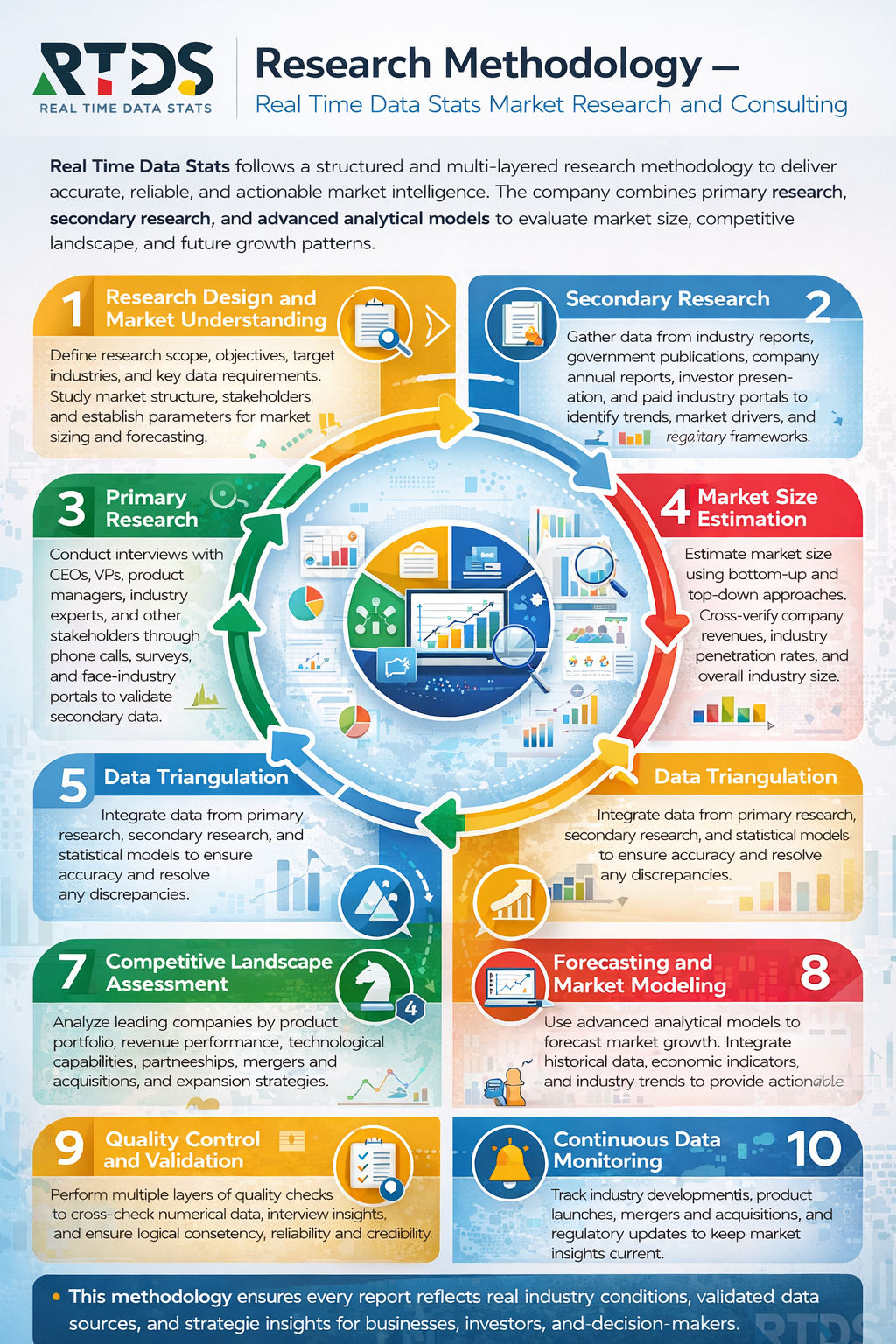
- Research Methodology
- Data Sources
- Assumptions & Limitations
Market Overview
- Market Dynamics
- Market Drivers
- Market Restraints
- Market Opportunities
- Market Challenges
- Market Trends
- Value Chain Analysis
- Supply Chain Analysis
Pricing Analysis
- Regulatory Framework
- Technological Advancements
- Investment & Funding Landscape
- Global Market Size & Forecast
- Market Share Analysis
Competitive Landscape
- Company Positioning Matrix
- Strategic Developments
- Mergers & Acquisitions
- Partnerships & Collaborations
- New Product Launches
Earthquake-Resilient Modular Construction Market Segmentation Analysis
- By Type
- Steel Modular Structures
- Concrete Modular Structures
- Timber / Wood Modular Structures
- Hybrid Modular Structures
- 3D Volumetric Modules
- Panelized Modular Systems
- By Application
- Residential Buildings
- Commercial Buildings
- Industrial Facilities
- Institutional Buildings
- Healthcare Facilities
- Educational Buildings
- By Building Height
- Low-Rise Structures
- Mid-Rise Structures
- High-Rise Structures
- Multi-Story Complexes
- Single-Story Units
- Skyscraper Modular Units
- By Material Grade
- High-Strength Steel
- Reinforced Concrete
- Engineered Timber
- Composite Materials
- Fiber-Reinforced Polymers
- Lightweight Alloys
- By Construction Method
- Off-Site Prefabrication
- On-Site Assembly
- Flat-Pack Modular
- Pre-Engineered Modules
- Plug-and-Play Modules
- Custom Modular Fabrication
- By End User
- Government & Public Sector
- Private Developers
- Corporate Enterprises
- Defense & Military
- NGOs & Relief Organizations
- Individual Homeowners
- By Seismic Protection Technology
- Base Isolation Systems
- Shock Absorbers / Dampers
- Flexible Foundation Systems
- Reinforced Joints & Connectors
- Seismic Bracing Systems
- Smart Monitoring Sensors
- By Module Size
- Small Modules
- Medium Modules
- Large Modules
- Extra-Large Modules
- Compact Micro Units
- Expandable Modules
- By Design Type
- Standardized Designs
- Customized Designs
- Luxury Modular Designs
- Eco-Friendly Designs
- Smart / IoT-Enabled Designs
- Temporary / Portable Designs
Regional Market Analysis
- Country-Level Analysis
- Import & Export Analysis
- Infrastructure Development Trends
- Urbanization Impact
- Disaster Management Policies
Company Profiles
- Business Overview
- Product Portfolio
- Financial Overview
- Recent Developments
- SWOT Analysis
Future Outlook
- Emerging Innovations
- Sustainability & Green Construction Impact
- Digitalization in Modular Construction
Conclusion
- Summary of Market Trends
- Key Drivers and Restraints
- Growth Opportunities
- Technology & Innovation Outlook
- Future Market Forecast
Appendix
- Abbreviations
- Glossary of Terms
- Research Method References
List of Tables
- Table:1: Global Market Size by Value
- Table:2: Global Market Size by Volume
- Table:3: Market Share by Type
- Table:4: Market Share by Application
- Table:5: Market Share by Building Height
- Table:6: Market Share by Material Grade
- Table:7: Market Share by Construction Method
- Table:8: Market Share by End User
- Table:9: Market Share by Seismic Protection Technology
- Table:10: Market Share by Module Size
- Table:11: Market Share by Design Type
- Table:12: Regional Market Revenue
- Table:13: Country-Level Revenue Comparison
- Table:14: Competitive Landscape Comparison
- Table:15: Forecast Market Projections
List of Figures
- Figure:1: Global Market Growth Trend
- Figure:2: Market Value Chain Diagram
- Figure:3: Supply Chain Flowchart
- Figure:4: Market Dynamics Illustration
- Figure:5: Segmentation Overview Chart
- Figure:6: Type-Wise Distribution Graph
- Figure:7: Application-Wise Distribution Graph
- Figure:8: Building Height Analysis Chart
- Figure:9: Material Grade Comparison Graph
- Figure:10: Construction Method Breakdown
- Figure:11: End User Share Pie Chart
- Figure:12: Seismic Technology Adoption Chart
- Figure:13: Regional Market Map
- Figure:14: Competitive Positioning Matrix
- Figure:15: Forecast Growth Projection Graph
Earthquake-Resilient Modular Construction Market Key Factors
Drivers:
- Rising urbanization in seismically active zones increases demand for safe housing.
- Governments update and enforce stricter building codes for seismic safety.
- Modular construction offers faster rebuilding after seismic events.
Restraints:
- Higher initial costs for specialized materials and engineering deter some developers.
- Limited skilled labor and manufacturing facilities hinder large-scale adoption.
- Persistent perceptions question the durability of modular units compared to conventional builds.
Opportunities:
- Advancements in materials science create lighter, stronger building components.
- Growing public and private investment targets resilient infrastructure projects.
- Insurance companies begin offering lower premiums for certified resilient structures.
Challenges:
- Navigating varying regional seismic regulations and approval processes complicates projects.
- Supply chain vulnerabilities disrupt the delivery of essential specialized components.
- Effectively integrating modular units on-site to ensure uniform seismic performance remains difficult.
Earthquake-Resilient Modular Construction Market Key Regional Trends
North America:
- California and British Columbia lead in adopting progressive, performance-based seismic codes.
- Investment focuses on retrofitting critical infrastructure and adding resilient affordable housing.
- Public-private partnerships accelerate research into next-generation seismic isolation systems.
Europe:
- EU initiatives promote standardized cross-border certification for resilient modular units.
- Southern European nations prioritize modernizing aging building stock in earthquake-prone areas.
- Sustainability trends drive fusion of seismic resilience with high energy efficiency standards.
Asia-Pacific:
- Japan and New Zealand export advanced engineering and base isolation expertise.
- Rapidly urbanizing countries like Indonesia and the Philippines pilot standardized resilient school and clinic designs.
- China and India scale up factory production to meet domestic demand for mass affordable resilient housing.
Latin America:
- Chile and Peru become regional hubs for expertise following strict, proven code enforcement.
- Governments use modular construction for rapid post-disaster permanent housing resettlement.
- Focus increases on community-based training for maintaining and inspecting resilient structures.
Middle East & Africa:
- Gulf Cooperation Council countries incorporate high seismic standards into new mega-projects.
- East African nations develop codes and pilot projects along the Rift Valley seismic zone.
- International aid programs fund deployable modular health facilities for disaster response.
Frequently Asked Questions
Key Questions Answered
- What is the size and growth rate of the market industry?
- What are the main drivers influencing market growth trends?
- What are the key challenges and restraints faced by the market?
- What are the emerging trends and opportunities shaping the market?
- Who are the top players, and what strategies drive their success?
- What are the customer demographics and their buying behaviors?
- What are the key market segments, and what is their scope?
- What are the geographical dynamics, and which region dominates?
- What are the market forecasts and projections for the next decade?
- What regulatory factors are critical to consider for market growth?
Why Choose our Company?
- Major facts and stats backing every report we offer.
- Comprehensive analysis tailored to your business needs.
- Accurate insights backed by extensive market research.
- Expert support to address your queries promptly.
- Data-driven strategies for better decision-making.
- In-depth reports with actionable
recommendations. - Reliable statistics from trusted industry
sources. - Customizable reports to suit your specific goals.
- Unmatched quality and precision in market analysis.
- Competitive pricing with premium content delivery.
Share your experience!
We value you feedback. Please take a moment to review your experience with us.