
According to insights from Real Time Data Stats, the Digital Transcriptomics Market was valued at USD 1.16 billion in 2025. It is expected to grow from USD 1.31 billion in 2026 to USD 2.98 billion by 2033, registering a CAGR of 12.5% during the forecast period (2026–2033).
MARKET SIZE AND SHARE
The global Digital Transcriptomics Market is experiencing significant expansion, driven by increasing adoption in precision medicine, genomics research, and pharmaceutical development. Market share is currently concentrated among established biotechnology companies and sequencing technology providers, while specialized bioinformatics and data analytics firms continue to strengthen their positions through innovative software solutions and advanced analytical capabilities.
North America holds the largest market share, supported by substantial research investments, strong funding availability, and advanced healthcare infrastructure. Meanwhile, the Asia-Pacific region is expected to record the fastest growth during the forecast period, steadily increasing its market presence. This growth is driven by expanding genomics initiatives, declining sequencing costs, and the rapid development of biotechnology industries across countries such as China, India, and Japan.
INDUSTRY OVERVIEW AND STRATEGY
The digital transcriptomics industry facilitates comprehensive RNA analysis, enabling insights into gene expression for applications in drug discovery, oncology, and diagnostics. The ecosystem integrates next-generation sequencing, advanced bioinformatics platforms, and cloud-based data analysis solutions. Key industry drivers include the rising demand for personalized therapeutic approaches and continuous technological advancements in single-cell and spatial transcriptomics methodologies, which are revolutionizing biomedical research.
Core competitive strategies center on technological innovation, particularly in AI-driven data interpretation and workflow automation. Leading players are pursuing strategic collaborations with academic and pharmaceutical entities to validate platforms and expand application pipelines. A critical strategic focus is also on developing user-friendly, integrated software suites that manage the entire data lifecycle, from sequencing to actionable biological insight, thereby addressing the computational complexity barrier.
Analyst Key Takeaways:
The Digital Transcriptomics Market is experiencing robust growth due to increasing adoption of advanced RNA analysis technologies across biomedical research, precision medicine, and drug discovery applications. The integration of next-generation sequencing, artificial intelligence, and high-throughput data analytics is enhancing the accuracy and scalability of transcriptomic studies, enabling deeper insights into gene expression patterns and disease mechanisms.
Rising demand for spatial and single-cell transcriptomics solutions is accelerating innovation across the market, particularly in oncology, neuroscience, and biomarker research. Continuous advancements in computational biology platforms, coupled with growing investments in genomics research and personalized healthcare, are expected to strengthen the market's long-term growth trajectory and expand its application scope across clinical and research settings.
REGIONAL TRENDS AND GROWTH
Regional trends show North America maintaining dominance with strong funding and a consolidated biopharma sector. Europe follows, characterized by robust public genomics projects and stringent data governance. The most dynamic growth is in Asia-Pacific, where government-led precision medicine initiatives and expanding contract research capabilities are primary trends. Latin America and MEA show emerging potential, though growth is moderated by infrastructure limitations.
Primary growth drivers include plummeting sequencing costs, escalating chronic disease burdens, and supportive regulatory frameworks for biomarker discovery. Significant restraints involve high data storage costs, analytical complexity, and a shortage of skilled bioinformaticians. Opportunities lie in cloud-based platform adoption, expansion into agricultural and veterinary transcriptomics, and companion diagnostic development. Key challenges are data standardization, integration with multi-omics datasets, and ensuring data privacy security.
DIGITAL TRANSCRIPTOMICS MARKET SEGMENTATION ANALYSIS
BY TYPE:
The spatial transcriptomics segment is gaining remarkable dominance due to its ability to preserve tissue architecture while mapping gene expression, which is highly valuable in oncology and neuroscience research. Single-cell transcriptomics is another powerful driver, supported by the rising need to understand cellular heterogeneity and precision diagnostics. Sequencing-based transcriptomics continues to hold a large share because of its high sensitivity, declining sequencing costs, and broader accessibility of next-generation sequencing platforms. The growing integration of AI-powered bioinformatics tools further strengthens these segments by enabling faster and more accurate interpretation of large genomic datasets.
On the other hand, bulk transcriptomics, microarray-based transcriptomics, and digital PCR transcriptomics maintain consistent demand due to their cost efficiency and suitability for large-scale gene expression profiling. Bulk methods remain relevant in population-level studies, while microarray systems benefit from established laboratory infrastructure. Digital PCR transcriptomics is increasingly preferred for its quantification precision and reproducibility. The dominant factors across this segmentation include affordability, accuracy of gene detection, scalability of experiments, and compatibility with automated laboratory workflows.
BY TECHNOLOGY:
Next-Generation Sequencing (NGS) stands as the most influential technology segment, primarily driven by rapid throughput, decreasing sequencing costs, and its ability to process millions of transcripts simultaneously. RNA sequencing platforms also experience substantial growth due to their comprehensive transcriptome coverage and expanding use in clinical diagnostics and drug discovery. Imaging-based transcriptomics is emerging strongly, supported by advancements in high-resolution microscopy and digital imaging that allow real-time visualization of gene expression within tissues.
Meanwhile, polymerase chain reaction (PCR) and microarray technology remain vital due to their reliability, speed, and widespread laboratory adoption. In-situ hybridization holds importance in pathological examinations where spatial context is essential. The dominant factors shaping this segment include technological accuracy, throughput capacity, integration with AI analytics, declining operational costs, and cross-platform compatibility that enables seamless data exchange between laboratories and research institutions.
BY PRODUCT:
The instruments segment commands a significant share because advanced sequencing machines, scanners, and imaging systems are fundamental to transcriptomics workflows. Software and analytics tools are rapidly expanding due to the explosion of genomic data and the need for automated interpretation, visualization dashboards, and AI-driven predictive modeling. Imaging systems are also witnessing strong adoption as laboratories increasingly invest in digital visualization technologies that enhance spatial transcriptomic accuracy.
Conversely, consumables, reagents & kits, and accessories generate recurring revenue streams and ensure operational continuity in laboratories. The constant requirement for sample reagents, probes, slides, and microfluidic chips sustains market growth. Dominant factors influencing this segment include product innovation cycles, recurring laboratory demand, compatibility with multi-technology platforms, and increased funding in life-science infrastructure across developed and emerging economies.
BY APPLICATION:
Oncology research dominates the application segment as digital transcriptomics plays a critical role in tumor profiling, biomarker discovery, and personalized cancer therapies. Drug discovery also represents a major growth driver, supported by pharmaceutical easing of genomic integration into early-stage screening and toxicity analysis. Neurology studies benefit from transcriptomic mapping of neural pathways, enabling breakthroughs in neurodegenerative disease understanding and treatment development.
Immunology research, developmental biology, and genetic disorder analysis maintain strong momentum as researchers seek to decode immune responses, embryonic gene expression, and hereditary disease patterns. Dominant factors across applications include the growing prevalence of chronic diseases, the rise of precision medicine initiatives, increased clinical trial investments, and expanding collaboration between academic institutions and biotechnology firms that accelerate innovation cycles.
BY END USER:
Academic and research institutes lead this segment due to continuous government funding, large-scale genomic projects, and strong emphasis on scientific publications. Pharmaceutical companies closely follow, leveraging transcriptomics to enhance drug efficacy studies and clinical trial optimization. Biotechnology firms are rapidly expanding their adoption owing to innovation-focused business models and venture capital investments in genomic startups.
Clinical laboratories, contract research organizations (CROs), and government research bodies also contribute significantly as transcriptomics transitions from research to diagnostic and regulatory environments. The dominant factors include research grants, commercialization of genomic technologies, outsourcing of laboratory services, and increasing public-private partnerships that strengthen research infrastructure globally.
BY WORKFLOW:
The sequencing and data analysis stages represent the most dominant workflow components, as they directly influence output accuracy and research conclusions. Advanced bioinformatics platforms, machine learning algorithms, and cloud computing solutions are accelerating analysis speed and enabling multi-omics integration. Imaging and visualization is also a key growth area, driven by demand for spatial gene expression mapping and interactive digital dashboards.
Sample preparation, library preparation, and data storage & management remain essential foundational steps that ensure experiment reliability and reproducibility. Automation, robotics, and standardized protocols are major growth enablers within these stages. Dominant factors across the workflow include laboratory automation, data security requirements, interoperability between instruments, and scalability to handle large genomic datasets efficiently.
BY TECHNIQUE:
RNA-Seq is the most influential technique due to its comprehensive transcript coverage, high sensitivity, and compatibility with next-generation sequencing systems. qRT-PCR maintains steady relevance for validation studies because of its precision, affordability, and rapid turnaround time. Microarray analysis continues to be utilized for comparative gene expression studies where cost efficiency and established infrastructure play crucial roles.
Emerging techniques such as FISH, laser capture microdissection, and barcoding techniques are gaining attention for their ability to provide spatial resolution and single-cell accuracy. The dominant factors influencing this segment include precision of gene detection, cost-effectiveness, compatibility with automated workflows, and the rising need for high-resolution cellular-level analysis in both clinical and academic research.
BY DEPLOYMENT MODE:
Cloud-based platforms are experiencing the fastest growth as organizations prioritize scalability, remote accessibility, and cost-effective data storage. Integrated platforms are also gaining traction due to their ability to combine sequencing, analytics, and visualization within a single ecosystem. Hybrid deployment models are increasingly preferred by large institutions seeking a balance between security and flexibility.
On-premise software, web-based tools, and standalone systems continue to hold market relevance where data privacy regulations and institutional policies demand local infrastructure. Dominant growth factors include cybersecurity requirements, data scalability, remote collaboration capabilities, and the rapid expansion of AI-enabled genomic analytics platforms that benefit from high-performance cloud computing environments.
BY DISEASE AREA:
The cancer segment overwhelmingly dominates due to extensive transcriptomic use in tumor heterogeneity analysis, biomarker discovery, and targeted therapy development. Neurological disorders and cardiovascular diseases also represent significant growth areas, supported by increasing research investments and the rising global burden of chronic illnesses. The demand for personalized and early diagnostic solutions further accelerates adoption within these disease categories.
Infectious diseases, metabolic disorders, and rare genetic diseases continue to gain traction as transcriptomics aids in rapid pathogen detection, metabolic pathway analysis, and identification of hereditary mutations. Dominant factors shaping this segment include growing healthcare expenditure, expansion of genomic medicine programs, increased awareness of rare diseases, and continuous innovation in diagnostic and therapeutic research technologies.
RECENT DEVELOPMENTS
- In Jan 2024: Illumina launched the DRAGEN™ Bio-IT Platform 4.3, enhancing secondary analysis for RNA sequencing with improved accuracy and speed for transcriptomic applications in research and clinical settings.
- In Mar 2024: Thermo Fisher Scientific introduced the Ion Torrent™ Genexus™ Software 7.2, significantly automating and streamlining the RNA sequencing workflow from sample to report for oncology and infectious disease research.
- In Jun 2024: 10x Genomics commercially released its Xenium Prime platform, integrating gene expression and protein data in situ with enhanced throughput and analysis capabilities for spatial transcriptomics.
- In Nov 2024: Qiagen launched the QIAseq XPanded RNA Panels, offering a highly targeted, cost-effective solution for digital transcriptomics focused on specific biological pathways and disease research areas.
- In Feb 2025: NanoString Technologies emerged from Chapter 11 bankruptcy under new ownership, announcing a refreshed corporate strategy focused on its flagship GeoMx® and CosMx™ spatial transcriptomics platforms.
KEY PLAYERS ANALYSIS
- Illumina, Inc.
- Thermo Fisher Scientific Inc.
- 10x Genomics, Inc.
- Qiagen N.V.
- Bio-Rad Laboratories, Inc.
- Pacific Biosciences of California, Inc.
- NanoString Technologies, Inc.
- Agilent Technologies, Inc.
- Hoffmann-La Roche Ltd.
- PerkinElmer, Inc.
- BGI Group
- Oxford Nanopore Technologies plc
- Genewiz (Azenta Life Sciences)
- Partek Incorporated
- Dolomite Bio (a part of Blacktrace Holdings)
- Takara Bio Inc.
- Fluidigm Corporation
- Bio-Techne Corporation
- Seven Bridges Genomics
- DNAnexus, Inc.
Digital Transcriptomics Market Segmentation Analysis
By Type:
- Spatial Transcriptomics
- Single-Cell Transcriptomics
- Bulk Transcriptomics
- Microarray-Based Transcriptomics
- Sequencing-Based Transcriptomics
- Digital PCR Transcriptomics
By Technology:
- Next-Generation Sequencing (NGS)
- Polymerase Chain Reaction (PCR)
- Microarray Technology
- In-Situ Hybridization
- RNA Sequencing Platforms
- Imaging-Based Transcriptomics
By Product:
- Instruments
- Consumables
- Reagents & Kits
- Software & Analytics Tools
- Imaging Systems
- Accessories
By Application:
- Oncology Research
- Neurology Studies
- Immunology Research
- Developmental Biology
- Drug Discovery
- Genetic Disorder Analysis
By End User:
- Academic & Research Institutes
- Pharmaceutical Companies
- Biotechnology Firms
- Clinical Laboratories
- Contract Research Organizations
- Government Research Bodies
By Workflow:
- Sample Preparation
- Library Preparation
- Sequencing
- Imaging & Visualization
- Data Analysis
- Data Storage & Management
By Technique:
- RNA-Seq
- qRT-PCR
- Microarray Analysis
- FISH (Fluorescence In Situ Hybridization)
- Laser Capture Microdissection
- Barcoding Techniques
By Deployment Mode:
- On-Premise Software
- Cloud-Based Platforms
- Hybrid Deployment
- Web-Based Tools
- Standalone Systems
- Integrated Platforms
By Disease Area:
- Cancer
- Cardiovascular Diseases
- Neurological Disorders
- Infectious Diseases
- Metabolic Disorders
- Rare Genetic Diseases
By Geography:
- North America (USA, Canada, Mexico)
- Europe (UK, Germany, France, Italy, Spain, Rest of Europe)
- Asia-Pacific (China, Japan, Australia, South Korea, India, Rest of Asia-Pacific)
- South America (Brazil, Argentina, Rest of South America)
- Middle East and Africa (GCC Countries, South Africa, Rest of MEA)
Table of Contents – Digital Transcriptomics Market
1. Executive Summary
1.1 Market Overview
1.2 Key Findings
1.3 Analyst Insights
1.4 Market Outlook
1.5 Opportunity Assessment
2. Introduction
2.1 Market Definition
2.2 Market Scope
2.3 Research Objectives
2.4 Market Segmentation Overview
2.5 Stakeholder Analysis
3. Research Methodology
3.1 Primary Research
3.2 Secondary Research
3.3 Data Collection Framework
3.4 Market Estimation Model
3.5 Forecasting Methodology
3.6 Data Validation Approach
4. Market Dynamics
4.1 Market Drivers
4.2 Market Restraints
4.3 Market Opportunities
4.4 Market Challenges
4.5 Emerging Trends
4.6 Innovation Landscape
5. Industry Analysis
5.1 Value Chain Analysis
5.2 Supply Chain Analysis
5.3 Ecosystem Analysis
5.4 Pricing Analysis
5.5 Technology Roadmap
5.6 Patent Analysis
5.7 Regulatory Framework
5.8 Porter's Five Forces Analysis
5.9 PESTEL Analysis
6. Digital Transcriptomics Market, By Type
6.1 Overview
6.1.1 Spatial Transcriptomics
6.1.2 Single-Cell Transcriptomics
6.1.3 Bulk Transcriptomics
6.1.4 Microarray-Based Transcriptomics
6.1.5 Sequencing-Based Transcriptomics
6.1.6 Digital PCR Transcriptomics
7. Digital Transcriptomics Market, By Technology
7.1 Overview
7.1.1 Next-Generation Sequencing (NGS)
7.1.2 Polymerase Chain Reaction (PCR)
7.1.3 Microarray Technology
7.1.4 In-Situ Hybridization
7.1.5 RNA Sequencing Platforms
7.1.6 Imaging-Based Transcriptomics
8. Digital Transcriptomics Market, By Product
8.1 Overview
8.1.1 Instruments
8.1.2 Consumables
8.1.3 Reagents & Kits
8.1.4 Software & Analytics Tools
8.1.5 Imaging Systems
8.1.6 Accessories
9. Digital Transcriptomics Market, By Application
9.1 Overview
9.1.1 Oncology Research
9.1.2 Neurology Studies
9.1.3 Immunology Research
9.1.4 Developmental Biology
9.1.5 Drug Discovery
9.1.6 Genetic Disorder Analysis
10. Digital Transcriptomics Market, By End User
10.1 Overview
10.1.1 Academic & Research Institutes
10.1.2 Pharmaceutical Companies
10.1.3 Biotechnology Firms
10.1.4 Clinical Laboratories
10.1.5 Contract Research Organizations
10.1.6 Government Research Bodies
11. Digital Transcriptomics Market, By Workflow
11.1 Overview
11.1.1 Sample Preparation
11.1.2 Library Preparation
11.1.3 Sequencing
11.1.4 Imaging & Visualization
11.1.5 Data Analysis
11.1.6 Data Storage & Management
12. Digital Transcriptomics Market, By Technique
12.1 Overview
12.1.1 RNA-Seq
12.1.2 qRT-PCR
12.1.3 Microarray Analysis
12.1.4 FISH (Fluorescence In Situ Hybridization)
12.1.5 Laser Capture Microdissection
12.1.6 Barcoding Techniques
13. Digital Transcriptomics Market, By Deployment Mode
13.1 Overview
13.1.1 On-Premise Software
13.1.2 Cloud-Based Platforms
13.1.3 Hybrid Deployment
13.1.4 Web-Based Tools
13.1.5 Standalone Systems
13.1.6 Integrated Platforms
14. Digital Transcriptomics Market, By Disease Area
14.1 Overview
14.1.1 Cancer
14.1.2 Cardiovascular Diseases
14.1.3 Neurological Disorders
14.1.4 Infectious Diseases
14.1.5 Metabolic Disorders
14.1.6 Rare Genetic Diseases
15. Digital Transcriptomics Market, By Geography
15.1 North America
15.1.1 USA
15.1.2 Canada
15.1.3 Mexico
15.2 Europe
15.2.1 UK
15.2.2 Germany
15.2.3 France
15.2.4 Italy
15.2.5 Spain
15.2.6 Rest of Europe
15.3 Asia-Pacific
15.3.1 China
15.3.2 Japan
15.3.3 Australia
15.3.4 South Korea
15.3.5 India
15.3.6 Rest of Asia-Pacific
15.4 South America
15.4.1 Brazil
15.4.2 Argentina
15.4.3 Rest of South America
15.5 Middle East & Africa
15.5.1 GCC Countries
15.5.2 South Africa
15.5.3 Rest of MEA
16. Competitive Landscape
16.1 Market Share Analysis
16.2 Competitive Benchmarking
16.3 Strategic Positioning Analysis
16.4 Mergers & Acquisitions
16.5 Partnerships & Collaborations
16.6 Product Launches
16.7 Investment and Funding Analysis
17. Company Profiles
17.1 Company Overview
17.2 Business Summary
17.3 Product Portfolio
17.4 Financial Performance
17.5 Geographic Presence
17.6 Strategic Initiatives
17.7 SWOT Analysis
(Repeat for all major market participants)
18. Future Outlook and Opportunities
18.1 Emerging Technologies
18.2 AI and Bioinformatics Integration
18.3 Precision Medicine Opportunities
18.4 Spatial Biology Advancements
18.5 Market Growth Opportunities
18.6 Strategic Recommendations
19. Appendix
19.1 Abbreviations
19.2 Sources and References
19.3 Assumptions
19.4 Disclaimer
19.5 About the Publisher
List of Figures
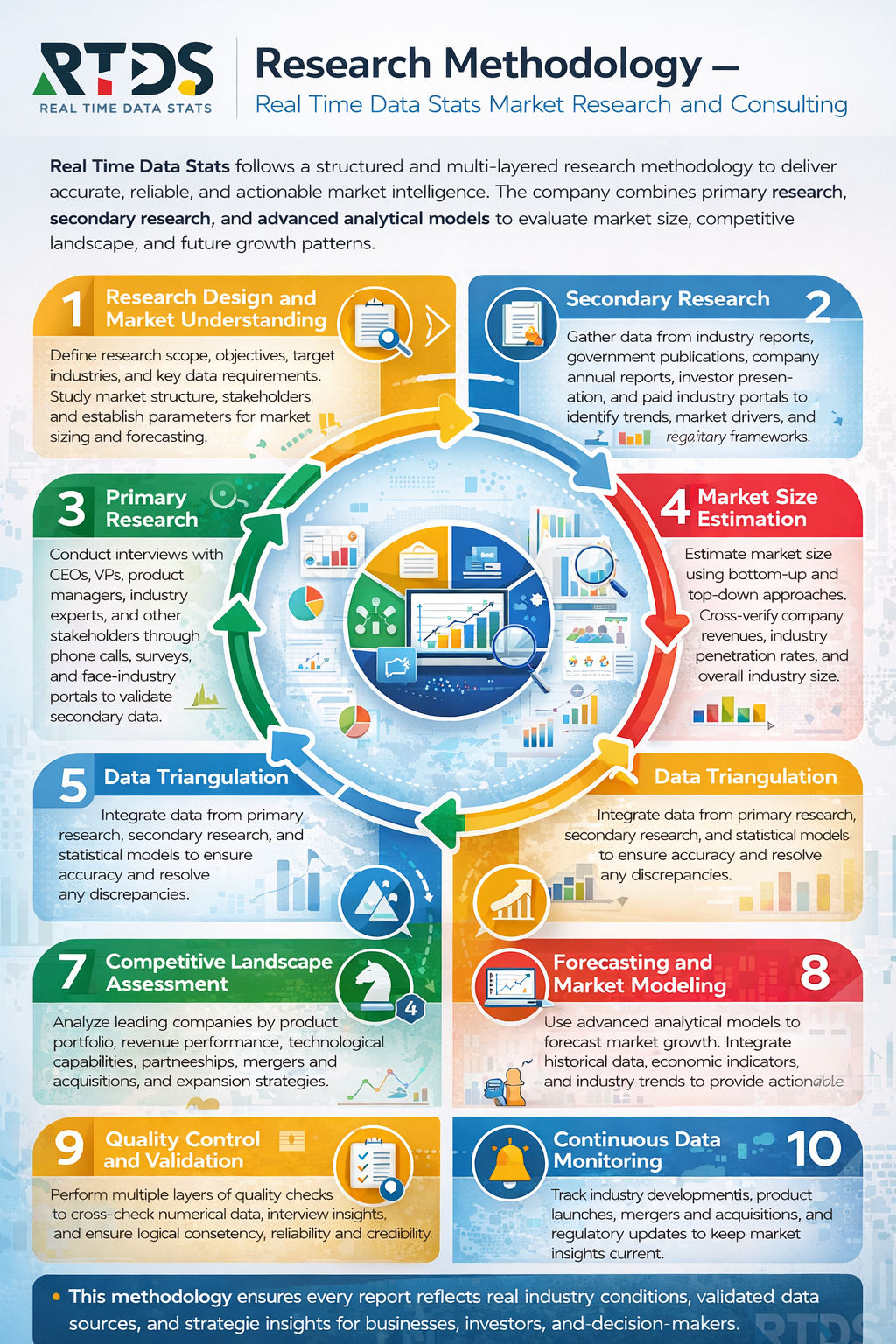
Figure 1: Digital Transcriptomics Market Research Methodology
Figure 2: Market Definition and Scope
Figure 3: Market Dynamics Overview
Figure 4: Value Chain Analysis
Figure 5: Industry Ecosystem Analysis
Figure 6: Porter's Five Forces Analysis
Figure 7: PESTEL Analysis
Figure 8: Digital Transcriptomics Market Growth Drivers
Figure 9: Market Restraints Analysis
Figure 10: Market Opportunities Assessment
Figure 11: Market Challenges Overview
Figure 12: Global Digital Transcriptomics Market Forecast, 2026–2033
Figure 13: Market Share Analysis by Type
Figure 14: Market Share Analysis by Technology
Figure 15: Market Share Analysis by Product
Figure 16: Market Share Analysis by Application
Figure 17: Market Share Analysis by End User
Figure 18: Market Share Analysis by Workflow
Figure 19: Market Share Analysis by Technique
Figure 20: Market Share Analysis by Deployment Mode
Figure 21: Market Share Analysis by Disease Area
Figure 22: Regional Market Share Analysis
Figure 23: North America Market Forecast
Figure 24: Europe Market Forecast
Figure 25: Asia-Pacific Market Forecast
Figure 26: South America Market Forecast
Figure 27: Middle East & Africa Market Forecast
Figure 28: Competitive Positioning Matrix
Figure 29: Company Market Share Analysis
Figure 30: Strategic Developments and Innovation Trends
List of Tables
Table 1: Digital Transcriptomics Market Snapshot
Table 2: Research Methodology
Table 3: Market Assumptions and Limitations
Table 4: Market Dynamics Summary
Table 5: Regulatory Landscape by Region
Table 6: Value Chain Analysis
Table 7: Porter's Five Forces Analysis
Table 8: PESTEL Analysis
Table 9: Market Size Forecast by Type
Table 10: Market Size Forecast by Technology
Table 11: Market Size Forecast by Product
Table 12: Market Size Forecast by Application
Table 13: Market Size Forecast by End User
Table 14: Market Size Forecast by Workflow
Table 15: Market Size Forecast by Technique
Table 16: Market Size Forecast by Deployment Mode
Table 17: Market Size Forecast by Disease Area
Table 18: Market Size Forecast by Region
Table 19: North America Market Forecast by Country
Table 20: Europe Market Forecast by Country
Table 21: Asia-Pacific Market Forecast by Country
Table 22: South America Market Forecast by Country
Table 23: Middle East & Africa Market Forecast by Country
Table 24: Company Comparison Matrix
Table 25: Recent Strategic Developments
Digital Transcriptomics Market: Key Factors
Drivers:
- Increasing adoption of personalized medicine approaches creates demand for detailed transcriptomic data.
- Technological advancements in sequencing platforms reduce costs and improve data accuracy.
- Growing research investments in oncology and rare diseases propel the need for transcriptomic analysis.
Restraints:
- High capital investment for advanced sequencing instruments limits market entry.
- Data management complexities and storage requirements challenge smaller research facilities.
- Shortage of skilled professionals impedes the widespread implementation of transcriptomic technologies.
Opportunities:
- Emerging applications in non-oncology areas, such as neurology and immunology, open new research avenues.
- Development of cloud-based bioinformatics solutions eases data analysis burdens.
- Expansion into emerging markets with growing biotechnology sectors presents significant growth potential.
Challenges:
- Standardizing data analysis protocols across diverse platforms remains difficult.
- Ensuring patient data privacy and security requires continuous investment.
- Translating complex transcriptomic data into clinically actionable insights delays adoption in routine care.
Digital Transcriptomics Market: Key Regional Trends
North America:
- Strong focus on integrating transcriptomics into clinical diagnostics and drug development.
- Rising number of partnerships between research institutes and bioinformatics firms.
- Increasing demand for single-cell RNA sequencing in academic and pharmaceutical research.
Europe:
- Supportive government initiatives and funding for precision medicine research.
- Growing adoption of transcriptomics for agricultural and veterinary applications.
- Emphasis on data standardization and cross-border collaborative research projects.
Asia-Pacific:
- Rapid expansion of contract research organizations offering genomic services.
- Governments actively investing in national genomics and precision medicine programs.
- Increasing outsourcing of clinical trial biomarker analysis to regional specialists.
Frequently Asked Questions
Key Questions Answered
- What is the size and growth rate of the market industry?
- What are the main drivers influencing market growth trends?
- What are the key challenges and restraints faced by the market?
- What are the emerging trends and opportunities shaping the market?
- Who are the top players, and what strategies drive their success?
- What are the customer demographics and their buying behaviors?
- What are the key market segments, and what is their scope?
- What are the geographical dynamics, and which region dominates?
- What are the market forecasts and projections for the next decade?
- What regulatory factors are critical to consider for market growth?
Why Choose our Company?
- Major facts and stats backing every report we offer.
- Comprehensive analysis tailored to your business needs.
- Accurate insights backed by extensive market research.
- Expert support to address your queries promptly.
- Data-driven strategies for better decision-making.
- In-depth reports with actionable
recommendations. - Reliable statistics from trusted industry
sources. - Customizable reports to suit your specific goals.
- Unmatched quality and precision in market analysis.
- Competitive pricing with premium content delivery.
Share your experience!
We value you feedback. Please take a moment to review your experience with us.