
According to insights from Real Time Data Stats, the Digital Single Cell Market was valued at USD 0.67 billion in 2025. It is expected to grow from USD 0.80 billion in 2026 to USD 2.75 billion by 2033, registering a CAGR of 19.3% during the forecast period (2026–2033).
MARKET SIZE AND SHARE
The Digital Single Cell Analysis Market is driven by advances in genomic research, precision medicine, and high-throughput analytical technologies. Market share is concentrated among established life science companies and innovative biotechnology firms offering integrated sequencing, imaging, and bioinformatics platforms for detailed cellular analysis.
Market growth is supported by increasing adoption across oncology, immunology, and neurology research. Leading companies are strengthening their positions through acquisitions, product innovation, and strategic partnerships, while emerging players target niche applications with specialized assays and cost-effective solutions, creating a dynamic and competitive market landscape.
INDUSTRY OVERVIEW AND STRATEGY
The digital single cell market enables precise analysis of individual cells, revolutionizing biomedical research and clinical diagnostics. This industry revolves around platforms for sequencing, mass cytometry, and high-content imaging. Its core value lies in uncovering cellular heterogeneity, driving discoveries in disease mechanisms and drug development. The ecosystem includes instrument manufacturers, reagent suppliers, and data analysis software firms, all critical for generating comprehensive cellular datasets.
Key strategies for market participants focus on technological integration and accessibility. Leaders invest heavily in R&D to enhance throughput, multiplexing, and data resolution. A crucial strategic pillar is developing user-friendly bioinformatics tools to democratize analysis. Companies also pursue collaborative partnerships with pharmaceutical entities and research consortia to co-develop applications and establish workflow standards, ensuring their solutions remain indispensable in the evolving precision medicine landscape.
Analyst Key Takeaways:
The Digital Single Cell Market is witnessing robust momentum as researchers increasingly adopt high-resolution, data-driven single-cell technologies for precision medicine, biomarker discovery, and advanced genomic research. Growing integration of artificial intelligence, cloud-based analytics, and automated microfluidic platforms is improving analytical accuracy, scalability, and workflow efficiency, making digital single-cell solutions indispensable across both research and clinical settings.
The market is further supported by expanding investments in multi-omics research, rising demand for personalized therapeutics, and continuous technological innovations in sequencing and cell characterization. Strategic collaborations between biotechnology companies, research institutions, and healthcare organizations are accelerating product development and commercialization, while increasing adoption in oncology, immunology, neuroscience, and regenerative medicine continues to strengthen long-term growth prospects.
REGIONAL TRENDS AND GROWTH
North America currently leads the market, supported by substantial research funding, advanced healthcare infrastructure, and a concentration of biopharma companies. Europe follows closely, with strong initiatives in translational research and data privacy regulations shaping project designs. The Asia-Pacific region is identified as the fastest-growing market, driven by increasing government investments in genomics, expanding life science sectors, and a growing focus on precision medicine in populous countries like China and India.
Primary growth drivers include declining sequencing costs, rising chronic disease prevalence, and supportive funding policies. Significant restraints are high capital investment, data management complexities, and a shortage of skilled bioinformaticians. Opportunities abound in integrating artificial intelligence for data interpretation and expanding into clinical diagnostics. Key challenges involve standardizing protocols across labs, ensuring data reproducibility, and navigating the ethical considerations associated with high-resolution genetic and cellular information.
DIGITAL SINGLE CELL MARKET SEGMENTATION ANALYSIS
BY TYPE:
The microfluidic-based digital single cell systems and droplet-based digital single cell systems hold dominant importance due to their precision in isolating individual cells and enabling high-resolution biological analysis. These systems are strongly driven by the rising demand for miniaturization, cost-efficient experimentation, and rapid sample processing in laboratories. Imaging-based digital single cell platforms also play a critical role as they allow real-time visualization and morphological assessment, which is highly valuable in oncology and neurological investigations. Sequencing-based digital single cell technologies continue to gain dominance as genomic and transcriptomic profiling becomes central to precision medicine and personalized treatment planning.
PCR-based digital single cell systems remain essential because of their accuracy in detecting rare mutations and gene expression levels, particularly in clinical diagnostics and infectious disease monitoring. Hybrid digital single cell platforms are increasingly influential as they combine multiple analytical approaches, improving workflow efficiency and analytical depth. The dominant factors across this segment include the push for high sensitivity, integration of automation, and continuous innovation in chip design and bioinformatics compatibility, all of which collectively enhance research scalability and commercial adoption.
BY APPLICATION:
Cancer research stands as the most dominant application area due to the urgent need to understand tumor heterogeneity and resistance mechanisms at the cellular level. Immunology studies also show strong growth momentum because single-cell technologies enable precise mapping of immune responses and biomarker discovery. Neurology research benefits from the ability to analyze complex neuronal networks and rare cell populations, while stem cell analysis continues to expand as regenerative medicine and tissue engineering gain traction across healthcare systems worldwide.
Drug discovery and development represent another key driving force, as pharmaceutical companies rely on single-cell insights to reduce trial failures and accelerate compound validation. Genetic and genomic analysis further strengthens the segment due to the global shift toward personalized medicine and early disease detection. Dominant factors across applications include increasing R&D funding, cross-disciplinary collaborations, and the growing emphasis on data-driven therapeutic strategies that demand highly granular biological information.
BY COMPONENT
Instruments form the backbone of the digital single cell market as advanced analyzers, cytometers, and sequencing devices determine overall performance accuracy and throughput capacity. Consumables and reagents & kits generate continuous revenue streams due to their recurring usage in experiments, making them a dominant commercial driver. Software and analytics tools are rapidly emerging as critical components because the volume of cellular data requires advanced computational interpretation, machine learning algorithms, and visualization capabilities.
Microchips and cartridges also hold significant influence as innovations in microfabrication directly impact system sensitivity and processing speed. Accessories such as sensors, filters, and connectors support operational efficiency and laboratory customization. The dominant factors in this segment include the trend toward integrated platforms, increasing automation, and the necessity for compatible ecosystems where hardware, consumables, and analytical software operate seamlessly to deliver reproducible and scalable results.
BY END USER:
Academic and research institutes dominate early adoption due to extensive funding for life science research and continuous demand for innovative analytical tools. Biotechnology companies represent a rapidly expanding user base as they focus on cell-based therapies, gene editing, and biomarker discovery. Pharmaceutical companies further drive market expansion by integrating digital single cell technologies into drug validation pipelines and clinical trial optimization strategies.
Hospitals and diagnostic laboratories are increasingly incorporating these systems for precision diagnostics and disease monitoring, while contract research organizations benefit from outsourcing trends and project-based research services. Government research centers also contribute significantly through public health initiatives and large-scale genomic programs. Dominant factors include rising research grants, increasing public-private partnerships, and the global push for precision healthcare infrastructure.
BY TECHNOLOGY:
Next-generation sequencing is a leading technological driver due to its unmatched depth in genomic and transcriptomic analysis, enabling comprehensive cellular profiling. Flow cytometry remains widely adopted for rapid cell sorting and multiparametric analysis, while mass spectrometry strengthens proteomic and metabolomic insights. Digital PCR continues to hold a strong position because of its exceptional accuracy in detecting low-abundance genetic variations and rare mutations.
CRISPR-based analysis introduces transformative capabilities by enabling targeted gene editing and functional genomics studies at the single-cell level. AI-integrated platforms are becoming increasingly dominant as artificial intelligence enhances pattern recognition, predictive analytics, and workflow automation. The key growth factors in this segment include data complexity, demand for real-time analytics, and the convergence of biological sciences with computational intelligence.
BY CELL TYPE:
Human cells dominate the segment due to their direct relevance in clinical diagnostics, therapeutic research, and personalized medicine initiatives. Animal cells are widely used in preclinical testing and comparative biology studies, while plant cells contribute to agricultural biotechnology and environmental research. Microbial cells play an important role in microbiome studies, infectious disease research, and industrial biotechnology applications.
Stem cells are particularly influential because of their regenerative potential and expanding applications in tissue engineering and disease modeling. Immune cells also hold strong significance as immunotherapy and vaccine development continue to grow globally. Dominant factors across this segment include increasing biomedical research intensity, cross-species experimentation, and the expanding scope of translational medicine.
BY WORKFLOW STAGE:
Cell isolation represents a foundational stage as accurate separation of individual cells determines the overall reliability of downstream analysis. Cell lysis and amplification stages are equally critical because they ensure genetic material integrity and sufficient sample quantity for precise evaluation. Library preparation and sequencing stages gain prominence with the growing adoption of genomic technologies and high-throughput analytical systems.
Data interpretation is emerging as the most influential stage due to the exponential growth of biological datasets and the need for advanced computational tools. Each workflow phase is interconnected, and innovation in one stage significantly enhances the efficiency of the entire process. Dominant factors include automation, reduction of manual errors, and the integration of end-to-end analytical platforms that streamline laboratory operations.
BY THROUGHPUT:
Low throughput systems remain relevant for specialized and small-scale research where precision outweighs speed, while medium throughput systems serve balanced laboratory needs with moderate scalability. High throughput systems dominate large research institutions and pharmaceutical companies as they enable rapid processing of thousands of cells simultaneously, significantly accelerating discovery timelines.
Ultra-high throughput systems, parallel processing systems, and automated batch systems represent the future trajectory of the market by enabling industrial-scale experimentation and large genomic projects. The dominant drivers in this segment include the need for time efficiency, cost optimization, and the expansion of population-scale biological studies that demand massive data generation capabilities.
BY DEPLOYMENT MODE:
On-premise platforms remain dominant in institutions requiring strict data control, security compliance, and customized laboratory environments. Cloud-based platforms are rapidly expanding due to their scalability, remote accessibility, and reduced infrastructure costs, making them highly attractive for collaborative and multi-location research initiatives. Hybrid platforms combine the strengths of both models, offering flexibility and operational resilience.
Desktop systems and portable systems are gaining momentum as compact and mobile research tools become essential for field studies and point-of-care diagnostics. Integrated lab systems further enhance efficiency by consolidating multiple analytical functions into a single environment. Dominant factors across deployment modes include data security considerations, cost-efficiency, technological flexibility, and the growing emphasis on remote and decentralized research ecosystems.
RECENT DEVELOPMENTS
- In Jan 2024: 10x Genomics launched its Xenium Prime platform, enhancing sensitivity and throughput for in situ single-cell analysis, expanding its spatial genomics portfolio for more comprehensive tissue studies.
- In Jun 2024: BD (Becton, Dickinson and Company) received FDA clearance for its BD Rhapsody™ HT Xpress System, facilitating high-throughput single-cell multiomics for clinical and translational research applications in the US market.
- In Sep 2024: Bio-Rad Laboratories launched the ddSEQ™ Heptaomics Solution, enabling simultaneous analysis of seven molecular layers from a single cell, pushing the boundaries of multiomic resolution for complex biological questions.
- In Nov 2024: Standard BioTools and SomaLogic completed their merger, creating a diversified leader in life science tools with enhanced capabilities in high-plex proteomics and single-cell analysis to drive biomarker discovery.
- In Feb 2025: Illumina launched the NovaSeq™ X Plus Single-Cell Bundle, dramatically reducing the cost per cell for large-scale atlas projects, making population-scale single-cell studies more accessible to the research community.
KEY PLAYERS ANALYSIS
- 10x Genomics, Inc.
- Illumina, Inc.
- BD (Becton, Dickinson and Company)
- Bio-Rad Laboratories, Inc.
- QIAGEN N.V.
- Standard BioTools Inc.
- NanoString Technologies, Inc.
- Fluidigm Corporation
- Takara Bio Inc.
- Mission Bio
- Cytiva (Danaher)
- Singleron Biotechnologies
- Dolomite Bio (Blacktrace Holdings)
- Fluxion Biosciences
- RareCyte, Inc.
- Curio Bioscience
- Parse Biosciences
- Scale Biosciences
- SingulOmics Corporation
- BGI Genomics
Digital Single Cell Market Segmentation Analysis
By Type:
- Microfluidic-Based Digital Single Cell Systems
- Droplet-Based Digital Single Cell Systems
- Imaging-Based Digital Single Cell Platforms
- Sequencing-Based Digital Single Cell Technologies
- PCR-Based Digital Single Cell Systems
- Hybrid Digital Single Cell Platforms
By Application:
- Cancer Research
- Immunology Studies
- Neurology Research
- Stem Cell Analysis
- Drug Discovery & Development
- Genetic & Genomic Analysis
By Component:
- Instruments
- Consumables
- Reagents & Kits
- Software & Analytics Tools
- Microchips & Cartridges
- Accessories
By End User:
- Academic & Research Institutes
- Biotechnology Companies
- Pharmaceutical Companies
- Hospitals & Diagnostic Laboratories
- Contract Research Organizations
- Government Research Centers
By Technology:
- Next-Generation Sequencing
- Flow Cytometry
- Mass Spectrometry
- Digital PCR
- CRISPR-Based Analysis
- AI-Integrated Platforms
By Cell Type:
- Human Cells
- Animal Cells
- Plant Cells
- Microbial Cells
- Stem Cells
- Immune Cells
By Workflow Stage:
- Cell Isolation
- Cell Lysis
- Amplification
- Library Preparation
- Sequencing
- Data Interpretation
By Throughput:
- Low Throughput Systems
- Medium Throughput Systems
- High Throughput Systems
- Ultra-High Throughput Systems
- Parallel Processing Systems
- Automated Batch Systems
By Deployment Mode:
- On-Premise Platforms
- Cloud-Based Platforms
- Hybrid Platforms
- Desktop Systems
- Portable Systems
- Integrated Lab Systems
By Geography:
- North America (USA, Canada, Mexico)
- Europe (UK, Germany, France, Italy, Spain, Rest of Europe)
- Asia-Pacific (China, Japan, Australia, South Korea, India, Rest of Asia-Pacific)
- South America (Brazil, Argentina, Rest of South America)
- Middle East and Africa (GCC Countries, South Africa, Rest of MEA)
Digital Single Cell Market: Table of Contents
Executive Summary
- Market Introduction
- Market Definition
- Market Scope
- Research Methodology
- Assumptions and Limitations
Market Overview
- Market Dynamics
- Market Drivers
- Market Restraints
- Market Opportunities
- Market Challenges
- Market Trends
- Value Chain Analysis
- Supply Chain Analysis
- Pricing Analysis
Regulatory Landscape
- Technology Landscape
- Investment Analysis
- Patent Analysis
Digital Single Cell Market Segmentation
- By Type
- Microfluidic-Based Digital Single Cell Systems
- Droplet-Based Digital Single Cell Systems
- Imaging-Based Digital Single Cell Platforms
- Sequencing-Based Digital Single Cell Technologies
- PCR-Based Digital Single Cell Systems
- Hybrid Digital Single Cell Platforms
- By Application
- Cancer Research
- Immunology Studies
- Neurology Research
- Stem Cell Analysis
- Drug Discovery & Development
- Genetic & Genomic Analysis
- By Component
- Instruments
- Consumables
- Reagents & Kits
- Software & Analytics Tools
- Microchips & Cartridges
- Accessories
- By End User
- Academic & Research Institutes
- Biotechnology Companies
- Pharmaceutical Companies
- Hospitals & Diagnostic Laboratories
- Contract Research Organizations
- Government Research Centers
- By Technology
- Next-Generation Sequencing
- Flow Cytometry
- Mass Spectrometry
- Digital PCR
- CRISPR-Based Analysis
- AI-Integrated Platforms
- By Cell Type
- Human Cells
- Animal Cells
- Plant Cells
- Microbial Cells
- Stem Cells
- Immune Cells
- By Workflow Stage
- Cell Isolation
- Cell Lysis
- Amplification
- Library Preparation
- Sequencing
- Data Interpretation
- By Throughput
- Low Throughput Systems
- Medium Throughput Systems
- High Throughput Systems
- Ultra-High Throughput Systems
- Parallel Processing Systems
- Automated Batch Systems
- By Deployment Mode
- On-Premise Platforms
- Cloud-Based Platforms
- Hybrid Platforms
- Desktop Systems
- Portable Systems
- Integrated Lab Systems
Regional Analysis
- North America
- Europe
- Asia Pacific
- Latin America
- Middle East & Africa
Competitive Landscape
- Market Share Analysis
- Company Profiling
- Strategic Developments
- Mergers & Acquisitions
- Partnerships & Collaborations
- Product Launches
- Expansion Strategies
Future Outlook
- Market Forecast Analysis
- Emerging Innovations
- Growth Opportunities
Conclusion
- Strong market growth potential
- Rising adoption of single-cell technologies
- Expanding research applications
- Continuous technological innovation
- Increasing investment and funding
- Positive long-term outlook
Appendix
- Abbreviations
- Data Sources
- Disclaimer
List of Tables
- Table:1: Global Market Size Overview
- Table:2: Market Growth Rate Comparison
- Table:3: By Type Revenue Share
- Table:4: By Application Revenue Share
- Table:5: By Component Market Distribution
- Table:6: By End User Market Analysis
- Table:7: By Technology Adoption Rate
- Table:8: By Cell Type Utilization
- Table:9: Workflow Stage Contribution
- Table:10: Throughput Capacity Comparison
- Table:11: Deployment Mode Statistics
- Table:12: Regional Market Share
- Table:13: Competitive Benchmarking
- Table:14: Investment Trends
- Table:15: Forecast Projections
List of Figures
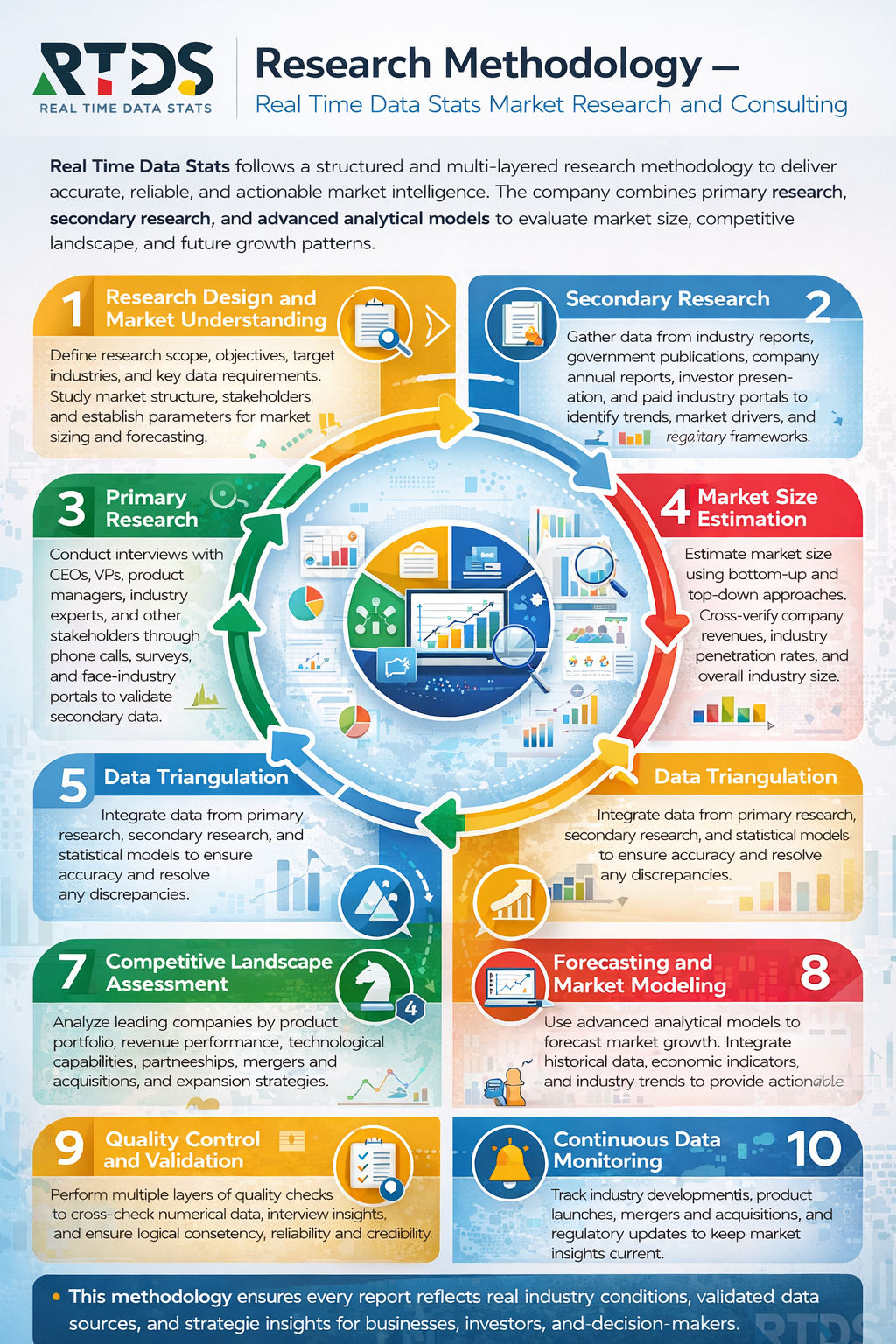
- Figure:1: Market Research Methodology Framework
- Figure:2: Market Dynamics Diagram
- Figure:3: Value Chain Illustration
- Figure:4: Supply Chain Flow
- Figure:5: Technology Landscape Map
- Figure:6: Segmentation Overview Chart
- Figure:7: By Type Market Graph
- Figure:8: By Application Market Graph
- Figure:9: Component Share Pie Chart
- Figure:10: End User Distribution Chart
- Figure:11: Regional Growth Map
- Figure:12: Competitive Positioning Matrix
- Figure:13: Investment Trend Line
- Figure:14: Forecast Growth Curve
- Figure:15: Future Opportunity Snapshot
Digital Single Cell Market Key Factors
Drivers:
- Increasing research funding expands precision medicine initiatives.
- Technological advancements enhance single-cell analysis resolution and throughput.
- Rising cancer and chronic disease prevalence fuels demand for detailed cellular insights.
Restraints:
- High instrument and reagent costs limit widespread adoption.
- Complex data analysis requires specialized bioinformatics expertise.
- Sample preparation challenges affect reproducibility and workflow efficiency.
Opportunities:
- Integrating artificial intelligence unlocks novel biological discoveries from complex datasets.
- Emerging applications in immunology and neurology create new research avenues.
- Developing scalable and automated platforms opens access to clinical diagnostics.
Challenges:
- Managing and interpreting massive data volumes strains computational resources.
- Establishing standardized protocols remains difficult for the field.
- A shortage of skilled professionals slows translational research and commercialization.
Digital Single Cell Market Key Regional Trends
North America:
- Strong venture capital investments accelerate startup growth and product innovation.
- Leading academic institutes and consortia drive foundational research and adoption.
- Pharmaceutical companies increasingly integrate single-cell technologies into drug discovery pipelines.
Europe:
- Collaborative multinational research programs (e.g., EU-funded) foster technology standardization.
- Stringent data privacy regulations (GDPR) shape bioinformatics platform development.
- Growing focus on translational research pushes adoption in clinical research settings.
Asia-Pacific:
- Governments are actively increasing genomic research funding and building core facilities.
- Contract research organizations rapidly expand service offerings for global clients.
- A large patient population attracts clinical trials utilizing advanced biomarker discovery.
Rest of World:
- Key research hubs are establishing niche expertise and forming international partnerships.
- Market growth faces constraints due to high infrastructure costs and funding variability.
- Initiatives focus on applying technologies to region-specific public health and disease priorities.
Frequently Asked Questions
Key Questions Answered
- What is the size and growth rate of the market industry?
- What are the main drivers influencing market growth trends?
- What are the key challenges and restraints faced by the market?
- What are the emerging trends and opportunities shaping the market?
- Who are the top players, and what strategies drive their success?
- What are the customer demographics and their buying behaviors?
- What are the key market segments, and what is their scope?
- What are the geographical dynamics, and which region dominates?
- What are the market forecasts and projections for the next decade?
- What regulatory factors are critical to consider for market growth?
Why Choose our Company?
- Major facts and stats backing every report we offer.
- Comprehensive analysis tailored to your business needs.
- Accurate insights backed by extensive market research.
- Expert support to address your queries promptly.
- Data-driven strategies for better decision-making.
- In-depth reports with actionable
recommendations. - Reliable statistics from trusted industry
sources. - Customizable reports to suit your specific goals.
- Unmatched quality and precision in market analysis.
- Competitive pricing with premium content delivery.
Share your experience!
We value you feedback. Please take a moment to review your experience with us.