
According to insights from Real Time Data Stats, the Digital Neural Engineering Market was valued at USD 0.63 billion in 2025. It is expected to grow from USD 0.71 billion in 2026 to USD 1.76 billion by 2033, registering a CAGR of 15.5% during the forecast period (2026–2033).
MARKET SIZE AND SHARE
The global digital neural engineering market shows robust growth, driven by rising demand for advanced neurodiagnostics and brain-computer interface solutions. Leading medical device firms and niche tech players focus on neural modulation and digital therapeutics, increasing competition and innovation. Market share remains concentrated among companies that scale clinical adoption and invest in precision-driven solutions across neurological care.
Companies that combine artificial intelligence with neuromodulation and non-invasive stimulation devices will capture dominant share. Large medical technology firms compete with agile startups in areas like closed-loop neural systems and cognitive tools. Strategic alliances and strong algorithms will shape competition, helping firms secure and expand revenue in this fast-evolving landscape.
INDUSTRY OVERVIEW AND STRATEGY
The digital neural engineering industry converges neuroscience, engineering, and data science to develop solutions for diagnosing, monitoring, and treating neurological conditions. It encompasses neuroprosthetics, brain-computer interfaces, advanced neuroimaging analytics, and digital neurotherapeutics. The sector is fundamentally interdisciplinary, requiring deep collaboration across academic research, clinical practice, and technological development to translate complex neural insights into viable commercial applications that restore or augment human neurological function, creating a transformative frontier in modern healthcare.
Core industry strategy revolves around leveraging big data and machine learning to decode neural signals with unprecedented precision. Key strategic pillars include heavy investment in R&D for minimally invasive technologies, securing regulatory approvals for novel device classes, and forging alliances between tech companies and healthcare providers. Successful players will prioritize scalable platform development, robust clinical validation, and creating integrated ecosystems that combine hardware, software, and data services to address the full continuum of neural health and human performance enhancement.
Analyst Key Takeaways:
Digital Neural Engineering is emerging as a high-impact convergence domain within healthcare, driven by rapid advancements in brain–computer interfaces, neuroinformatics, and AI-enabled signal processing. The market is benefiting from increasing demand for precision neurology, particularly in treating conditions such as paralysis, epilepsy, and neurodegenerative disorders. Innovation is heavily concentrated around minimally invasive interfaces, real-time neural data analytics, and closed-loop systems, indicating a shift from experimental research toward clinically viable and scalable solutions.
From a growth dynamics perspective, the segment is outpacing broader neurotechnology due to its strong alignment with digital health transformation and personalized medicine trends. Strategic investments from both medtech firms and AI companies are accelerating commercialization, while regulatory pathways are gradually evolving to accommodate software-integrated neural systems. However, adoption remains dependent on clinical validation, ethical considerations, and integration with existing healthcare infrastructure, which will shape the pace of long-term market expansion.
REGIONAL TRENDS AND GROWTH
North America currently leads the digital neural engineering market, driven by strong R&D funding, advanced healthcare infrastructure, and a high prevalence of neurological disorders. Europe follows with significant collaborative research initiatives and supportive regulatory frameworks for medical devices. The Asia-Pacific region is identified as the fastest-growing market, fueled by increasing healthcare investment, rising neurological disease burden, and government-led digital health initiatives, creating a highly promising landscape for future expansion and adoption of neural technologies.
Primary growth drivers include the rising global incidence of neurological diseases, technological advancements in AI and sensor technology, and growing investment from both public and private sectors. Significant restraints involve high device costs, stringent regulatory pathways, and ethical concerns. Key opportunities lie in personalized neurotherapeutics, expansion into cognitive wellness and enhancement, and telehealth integration. Major challenges encompass data privacy and security for sensitive neural data, the need for interdisciplinary skilled workforce, and demonstrating long-term clinical efficacy and cost-effectiveness to payers.
DIGITAL NEURAL ENGINEERING MARKET SEGMENTATION ANALYSIS
BY TYPE:
The Digital Neural Engineering market by type is driven predominantly by Brain-Computer Interfaces (BCIs) and neuroprosthetics, which are witnessing rapid adoption due to increasing neurological disorder cases and aging populations. Neural interface devices and neurostimulation devices are also expanding as they enable enhanced monitoring and therapeutic interventions. Key growth factors include technological advancements in implantable sensors, signal processing capabilities, and minimally invasive designs, which improve performance, user comfort, and clinical outcomes. Rising R&D investments further accelerate the development of next-generation neural devices.
Neural imaging and neurodiagnostic devices are increasingly critical for accurate disease diagnosis and treatment planning. Demand is boosted by integration with AI, machine learning, and advanced imaging technologies, providing precise neural activity mapping. Healthcare institutions are emphasizing these devices for early detection of disorders like epilepsy, Parkinson’s, and Alzheimer’s, fueling growth. Regulatory approvals, affordability, and accessibility remain influential factors shaping market adoption. Overall, innovation, clinical need, and enhanced device functionality dominate the market dynamics in this segment.
BY APPLICATION:
Applications in neurological disorders lead the market due to the rising prevalence of chronic and degenerative brain conditions, which require sophisticated neural solutions. Cognitive enhancement applications are gaining traction in healthcare and consumer tech sectors, driven by AI integration and personalized neural interventions. Rehabilitation and mental health treatments benefit from wearable and non-invasive devices, allowing continuous therapy monitoring and neurofeedback. Emerging applications like neurogaming are expanding the consumer base, reflecting increased public awareness and lifestyle-driven adoption.
Research and academic applications drive adoption further, as institutions demand precise neural measurement tools for experimental and clinical studies. Technological advances, including real-time data acquisition, cloud-based analytics, and signal processing improvements, empower these applications. Market expansion is also influenced by government and private funding for brain research initiatives. The combination of clinical necessity, technological innovation, and increasing awareness defines the growth trajectory for application-based segmentation in digital neural engineering.
BY END-USER:
Hospitals and clinics dominate end-user adoption, fueled by the need for advanced diagnostics, surgical precision, and therapeutic monitoring. Research institutes and academic institutions are significant contributors, leveraging neural engineering tools for experimentation and innovation. Rehabilitation centers and homecare settings benefit from portable and user-friendly devices, enabling long-term patient care and remote therapy monitoring. Pharmaceutical and biotech companies integrate these tools for drug testing, neural mapping, and treatment efficacy studies, enhancing R&D outcomes.
Market growth is driven by rising patient demand, healthcare infrastructure development, and institutional research funding. The adoption rate is also influenced by technological accessibility, device affordability, and the increasing prevalence of chronic neurological conditions. Emerging markets show a notable uptake in hospital and homecare settings, while developed regions lead in academic and research integration. Strategic partnerships between technology developers and healthcare providers further expand market penetration.
BY TECHNOLOGY:
Invasive and non-invasive neural technologies dominate the market due to their ability to precisely monitor, stimulate, and modulate neural activity. Wearable and implantable devices are growing rapidly with advances in miniaturization, biocompatibility, and long-term reliability, making therapies more effective and comfortable. Optogenetics technology is gaining prominence in research and clinical applications, providing highly targeted neural modulation. AI-powered neural systems are transforming data interpretation, predictive modeling, and personalized neural interventions, driving adoption across clinical and research applications.
Technology adoption is also shaped by regulatory approvals, device safety, and integration with digital health platforms. Non-invasive techniques, in particular, attract significant consumer and clinical interest due to lower risk and convenience. Market expansion is driven by cross-sector collaboration between neuroscience, robotics, and AI companies, facilitating continuous innovation and scalable solutions. The rapid pace of technological advancement ensures that the technology segment remains central to the market’s growth trajectory.
BY COMPONENT:
Sensors and electrodes form the backbone of digital neural engineering, enabling high-fidelity signal acquisition and precise neural interfacing. Processors, microcontrollers, and software platforms are crucial for real-time data processing, analytics, and device functionality. Communication modules, power supply units, and signal processing units enhance device efficiency, reliability, and integration into clinical workflows. Dominant factors include miniaturization, energy efficiency, and improved signal-to-noise ratios, which directly impact device performance and adoption across clinical and research environments.
Investment in R&D and component innovation drives the development of multi-functional, compact, and interoperable devices. The trend toward wireless and implantable systems is increasing demand for robust communication and power modules. Component reliability, compatibility, and regulatory compliance are major considerations for end-users and manufacturers. The component segment’s growth is fueled by technological advances, clinical demand, and the need for scalable, high-precision neural engineering solutions.
BY SIGNAL TYPE:
Electrical signals dominate the market due to their direct neural interfacing capability and precise stimulation potential, widely used in BCIs and neuroprosthetics. Magnetic and optical signals are increasingly adopted in research and diagnostics for non-invasive brain mapping and real-time monitoring. Chemical and mechanical signals are emerging, particularly in drug delivery and sensory substitution applications. Hybrid signal systems that integrate multiple modalities enhance accuracy, reliability, and functionality, driving innovation in therapeutic and research applications.
Market growth is influenced by signal acquisition quality, noise reduction, and real-time processing capabilities. Integration with AI and machine learning enhances interpretation, enabling predictive modeling and personalized therapy. The trend toward non-invasive and hybrid signal technologies attracts clinical and consumer adoption. Dominant factors shaping this segment include device accuracy, reliability, safety, and compatibility with advanced neural interfaces, which collectively determine clinical effectiveness and market preference.
BY INTERFACE TYPE:
Brain-to-computer interfaces (BCIs) are the most adopted interface type, enabling direct neural control of devices for therapeutic, research, and consumer applications. Brain-to-brain and brain-to-device interfaces are growing due to emerging communication, rehabilitation, and assistive applications, especially in clinical and research environments. Neurofeedback and neurostimulation interfaces support mental health treatment, cognitive enhancement, and rehabilitation, while sensory substitution interfaces improve quality of life for patients with sensory impairments.
The interface type segment is shaped by signal accuracy, device responsiveness, safety, and ease of use. Technological advancements in wireless connectivity, AI-driven control, and implantable systems further drive adoption. End-user demand, particularly in healthcare, research, and consumer electronics, is rising due to personalized applications, increasing awareness, and continuous technological innovation, making interface functionality and integration critical factors for market growth.
BY INDUSTRY:
Healthcare and medical devices dominate the digital neural engineering market due to clinical need for advanced diagnostics, neuroprosthetics, and therapeutic interventions. Defense and military applications are growing, leveraging neural engineering for cognitive enhancement, human-machine interfacing, and situational awareness. Consumer electronics adoption is increasing in neurogaming, mental wellness, and wearable devices. Automotive and transportation industries are exploring neural interfaces for driver monitoring, safety systems, and human-machine interaction, while education and training sectors utilize neural technology for learning enhancement.
Research and development industries are expanding as companies integrate neural engineering for product innovation, brain research, and AI-based solutions. Market growth is influenced by industry-specific regulations, technological adaptability, funding availability, and adoption rates. Cross-industry collaborations accelerate innovation, while consumer awareness and regulatory frameworks determine penetration. The dominance of healthcare and growing adoption in other industries collectively drive global market expansion.
BY SIGNAL PROCESSING METHOD:
Machine learning-based signal processing dominates due to accurate neural signal interpretation, predictive modeling, and clinical application support. Deep learning methods are rapidly growing in complex neural pattern recognition, real-time monitoring, and cognitive enhancement applications. Signal filtering, amplification, and feature extraction remain critical for improving data accuracy, reducing noise, and enhancing device performance, while real-time and offline analysis methods support clinical, research, and consumer applications.
The segment’s growth is influenced by advancements in AI algorithms, computational power, and integration with neural devices. Regulatory approval for AI-assisted clinical tools, data security, and processing efficiency are critical adoption factors. Increasing research demand and technological innovation drive continuous improvements in signal analysis accuracy, device responsiveness, and personalized therapy, making processing methods a key determinant of market competitiveness and technological evolution.
RECENT DEVELOPMENTS
- In Jan 2024: Synchron received FDA approval to commence pivotal trial for its Stentrode BCI, aiming for full commercial approval to enable paralyzed patients to control digital devices.
- In May 2024: Neuralink implanted its ""Telepathy"" BCI in a second human patient, demonstrating refined surgical robotics and initial promising results for device functionality and patient safety.
- In Nov 2024: Blackrock Neurotech announced a partnership with a major medical device distributor to prepare for the commercial launch of its MoveAgain BCI system in 2025.
- In Feb 2025: Precision Neuroscience set a new record by testing its Layer 7 Cortical Interface, which placed 4,096 electrodes on the brain using a minimally invasive, thin-film approach.
- In Apr 2025: Paradromics commenced its first-in-human trials for the Connexus BCI, focusing on its high-data-rate implant designed to restore speech and motor function.
KEY PLAYERS ANALYSIS
- Neuralink (Neuralink Corporation)
- Synchron Inc.
- Blackrock Neurotech
- Paradromics, Inc.
- Precision Neuroscience
- Medtronic plc
- Abbott Laboratories
- Boston Scientific Corporation
- NeuroPace, Inc.
- Neuronetics, Inc.
- BrainsGate Ltd.
- Nevro Corp.
- Cerêve Inc.
- Cognionics, Inc.
- EMOTIV Inc.
- Advanced Brain Monitoring, Inc.
- tec medical engineering GmbH
- Natus Medical Incorporated
- Compumedics Limited
- MindMaze
Digital Neural Engineering Market Segmentation Analysis
By Type:
- Neural Interface Devices
- Neuroprosthetics
- Brain-Computer Interfaces (BCI)
- Neurostimulation Devices
- Neural Imaging Devices
- Neurodiagnostic Devices
By Application:
- Neurological Disorders
- Cognitive Enhancement
- Rehabilitation
- Mental Health Treatment
- Neurogaming & Entertainment
- Research & Academia
By End-User:
- Hospitals & Clinics
- Research Institutes
- Rehabilitation Centers
- Homecare Settings
- Academic Institutions
- Pharmaceutical & Biotech Companies
By Technology:
- Invasive Neural Technology
- Non-Invasive Neural Technology
- Wearable Neural Devices
- Implantable Neural Devices
- Optogenetics Technology
- AI-Powered Neural Systems
By Component:
- Sensors & Electrodes
- Processors & Microcontrollers
- Software Platforms
- Communication Modules
- Power Supply Units
- Signal Processing Units
By Signal Type:
- Electrical Signals
- Magnetic Signals
- Optical Signals
- Chemical Signals
- Mechanical Signals
- Hybrid Signals
By Interface Type:
- Brain-to-Computer Interface
- Brain-to-Brain Interface
- Brain-to-Device Interface
- Neurofeedback Interface
- Neurostimulation Interface
- Sensory Substitution Interface
By Industry:
- Healthcare & Medical Devices
- Defense & Military
- Consumer Electronics
- Automotive & Transportation
- Education & Training
- Research & Development
By Signal Processing Method:
- Machine Learning-Based Processing
- Deep Learning-Based Processing
- Signal Filtering & Amplification
- Feature Extraction Methods
- Real-Time Processing
- Offline Analysis
By Geography:
- North America (USA, Canada, Mexico)
- Europe (UK, Germany, France, Italy, Spain, Rest of Europe)
- Asia-Pacific (China, Japan, Australia, South Korea, India, Rest of Asia-Pacific)
- South America (Brazil, Argentina, Rest of South America)
- Middle East and Africa (GCC Countries, South Africa, Rest of MEA)
Digital Neural Engineering Market: Table of Contents
Executive Summary
- Market Overview
- Global Market Size & Forecast
- Market Growth Rate
- Key Market Drivers
- Key Market Challenges
- Market Opportunities
Introduction
- Definition of Digital Neural Engineering
- Scope of the Report
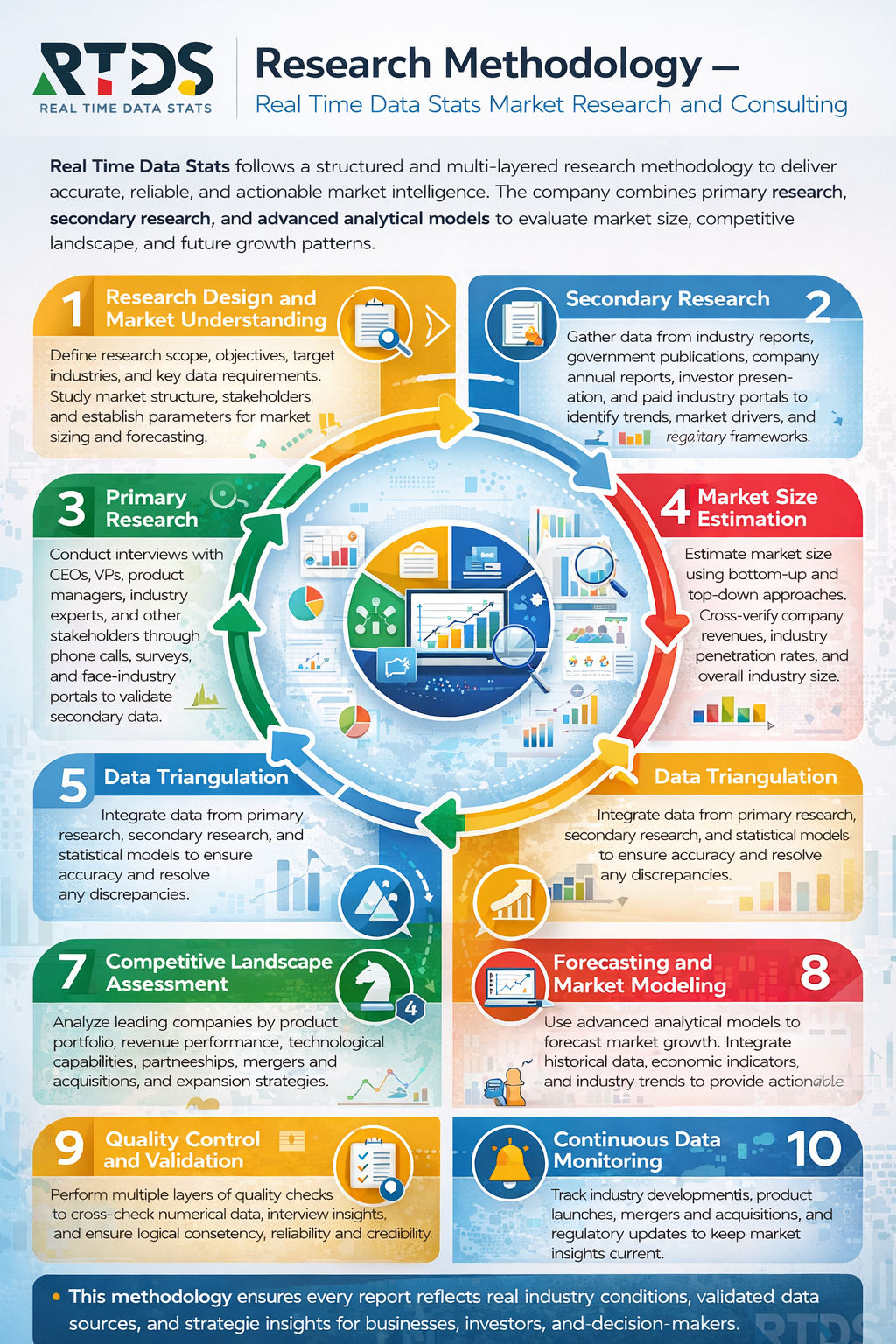
Research Methodology
- Data Collection Methods
- Data Validation & Analysis
- Key Market Trends
- Market Overview
- Global Market Size & Forecast
Market Dynamics
- Drivers
- Restraints
- Opportunities
- Challenges
- Market Trends & Innovations
Digital Neural Engineering Market Segmentation Analysis
- By Type:
- Neural Interface Devices
- Neuroprosthetics
- Brain-Computer Interfaces (BCI)
- Neurostimulation Devices
- Neural Imaging Devices
- Neurodiagnostic Devices
- By Application:
- Neurological Disorders
- Cognitive Enhancement
- Rehabilitation
- Mental Health Treatment
- Neurogaming & Entertainment
- Research & Academia
- By End-User:
- Hospitals & Clinics
- Research Institutes
- Rehabilitation Centers
- Homecare Settings
- Academic Institutions
- Pharmaceutical & Biotech Companies
- By Technology:
- Invasive Neural Technology
- Non-Invasive Neural Technology
- Wearable Neural Devices
- Implantable Neural Devices
- Optogenetics Technology
- AI-Powered Neural Systems
- By Component:
- Sensors & Electrodes
- Processors & Microcontrollers
- Software Platforms
- Communication Modules
- Power Supply Units
- Signal Processing Units
- By Signal Type:
- Electrical Signals
- Magnetic Signals
- Optical Signals
- Chemical Signals
- Mechanical Signals
- Hybrid Signals
- By Interface Type:
- Brain-to-Computer Interface
- Brain-to-Brain Interface
- Brain-to-Device Interface
- Neurofeedback Interface
- Neurostimulation Interface
- Sensory Substitution Interface
- By Industry:
- Healthcare & Medical Devices
- Defense & Military
- Consumer Electronics
- Automotive & Transportation
- Education & Training
- Research & Development
- By Signal Processing Method:
- Machine Learning-Based Processing
- Deep Learning-Based Processing
- Signal Filtering & Amplification
- Feature Extraction Methods
- Real-Time Processing
- Offline Analysis
Competitive Landscape
- Company Profiles
- Products & Services
- Financial Overview
- Strategic Initiatives
- Regional Presence
Market Share Analysis
- Market Trends & Opportunities
- Emerging Technologies
- Regulatory Developments
- Investment & Funding Analysis
- Future Market Outlook
Conclusion
- Key Findings
- Recommendations
Appendix
- Abbreviations
- Research Sources
- Methodology
- Glossary
List of Tables
- Table:1: Global Digital Neural Engineering Market Size, 2026–2036
- Table:2: Market Segmentation by Type
- Table:3: Market Segmentation by Application
- Table:4: Market Segmentation by End-User
- Table:5: Market Segmentation by Technology
- Table:6: Market Segmentation by Component
- Table:7: Market Segmentation by Geography
- Table:8: Market Segmentation by Signal Type
- Table:9: Market Segmentation by Interface Type
- Table:10: Market Segmentation by Industry
- Table:11: Market Segmentation by Signal Processing Method
- Table:12: Company Market Share Analysis
- Table:13: Product Portfolio Comparison
- Table:14: Investment & Funding Analysis
- Table:15: Regulatory Overview by Region
List of Figures
- Figure:1: Global Market Growth Trend, 2026–2036
- Figure:2: Market Share by Type
- Figure:3: Market Share by Application
- Figure:4: Market Share by End-User
- Figure:5: Market Share by Technology
- Figure:6: Market Share by Component
- Figure:7: Market Share by Geography
- Figure:8: Market Share by Signal Type
- Figure:9: Market Share by Interface Type
- Figure:10: Market Share by Industry
- Figure:11: Market Share by Signal Processing Method
- Figure:12: Competitive Landscape Overview
- Figure:13: Strategic Initiatives of Key Players
- Figure:14: Emerging Technology Adoption
- Figure:15: Investment & Funding Trends
Digital Neural Engineering Market Key Factors
Drivers:
- Rising neurological disorder prevalence increases demand for advanced treatments.
- Technological breakthroughs in AI and BCIs create more effective neural interfaces.
- Growing investment from healthcare and defense sectors accelerates research and commercialization.
Restraints:
- High device and treatment costs restrict widespread patient access.
- Stringent regulatory approvals delay new product launches.
- Data privacy and security concerns hinder patient adoption and data sharing.
Opportunities:
- Expanding into non-medical fields like gaming and education opens new revenue streams.
- Advancements in material science enable safer, more durable chronic implants.
- Emerging economies present untapped markets for neurological care solutions.
Challenges:
- Achieving long-term stability and biocompatibility in neural implants remains difficult.
- The complexity of neural data requires advanced, real-time decoding algorithms.
- A shortage of specialized interdisciplinary talent slows development cycles.
Digital Neural Engineering Market Key Regional Trends
North America:
- Strong defense and VC funding propel advanced BCI and neuroprosthetic research.
- Leading technology firms actively partner with neuroscientists to develop commercial applications.
- The FDA's evolving regulatory framework shapes early-stage product development pathways.
Europe:
- Stringent GDPR regulations prioritize data privacy in neural data handling and research.
- Collaborative, multi-country EU research initiatives focus on ethical neurotechnology.
- Robust public healthcare systems drive adoption of restorative neural devices.
Asia-Pacific:
- Governments increase national investment in neuroscience and AI research programs.
- Local manufacturers rapidly develop cost-effective neuromodulation devices.
- Rising healthcare awareness in large populations expands addressable patient pools.
Frequently Asked Questions
Key Questions Answered
- What is the size and growth rate of the market industry?
- What are the main drivers influencing market growth trends?
- What are the key challenges and restraints faced by the market?
- What are the emerging trends and opportunities shaping the market?
- Who are the top players, and what strategies drive their success?
- What are the customer demographics and their buying behaviors?
- What are the key market segments, and what is their scope?
- What are the geographical dynamics, and which region dominates?
- What are the market forecasts and projections for the next decade?
- What regulatory factors are critical to consider for market growth?
Why Choose our Company?
- Major facts and stats backing every report we offer.
- Comprehensive analysis tailored to your business needs.
- Accurate insights backed by extensive market research.
- Expert support to address your queries promptly.
- Data-driven strategies for better decision-making.
- In-depth reports with actionable
recommendations. - Reliable statistics from trusted industry
sources. - Customizable reports to suit your specific goals.
- Unmatched quality and precision in market analysis.
- Competitive pricing with premium content delivery.
Share your experience!
We value you feedback. Please take a moment to review your experience with us.