
According to insights from Real Time Data Stats, the Digital Molecular Neurosurgery Market was valued at USD 90 million in 2025. It is expected to grow from USD 101 million in 2026 to USD 230 million by 2033, registering a CAGR of 12.5% during the forecast period (2026–2033).
MARKET SIZE AND SHARE
The Digital Molecular Neurosurgery Market is expanding steadily, driven by the increasing prevalence of neurological disorders and the rapid integration of advanced digital technologies into surgical practice. Innovations in artificial intelligence, molecular imaging, and precision-guided interventions are enabling surgeons to perform highly targeted and minimally invasive procedures with improved accuracy and outcomes. Growing demand for personalized treatment approaches is encouraging healthcare providers to adopt platforms that combine real-time data analytics with molecular-level insights. Market share remains concentrated among key players that are investing heavily in AI-driven surgical systems and precision platforms. North America currently holds the largest share, supported by its advanced healthcare infrastructure, strong research ecosystem, and substantial investment in innovation.
Market share distribution is becoming increasingly dynamic as established medical device companies and emerging startups compete to strengthen their positions. Companies are actively pursuing mergers, acquisitions, and strategic partnerships to integrate capabilities across imaging, genomics, and data analytics, creating more comprehensive surgical solutions. The competitive landscape is evolving toward platforms that offer seamless integration of diagnostics, planning, and execution within a single ecosystem. Rising adoption of minimally invasive techniques and patient-specific treatment protocols is expected to further shift market share toward organizations that can deliver efficient, data-driven, and scalable solutions. Over time, firms with strong technological integration and clinical validation will gain a significant advantage in shaping the future of this market.
INDUSTRY OVERVIEW AND STRATEGY
This industry converges advanced neuroimaging, molecular biology, and data science to enable precise, targeted brain interventions. It represents a paradigm shift from traditional neurosurgery towards minimally invasive procedures guided by real-time molecular and digital data. Core components include AI-driven surgical planning, intraoperative neuromonitoring, and molecular biomarkers, aiming to improve patient outcomes in oncology, epilepsy, and movement disorders by enhancing surgical accuracy and minimizing collateral damage.
Primary strategies involve heavy investment in R&D for AI algorithms and robotic-assisted platforms to improve procedural precision. Companies are forming strategic partnerships with biotech firms and academic institutions to integrate novel molecular diagnostics. A key focus is developing closed-loop, data-integrated ecosystems that streamline from diagnosis to post-operative care, thereby creating recurring revenue models through software updates and data analytics services.
Analyst Key Takeaways:
Digital molecular neurosurgery is emerging as a high-impact subsegment within the broader neurosurgery ecosystem, driven by convergence across precision imaging, molecular diagnostics, and AI-enabled surgical planning. The space is transitioning from experimental and research-led applications toward early clinical adoption, particularly in neuro-oncology and complex brain disorders where molecular-level targeting can significantly improve surgical accuracy and outcomes. Technology integration—especially real-time intraoperative data, neuronavigation, and robotic assistance—is accelerating the shift toward minimally invasive, highly personalized interventions.
From a strategic standpoint, growth is being underpinned by increasing demand for precision medicine, rising neurological disease burden, and continuous innovation from medtech and digital health players. While adoption remains concentrated in advanced healthcare settings, scalability is expected to improve as costs decline and regulatory pathways become clearer. The segment is projected to outpace its parent neurosurgery market due to its strong innovation premium, though its trajectory will depend heavily on clinical validation, interoperability of digital platforms, and surgeon training in next-generation techniques.
REGIONAL TRENDS AND GROWTH
North America leads, driven by advanced healthcare systems, high adoption of innovative technologies, and favorable reimbursement policies. Europe follows, with strong growth in Germany and the UK, supported by substantial research funding and integrated healthcare databases. The Asia-Pacific region is anticipated to witness the fastest growth, spurred by increasing healthcare investments, a rising patient pool, and improving hospital infrastructure in countries like China and India.
Key drivers include the rising global burden of neurological diseases and technological advancements in AI and genomics. Significant restraints are the high cost of systems, stringent regulatory pathways, and a shortage of skilled professionals. Opportunities lie in expanding into emerging markets and developing integrated, cost-effective platforms. Major challenges include data privacy concerns, the complexity of integrating multi-omic data into clinical workflows, and achieving widespread clinical validation for new digital surgical tools.
DIGITAL MOLECULAR NEUROSURGERY MARKET SEGMENTATION ANALYSIS
BY TYPE:
The segmentation by type in the Digital Molecular Neurosurgery Market is largely dominated by imaging-guided molecular systems and robotic molecular surgical platforms, as these technologies directly enhance surgical precision and reduce intraoperative risks. Imaging-guided systems leverage molecular visualization, real-time diagnostics, and advanced scanning integrations, allowing surgeons to detect microscopic neural abnormalities with exceptional clarity. Robotic molecular surgical platforms are also experiencing strong dominance due to their capability to execute micro-level surgical movements beyond human limitations, ensuring accuracy in delicate neural structures. AI-integrated neurosurgical tools and molecular navigation devices further strengthen this segment by combining predictive analytics with intraoperative decision support, significantly reducing surgical errors and improving patient recovery outcomes.
Nano-surgical instruments and hybrid digital-molecular suites are emerging as influential sub-types that are reshaping the technological hierarchy of the market. Nano-scale instruments enable interventions at cellular and sub-cellular levels, which is particularly crucial for tumor excision and neuro-degenerative disorder treatments. Hybrid suites that combine robotics, imaging, analytics, and molecular diagnostics into a single ecosystem are gaining traction in advanced hospitals and research centers. Dominant factors driving this segment include continuous innovation in surgical robotics, increasing neurosurgical case volumes, rising preference for minimally invasive procedures, and heavy investments from biotechnology and med-tech corporations seeking next-generation surgical differentiation.
BY APPLICATION:
Application-based segmentation is primarily led by brain tumor surgery and neurovascular procedures, as these areas demand the highest precision and benefit most from molecular-level digital intervention. Brain tumor surgeries increasingly rely on molecular mapping and digital visualization to distinguish between healthy and malignant tissues, reducing recurrence rates and improving survival statistics. Neurovascular procedures also dominate due to the rising global prevalence of stroke and aneurysm cases, where real-time molecular imaging and AI-supported diagnostics are essential for rapid surgical decisions. Epilepsy and functional neurosurgeries are also gaining momentum as digital molecular technologies enable targeted neural pathway interventions with minimal collateral damage.
Spinal molecular surgery and pediatric neurosurgery represent fast-growing applications influenced by advancements in nano-instrumentation and safer digital navigation platforms. Pediatric neurosurgery in particular benefits from precision-driven tools that reduce long-term neurological complications. Dominant growth factors across this segment include the global rise in neurological disorders, increasing geriatric population, higher healthcare expenditure on advanced surgical infrastructure, and strong clinical demand for precision-based interventions. Additionally, interdisciplinary collaboration between neurologists, molecular biologists, and AI engineers is accelerating application expansion and improving surgical success rates.
BY TECHNOLOGY:
Technology segmentation is strongly influenced by artificial intelligence, augmented reality, and molecular imaging technologies, which collectively form the backbone of digital molecular neurosurgery innovation. AI and machine learning systems dominate due to their ability to process vast neural datasets, predict surgical outcomes, and assist in pre-operative planning with remarkable accuracy. Augmented and virtual reality platforms further enhance surgeon visualization, offering immersive three-dimensional neural mapping and rehearsal simulations that significantly reduce intraoperative uncertainties. Molecular imaging technologies remain a cornerstone, enabling real-time cellular visualization and biomarker detection that guides precise surgical targeting.
Nano-biotechnology integration and real-time data analytics systems are rapidly emerging as transformative enablers within this segment. Nano-biotech tools allow surgeons to interact with neural tissues at molecular scales, opening pathways for previously impossible interventions. Real-time analytics platforms provide instant feedback during procedures, improving responsiveness and surgical adaptability. Dominant drivers include continuous R&D investment, cross-sector technology partnerships, rapid digital transformation in healthcare, and increasing surgeon acceptance of data-driven surgical assistance. The convergence of computational power with biological sciences is creating a high-growth technological ecosystem within the market.
BY END USER:
Hospitals remain the most dominant end users due to their financial capacity, access to multidisciplinary expertise, and infrastructure readiness for high-end digital molecular surgical suites. Specialty neurosurgery clinics are also expanding rapidly as they focus exclusively on advanced neurological procedures and invest heavily in precision technologies. Academic and research institutes contribute significantly by driving innovation, conducting clinical trials, and developing next-generation molecular tools that later transition into commercial healthcare settings. Ambulatory surgical centers are gradually adopting compact and cost-efficient digital neurosurgical systems, improving outpatient surgical capabilities.
Military and defense medical units, along with rehabilitation centers, are emerging as influential contributors to this segment. Military units invest in advanced neurosurgical technologies for trauma management and battlefield injuries, while rehabilitation centers integrate molecular diagnostics for long-term neurological recovery planning. Dominant factors include rising healthcare digitization budgets, increased awareness of precision neurosurgery benefits, expansion of private specialty clinics, and supportive government funding for advanced surgical infrastructure. The demand for high-accuracy interventions and reduced patient recovery time continues to shape end-user preferences globally.
BY COMPONENT:
Hardware devices and software platforms collectively dominate the component segmentation, forming the operational core of digital molecular neurosurgery ecosystems. Hardware includes robotic arms, nano-instruments, and high-resolution imaging devices that enable precise physical execution of surgical plans. Software platforms complement these tools by offering AI-powered analytics, neural mapping interfaces, and predictive outcome modeling. Molecular sensors and integrated systems further enhance surgical performance by providing real-time biological data and synchronized device communication during complex procedures.
Surgical consumables and service & maintenance solutions are also crucial contributors, ensuring procedural continuity and system longevity. Consumables such as molecular markers and nano-coatings support accurate tissue differentiation, while maintenance services sustain operational efficiency and reduce downtime. Dominant growth factors include rapid technological upgrades, recurring demand for software licensing, increased hospital investments in integrated systems, and the necessity for continuous technical support. The synergy between physical equipment and intelligent software continues to drive strong expansion within this component segment.
BY PROCEDURE TYPE:
Minimally invasive neurosurgery leads this segment due to its reduced risk profile, faster recovery periods, and compatibility with digital molecular tools. Robotic-assisted procedures and image-guided biopsies are also highly dominant as they allow surgeons to perform intricate operations with unparalleled accuracy. Open brain surgeries continue to maintain relevance for complex cases, but digital molecular enhancements are transforming them into safer and more data-driven interventions. Laser-assisted and endoscopic neurosurgeries are gaining traction due to their precision and reduced tissue damage.
The dominant factors influencing this segment include growing patient preference for low-risk procedures, increased surgeon adoption of robotic assistance, and rapid innovation in visualization technologies. Healthcare institutions are prioritizing minimally invasive approaches to improve patient throughput and reduce hospitalization costs. Additionally, technological miniaturization, AI-supported procedural planning, and rising training programs for digital surgical systems are accelerating the shift toward advanced procedure types across global neurosurgical centers.
BY DEPLOYMENT MODE:
On-premise systems currently dominate deployment due to data security concerns, regulatory compliance requirements, and the need for real-time processing without latency. Hospitals and large surgical centers prefer on-premise solutions for sensitive neurological data management and uninterrupted system control. However, cloud-based platforms are rapidly expanding as they offer scalability, remote accessibility, and cost-effective infrastructure management. Hybrid deployment models are becoming increasingly popular by combining the security of local systems with the flexibility of cloud analytics.
Standalone digital units and integrated hospital networks further diversify this segment, enabling both small clinics and large healthcare chains to adopt suitable deployment strategies. Mobile surgical units are also emerging in remote and defense medical settings, extending advanced neurosurgical capabilities beyond urban centers. Dominant growth factors include rising cybersecurity investments, expansion of tele-neurosurgery, improved cloud encryption technologies, and the global push toward connected healthcare ecosystems that support collaborative surgical planning and remote diagnostics.
BY THERAPEUTIC AREA:
Oncology neurosurgery stands as the most dominant therapeutic area, driven by the increasing incidence of brain tumors and the critical need for molecular-level surgical precision. Neurological disorder treatments, including epilepsy and Parkinson’s disease, also represent a strong growth segment as digital molecular tools enable targeted neural pathway modifications. Trauma and injury repair surgeries are expanding due to the rising number of accident-related brain injuries that demand rapid and accurate surgical responses supported by real-time molecular imaging.
Degenerative disease surgery, psychiatric neurosurgery, and pain management procedures are steadily gaining traction as technological capabilities expand beyond structural corrections to functional neural interventions. Dominant factors shaping this segment include growing neurological disease prevalence, increasing healthcare awareness, rising investment in precision medicine, and continuous advancements in biomarker detection technologies. The therapeutic scope of digital molecular neurosurgery is widening as interdisciplinary medical research unlocks new clinical applications.
BY MATERIAL TYPE:
Nano-polymers and bio-compatible metals dominate this segmentation because they provide flexibility, durability, and biological safety essential for delicate neural environments. Smart alloys and molecular coatings are gaining prominence due to their adaptive properties, corrosion resistance, and enhanced compatibility with molecular diagnostic systems. These materials ensure minimal immune response and extended operational reliability during complex neurosurgical procedures.
Synthetic biomaterials and composite surgical materials are emerging as innovative contributors, offering customizable structural properties and integration with nano-scale technologies. Dominant drivers include material science advancements, rising demand for safer surgical implants, continuous R&D in nano-engineering, and the push for lightweight yet durable instruments. The evolution of intelligent and bio-responsive materials is significantly strengthening this segment by improving surgical precision, patient safety, and long-term treatment effectiveness.
RECENT DEVELOPMENTS
- In Jan 2024: Medtronic received FDA clearance for its Stealth Autoguide cranial mapping software update, enhancing AI-driven molecular biomarker integration for real-time tumor margin analysis during surgery.
- In May 2024: Siemens Healthineers launched the AI-Rad Companion for Neurosurgery, a new software module that fuses molecular imaging data with intraoperative MRI to visualize metabolic activity during brain procedures.
- In Sep 2024: Brainlab partnered with Roche Diagnostics to co-develop a digital platform linking intraoperative biopsy data with next-generation sequencing results to guide personalized glioma resection strategies in real-time.
- In Feb 2025: Synaptive Medical introduced its next-generation Evry® neurosurgical suite with integrated molecular fluorescence imaging, allowing surgeons to switch between anatomical and cellular-level pathology views seamlessly.
- In Apr 2025: ClearPoint Neuro announced a collaboration with Pacific Biosciences to integrate its real-time genomic sequencing technology into the ClearPoint Prism system for on-the-spot molecular diagnosis during stereotactic biopsies.
KEY PLAYERS ANALYSIS
- Medtronic
- Siemens Healthineers
- Brainlab
- Synaptive Medical
- ClearPoint Neuro
- Stryker
- Karl Storz
- Braun
- Integra LifeSciences
- Olympus Corporation
- Boston Scientific
- Abbott Laboratories
- GE HealthCare
- Philips Healthcare
- Zimmer Biomet
- Novartis AG
- Elekta AB
- Accuray Incorporated
- NICO Corporation
- Monteris Medical
Digital Molecular Neurosurgery Market Segmentation
By Type:
- Imaging-Guided Molecular Systems
- Robotic Molecular Surgical Platforms
- AI-Integrated Neurosurgical Tools
- Molecular Navigation Devices
- Nano-Surgical Instruments
- Hybrid Digital-Molecular Suites
By Application:
- Brain Tumor Surgery
- Neurovascular Procedures
- Epilepsy Surgery
- Functional Neurosurgery
- Spinal Molecular Surgery
- Pediatric Neurosurgery
By Technology:
- AI & Machine Learning Integration
- Augmented Reality Assistance
- Virtual Reality Simulation
- Molecular Imaging Technologies
- Nano-Biotechnology Integration
- Real-Time Data Analytics Systems
By End User:
- Hospitals
- Specialty Neurosurgery Clinics
- Academic & Research Institutes
- Ambulatory Surgical Centers
- Military & Defense Medical Units
- Rehabilitation Centers
By Component:
- Hardware Devices
- Software Platforms
- Molecular Sensors
- Surgical Consumables
- Integrated Systems
- Service & Maintenance Solutions
By Procedure Type:
- Minimally Invasive Neurosurgery
- Open Brain Surgery
- Laser-Assisted Procedures
- Endoscopic Neurosurgery
- Robotic-Assisted Procedures
- Image-Guided Biopsies
By Deployment Mode:
- On-Premise Systems
- Cloud-Based Platforms
- Hybrid Deployment Models
- Standalone Digital Units
- Integrated Hospital Networks
- Mobile Surgical Units
By Therapeutic Area:
- Oncology Neurosurgery
- Neurological Disorder Treatment
- Trauma & Injury Repair
- Degenerative Disease Surgery
- Psychiatric Neurosurgery
- Pain Management Procedures
By Material Type:
- Nano-Polymers
- Bio-Compatible Metals
- Smart Alloys
- Molecular Coatings
- Synthetic Biomaterials
- Composite Surgical Materials
By Geography:
- North America (USA, Canada, Mexico)
- Europe (UK, Germany, France, Italy, Spain, Rest of Europe)
- Asia-Pacific (China, Japan, Australia, South Korea, India, Rest of Asia-Pacific)
- South America (Brazil, Argentina, Rest of South America)
- Middle East and Africa (GCC Countries, South Africa, Rest of MEA)
Digital Molecular Neurosurgery Market: Table of Contents
Executive Summary
- Market Snapshot
- Key Findings
- Analyst Insights
- Strategic Recommendations
- Opportunity Highlights
Market Introduction
- Market Definition
- Scope of Study
- Research Objectives
- Market Structure Overview
- Industry Evolution
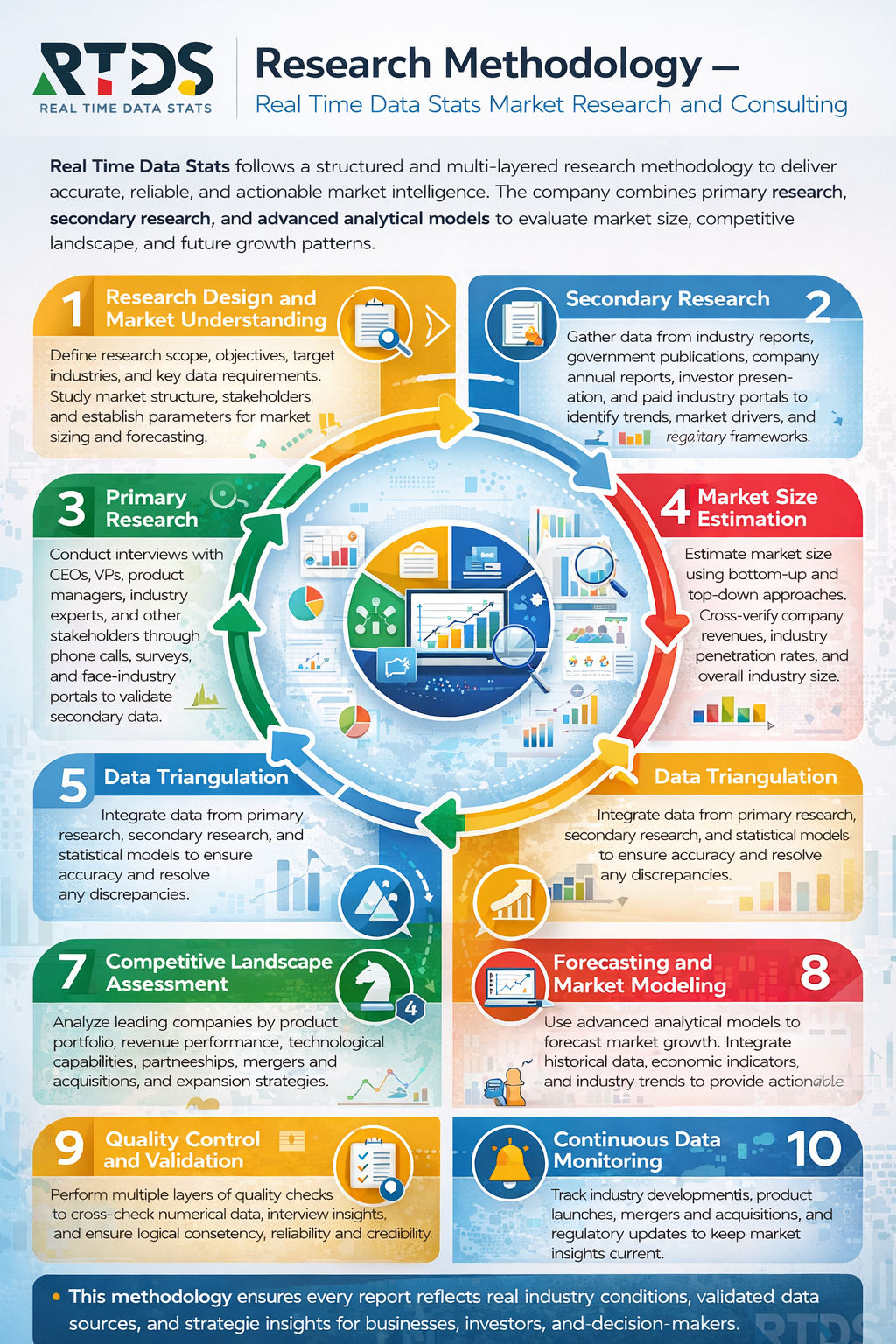
Research Methodology
- Data Collection Methods
- Primary Research Sources
- Secondary Research Sources
- Forecasting Models
- Assumptions & Limitations
Market Dynamics
- Market Drivers
- Market Restraints
- Market Opportunities
- Market Challenges
- Emerging Trends
Regulatory & Compliance Landscape
- Global Regulatory Overview
- Approval Pathways
- Safety Standards
- Ethical Considerations
- Policy Impact Analysis
Technology Landscape Analysis
- AI & Machine Learning Integration
- Augmented Reality Systems
- Virtual Reality Platforms
- Molecular Imaging Technologies
- Nano-Biotechnology Advancements
- Real-Time Data Analytics
Digital Molecular Neurosurgery Market Segmentation
- By Type
- Imaging-Guided Molecular Systems
- Robotic Molecular Surgical Platforms
- AI-Integrated Neurosurgical Tools
- Molecular Navigation Devices
- Nano-Surgical Instruments
- Hybrid Digital-Molecular Suites
- By Application
- Brain Tumor Surgery
- Neurovascular Procedures
- Epilepsy Surgery
- Functional Neurosurgery
- Spinal Molecular Surgery
- Pediatric Neurosurgery
- By Technology
- AI & Machine Learning Integration
- Augmented Reality Assistance
- Virtual Reality Simulation
- Molecular Imaging Technologies
- Nano-Biotechnology Integration
- Real-Time Data Analytics Systems
- By End User
- Hospitals
- Specialty Neurosurgery Clinics
- Academic & Research Institutes
- Ambulatory Surgical Centers
- Military & Defense Medical Units
- Rehabilitation Centers
- By Component
- Hardware Devices
- Software Platforms
- Molecular Sensors
- Surgical Consumables
- Integrated Systems
- Service & Maintenance Solutions
- By Procedure Type
- Minimally Invasive Neurosurgery
- Open Brain Surgery
- Laser-Assisted Procedures
- Endoscopic Neurosurgery
- Robotic-Assisted Procedures
- Image-Guided Biopsies
- By Deployment Mode
- On-Premise Systems
- Cloud-Based Platforms
- Hybrid Deployment Models
- Standalone Digital Units
- Integrated Hospital Networks
- Mobile Surgical Units
- By Therapeutic Area
- Oncology Neurosurgery
- Neurological Disorder Treatment
- Trauma & Injury Repair
- Degenerative Disease Surgery
- Psychiatric Neurosurgery
- Pain Management Procedures
- By Material Type
- Nano-Polymers
- Bio-Compatible Metals
- Smart Alloys
- Molecular Coatings
- Synthetic Biomaterials
- Composite Surgical Materials
Regional Analysis
- North America
- Europe
- Asia Pacific
- Latin America
- Middle East & Africa
Competitive Landscape
- Market Share Analysis
- Company Benchmarking
- Strategic Developments
- Mergers & Acquisitions
- Product Launch Analysis
Company Profiles
- Business Overview
- Product Portfolio
- Financial Overview
- Strategic Initiatives
- Recent Developments
Investment & Funding Analysis
- Venture Capital Trends
- R&D Investments
- Government Funding
- Private Equity Activities
- Innovation Grants
Supply Chain & Value Chain Analysis
- Raw Material Suppliers
- Manufacturers
- Technology Providers
- Distributors
- End-Use Delivery Channels
Future Outlook & Forecast Analysis
- Market Projections
- Scenario Analysis
- Growth Opportunities
- Innovation Roadmap
- Strategic Forecast Insights
Conclusion
- Summary of Market Trends
- Key Drivers and Restraints
- Growth Opportunities
- Technology & Innovation Outlook
- Future Market Forecast
Appendix
- Abbreviations
- Glossary of Terms
- Data Sources
- Research Contacts
- Disclaimer
List of Tables
- Table:1: Global Market Size Overview
- Table:2: Regional Revenue Distribution
- Table:3: By Type Segment Share
- Table:4: By Application Segment Share
- Table:5: By Technology Analysis
- Table:6: End User Distribution
- Table:7: Component Breakdown
- Table:8: Procedure Type Statistics
- Table:9: Deployment Mode Comparison
- Table:10: Therapeutic Area Analysis
- Table:11: Material Type Share
- Table:12: Regional Growth Rates
- Table:13: Competitive Positioning Matrix
- Table:14: Investment Trends
- Table:15: Forecast Summary
List of Figures
- Figure:1: Market Growth Trend
- Figure:2: Revenue Forecast Graph
- Figure:3: Segment Share by Type
- Figure:4: Application Distribution Chart
- Figure:5: Technology Adoption Curve
- Figure:6: End User Pie Chart
- Figure:7: Component Value Chain
- Figure:8: Procedure Trend Analysis
- Figure:9: Deployment Mode Diagram
- Figure:10: Therapeutic Area Mapping
- Figure:11: Material Type Visualization
- Figure:12: Regional Opportunity Map
- Figure:13: Competitive Landscape Map
- Figure:14: Investment Flow Diagram
- Figure:15: Future Outlook Projection
Digital Molecular Neurosurgery Market Key Factors
Drivers:
- Enables ultra-precise neural intervention at molecular resolution
- Accelerates personalized neurosurgical planning through real-time data
- Improves patient outcomes by minimizing invasive procedures
Restraints:
- Faces high development and integration costs
- Requires advanced clinical expertise and specialized training
- Encounters strict regulatory and ethical approval barriers
Opportunities:
- Expands use of AI-guided molecular mapping platforms
- Opens new pathways for treating complex neurological disorders
- Encourages cross-disciplinary collaboration between bioinformatics and surgery
Challenges:
- Managing massive volumes of neural molecular data
- Ensuring long-term biocompatibility and system stability
- Maintaining data security and patient privacy compliance
Digital Molecular Neurosurgery Market Key Regional Trends
North America:
- Leads adoption of AI-enabled neurosurgical platforms
- Strong funding for molecular neuroscience research
- Early clinical validation of digital neurosurgery tools
Europe:
- Focuses on regulatory-driven safety and precision standards
- Advances collaborative research across academic hospitals
- Integrates molecular imaging with robotic neurosurgery
Asia-Pacific:
- Rapid investment in smart healthcare infrastructure
- Growing demand for minimally invasive brain treatments
- Rising adoption of digital surgical planning systems
Latin America:
- Gradual entry of advanced neurosurgical technologies
- Emphasis on improving neurological care access
- Increasing partnerships with global med-tech providers
Middle East & Africa:
- Selective adoption in specialized neuro care centers
- Government-backed investment in advanced medical technologies
- Growing interest in precision-driven surgical innovation
Frequently Asked Questions
Key Questions Answered
- What is the size and growth rate of the market industry?
- What are the main drivers influencing market growth trends?
- What are the key challenges and restraints faced by the market?
- What are the emerging trends and opportunities shaping the market?
- Who are the top players, and what strategies drive their success?
- What are the customer demographics and their buying behaviors?
- What are the key market segments, and what is their scope?
- What are the geographical dynamics, and which region dominates?
- What are the market forecasts and projections for the next decade?
- What regulatory factors are critical to consider for market growth?
Why Choose our Company?
- Major facts and stats backing every report we offer.
- Comprehensive analysis tailored to your business needs.
- Accurate insights backed by extensive market research.
- Expert support to address your queries promptly.
- Data-driven strategies for better decision-making.
- In-depth reports with actionable
recommendations. - Reliable statistics from trusted industry
sources. - Customizable reports to suit your specific goals.
- Unmatched quality and precision in market analysis.
- Competitive pricing with premium content delivery.
Share your experience!
We value you feedback. Please take a moment to review your experience with us.