
According to insights from Real Time Data Stats, the Digital Molecular Imaging Market was valued at USD 1.84 billion in 2025. It is expected to grow from USD 2.07 billion in 2026 to USD 3.49 billion by 2033, registering a CAGR of 8.4% during the forecast period (2026–2033).
MARKET SIZE AND SHARE
The global digital molecular imaging market is expanding due to the increasing adoption of advanced hybrid imaging systems such as PET/CT and SPECT/CT. Market share remains concentrated among leading companies, including GE HealthCare, Siemens Healthineers, and Philips, which maintain strong positions through continuous technological advancements, broad product portfolios, and extensive global service networks.
North America holds the largest share of the digital molecular imaging market, supported by well-established healthcare infrastructure, high diagnostic imaging adoption, and substantial research investments. Meanwhile, the Asia-Pacific region is expected to record the fastest growth during the forecast period, driven by increasing healthcare expenditure, expanding patient populations, and improving access to advanced diagnostic technologies across emerging economies, which will contribute significantly to future market expansion.
INDUSTRY OVERVIEW AND STRATEGY
The digital molecular imaging industry integrates advanced modalities to visualize biological processes at molecular and cellular levels, crucial for oncology, cardiology, and neurology. The competitive landscape is characterized by intense R&D focused on improving image resolution, quantification software, and radiopharmaceuticals. Strategic emphasis is placed on developing compact, cost-effective systems to broaden clinical adoption beyond major academic and research hospitals into community care settings.
Core strategies for market leaders involve consolidating partnerships with pharmaceutical companies for companion diagnostics and expanding into emerging markets. A key strategic focus is the development of artificial intelligence-powered image analysis platforms to enhance diagnostic accuracy and workflow efficiency. Companies are also vertically integrating radiopharmaceutical production to secure supply chains and offer comprehensive solutions, thereby strengthening customer loyalty and creating recurring revenue streams.
Analyst Key Takeaways:
Digital molecular imaging is entering a rapid transformation phase driven by the transition from conventional analog nuclear imaging systems toward fully digital PET and SPECT platforms. The shift is being accelerated by advancements in solid-state detector technologies, AI-based image reconstruction, and hybrid imaging systems that significantly improve spatial resolution, diagnostic accuracy, and scan efficiency. These innovations are strengthening the clinical value of molecular imaging in oncology, cardiology, and neurology, where early and precise disease detection is critical.
From a market perspective, digital molecular imaging is outpacing the broader molecular imaging landscape due to higher technology adoption intensity and continuous upgrades in hospital imaging infrastructure. Increasing integration of software-defined imaging workflows and quantitative imaging analytics is reshaping clinical decision-making processes. Additionally, rising demand for precision medicine and personalized diagnostics is pushing healthcare providers to invest in high-performance digital imaging systems, reinforcing long-term structural growth momentum in this segment.
REGIONAL TRENDS AND GROWTH
In North America and Europe, growth is primarily driven by the high prevalence of chronic diseases, supportive reimbursement frameworks, and rapid integration of AI and quantitative imaging biomarkers. A significant trend is the expansion of outpatient imaging centers offering advanced molecular diagnostics. However, these mature markets face restraints including stringent regulatory processes and high capital equipment costs, which can slow replacement cycles and limit adoption in cost-sensitive settings.
The Asia-Pacific region presents substantial opportunities with its large, underserved patient base, improving healthcare insurance, and government initiatives modernizing infrastructure. Growth here is propelled by increasing local manufacturing and strategic collaborations. Common challenges across all regions include the high cost and logistical complexity of radiopharmaceuticals, a shortage of specialized technicians, and data management issues. Addressing these challenges is critical for unlocking future market potential through 2032.
DIGITAL MOLECULAR IMAGING MARKET SEGMENTATION ANALYSIS
BY TYPE:
The market segmentation by type is primarily driven by rapid advancements in imaging technologies, increasing diagnostic accuracy requirements, and the growing burden of chronic and complex diseases. PET (Positron Emission Tomography) holds a dominant position due to its superior functional imaging capabilities, high sensitivity, and precise disease localization, especially in oncology and neurology. SPECT (Single Photon Emission Computed Tomography) continues to experience strong demand owing to its cost-effectiveness, widespread availability, and extensive clinical use in cardiology and bone imaging. Optical imaging is witnessing accelerated adoption in research and preclinical studies due to its high resolution, real-time imaging capabilities, and non-invasive nature, particularly in cellular and molecular-level diagnostics.
MRI-based and CT-based molecular imaging systems contribute significantly to market growth through their superior anatomical detailing, enhanced tissue contrast, and high spatial resolution. These systems are increasingly integrated with molecular imaging modalities to improve diagnostic accuracy and workflow efficiency. Hybrid imaging systems, such as PET/CT and PET/MRI, represent one of the fastest-growing segments, driven by their ability to combine functional and anatomical imaging in a single platform. The rising demand for comprehensive diagnostic solutions, coupled with advancements in detector technologies, AI-based reconstruction algorithms, and digital photon counting systems, continues to fuel the expansion of this segment globally.
BY APPLICATION:
Oncology represents the largest application segment due to the growing global cancer burden, increasing adoption of early diagnostic screening, and rising demand for personalized treatment planning. Digital molecular imaging plays a vital role in tumor detection, staging, therapy response monitoring, and recurrence detection, thereby significantly improving clinical outcomes. Cardiology follows closely, supported by the increasing prevalence of cardiovascular diseases, growing aging populations, and rising need for accurate myocardial perfusion imaging, cardiac viability assessment, and ischemia detection. Neurology is another major contributor, driven by the rising incidence of neurodegenerative disorders such as Alzheimer’s disease, Parkinson’s disease, epilepsy, and brain tumors, where molecular imaging provides early-stage detection and disease progression monitoring.
Orthopedics, gastroenterology, and urology collectively contribute to steady market expansion through increasing applications in musculoskeletal disorders, gastrointestinal cancers, renal imaging, and prostate cancer diagnostics. Growing awareness among clinicians, improved reimbursement coverage, and expanding healthcare infrastructure are accelerating the use of molecular imaging in these specialties. Additionally, the development of disease-specific radiotracers and advancements in hybrid imaging platforms are enabling enhanced visualization of metabolic and functional abnormalities, thereby driving adoption across diverse clinical domains.
BY TECHNOLOGY:
Time-of-Flight (TOF) technology dominates the technological landscape due to its superior image quality, enhanced contrast resolution, reduced noise, and faster scan times, which significantly improve diagnostic accuracy. Digital photon counting technology is gaining strong traction owing to its high detection efficiency, superior timing resolution, and improved signal-to-noise ratio, making it highly suitable for advanced PET systems. Hybrid imaging technologies integrate multiple imaging modalities, enabling comprehensive anatomical and molecular insights, thereby enhancing clinical decision-making and driving significant market demand.
AI-based image processing and 3D imaging technologies are revolutionizing diagnostic workflows by enabling automated image reconstruction, lesion detection, quantitative analysis, and predictive diagnostics. These technologies significantly reduce interpretation time while improving diagnostic consistency and accuracy. Multimodal imaging technologies further enhance disease detection by combining data from multiple platforms, enabling more precise disease characterization. The integration of artificial intelligence, machine learning algorithms, cloud-based analytics, and real-time imaging solutions continues to drive rapid technological transformation across the digital molecular imaging ecosystem.
BY PRODUCT:
Imaging systems account for the largest share of the market, driven by rising installations of PET, SPECT, and hybrid systems across hospitals and diagnostic centers. Continuous technological advancements, improved detector sensitivity, and higher spatial resolution are significantly enhancing system performance and adoption. Radiopharmaceuticals represent a rapidly growing segment, supported by increasing clinical research, expanding oncology diagnostics, and continuous development of novel tracers targeting specific molecular pathways. The growing emphasis on precision medicine is accelerating demand for specialized radiotracers.
Detectors, software solutions, accessories, and consumables contribute substantially to market revenue by supporting operational efficiency and imaging accuracy. Advanced detectors improve signal acquisition, while sophisticated software platforms enable image reconstruction, quantitative analysis, data management, and AI-based diagnostics. Accessories and consumables, including syringes, shielding devices, calibration tools, and contrast agents, ensure continuous system operation and workflow efficiency. The increasing frequency of imaging procedures, combined with expanding diagnostic networks, is fueling consistent demand across all product categories.
BY END USER:
Hospitals dominate the end-user segment due to high patient inflow, advanced diagnostic infrastructure, and availability of skilled healthcare professionals. The growing adoption of advanced imaging systems, expansion of nuclear medicine departments, and rising investments in hospital-based diagnostic services significantly contribute to segment growth. Diagnostic imaging centers are witnessing rapid expansion due to increasing outpatient diagnostic procedures, shorter scan times, cost efficiency, and accessibility, making them preferred choices for routine and specialized imaging services.
Research institutes, academic institutions, pharmaceutical companies, and biotechnology companies form a crucial segment, primarily driven by growing investments in clinical research, drug development, biomarker discovery, and preclinical imaging studies. The increasing number of clinical trials, rising government and private funding for molecular imaging research, and strong collaboration between academic and industry stakeholders are driving substantial adoption. The continuous need for advanced imaging tools to support translational research and therapy evaluation is further strengthening this segment.
BY MODALITY:
Standalone systems remain widely used due to their affordability, simplicity, and suitability for basic diagnostic requirements. However, hybrid systems dominate the market owing to their ability to deliver superior diagnostic accuracy by combining functional and anatomical imaging. The increasing clinical preference for PET/CT and PET/MRI platforms is driven by rising demand for precise tumor localization, staging, and therapy monitoring. Hybrid systems significantly improve diagnostic confidence, reduce examination time, and enhance clinical workflows, making them essential in modern diagnostic environments.
Portable systems, mobile imaging units, and compact imaging systems are gaining popularity due to their flexibility, accessibility, and suitability for point-of-care diagnostics, emergency care, and remote healthcare delivery. These modalities enable faster diagnosis, reduce patient transfer requirements, and support decentralized healthcare models. The growing emphasis on expanding healthcare reach in rural and underserved regions, along with technological miniaturization, is significantly boosting demand for mobile and compact molecular imaging systems.
BY RADIOTRACER TYPE:
Fluorodeoxyglucose (FDG) dominates the radiotracer market due to its extensive application in oncology, cardiology, and neurology, providing critical insights into glucose metabolism and disease activity. Technetium-99m holds a significant share owing to its widespread availability, favorable half-life, and extensive use in SPECT imaging. Gallium-68 is rapidly gaining adoption, particularly in neuroendocrine tumor imaging and prostate cancer diagnostics, driven by its superior targeting capabilities and diagnostic accuracy.
Iodine-123, Carbon-11, and Fluorine-18 contribute significantly through their specialized applications in thyroid imaging, neurological studies, and advanced oncology diagnostics. The continuous development of novel tracers targeting specific biological pathways is expanding the clinical utility of molecular imaging. Rising investments in radiopharmaceutical research, regulatory approvals, and personalized medicine initiatives are expected to further accelerate growth across this segment.
BY COMPONENT:
Hardware components, including scanners, detectors, and data acquisition systems, account for the largest market share due to continuous technological upgrades and expanding system installations. Software components are rapidly gaining importance owing to the increasing integration of artificial intelligence, advanced analytics, and cloud-based platforms that enable enhanced visualization, faster processing, and improved diagnostic accuracy. The growing complexity of imaging data and demand for automation significantly drive software adoption.
Radiotracers, service solutions, image processing tools, and data management systems collectively support operational efficiency and clinical accuracy. Service solutions ensure system uptime, calibration, maintenance, and performance optimization, while advanced image processing and data management tools enable seamless storage, retrieval, and interpretation of large imaging datasets. The rapid digital transformation of healthcare systems and rising demand for integrated diagnostic platforms are driving sustained growth across all component segments.
BY CLINICAL INDICATION:
Cancer diagnosis remains the largest clinical indication segment, driven by the growing global cancer burden, rising early detection initiatives, and increasing reliance on molecular imaging for personalized therapy planning. Cardiovascular disorders contribute significantly due to the increasing prevalence of ischemic heart disease, myocardial infarction, and heart failure, where molecular imaging enables precise assessment of myocardial perfusion and viability. Neurological disorders represent a rapidly expanding segment, fueled by rising incidence of Alzheimer’s disease, Parkinson’s disease, epilepsy, and neuro-oncology applications.
Inflammatory diseases, infectious diseases, and metabolic disorders are gaining strong traction as molecular imaging enables early detection, disease progression monitoring, and therapeutic evaluation. The growing prevalence of autoimmune diseases, chronic infections, and metabolic syndromes, combined with increasing clinical awareness and technological advancements, is driving expanding utilization. The continuous development of disease-specific tracers and hybrid imaging technologies is expected to further broaden the clinical applications of digital molecular imaging globally.
RECENT DEVELOPMENTS
- In Jan 2024: Siemens Healthineers received FDA clearance for the Biograph Vision.X, a new PET/CT system featuring enhanced digital photon counting technology for superior image clarity and faster scan times.
- In Mar 2024: GE HealthCare launched its all-digital PET/CT portfolio, ""Omni Legend,"" designed with AI-driven workflows to improve operational efficiency and diagnostic confidence in oncology and neurology applications.
- In Aug 2024: Philips introduced its next-generation Vereos Digital PET/CT system in new markets, emphasizing its precision diagnostics for personalized cancer care and improved patient throughput in clinical settings.
- In Nov 2024: Canon Medical Systems launched the Cartesight Prime digital SPECT/CT system, integrating advanced reconstruction algorithms and quantitative analysis tools to enhance myocardial perfusion imaging accuracy.
- In Feb 2025: Bruker Corporation announced the acquisition of MILabs B.V., a leader in premium multi-modal molecular imaging systems, to expand its pre-clinical imaging portfolio and research capabilities.
KEY PLAYERS ANALYSIS
- Siemens Healthineers
- GE HealthCare
- Philips
- Canon Medical Systems Corporation
- Bruker Corporation
- Miltenyi Biotec
- Mediso Medical Imaging Systems
- MR Solutions
- PerkinElmer, Inc.
- Spectrum Dynamics Medical
- Cubresa Inc.
- MiLabs (Part of Bruker)
- Positron Corporation
- SurgicEye GmbH
- TriFoil Imaging
- DDD-Diagnostic A/S
- Naviscan, Inc.
- Basda Medical Apparatus Co., Ltd.
- MIEB Medical
- Advacam Oy
Digital Molecular Imaging Market Segmentation Analysis
By Type:
- PET (Positron Emission Tomography)
- SPECT (Single Photon Emission Computed Tomography)
- Optical Imaging
- MRI-Based Molecular Imaging
- CT-Based Molecular Imaging
- Hybrid Imaging Systems
By Application:
- Oncology
- Cardiology
- Neurology
- Orthopedics
- Gastroenterology
- Urology
By Technology:
- Time-of-Flight (TOF)
- Digital Photon Counting
- Hybrid Imaging Technology
- AI-Based Image Processing
- 3D Imaging Technology
- Multimodal Imaging Technology
By Product:
- Imaging Systems
- Radiopharmaceuticals
- Detectors
- Software Solutions
- Accessories
- Consumables
By End User
- Hospitals
- Diagnostic Imaging Centers
- Research Institutes
- Academic Institutions
- Pharmaceutical Companies
- Biotechnology Companies
By Modality:
- Standalone Systems
- Hybrid Systems
- Portable Systems
- Fixed Systems
- Mobile Imaging Units
- Compact Imaging Systems
By Radiotracer Type:
- Fluorodeoxyglucose (FDG)
- Technetium-99m
- Gallium-68
- Iodine-123
- Carbon-11
- Fluorine-18
By Component:
- Hardware
- Software
- Radiotracers
- Service Solutions
- Image Processing Tools
- Data Management Systems
By Clinical Indication:
- Cancer Diagnosis
- Cardiovascular Disorders
- Neurological Disorders
- Inflammatory Diseases
- Infectious Diseases
- Metabolic Disorders
By Geography:
- North America (USA, Canada, Mexico)
- Europe (UK, Germany, France, Italy, Spain, Rest of Europe)
- Asia-Pacific (China, Japan, Australia, South Korea, India, Rest of Asia-Pacific)
- South America (Brazil, Argentina, Rest of South America)
- Middle East and Africa (GCC Countries, South Africa, Rest of MEA)
Digital Molecular Imaging Market: Table of Contents
Introduction
- Market Definition and Scope
- Study Objectives
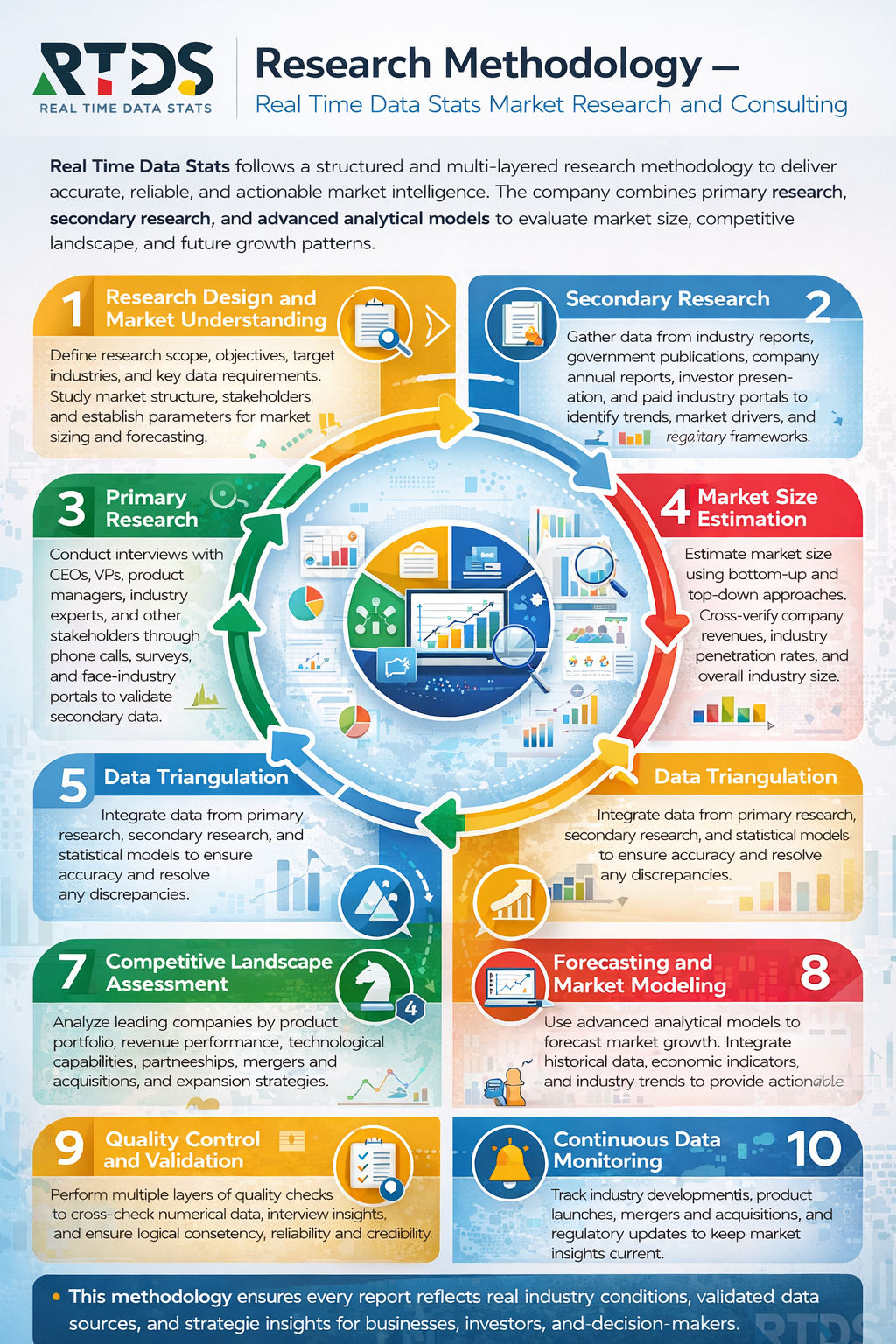
- Research Methodology Overview
- Market Taxonomy
- Assumptions and Limitations
Executive Summary
- Global Market Snapshot
- Key Market Trends
- Growth Drivers and Challenges
- Competitive Landscape Overview
- Strategic Recommendations
Market Overview
- Digital Molecular Imaging: Concept and Evolution
- Industry Value Chain Analysis
- Market Ecosystem Analysis
- Regulatory Framework and Compliance Standards
- Reimbursement Scenario and Pricing Analysis
Market Dynamics
- Market Drivers
- Market Restraints
- Market Opportunities
- Market Challenges
- Impact Analysis
Technological Landscape
- Digital Imaging Technologies Overview
- Emerging Innovations
- AI and Machine Learning Integration
- Hybrid Imaging Developments
- Future Technology Roadmap
Digital Molecular Imaging Market Segmentation
- By Type
- By Application
- By Technology
- By Product
- By End User
- By Modality
- By Radiotracer Type
- By Component
- By Clinical Indication
Digital Molecular Imaging Market Segmentation Analysis
- By Type
- PET (Positron Emission Tomography)
- SPECT (Single Photon Emission Computed Tomography)
- Optical Imaging
- MRI-Based Molecular Imaging
- CT-Based Molecular Imaging
- Hybrid Imaging Systems
- By Application
- Oncology
- Cardiology
- Neurology
- Orthopedics
- Gastroenterology
- Urology
- By Technology
- Time-of-Flight (TOF)
- Digital Photon Counting
- Hybrid Imaging Technology
- AI-Based Image Processing
- 3D Imaging Technology
- Multimodal Imaging Technology
- By Product
- Imaging Systems
- Radiopharmaceuticals
- Detectors
- Software Solutions
- Accessories
- Consumables
- By End User
- Hospitals
- Diagnostic Imaging Centers
- Research Institutes
- Academic Institutions
- Pharmaceutical Companies
- Biotechnology Companies
- By Modality
- Standalone Systems
- Hybrid Systems
- Portable Systems
- Fixed Systems
- Mobile Imaging Units
- Compact Imaging Systems
- By Radiotracer Type
- Fluorodeoxyglucose (FDG)
- Technetium-99m
- Gallium-68
- Iodine-123
- Carbon-11
- Fluorine-18
- By Component
- Hardware
- Software
- Radiotracers
- Service Solutions
- Image Processing Tools
- Data Management Systems
- By Clinical Indication
- Cancer Diagnosis
- Cardiovascular Disorders
- Neurological Disorders
- Inflammatory Diseases
- Infectious Diseases
- Metabolic Disorders
Regional Market Analysis
- North America Market Analysis
- Europe Market Analysis
- Asia-Pacific Market Analysis
- Latin America Market Analysis
- Middle East Market Analysis
- Africa Market Analysis
Competitive Landscape
- Market Share Analysis
- Competitive Benchmarking
- Company Positioning Matrix
- Strategic Initiatives
- Recent Developments and Innovations
Company Profiles
- Business Overview
- Product Portfolio
- Financial Performance
- Strategic Developments
- SWOT Analysis
Investment Analysis and Opportunities
- Funding Trends
- Mergers and Acquisitions
- Strategic Partnerships
- Emerging Investment Hotspots
- Future Growth Opportunities
Future Market Outlook
- Market Forecast Analysis
- Technological Advancements Impact
- Emerging Application Areas
- Strategic Growth Roadmap
Conclusion
- Summary of Market Trends
- Key Drivers and Restraints
- Growth Opportunities
- Technology & Innovation Outlook
- Future Market Forecast
Appendix
- Research Methodology Details
- Data Sources
- Abbreviations and Acronyms
- Disclaimer
List of Tables
- Table:1: Global Digital Molecular Imaging Market Size Overview
- Table:2: Market Segmentation by Type
- Table:3: Market Segmentation by Application
- Table:4: Market Segmentation by Technology
- Table:5: Market Segmentation by Product
- Table:6: Market Segmentation by End User
- Table:7: Market Segmentation by Modality
- Table:8: Market Segmentation by Radiotracer Type
- Table:9: Market Segmentation by Component
- Table:10: Market Segmentation by Clinical Indication
- Table:11: Regional Market Analysis Summary
- Table:12: Competitive Market Share Analysis
- Table:13: Key Company Financial Performance
- Table:14: Recent Developments and Strategic Initiatives
- Table:15: Market Forecast Summary
List of Figures
- Figure:1: Global Digital Molecular Imaging Market Overview
- Figure:2: Market Segmentation Framework
- Figure:3: Market Dynamics Analysis
- Figure:4: Technology Landscape Map
- Figure:5: Product Value Chain Flow
- Figure:6: End User Distribution Analysis
- Figure:7: Regional Market Share Distribution
- Figure:8: Competitive Positioning Matrix
- Figure:9: Company Market Share Comparison
- Figure:10: Radiotracer Usage Distribution
- Figure:11: Modality Adoption Trends
- Figure:12: Clinical Indication Contribution
- Figure:13: Investment Trends Analysis
- Figure:14: Market Growth Forecast Trends
- Figure:15: Future Market Opportunity Mapping
Digital Molecular Imaging Market Key Factors
Drivers:
- Rising cancer prevalence increases clinical demand for precise diagnostic tools.
- Technological advancements enhance imaging resolution and quantitative analysis.
- Growing adoption of personalized medicine requires detailed molecular-level data.
Restraints:
- High system and maintenance costs limit market penetration in developing regions.
- Stringent regulatory approvals delay new product launches.
- Reimbursement challenges for novel procedures restrict clinical adoption.
Opportunities:
- Expanding applications in neurology and cardiology create new clinical pathways.
- Emerging markets present significant growth potential with improving healthcare infrastructure.
- Integration of artificial intelligence accelerates image interpretation and workflow.
Challenges:
- Shortage of skilled professionals affects operational efficiency.
- Data management and security concerns arise from large-volume imaging files.
- Market competition intensifies from established and new market entrants.
Digital Molecular Imaging Market Key Regional Trends
North America:
- Early adoption of AI-integrated and hybrid imaging systems dominates.
- Strong research funding fuels clinical trials for novel radiopharmaceuticals.
- Consolidation among providers and imaging centers increases market competition.
Europe:
- Stringent EU regulations push advancements in radiation safety and dose management.
- Focus on cost-containment drives demand for efficient, scalable imaging solutions.
- Growing geriatric population boosts demand for oncology and neurodegenerative disease imaging.
Asia-Pacific:
- Rapid healthcare infrastructure development accelerates installation of new imaging centers.
- Governments increase investments in domestic manufacturing to reduce import dependency.
- Rising medical tourism and health awareness expand the patient pool for advanced diagnostics.
Rest of the World:
- Public-private partnerships aim to improve access to basic molecular imaging services.
- High growth potential remains constrained by budget limitations and uneven access.
- Focus often centers on urban hospital hubs, creating significant regional disparities.
Frequently Asked Questions
Key Questions Answered
- What is the size and growth rate of the market industry?
- What are the main drivers influencing market growth trends?
- What are the key challenges and restraints faced by the market?
- What are the emerging trends and opportunities shaping the market?
- Who are the top players, and what strategies drive their success?
- What are the customer demographics and their buying behaviors?
- What are the key market segments, and what is their scope?
- What are the geographical dynamics, and which region dominates?
- What are the market forecasts and projections for the next decade?
- What regulatory factors are critical to consider for market growth?
Why Choose our Company?
- Major facts and stats backing every report we offer.
- Comprehensive analysis tailored to your business needs.
- Accurate insights backed by extensive market research.
- Expert support to address your queries promptly.
- Data-driven strategies for better decision-making.
- In-depth reports with actionable
recommendations. - Reliable statistics from trusted industry
sources. - Customizable reports to suit your specific goals.
- Unmatched quality and precision in market analysis.
- Competitive pricing with premium content delivery.
Share your experience!
We value you feedback. Please take a moment to review your experience with us.