
According to insights from Real Time Data Stats, the Digital Epigenetic Mapping Market was valued at USD 0.82 billion in 2025. It is expected to grow from USD 0.97 billion in 2026 to USD 3.95 billion by 2033, registering a CAGR of 22.2% during the forecast period (2026–2033).
MARKET SIZE AND SHARE
The Digital Epigenetic Mapping Market is expanding steadily due to the growing integration of epigenetic analysis in precision oncology, translational medicine, and academic research programs. Increasing demand for advanced sequencing technologies, methylation profiling, and bioinformatics platforms is supporting broader adoption across research and clinical settings. Market share remains concentrated among leading biotechnology and diagnostic companies that possess strong intellectual property portfolios, advanced analytical capabilities, and established collaborations with healthcare institutions, pharmaceutical companies, and research organizations.
Future market expansion will be supported by the rising use of digital epigenetic mapping in neurology, immunology, rare disease research, and personalized medicine applications. Emerging diagnostic tools, biomarker discovery programs, and targeted therapeutic development initiatives are creating new growth opportunities for both established providers and innovative startups. While new entrants are expected to strengthen competition and address specialized application areas, companies offering comprehensive end-to-end platforms, integrated data analytics, and broad service portfolios are likely to maintain a significant share of the industry through continuous technological advancement and strategic partnerships.
INDUSTRY OVERVIEW AND STRATEGY
The digital epigenetic mapping industry centers on analyzing chemical modifications to DNA and histones to interpret gene expression patterns. It is a critical enabler for personalized medicine, offering insights beyond genetic code. The ecosystem comprises technology developers, clinical laboratories, and data analysis firms. Core activities include developing high-throughput sequencing assays, advanced computational tools for data interpretation, and creating clinically actionable reports for healthcare providers in oncology and complex diseases.
Key competitive strategies involve forming alliances with pharmaceutical companies for drug development and biomarker discovery. Players are heavily investing in cloud-based bioinformatics platforms and AI-driven analysis to differentiate their offerings. A dominant strategic focus is on securing regulatory approvals for clinical diagnostic tests to transition from research tools to essential clinical assets, thereby ensuring recurring revenue and deeper market penetration.
Analyst Key Takeaways:
The Digital Epigenetic Mapping Market is witnessing strong momentum as healthcare and life sciences organizations increasingly integrate AI-driven bioinformatics, cloud-based genomic analytics, and precision medicine platforms into epigenetic research workflows. Growing demand for high-resolution methylation analysis, biomarker discovery, and next-generation sequencing interpretation is accelerating adoption across oncology, rare disease research, and personalized therapeutics. The market is also benefiting from rising investments in computational biology and multi-omics integration technologies.
A major trend shaping the industry is the rapid transition from conventional laboratory-based epigenetic analysis toward digitally enabled mapping and automated interpretation systems. Pharmaceutical companies, biotechnology firms, and research institutions are expanding the use of machine learning and advanced data analytics to improve disease prediction accuracy and therapeutic targeting. Increasing collaboration between genomics technology providers and healthcare organizations is expected to further strengthen innovation and commercialization opportunities throughout the forecast period.
REGIONAL TRENDS AND GROWTH
North America leads the market, driven by strong R&D funding, advanced healthcare infrastructure, and early adoption of precision medicine. Europe follows, supported by large-scale epigenomic consortiums and favorable public health policies. The Asia-Pacific region is poised for the highest growth rate, fueled by increasing biotechnology investments, rising cancer prevalence, and expanding genomic research initiatives in China, Japan, and India, creating a rapidly expanding regional market.
Primary growth drivers include the escalating burden of chronic diseases, declining sequencing costs, and expanding applications in drug development. Significant restraints are high data storage and analysis costs, along with data privacy concerns. Key opportunities lie in liquid biopsy-based epigenetic tests and direct-to-consumer wellness insights. Major challenges involve standardizing complex data, integrating findings into clinical workflows, and navigating an evolving regulatory landscape for epigenetic diagnostics.
DIGITAL EPIGENETIC MAPPING MARKET SEGMENTATION ANALYSIS
BY TYPE:
The Digital Epigenetic Mapping Market by type is primarily driven by the increasing adoption of advanced molecular profiling tools and growing focus on precision medicine. DNA Methylation Analysis remains dominant due to its critical role in understanding gene regulation and disease progression, particularly in cancer and neurological disorders. Histone Modification Analysis and Chromatin Accessibility Mapping are witnessing growth as they provide deeper insights into epigenetic regulation and chromatin dynamics. Additionally, Non-Coding RNA Analysis and Multi-Omics Integration are gaining traction for their applications in complex disease biomarker discovery, while other epigenetic modifications such as RNA methylation are emerging as novel targets for diagnostics and therapeutics. Technological advances, increased research funding, and rising demand for multi-dimensional epigenetic data are fueling market expansion.
However, high costs of equipment, complexity in sample processing, and lack of standardized workflows remain key restraints. Market opportunities exist in integrating multi-omics platforms with AI-driven analytics to enhance predictive insights and improve clinical outcomes. Pharmaceutical and academic research are increasingly leveraging these tools for personalized medicine, with collaborations driving innovation in epigenetic therapies. Regulatory challenges, data reproducibility, and the need for skilled personnel continue to shape market dynamics, pushing companies to develop user-friendly and high-throughput solutions to maintain competitiveness.
BY APPLICATION:
In terms of application, Drug Discovery & Development leads the market due to the critical role of epigenetic mapping in identifying novel therapeutic targets, optimizing drug efficacy, and reducing adverse effects. Diagnostics & Biomarker Development is expanding as epigenetic signatures are increasingly used for early disease detection and prognosis, particularly in oncology. Personalized Medicine benefits from insights generated through DNA methylation and histone modification analysis, enabling patient-specific treatment strategies. Applications in Cancer Research and Clinical Research are bolstered by government funding, large-scale genomics initiatives, and growing awareness of epigenetic contributions to disease. Agricultural & Environmental Studies also represent emerging areas, where epigenetic mapping helps improve crop resilience and environmental monitoring.
The market is influenced by rising investments in genomics and biotechnology research, increasing clinical trial activities, and growing collaborations between pharmaceutical and academic institutions. However, challenges such as high operational costs, complex data integration, and regulatory compliance may hinder adoption. Opportunities lie in expanding epigenetic applications beyond healthcare into agriculture, environmental sciences, and industrial research. Companies focusing on integrated solutions and AI-assisted analysis can capitalize on this growing demand, while overcoming challenges related to workflow standardization and large-scale data interpretation.
BY TECHNOLOGY:
Next-Generation Sequencing (NGS) dominates the technology segment, driven by its high sensitivity, accuracy, and ability to provide comprehensive genome-wide epigenetic insights. Microarrays remain relevant for cost-effective and targeted epigenetic studies. Single-Cell Epigenomics is emerging as a transformative tool for analyzing cellular heterogeneity, crucial in cancer and stem cell research. Mass Spectrometry is gaining adoption for histone modification profiling, while CRISPR-Based Tools allow precise epigenetic editing and functional studies. Other technologies, including AI-assisted data analytics and imaging-based epigenomics, are increasingly applied to accelerate discovery and improve efficiency in clinical and research workflows.
Dominant factors include growing demand for high-throughput platforms, decreasing sequencing costs, and the integration of multi-omics approaches. The expansion of single-cell technologies and CRISPR applications creates opportunities in drug development and disease research. Constraints include the need for advanced bioinformatics capabilities, high capital expenditure, and technical expertise. Market growth is further influenced by partnerships between technology providers, research institutions, and biotech firms to enhance accessibility and optimize workflow efficiency, ensuring wider adoption of cutting-edge epigenetic tools.
BY END USER:
Pharmaceutical & Biotechnology Companies are the primary end users, leveraging epigenetic mapping for drug discovery, target validation, and personalized medicine. Research Institutes & Laboratories contribute significantly by conducting foundational and translational studies, while Hospitals & Clinics increasingly adopt epigenetic assays for diagnostics and prognostics. Contract Research Organizations (CROs) facilitate outsourced research and clinical trials, and Academic & Government Institutions drive innovation through funding, training, and large-scale studies. Agricultural & Environmental Organizations are emerging users, applying epigenetic insights to crop improvement and ecological monitoring.
The growth of end users is driven by increased R&D expenditure, growing collaborations, and demand for precision healthcare solutions. Dominant factors include integration of epigenetic mapping into clinical pipelines, partnerships for multi-omics research, and adoption of high-throughput technologies. Challenges such as operational costs, training requirements, and data privacy regulations exist, but opportunities lie in expanding services to emerging regions, increasing adoption in non-healthcare fields, and developing cloud-based solutions to enhance accessibility for diverse end users.
BY SAMPLE TYPE:
Blood samples dominate the market due to their non-invasive collection, high accessibility, and broad application in diagnostics and biomarker discovery. Tissue samples remain critical for cancer and organ-specific studies, while saliva and urine samples are gaining interest in non-invasive epigenetic testing. Cell lines provide controlled experimental models for research, while other biological samples, such as cerebrospinal fluid or plant tissues, are increasingly applied in niche research areas. Technological improvements in sample processing and storage contribute to broader applicability of multiple sample types.
Market expansion is supported by rising demand for minimally invasive diagnostic tools, increasing clinical studies, and growing use of liquid biopsy techniques. Dominant factors include standardization of sample collection, preservation methods, and high-throughput processing. Challenges include variability in sample quality, sensitivity of detection methods, and logistical complexities in multi-sample handling. Opportunities exist in developing automated systems for diverse sample types and expanding applications in personalized medicine, environmental monitoring, and agricultural research.
BY WORKFLOW:
The workflow segment includes Sample Preparation, Library Preparation, Sequencing/Detection, Data Analysis, Interpretation & Reporting, and Storage & Management, forming the backbone of the epigenetic mapping process. Sample and library preparation are critical for ensuring data quality, while sequencing and detection technologies drive the accuracy and resolution of epigenetic insights. Data analysis and interpretation are increasingly powered by AI and bioinformatics tools, addressing the complexity of multi-dimensional datasets. Storage and management solutions are essential to handle growing volumes of omics data securely.
Dominant factors driving the workflow segment include automation, high-throughput technologies, and integration of bioinformatics pipelines for seamless analysis. Challenges include standardization, reproducibility, and handling large-scale datasets. Opportunities lie in AI-driven analytics, cloud-based storage, and multi-omics data integration to improve efficiency and predictive capabilities. Pharmaceutical, clinical, and agricultural users increasingly seek end-to-end workflow solutions to reduce errors, save time, and enhance the reliability of research outcomes.
BY RESEARCH TYPE:
Basic Research underpins fundamental understanding of epigenetic mechanisms, while Translational Research converts these insights into therapeutic and diagnostic applications. Clinical Research is expanding due to personalized medicine and biomarker development, and Agricultural Research leverages epigenetic tools for crop improvement and resilience. Environmental Research focuses on understanding epigenetic responses to pollutants and climate change, while Industrial Research explores applications in bioprocessing and synthetic biology. Growth is supported by cross-disciplinary collaborations and increasing investment in genomics research.
Dominant factors include technological advancements, government funding, and the growing demand for targeted therapeutics and diagnostics. Challenges include high costs, complex regulatory frameworks, and the need for specialized training. Opportunities exist in integrating research across multiple sectors, expanding clinical trial applications, and utilizing multi-omics approaches to accelerate innovation. Companies offering comprehensive solutions that support diverse research types are likely to gain a competitive advantage in this evolving market.
BY PLATFORM:
Cloud-Based platforms dominate due to scalability, real-time data access, and collaborative research capabilities. On-Premises solutions provide data security and control, while Hybrid Platforms combine flexibility with regulatory compliance. AI-Powered Platforms enhance predictive analysis and decision-making, Data Analytics Platforms provide insights from complex multi-dimensional datasets, and Multi-Omics Platforms integrate genomics, transcriptomics, and epigenomics for comprehensive research applications. Platform selection is increasingly influenced by data security, analytical capabilities, and ease of integration.
Dominant factors driving platform adoption include rising data volumes, demand for remote collaboration, and need for sophisticated analytical capabilities. Challenges include cybersecurity risks, high upfront costs, and technical expertise requirements. Opportunities lie in expanding cloud-based solutions in emerging regions, integrating AI for predictive analytics, and developing user-friendly platforms that combine multi-omics data for personalized medicine, agriculture, and environmental research applications.
BY PRICING MODEL:
Subscription-Based models dominate due to predictable revenue and scalability for enterprise users. Pay-Per-Use models appeal to smaller research labs requiring flexibility, while Enterprise Licensing provides long-term cost advantages for large organizations. Freemium models are emerging to attract new users and encourage adoption, Service-Based models include consultancy and data analysis services, and Custom Pricing addresses specific research or clinical needs. Pricing strategies influence adoption across academic, clinical, and industrial sectors.
Dominant factors include affordability, flexibility, and value-added services provided with the pricing model. Challenges involve balancing cost with high-quality services and ensuring accessibility in emerging markets. Opportunities exist in offering tiered pricing, subscription bundles, and cloud-based pay-per-use models to enhance adoption. Companies providing flexible and transparent pricing with integrated analytical support are likely to attract a broader user base while maximizing market penetration.
RECENT DEVELOPMENTS
- In Jan 2024: Illumina launched the Illumina Complete Long-Read Epigenomics platform, enabling simultaneous analysis of genetic variation, methylation, and chromatin conformation on a single instrument.
- In Jun 2024: Pacific Biosciences and Twist Bioscience expanded their collaboration to develop high-throughput, multiplexed kits for targeted epigenetic sequencing using PacBio's Revio long-read systems.
- In Sep 2024: QIAGEN launched the QIAseq HiFi Methyl Panel for comprehensive, single-base resolution methylation analysis on PacBio's Revio system, targeting clinical research in oncology.
- In Nov 2024: Element Biosciences and BioSkryb Genomics partnered to integrate BioSkryb's single-cell whole-genome amplification technology with Element's AVITI sequencer for high-resolution single-cell epigenetic studies.
- In Feb 2025: Roche Diagnostics received CE-IVD marking for its AVENIO ctDNA Surveillance Kit with integrated epigenetic biomarkers, enhancing liquid biopsy applications for cancer monitoring.
KEY PLAYERS ANALYSIS
- Illumina, Inc.
- Thermo Fisher Scientific Inc.
- QIAGEN N.V.
- Pacific Biosciences of California, Inc.
- Oxford Nanopore Technologies plc
- PerkinElmer, Inc. (Revvity)
- Bio-Rad Laboratories, Inc.
- Agilent Technologies, Inc.
- Diagenode S.A. (Hologic)
- Zymo Research Corp.
- Active Motif, Inc.
- New England Biolabs
- Roche Diagnostics
- Element Biosciences
- 10x Genomics, Inc.
- Twist Bioscience
- NanoString Technologies, Inc.
- EpiCypher, Inc.
- Abcam plc
- BioSkryb Genomics
Digital Epigenetic Mapping Market Segmentation Analysis
By Type:
- DNA Methylation Analysis
- Histone Modification Analysis
- Chromatin Accessibility Mapping
- Non-Coding RNA Analysis
- Multi-Omics Integration
- Other Epigenetic Modifications
By Application:
- Drug Discovery & Development
- Diagnostics & Biomarker Development
- Personalized Medicine
- Cancer Research
- Clinical Research
- Agricultural & Environmental Studies
By Technology:
- Next-Generation Sequencing (NGS)
- Microarrays
- Single-Cell Epigenomics
- Mass Spectrometry
- CRISPR-Based Tools
- Other Technologies
By End User:
- Pharmaceutical & Biotechnology Companies
- Research Institutes & Laboratories
- Hospitals & Clinics
- Contract Research Organizations (CROs)
- Academic & Government Institutions
- Agricultural & Environmental Organizations
By Sample Type:
- Blood
- Tissue
- Saliva
- Cell Lines
- Urine
- Other Biological Samples
By Workflow:
- Sample Preparation
- Library Preparation
- Sequencing/Detection
- Data Analysis
- Interpretation & Reporting
- Storage & Management
By Research Type:
- Basic Research
- Translational Research
- Clinical Research
- Agricultural Research
- Environmental Research
- Industrial Research
By Platform:
- Cloud-Based
- On-Premises
- Hybrid Platforms
- AI-Powered Platforms
- Data Analytics Platforms
- Multi-Omics Platforms
By Pricing Model:
- Subscription-Based
- Pay-Per-Use
- Enterprise Licensing
- Freemium
- Service-Based
- Custom Pricing
By Geography:
- North America (USA, Canada, Mexico)
- Europe (UK, Germany, France, Italy, Spain, Rest of Europe)
- Asia-Pacific (China, Japan, Australia, South Korea, India, Rest of Asia-Pacific)
- South America (Brazil, Argentina, Rest of South America)
- Middle East and Africa (GCC Countries, South Africa, Rest of MEA)
Digital Epigenetic Mapping Market: Table of Contents
Executive Summary
- Market Overview
- Key Findings
- Market Snapshot
- Competitive Landscape Summary
Introduction
- Definition of Digital Epigenetic Mapping
- Scope of the Report
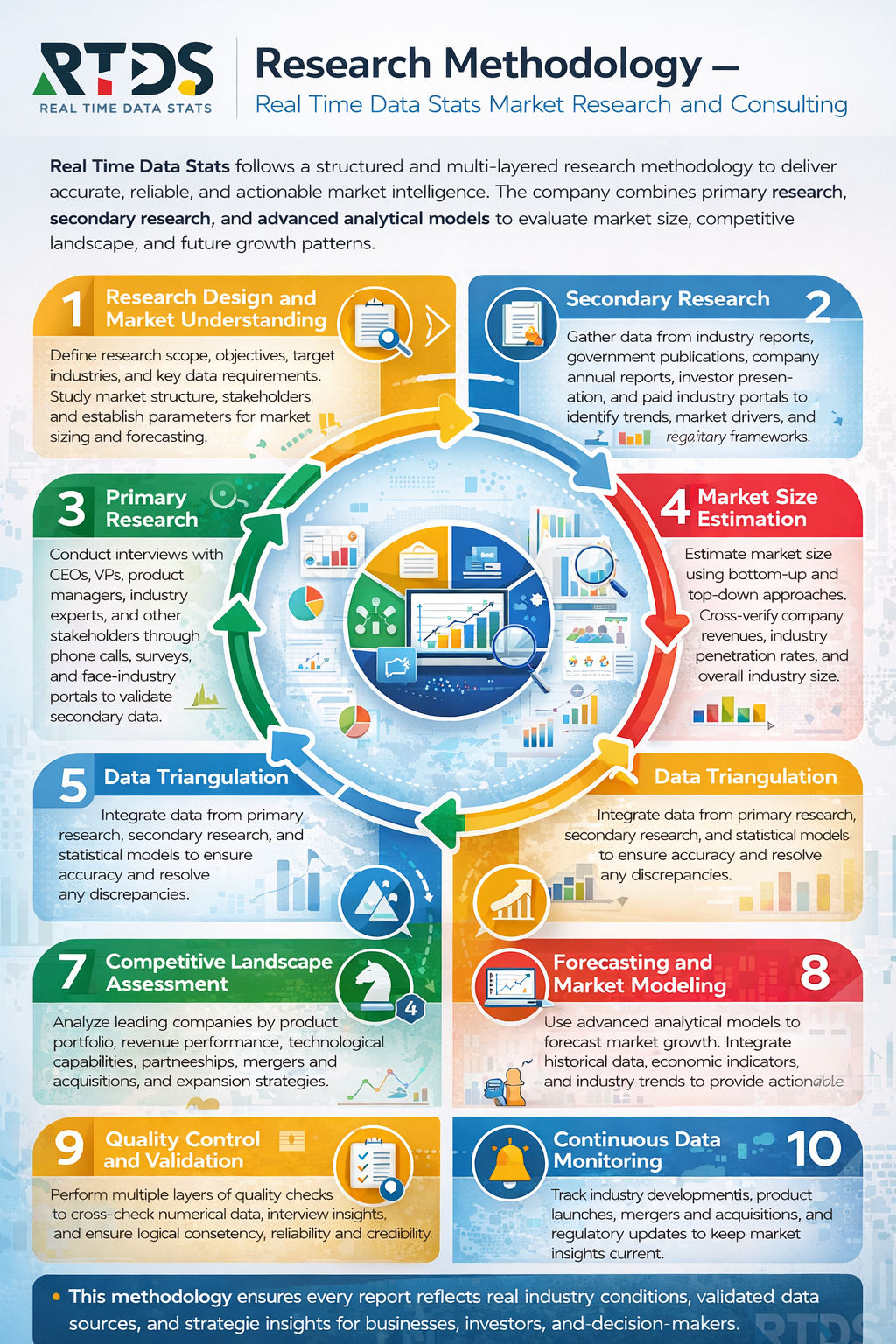
- Research Methodology
- Data Sources
Market Dynamics
- Market Drivers
- Market Restraints
- Market Opportunities
- Market Challenges
- Key Trends and Innovations
Digital Epigenetic Mapping Market Segmentation
- By Type:
- DNA Methylation Analysis
- Histone Modification Analysis
- Chromatin Accessibility Mapping
- Non-Coding RNA Analysis
- Multi-Omics Integration
- Other Epigenetic Modifications
- By Application:
- Drug Discovery & Development
- Diagnostics & Biomarker Development
- Personalized Medicine
- Cancer Research
- Clinical Research
- Agricultural & Environmental Studies
- By Technology:
- Next-Generation Sequencing (NGS)
- Microarrays
- Single-Cell Epigenomics
- Mass Spectrometry
- CRISPR-Based Tools
- Other Technologies
- By End User:
- Pharmaceutical & Biotechnology Companies
- Research Institutes & Laboratories
- Hospitals & Clinics
- Contract Research Organizations (CROs)
- Academic & Government Institutions
- Agricultural & Environmental Organizations
- By Sample Type:
- Blood
- Tissue
- Saliva
- Cell Lines
- Urine
- Other Biological Samples
- By Workflow:
- Sample Preparation
- Library Preparation
- Sequencing/Detection
- Data Analysis
- Interpretation & Reporting
- Storage & Management
- By Research Type:
- Basic Research
- Translational Research
- Clinical Research
- Agricultural Research
- Environmental Research
- Industrial Research
- By Platform:
- Cloud-Based
- On-Premises
- Hybrid Platforms
- AI-Powered Platforms
- Data Analytics Platforms
- Multi-Omics Platforms
- By Pricing Model:
- Subscription-Based
- Pay-Per-Use
- Enterprise Licensing
- Freemium
- Service-Based
- Custom Pricing
Regional Analysis
- North America Market Overview
- Europe Market Overview
- Asia-Pacific Market Overview
- Latin America Market Overview
- Middle East Market Overview
- Africa Market Overview
Competitive Landscape
- Market Share Analysis
- Key Strategies Adopted by Leading Players
- Company Profiles
- Mergers & Acquisitions
- Partnerships and Collaborations
Future Outlook and Market Forecasts
- Market Projections 2026–2035
- Key Growth Opportunities
- Emerging Trends
Conclusion
- Summary of Market Trends
- Key Drivers and Restraints
- Growth Opportunities
- Technology & Innovation Outlook
- Future Market Forecast
Appendix
- Research Methodology
- Abbreviations
- Sources
List of Tables
- Table:1: Global Digital Epigenetic Mapping Market Size 2026–2035
- Table:2: Market Share by Type
- Table:3: Market Share by Application
- Table:4: Market Share by Technology
- Table:5: Market Share by End User
- Table:6: Regional Market Size and Forecast
- Table:7: Sample Type Analysis
- Table:8: Workflow Segment Analysis
- Table:9: Research Type Market Distribution
- Table:10: Platform Market Analysis
- Table:11: Pricing Model Market Overview
- Table:12: Competitive Landscape and Market Share
- Table:13: Key Players Revenue Analysis
- Table:14: Mergers and Acquisitions Overview
- Table:15: Strategic Initiatives of Leading Companies
List of Figures
- Figure:1: Global Market Overview
- Figure:2: Market Dynamics Framework
- Figure:3: Digital Epigenetic Mapping Market Segmentation
- Figure:4: Market Share by Type
- Figure:5: Market Share by Application
- Figure:6: Market Share by Technology
- Figure:7: Market Share by End User
- Figure:8: Regional Market Comparison
- Figure:9: Sample Type Distribution
- Figure:10: Workflow Segment Analysis
- Figure:11: Research Type Market Share
- Figure:12: Platform Adoption Trends
- Figure:13: Pricing Model Trends
- Figure:14: Competitive Landscape Overview
- Figure:15: Future Growth Projections
Digital Epigenetic Mapping Market Key Factors
Drivers
- Expands precision medicine programs across hospitals and research labs
- Increases funding for genomics and bioinformatics innovation
- Accelerates adoption of AI-based data interpretation tools
Restraints
- Raises high equipment and sequencing costs for small institutes
- Faces complex data privacy and ethical regulations
- Requires skilled professionals for advanced analytics
Opportunities
- Develops cloud-based epigenetic data platforms
- Integrates multi-omics research with pharmaceutical pipelines
- Expands partnerships between biotech firms and universities
Challenges
- Manages massive and unstructured biological datasets
- Ensures accuracy and reproducibility of mapping results
- Balances rapid innovation with regulatory approvals
Digital Epigenetic Mapping Market Key Regional Trends
North America
- Leads clinical genomics commercialization
- Expands venture capital support for biotech startups
- Strengthens AI-driven laboratory automation
Europe
- Promotes cross-border research collaborations
- Implements strict data governance frameworks
- Invests in public genomic infrastructure
Asia Pacific
- Accelerates government-backed life science funding
- Expands local sequencing and bioinformatics firms
- Increases academic-industry joint ventures
Latin America
- Improves university-led genomics initiatives
- Gains international research partnerships
- Adopts cost-efficient analytical platforms
Middle East & Africa
- Builds national biotechnology hubs
- Expands healthcare digitization programs
- Encourages foreign direct investment in research labs
Frequently Asked Questions
Key Questions Answered
- What is the size and growth rate of the market industry?
- What are the main drivers influencing market growth trends?
- What are the key challenges and restraints faced by the market?
- What are the emerging trends and opportunities shaping the market?
- Who are the top players, and what strategies drive their success?
- What are the customer demographics and their buying behaviors?
- What are the key market segments, and what is their scope?
- What are the geographical dynamics, and which region dominates?
- What are the market forecasts and projections for the next decade?
- What regulatory factors are critical to consider for market growth?
Why Choose our Company?
- Major facts and stats backing every report we offer.
- Comprehensive analysis tailored to your business needs.
- Accurate insights backed by extensive market research.
- Expert support to address your queries promptly.
- Data-driven strategies for better decision-making.
- In-depth reports with actionable
recommendations. - Reliable statistics from trusted industry
sources. - Customizable reports to suit your specific goals.
- Unmatched quality and precision in market analysis.
- Competitive pricing with premium content delivery.
Share your experience!
We value you feedback. Please take a moment to review your experience with us.