
According to insights from Real Time Data Stats, the Digital Cryobiology Market was valued at USD 0.52 billion in 2025. It is expected to grow from USD 0.61 billion in 2026 to USD 1.73 billion by 2033, registering a CAGR of 16.1% during the forecast period (2026–2033).
MARKET SIZE AND SHARE
The global digital cryobiology market is being driven by rising biobanking activities and growing demand for cell therapy solutions. Market share is expected to remain concentrated among established life science tool providers and innovative technology startups specializing in smart freezing protocols, digital monitoring systems, and data management platforms for preserved biological samples.
The market's expansion reflects its critical role in advancing personalized medicine and regenerative healthcare. Share distribution will continue to evolve as software-as-a-service platforms for cryopreservation analytics gain wider adoption. Traditional cryogenic equipment vendors that integrate digital monitoring capabilities will retain substantial market positions, while competition will intensify from new entrants leveraging artificial intelligence to optimize post-thaw viability, recovery rates, and sample quality.
INDUSTRY OVERVIEW AND STRATEGY
Digital cryobiology merges cryopreservation science with digital technologies like IoT sensors, cloud computing, and AI. This industry supports vital sectors including regenerative medicine, assisted reproduction, and pharmaceutical research by ensuring the viability and traceability of biological assets. The core value proposition lies in replacing manual, error-prone processes with automated, data-driven protocols to maximize post-preservation cell functionality and ensure chain of custody integrity from freezer to patient.
Key strategies for market players involve forging strategic partnerships with biobanks and therapeutic developers to integrate digital platforms. Competitive strategy focuses on proprietary algorithm development for predictive freezing/thawing curves and offering scalable, compliant data management suites. Success hinges on demonstrating clear return on investment through improved clinical outcomes and operational efficiency, thereby transitioning from a hardware-centric model to a comprehensive, data-enabled service ecosystem for biological material stewardship.
Analyst Key Takeaways:
Digital cryobiology is emerging as a highly specialized convergence of cryopreservation science, biobanking, and advanced digital technologies, including artificial intelligence, predictive analytics, digital twins, and laboratory automation. Growing demand for precise preservation of cells, tissues, and biological samples is driving the adoption of data-driven cryobiology platforms that improve storage outcomes, process reproducibility, and operational efficiency across research and clinical environments.
The market is expected to benefit from increasing investments in biotechnology, regenerative medicine, cell and gene therapies, and next-generation biobanking infrastructure. Integration of life science software with cryopreservation workflows is enabling real-time monitoring, protocol optimization, and enhanced quality control, positioning digital cryobiology as a critical enabler of future biological preservation and personalized medicine ecosystems.
REGIONAL TRENDS AND GROWTH
North America currently leads, fueled by substantial R&D investment, advanced healthcare infrastructure, and a strong biopharmaceutical sector. Europe follows closely, driven by stringent regulatory standards for cell-based therapies and significant government-funded biobanking initiatives. The Asia-Pacific region is identified as the fastest-growing market, with expansion propelled by increasing healthcare expenditure, growing biotechnology capabilities, and rising demand for assisted reproductive technologies across countries like China, India, and Japan.
Primary growth drivers include the escalating development of cell and gene therapies, rising need for organized biobanking, and technological advancements in cold chain logistics. Significant restraints are high implementation costs and data security concerns. Opportunities abound in cloud-based platform adoption and expansion into agricultural and veterinary cryobiology. Major challenges involve navigating complex regulatory landscapes for digitally managed biological samples and achieving interoperability between diverse laboratory information management systems and cryogenic hardware.
DIGITAL CRYOBIOLOGY MARKET SEGMENTATION ANALYSIS
BY TYPE:
The segmentation by type plays a critical role in shaping the Digital Cryobiology Market, as different solution formats address varying operational scales and precision requirements. Hardware solutions continue to dominate foundational infrastructure, driven by demand for advanced cryogenic equipment integrated with digital monitoring systems. Software platforms are gaining strong traction due to their ability to manage real-time data, automate cryopreservation protocols, and enhance traceability across storage lifecycles. Integrated systems, combining both hardware and software, are increasingly preferred by large biobanks and research facilities seeking seamless workflows, reduced human error, and higher sample integrity.
Cloud-based solutions are emerging as a high-growth segment, supported by increasing digitization, remote access requirements, and scalability advantages. These solutions enable centralized data management and predictive analytics, especially for multi-site biobanking networks. On-premise solutions remain relevant in regions with strict data sovereignty laws or limited cloud infrastructure. Hybrid solutions bridge this gap, offering flexibility and compliance while maintaining advanced digital capabilities, making them particularly attractive to pharmaceutical and biotechnology companies operating in regulated environments.
BY APPLICATION:
Application-based segmentation highlights the expanding functional scope of digital cryobiology beyond traditional preservation. Cryopreservation remains the core application, driven by its widespread use in biomedical research, fertility treatments, and regenerative medicine. Organ preservation is gaining strategic importance due to increasing organ transplant demand and the need for precise temperature and viability monitoring. Cell banking continues to experience robust growth as personalized medicine and cell-based therapies expand globally.
Reproductive cryobiology represents a significant application segment due to rising infertility rates and increased acceptance of assisted reproductive technologies. Regenerative medicine applications are accelerating adoption of digital cryobiology tools that ensure consistent preservation of stem cells and engineered tissues. Drug discovery applications leverage digital cryobiology for long-term storage of biological samples, enabling reproducibility and data-driven research outcomes, thereby strengthening the overall market demand.
BY COMPONENT:
Component segmentation reflects the technological backbone of the digital cryobiology ecosystem. Sensors and monitoring devices are critical components, as real-time temperature, humidity, and sample integrity monitoring directly influence preservation outcomes. Data management software forms the central intelligence layer, enabling secure storage, regulatory compliance, and analytics-driven decision-making. Imaging systems contribute to quality assurance by enabling visual assessment of samples before and after preservation.
Control systems ensure precision in freezing and thawing processes, minimizing cellular damage and variability. Analytics tools are increasingly adopted to predict sample viability and optimize preservation protocols. AI-based algorithms are emerging as transformative components, allowing automated anomaly detection, predictive maintenance of cryogenic systems, and continuous optimization of cryopreservation processes, significantly enhancing operational efficiency and reliability.
BY END USER:
End-user segmentation demonstrates how adoption patterns vary across institutional and commercial stakeholders. Biobanks represent one of the largest end-user segments due to their heavy reliance on long-term sample storage and regulatory compliance. Research institutes adopt digital cryobiology solutions to support reproducible science and large-scale biological data management. Hospitals and clinics increasingly integrate digital cryobiology systems to support fertility treatments, organ storage, and personalized medicine initiatives.
Pharmaceutical companies leverage digital cryobiology to preserve biological assets across drug development pipelines, ensuring data integrity and operational efficiency. Biotechnology companies are key adopters due to their focus on cell and gene therapies that require highly controlled preservation environments. Academic laboratories contribute steadily to demand, particularly through publicly funded research programs that prioritize digital transformation and sample traceability.
BY TECHNOLOGY:
Technology-based segmentation underscores the rapid convergence of digital innovations within cryobiology. Artificial intelligence is driving smarter preservation systems by enabling predictive modeling and adaptive protocol adjustments. Machine learning enhances data interpretation, allowing systems to learn from historical preservation outcomes and improve future performance. The Internet of Things facilitates interconnected cryogenic infrastructure, enabling real-time monitoring and remote system control.
Big data analytics supports large-scale biological data processing, crucial for biobanks and pharmaceutical research. Digital twin technology allows virtual simulation of cryopreservation processes, reducing trial-and-error experimentation. Automation and robotics are increasingly deployed to minimize manual handling, reduce contamination risks, and improve consistency, making technology advancement a primary growth catalyst for the market.
BY PRESERVATION MATERIAL:
Preservation material segmentation reflects the diversity of biological assets requiring cryogenic storage. Cells constitute a major segment due to their extensive use in research, diagnostics, and therapies. Tissue preservation supports pathology, transplantation, and regenerative applications, driving demand for digitally controlled storage environments. Organ preservation is a high-value segment, where even minor temperature deviations can affect transplant success rates.
Embryos represent a sensitive and regulated segment, particularly within reproductive medicine, requiring advanced digital monitoring and compliance tracking. Stem cells are a rapidly expanding segment due to their central role in regenerative medicine and clinical trials. Biological samples, including blood and genetic materials, contribute to sustained demand across research and diagnostic laboratories, reinforcing the market’s breadth.
BY STORAGE TEMPERATURE RANGE:
Storage temperature range segmentation highlights the technical complexity of digital cryobiology solutions. Cryogenic storage dominates the market due to its necessity for preserving highly sensitive biological materials. Ultra-low temperature storage is widely used in biobanks and pharmaceutical research, offering balance between preservation quality and operational cost. Low temperature storage supports short- to medium-term applications and routine laboratory use.
Controlled rate freezing systems are critical for maintaining cellular integrity during temperature transitions. Vitrification systems are gaining prominence, especially in reproductive and stem cell preservation, due to reduced ice crystal formation. Hybrid temperature systems offer flexible solutions for institutions managing diverse sample types, contributing to broader adoption across end users.
BY DEPLOYMENT MODE:
Deployment mode segmentation reflects evolving IT and data management strategies. Cloud deployment is witnessing strong growth due to scalability, cost efficiency, and remote accessibility. It supports real-time analytics and multi-site operations, making it attractive for global organizations. On-premise deployment remains important for institutions prioritizing data security and regulatory control, particularly in highly regulated regions.
Hybrid deployment combines the strengths of cloud and on-premise models, enabling flexible data governance and system resilience. Remote monitoring systems enhance operational oversight and reduce downtime, while centralized systems support standardized operations across facilities. Decentralized systems are adopted by distributed research networks, highlighting diverse deployment preferences across the market.
BY WORKFLOW STAGE:
Workflow stage segmentation emphasizes the end-to-end nature of digital cryobiology. Sample collection benefits from digital tracking and identification technologies that ensure traceability from origin. Sample processing stages leverage automation and data capture to standardize preparation protocols. Freezing and cooling stages rely heavily on digital control systems to maintain precision and reproducibility.
Storage management is a critical stage, driven by real-time monitoring, alert systems, and inventory optimization. Thawing and recovery stages benefit from predictive analytics that minimize damage and improve recovery rates. Quality control is increasingly digitized, enabling compliance reporting, audit readiness, and performance benchmarking across the preservation lifecycle.
RECENT DEVELOPMENTS
- In Jan 2024: Asymptote Ltd. (a Cytiva company) launched the new VIA Freeze® Pro automated cell freezer, integrating enhanced digital controls and data logging for improved cryopreservation protocol management and compliance.
- In May 2024: BioLife Solutions and Sterling Technology announced a strategic collaboration to combine BioLife's biopreservation media and thawing systems with Sterling's Smart TSquared™ tracking software, enhancing chain of identity and custody for cell therapies.
- In Sep 2024: Thermo Fisher Scientific introduced the CryoMed™ Connect platform, a cloud-based software suite designed to monitor and manage its freezer inventories, providing real-time alerts and data analytics for biorepositories.
- In Nov 2024: Praxair Technology, Inc. (a Linde company) unveiled its new LIN® Digital CryoVault service, offering pharmaceutical clients remote, real-time monitoring and management of cryogenic storage tanks via a secure digital portal.
- In Feb 2025: Corning Incorporated launched the Corning® CryoStore™ Digital Monitoring System, a wireless sensor network paired with analytics software to provide continuous, real-time temperature and fill-level monitoring for liquid nitrogen storage systems.
KEY PLAYERS ANALYSIS
- Thermo Fisher Scientific Inc.
- Merck KGaA
- BioLife Solutions, Inc.
- Corning Incorporated
- Chart Industries, Inc.
- Worthington Industries
- Linde plc (Praxair)
- GE HealthCare (Cytiva - Asymptote)
- BioCision
- Stirling Ultracold (Azbil Group)
- Qiagen N.V.
- Taylor-Wharton
- Cesca Therapeutics Inc.
- Cryotherm GmbH
- Custom Biogenic Systems
- Arctiko A/S
- Hamilton Company
- labcold Ltd.
- B Medical Systems
- Brooks Life Sciences
Digital Cryobiology Market Segmentation Analysis
By Type:
- Hardware Solutions
- Software Platforms
- Integrated Systems
- Cloud-Based Solutions
- On-Premise Solutions
- Hybrid Solutions
By Application:
- Cryopreservation
- Organ Preservation
- Cell Banking
- Reproductive Cryobiology
- Regenerative Medicine
- Drug Discovery
By Component:
- Sensors & Monitoring Devices
- Data Management Software
- Imaging Systems
- Control Systems
- Analytics Tools
- AI-Based Algorithms
By End User:
- Biobanks
- Research Institutes
- Hospitals & Clinics
- Pharmaceutical Companies
- Biotechnology Companies
- Academic Laboratories
By Technology:
- Artificial Intelligence
- Machine Learning
- Internet of Things
- Big Data Analytics
- Digital Twin Technology
- Automation & Robotics
By Preservation Material:
- Cells
- Tissues
- Organs
- Embryos
- Stem Cells
- Biological Samples
By Storage Temperature Range:
- Cryogenic Storage
- Ultra-Low Temperature Storage
- Low Temperature Storage
- Controlled Rate Freezing
- Vitrification Systems
- Hybrid Temperature Systems
By Deployment Mode:
- Cloud Deployment
- On-Premise Deployment
- Hybrid Deployment
- Remote Monitoring Systems
- Centralized Systems
- Decentralized Systems
By Workflow Stage:
- Sample Collection
- Sample Processing
- Freezing & Cooling
- Storage Management
- Thawing & Recovery
- Quality Control
By Geography:
- North America (USA, Canada, Mexico)
- Europe (UK, Germany, France, Italy, Spain, Rest of Europe)
- Asia-Pacific (China, Japan, Australia, South Korea, India, Rest of Asia-Pacific)
- South America (Brazil, Argentina, Rest of South America)
- Middle East and Africa (GCC Countries, South Africa, Rest of MEA)
Digital Cryobiology Market: Table of Contents
Introduction
- Market Definition
- Digital Cryobiology Ecosystem
- Scope of the Study
- Market Inclusion & Exclusion Criteria
- Market Assumptions
- Abbreviations & Acronyms
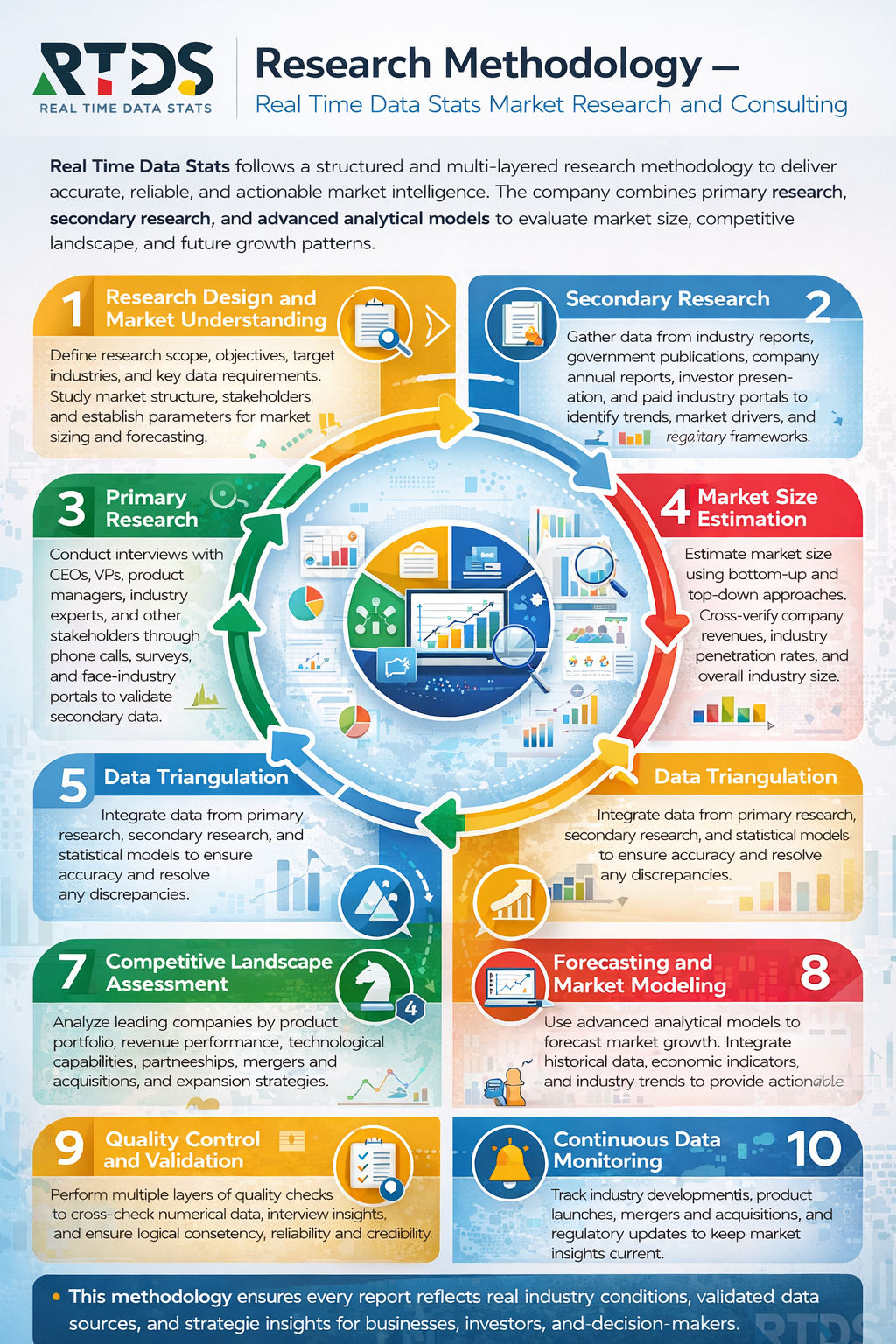
Research Methodology
- Primary Research Overview
- Secondary Research Sources
- Data Validation & Triangulation
- Market Estimation Techniques
- Forecasting Methodology
- Research Limitations
Market Overview
- Industry Value Chain Analysis
- Market Dynamics Overview
- Market Trends Analysis
- Market Growth Indicators
- Market Attractiveness Analysis
- Digital Transformation in Cryobiology
Market Dynamics
- Market Drivers
- Market Restraints
- Market Opportunities
- Market Challenges
- Regulatory Landscape
- Ethical & Compliance Considerations
Digital Cryobiology Market Segmentation
- By Type
- Hardware Solutions
- Software Platforms
- Integrated Systems
- Cloud-Based Solutions
- On-Premise Solutions
- Hybrid Solutions
- By Application
- Cryopreservation
- Organ Preservation
- Cell Banking
- Reproductive Cryobiology
- Regenerative Medicine
- Drug Discovery
- By Component
- Sensors & Monitoring Devices
- Data Management Software
- Imaging Systems
- Control Systems
- Analytics Tools
- AI-Based Algorithms
- By End User
- Biobanks
- Research Institutes
- Hospitals & Clinics
- Pharmaceutical Companies
- Biotechnology Companies
- Academic Laboratories
- By Technology
- Artificial Intelligence
- Machine Learning
- Internet of Things
- Big Data Analytics
- Digital Twin Technology
- Automation & Robotics
- By Preservation Material
- Cells
- Tissues
- Organs
- Embryos
- Stem Cells
- Biological Samples
- By Storage Temperature Range
- Cryogenic Storage
- Ultra-Low Temperature Storage
- Low Temperature Storage
- Controlled Rate Freezing
- Vitrification Systems
- Hybrid Temperature Systems
- By Deployment Mode
- Cloud Deployment
- On-Premise Deployment
- Hybrid Deployment
- Remote Monitoring Systems
- Centralized Systems
- Decentralized Systems
- By Workflow Stage
- Sample Collection
- Sample Processing
- Freezing & Cooling
- Storage Management
- Thawing & Recovery
- Quality Control
Regional Market Analysis
- North America Market Overview
- Europe Market Overview
- Asia-Pacific Market Overview
- Latin America Market Overview
- Middle East Market Overview
- Africa Market Overview
Competitive Landscape
- Market Share Analysis
- Competitive Benchmarking
- Strategic Developments
- Mergers & Acquisitions
- Product Launches
- Partnerships & Collaborations
Company Profiles
- Company Overview
- Product Portfolio
- Digital Cryobiology Solutions
- Financial Overview
- Strategic Initiatives
- SWOT Analysis
Future Outlook
- Market Forecast Overview
- Emerging Technologies
- Investment Opportunities
- Innovation Pipeline
- Long-Term Market Trends
Conclusion
- Summary of Market Trends
- Key Drivers and Restraints
- Growth Opportunities
- Technology & Innovation Outlook
- Future Market Forecast
Appendix
- Research Assumptions
- Data Sources
- Methodology Notes
- Disclaimer
- Contact Information
List of Tables
- Table:1: Global Digital Cryobiology Market Overview
- Table:2: Market Size by Type
- Table:3: Market Size by Application
- Table:4: Market Size by Component
- Table:5: Market Size by End User
- Table:6: Market Size by Technology
- Table:7: Market Size by Preservation Material
- Table:8: Market Size by Storage Temperature Range
- Table:9: Market Size by Deployment Mode
- Table:10: Market Size by Workflow Stage
- Table:11: Market Size by Region
- Table:12: Regional Market Growth Comparison
- Table:13: Competitive Market Share Analysis
- Table:14: Key Strategic Developments
- Table:15: Market Forecast Summary
List of Figures
- Figure:1: Digital Cryobiology Market Ecosystem
- Figure:2: Research Methodology Framework
- Figure:3: Market Dynamics Overview
- Figure:4: Value Chain Analysis
- Figure:5: Market Segmentation Overview
- Figure:6: Type-Based Market Share
- Figure:7: Application-Based Market Share
- Figure:8: Technology Adoption Landscape
- Figure:9: End User Distribution
- Figure:10: Regional Market Share
- Figure:11: Competitive Landscape Mapping
- Figure:12: Innovation & Technology Roadmap
- Figure:13: Investment Trend Analysis
- Figure:14: Market Growth Forecast
- Figure:15: Future Outlook Framework
Digital Cryobiology Market Key Factors
Drivers:
- Rising chronic diseases increase demand for advanced biobanking.
- Biopharma companies adopt digital platforms to streamline cold chain logistics.
- Governments and institutions fund regenerative medicine and genomics research.
Restraints:
- High installation costs limit adoption in small labs and developing regions.
- Strict regulatory compliance slows down product commercialization.
- Data security concerns hinder cloud-based platform adoption.
Opportunities:
- Expanding gene and cell therapy applications create new market avenues.
- AI integration offers predictive analytics for sample viability and storage optimization.
- Emerging economies present growth potential for integrated cold chain solutions.
Challenges:
- Technical complexities require specialized skilled personnel for operation.
- Maintaining sample integrity during digital tracking and handling poses risks.
- Rapid technological evolution risks early platform obsolescence.
Digital Cryobiology Market Key Regional Trends
North America:
- Strong biopharma R&D investments drive adoption of automated, digital cryostorage.
- Leading players focus on integrating IoT and AI for smart monitoring solutions.
- High regulatory standards push development of compliant data management systems.
Europe:
- Stringent GDPR rules shape secure data handling and privacy-focused platforms.
- Collaborative cross-border biobanking initiatives fuel demand for interoperable systems.
- Growing focus on sustainability promotes energy-efficient cryogenic technologies.
Asia-Pacific:
- Rapid expansion of contract research organizations and biobanks boosts market growth.
- Governments increase investments in precision medicine and genomic databases.
- Rising healthcare infrastructure drives adoption of cost-effective digital solutions.
Rest of the World:
- Regions focus on establishing foundational biobanking infrastructure with basic digital tracking.
- International collaborations aid technology transfer and capacity building.
- Market growth faces challenges from inconsistent regulatory frameworks and funding.
Frequently Asked Questions
Key Questions Answered
- What is the size and growth rate of the market industry?
- What are the main drivers influencing market growth trends?
- What are the key challenges and restraints faced by the market?
- What are the emerging trends and opportunities shaping the market?
- Who are the top players, and what strategies drive their success?
- What are the customer demographics and their buying behaviors?
- What are the key market segments, and what is their scope?
- What are the geographical dynamics, and which region dominates?
- What are the market forecasts and projections for the next decade?
- What regulatory factors are critical to consider for market growth?
Why Choose our Company?
- Major facts and stats backing every report we offer.
- Comprehensive analysis tailored to your business needs.
- Accurate insights backed by extensive market research.
- Expert support to address your queries promptly.
- Data-driven strategies for better decision-making.
- In-depth reports with actionable
recommendations. - Reliable statistics from trusted industry
sources. - Customizable reports to suit your specific goals.
- Unmatched quality and precision in market analysis.
- Competitive pricing with premium content delivery.
Share your experience!
We value you feedback. Please take a moment to review your experience with us.