
According to insights from Real Time Data Stats, the Digital Cellular Bioengineering Market was valued at USD 8.9 billion in 2025. It is expected to grow from USD 10.6 billion in 2026 to USD 34.5 billion by 2033, registering a CAGR of 18.5% during the forecast period (2026–2033).
MARKET SIZE AND SHARE
The Digital Cellular Bioengineering Market is expanding rapidly, driven by rising demand for regenerative medicine, precision therapies, and advanced cell-based treatments. Increasing focus on scalable production and reproducible research is pushing adoption of synthetic biology tools and automated cell engineering platforms. Market share remains largely dominated by established players investing in high-throughput systems, gene editing technologies, and integrated bioengineering workflows. These capabilities enable consistent therapeutic development while reducing time-to-market, positioning leading firms at the forefront of innovation and commercial deployment.
Current market share is concentrated among biotechnology incumbents and emerging tech-bio hybrid companies that combine computational design with biological engineering. However, the competitive landscape is evolving as new entrants introduce AI-driven platforms for cell design, simulation, and optimization. The segment focused on AI-integrated cellular engineering software and services is expected to capture a growing share, transforming how value is distributed across discovery, development, and clinical manufacturing. As digital tools become central to bioengineering processes, the market will shift toward more data-driven, scalable, and cost-efficient models.
INDUSTRY OVERVIEW AND STRATEGY
This market converges biotechnology, data science, and automation to engineer cells for therapeutics, diagnostics, and bioproduction. It encompasses tools for gene editing, synthetic biology, and computational models that predict cellular behavior. The core strategy for companies involves vertical integration, combining proprietary hardware, consumables, and data analytics into closed ecosystems. This approach locks in customers and creates recurring revenue streams while accelerating the translational pathway from laboratory research to commercial therapy.
Strategic imperatives include forming alliances with pharmaceutical giants to co-develop pipelines and secure downstream revenue. Concurrently, a focus on platform democratization through user-friendly software and cloud services targets academic and small biotech users, fostering widespread adoption. Intellectual property around novel editing techniques and cell lines remains a critical defensive strategy, while heavy R&D investment aims to reduce production costs and overcome scalability challenges in personalized cell therapies.
Analyst Key Takeaways:
The Digital Cellular Bioengineering market is entering a high-acceleration phase, driven by the convergence of computational biology, AI-driven cell design, and automated biomanufacturing platforms. Increasing integration of digital twins, predictive modeling, and high-throughput experimentation is transforming how cellular systems are engineered, reducing development timelines and improving reproducibility. The market is benefiting from strong cross-industry demand, particularly from pharmaceuticals, synthetic biology firms, and advanced therapeutics developers seeking scalable and precise cellular optimization.
From a strategic perspective, innovation is shifting toward platform-based ecosystems that combine software, data infrastructure, and wet-lab automation. Companies that can integrate end-to-end capabilities—from in silico modeling to real-world cellular validation—are expected to gain a competitive edge. Additionally, rising investments in biofoundries and cloud-based biology platforms are accelerating adoption, while regulatory evolution and standardization efforts will play a crucial role in enabling broader commercialization and interoperability across the value chain.
REGIONAL TRENDS AND GROWTH
North America holds the dominant share, fueled by substantial R&D funding, a dense concentration of biotech firms, and favorable regulatory pathways for advanced therapies. Europe follows, with strong academic infrastructure and strategic initiatives like the Horizon Europe program promoting bioengineering. The Asia-Pacific region exhibits the highest growth rate, driven by increasing government investment in biomanufacturing and a rapidly expanding biotechnology sector in China, South Korea, and Singapore.
Primary growth drivers include the rising prevalence of chronic diseases, technological advancements in CRISPR and single-cell analysis, and increasing venture capital. Key restraints are high development costs, ethical regulations, and manufacturing complexities. Significant opportunities lie in allogeneic (off-the-shelf) therapies and sustainable bioproduction. Major challenges involve navigating evolving regulatory frameworks, ensuring data security, and establishing standardized protocols for clinical and commercial application across different regional markets.
DIGITAL CELLULAR BIOENGINEERING MARKET SEGMENTATION ANALYSIS
BY TYPE:
Digital cellular bioengineering solutions by type are driven by increasing demand for precision modeling, real-time simulation, and predictive biological analytics. Software platforms, digital twins, and simulation tools dominate this segment due to their ability to recreate complex cellular environments virtually. These tools enhance experimental accuracy, reduce trial failures, and optimize biological workflows. The growing integration of AI-powered modeling and visualization software strengthens decision-making, enabling researchers to predict cellular behavior with high reliability and reduced laboratory dependency.
Additionally, the adoption of cloud-based digital platforms supports scalability, data security, and collaborative research. Visualization tools enhance interpretation of complex biological datasets, allowing scientists to detect trends, anomalies, and interactions within cells. Digital twin technologies allow virtual replication of biological systems, improving drug testing efficiency and reducing development timelines. Rising investments in bioinformatics, coupled with expanding pharmaceutical R&D, further accelerate market growth by type, making advanced software-based solutions central to modern bioengineering ecosystems.
BY APPLICATION:
Applications in drug discovery and drug development represent the most dominant segments, as pharmaceutical companies increasingly rely on digital bioengineering to streamline research pipelines. Digital modeling tools significantly improve compound screening, toxicity analysis, and pharmacokinetic profiling. Personalized medicine and regenerative medicine also witness rising adoption, driven by the demand for tailored therapies and advanced tissue engineering solutions. These applications help accelerate clinical research, reduce costs, and improve patient-specific treatment outcomes.
Disease modeling and toxicity testing segments benefit from enhanced predictive capabilities offered by computational cellular simulations. Digital platforms allow scientists to study disease progression at cellular levels, enabling early intervention strategies. Toxicity testing applications reduce animal testing reliance, aligning with ethical regulations and sustainability goals. The expanding role of digital cellular bioengineering across medical, pharmaceutical, and clinical research applications significantly enhances market expansion and fosters innovation in healthcare solutions.
BY TECHNOLOGY:
Artificial intelligence and machine learning dominate this segment due to their transformative impact on cellular analysis and modeling. These technologies enable high-throughput data processing, real-time cellular simulations, and predictive analytics, significantly improving research efficiency. Cloud computing supports large-scale data storage, seamless collaboration, and rapid computational modeling. High-performance computing accelerates complex simulations, allowing researchers to conduct large-scale experiments with improved accuracy and reduced processing time.
Big data analytics and IoT integration enhance real-time monitoring and dynamic data interpretation. IoT-enabled biosensors facilitate continuous cellular data collection, while analytics platforms transform raw datasets into actionable insights. This integration allows precise modeling of biological pathways, leading to improved drug discovery outcomes. Technological advancements drive automation, scalability, and innovation, making technology-based segmentation a major contributor to market expansion and long-term growth sustainability.
BY COMPONENT:
Software components dominate the market due to the critical role of modeling, simulation, and data visualization tools in cellular engineering. Advanced platforms provide integrated environments for computational analysis, enabling faster and more accurate biological research. Hardware components such as high-performance computing systems and imaging instruments support large-scale simulations and experimental validation. Service offerings, including consulting, system integration, and technical support, play a vital role in optimizing deployment and operational efficiency.
Databases and integration tools support seamless data flow across research platforms, improving data accuracy and interoperability. Growing adoption of digital platforms encourages demand for cloud-based services, cybersecurity solutions, and customized analytical tools. The increasing complexity of biological data further elevates the importance of software and service components, strengthening market penetration across pharmaceutical, biotechnology, and academic research environments.
BY END USER:
Pharmaceutical and biotechnology companies represent the largest end-user group due to heavy investments in digital research platforms. These organizations utilize digital cellular bioengineering tools to accelerate drug discovery, reduce development costs, and improve clinical success rates. Academic and research institutes extensively adopt these technologies for advanced biological modeling, experimental simulations, and collaborative research projects. Contract research organizations benefit from automation and predictive analytics for large-scale experimental studies.
Hospitals and clinics increasingly apply digital cellular bioengineering in personalized medicine and regenerative therapies. Government institutions support technological adoption through funding initiatives, research grants, and innovation policies. Growing healthcare digitization and translational research programs further increase demand across diverse end-user categories, making this segmentation a critical contributor to sustained market development and innovation.
BY WORKFLOW:
Workflow segmentation includes data acquisition, processing, modeling, analysis, visualization, and reporting, all of which form the backbone of digital cellular research. Data acquisition tools collect real-time biological signals, enabling precise experimental input. Data processing solutions transform raw biological data into structured formats, ensuring accuracy and consistency. Modeling and simulation platforms allow researchers to replicate complex cellular interactions, significantly reducing experimental risks and timelines.
Visualization and reporting components enhance interpretation, enabling scientists to identify trends and anomalies efficiently. Automated reporting systems improve documentation, regulatory compliance, and collaboration. Workflow optimization improves operational efficiency, enhances research reproducibility, and supports high-throughput experimentation. The increasing need for integrated research pipelines significantly boosts demand for advanced workflow solutions within digital cellular bioengineering.
BY DEPLOYMENT:
Cloud-based deployment dominates due to scalability, flexibility, and cost-efficiency. It enables real-time collaboration, secure data storage, and global accessibility, making it ideal for multinational research organizations. On-premise deployment remains significant for institutions requiring strict data security and regulatory compliance. Hybrid models combine both approaches, offering flexible operational frameworks. Web-based and mobile platforms improve accessibility, particularly in decentralized research environments.
Edge computing supports real-time data processing at experimental sites, reducing latency and enhancing responsiveness. Growing concerns regarding data privacy, cybersecurity, and computational performance influence deployment strategies. Increasing reliance on cloud computing and digital transformation initiatives drives sustained demand across deployment models, fostering widespread market adoption.
BY CELL TYPE:
Stem cells represent the largest segment due to their extensive application in regenerative medicine and therapeutic development. Immune cells play a critical role in immunotherapy, vaccine research, and autoimmune disease modeling. Cancer cell modeling significantly contributes to oncology research, enabling predictive tumor behavior analysis. Neuronal cells support neurological disorder research, enhancing understanding of brain-related diseases and therapeutic response mechanisms.
Epithelial and muscle cells support studies in tissue engineering, wound healing, and muscular disorders. Digital modeling of diverse cell types improves experimental precision, accelerates innovation, and enhances translational research outcomes. The growing demand for personalized treatments and advanced cellular therapies continues to drive market expansion within this segment.
BY THERAPEUTIC AREA:
Oncology dominates this segment due to rising cancer prevalence and extensive drug development activities. Digital modeling supports tumor progression studies, personalized therapy design, and immunotherapy research. Neurology benefits from advanced simulations that improve understanding of neurodegenerative disorders. Cardiology applications focus on cardiovascular disease modeling, enhancing drug response prediction and patient-specific treatment strategies.
Immunology and metabolic disorders segments experience rapid growth driven by chronic disease prevalence and lifestyle changes. Rare disease research benefits from digital modeling by enabling small-sample predictive simulations. Expanding therapeutic applications significantly increase the relevance of digital cellular bioengineering across clinical and pharmaceutical domains.
RECENT DEVELOPMENTS
- In Jan 2024: Ginkgo Bioworks launched a new platform focused on automated, high-throughput mammalian cell line engineering, significantly accelerating therapeutic protein and cell therapy development pipelines.
- In Mar 2024: Synthego and Codexis announced a strategic partnership to integrate advanced enzyme engineering with CRISPR-based cellular design tools, enhancing precision and efficiency in synthetic biology workflows.
- In Jun 2024: Berkeley Lights filed for Chapter 11 bankruptcy, a significant consolidation event, as its premium single-cell analysis and sorting technology faced adoption challenges against lower-cost alternatives.
- In Nov 2024: Bit.bio opened a new commercial-scale manufacturing facility in the UK for its precisely programmed human cells, marking a major step in scaling production for research and therapeutic applications.
- In Feb 2025: Microsoft and Isogenica launched a collaborative initiative to use AI and cloud computing for de novo design of synthetic gene circuits, aiming to predict and program complex cellular behaviors.
KEY PLAYERS ANALYSIS
- Ginkgo Bioworks
- Synthetic Genomics (a subsidiary of Vir Biotechnology)
- Twist Bioscience
- Berkeley Lights (acquired by Bruker in 2025)
- 10x Genomics
- Sartorius AG (including Sartorius Stedim Biotech)
- Thermo Fisher Scientific
- Danaher Corporation (Cytiva, Pall Corporation)
- Bio-Rad Laboratories
- Illumina, Inc.
- PerkinElmer, Inc.
- Agilent Technologies
- Lonza Group AG
- bio
- Synthego
- Precigen
- GenScript Biotech Corporation
- AbCellera Biologics
- Codexis, Inc.
- Oxford Nanopore Technologies
Digital Cellular Bioengineering Market Segmentation Analysis
By Type:
- Software Platforms
- Digital Twins
- Simulation Tools
- Data Analytics Solutions
- AI-Based Modeling Tools
- Visualization Tools
By Application:
- Drug Discovery
- Drug Development
- Personalized Medicine
- Regenerative Medicine
- Disease Modeling
- Toxicity Testing
By Technology:
- Artificial Intelligence
- Machine Learning
- Cloud Computing
- Big Data Analytics
- Internet of Things (IoT)
- High-Performance Computing
By Component:
- Software
- Hardware
- Services
- Platforms
- Databases
- Integration Tools
By End User:
- Pharmaceutical Companies
- Biotechnology Companies
- Academic & Research Institutes
- Contract Research Organizations
- Hospitals & Clinics
- Government Organizations
By Workflow:
- Data Acquisition
- Data Processing
- Modeling & Simulation
- Analysis & Interpretation
- Visualization
- Reporting
By Deployment:
- Cloud-Based
- On-Premise
- Hybrid
- Web-Based
- Mobile-Based
- Edge Computing
By Cell Type:
- Stem Cells
- Immune Cells
- Cancer Cells
- Neuronal Cells
- Epithelial Cells
- Muscle Cells
By Therapeutic Area:
- Oncology
- Neurology
- Cardiology
- Immunology
- Metabolic Disorders
- Rare Diseases
By Geography:
- North America (USA, Canada, Mexico)
- Europe (UK, Germany, France, Italy, Spain, Rest of Europe)
- Asia-Pacific (China, Japan, Australia, South Korea, India, Rest of Asia-Pacific)
- South America (Brazil, Argentina, Rest of South America)
- Middle East and Africa (GCC Countries, South Africa, Rest of MEA)
Digital Cellular Bioengineering Market: Table of Contents
Executive Summary
- Market Overview
- Key Market Insights
- Strategic Highlights
- Key Findings
- Market Outlook
Introduction
- Study Scope
- Market Definition
- Market Taxonomy
- Research Methodology Overview
- Assumptions & Limitations
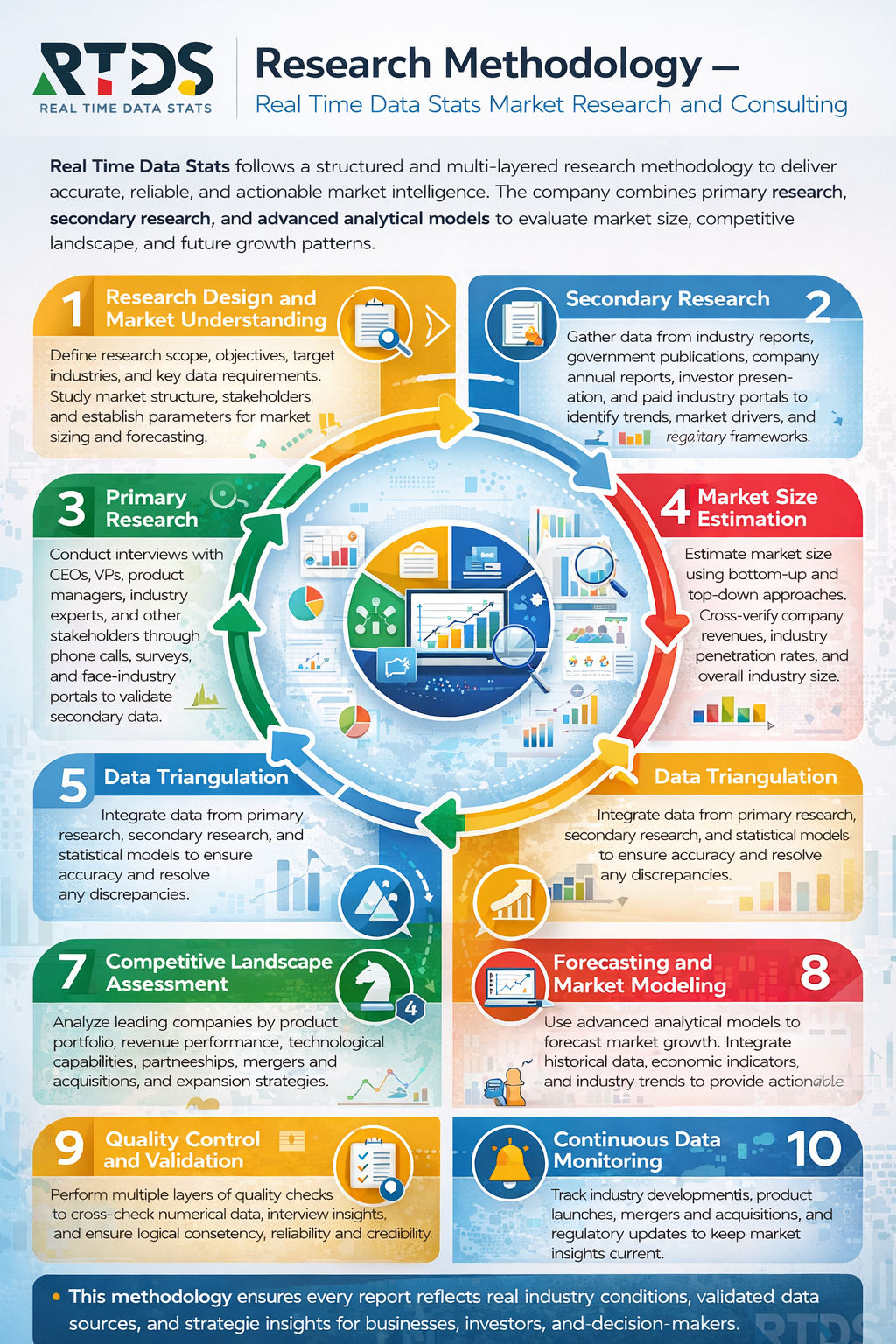
Research Methodology
- Primary Research
- Secondary Research
- Data Triangulation
- Market Estimation Techniques
- Forecasting Methodology
- Validation Process
Market Dynamics
- Market Drivers
- Market Restraints
- Market Opportunities
- Market Challenges
- Industry Trends
Regulatory Landscape
- Global Digital Cellular Bioengineering Market Overview
- Market Size & Forecast
- Market Growth Analysis
- Market Value Chain
- Market Ecosystem
- Industry Attractiveness Analysis
Digital Cellular Bioengineering Market Segmentation Analysis
- By Type
- Software Platforms
- Digital Twins
- Simulation Tools
- Data Analytics Solutions
- AI-Based Modeling Tools
- Visualization Tools
- By Application
- Drug Discovery
- Drug Development
- Personalized Medicine
- Regenerative Medicine
- Disease Modeling
- Toxicity Testing
- By Technology
- Artificial Intelligence
- Machine Learning
- Cloud Computing
- Big Data Analytics
- Internet of Things (IoT)
- High-Performance Computing
- By Component
- Software
- Hardware
- Services
- Platforms
- Databases
- Integration Tools
- By End User
- Pharmaceutical Companies
- Biotechnology Companies
- Academic & Research Institutes
- Contract Research Organizations
- Hospitals & Clinics
- Government Organizations
- By Workflow
- Data Acquisition
- Data Processing
- Modeling & Simulation
- Analysis & Interpretation
- Visualization
- Reporting
- By Deployment
- Cloud-Based
- On-Premise
- Hybrid
- Web-Based
- Mobile-Based
- Edge Computing
- By Cell Type
- Stem Cells
- Immune Cells
- Cancer Cells
- Neuronal Cells
- Epithelial Cells
- Muscle Cells
- By Therapeutic Area
- Oncology
- Neurology
- Cardiology
- Immunology
- Metabolic Disorders
- Rare Diseases
Regional Market Analysis
- North America Market Overview
- Europe Market Overview
- Asia-Pacific Market Overview
- Latin America Market Overview
- Middle East Market Overview
- Africa Market Overview
Competitive Landscape
- Market Share Analysis
- Company Benchmarking
- Strategic Initiatives
- Mergers & Acquisitions
- Partnerships & Collaborations
- Product Launches & Innovations
Company Profiles
- Business Overview
- Product Portfolio
- Financial Overview
- Strategic Developments
- SWOT Analysis
Investment & Opportunity Analysis
- Emerging Investment Areas
- Funding Trends
- Startup Ecosystem
- Future Growth Opportunities
Future Outlook
- Market Forecast
- Technological Advancements
- Industry Roadmap
Conclusion
- Summary of Market Trends
- Key Drivers and Restraints
- Growth Opportunities
- Technology & Innovation Outlook
- Future Market Forecast
Appendix
- Abbreviations & Acronyms
- Data Sources
- Research Methodology Details
- Disclaimer
List of Tables
- Table:1: Global Market Size & Forecast Overview
- Table:2: Market Segmentation by Type
- Table:3: Market Segmentation by Application
- Table:4: Market Segmentation by Technology
- Table:5: Market Segmentation by Component
- Table:6: Market Segmentation by End User
- Table:7: Market Segmentation by Workflow
- Table:8: Market Segmentation by Deployment
- Table:9: Market Segmentation by Cell Type
- Table:10: Market Segmentation by Therapeutic Area
- Table:11: Market Segmentation by Region
- Table:12: Regional Market Revenue Comparison
- Table:13: Competitive Market Share Analysis
- Table:14: Strategic Developments Overview
- Table:15: Investment & Opportunity Mapping
List of Figures
- Figure:1: Global Digital Cellular Bioengineering Market Overview
- Figure:2: Market Research Framework
- Figure:3: Market Dynamics Model
- Figure:4: Value Chain Analysis
- Figure:5: Market Ecosystem Mapping
- Figure:6: Market Segmentation Framework
- Figure:7: Regional Market Share Distribution
- Figure:8: Competitive Landscape Matrix
- Figure:9: Technology Adoption Trends
- Figure:10: Investment Trend Analysis
- Figure:11: Product Development Roadmap
- Figure:12: Strategic Positioning Matrix
- Figure:13: Market Growth Forecast
- Figure:14: Opportunity Mapping Framework
- Figure:15: Future Industry Outlook
Digital Cellular Bioengineering Market Key Factors
Drivers:
- Rising chronic disease prevalence increases demand for advanced therapies.
- Advancing gene editing tools accelerate precise cellular modifications.
- Growing investment from biopharma companies fuels R&D expansion.
Restraints:
- Extremely high development costs limit market entry.
- Unclear regulatory pathways delay product approvals.
- Technical complexities in manufacturing hinder scalable production.
Opportunities:
- Expanding into regenerative medicine opens new application areas.
- Emerging markets present avenues for clinical trial expansion.
- Integrating AI and machine learning optimizes research processes.
Challenges:
- Ensuring long-term safety and efficacy requires extensive studies.
- Intellectual property disputes create commercial uncertainty.
- Ethical debates concerning genetic manipulation impact public acceptance.
Digital Cellular Bioengineering Market Key Regional Trends
North America:
- Strong venture capital funding propels startup innovation.
- Academic-industry partnerships dominate the research landscape.
- Regulatory agencies actively shape evolving approval frameworks.
Europe:
- Stringent EU regulations prioritize ethical compliance.
- Public research grants strongly support collaborative cross-border projects.
- Focus increases on standardizing manufacturing and clinical protocols.
Asia-Pacific:
- Governments actively invest in building national biotech capabilities.
- Contract research and manufacturing services experience rapid growth.
- Rising healthcare expenditure expands the addressable patient population.
Frequently Asked Questions
Key Questions Answered
- What is the size and growth rate of the market industry?
- What are the main drivers influencing market growth trends?
- What are the key challenges and restraints faced by the market?
- What are the emerging trends and opportunities shaping the market?
- Who are the top players, and what strategies drive their success?
- What are the customer demographics and their buying behaviors?
- What are the key market segments, and what is their scope?
- What are the geographical dynamics, and which region dominates?
- What are the market forecasts and projections for the next decade?
- What regulatory factors are critical to consider for market growth?
Why Choose our Company?
- Major facts and stats backing every report we offer.
- Comprehensive analysis tailored to your business needs.
- Accurate insights backed by extensive market research.
- Expert support to address your queries promptly.
- Data-driven strategies for better decision-making.
- In-depth reports with actionable
recommendations. - Reliable statistics from trusted industry
sources. - Customizable reports to suit your specific goals.
- Unmatched quality and precision in market analysis.
- Competitive pricing with premium content delivery.
Share your experience!
We value you feedback. Please take a moment to review your experience with us.