
According to insights from Real Time Data Stats, the Biointegrated Sensors Market was valued at USD 2.8 billion in 2025. It is expected to grow from USD 3.2 billion in 2026 to USD 8.9 billion by 2033, registering a CAGR of 15.6% during the forecast period (2026–2033).
MARKET SIZE AND SHARE
The biointegrated sensors market is driven by advancements in flexible electronics, biocompatible materials, and wearable health technologies. Market growth is supported by increasing adoption in continuous health monitoring, personalized medicine, and remote patient care applications. Market share is currently concentrated among leading medical device manufacturers and specialized biotechnology companies that are advancing sensor performance, connectivity, and clinical integration.
The competitive landscape is evolving as new entrants gain market share through product innovation and differentiated sensor technologies. Established players continue to strengthen their positions through strategic partnerships, regulatory approvals, and sustained investments in research and development. Market share distribution will increasingly depend on success in device miniaturization, data accuracy, and long-term clinical effectiveness. Continued market expansion is expected to be supported by improved patient outcomes and cost-efficient chronic disease management solutions.
INDUSTRY OVERVIEW AND STRATEGY
The biointegrated sensors industry centers on developing wearable and implantable devices that merge seamlessly with biological tissues for real-time physiological monitoring. This sector intersects advanced material science, nanotechnology, and data analytics. The primary strategic focus is on creating non-invasive, durable sensors that provide clinical-grade data, thereby shifting diagnostics from episodic to continuous. Companies are heavily investing in interdisciplinary research to overcome biocompatibility and long-term stability challenges inherent in biological environments.
Core competitive strategy involves forming ecosystems with healthcare providers, insurers, and tech companies to integrate sensor data into treatment pathways. Protecting intellectual property around novel materials and wireless communication protocols is paramount. A successful strategy also requires navigating complex regulatory landscapes across different regions to accelerate time-to-market. Ultimately, leadership will belong to those who effectively translate complex biometric data into actionable clinical insights for preventive healthcare.
Analyst Key Takeaways:
The Biointegrated Sensors Market is experiencing strong momentum driven by the growing adoption of continuous health monitoring, personalized medicine, and next-generation wearable technologies. Advances in flexible electronics, biocompatible materials, and wireless connectivity are enabling the development of skin-mounted and implantable sensors that provide real-time physiological data with enhanced accuracy and patient comfort. Increasing demand for remote patient monitoring and preventive healthcare solutions is further accelerating market expansion.
Innovation remains a key competitive factor, with companies and research institutions focusing on miniaturization, multifunctional sensing capabilities, and seamless integration with digital health ecosystems. The convergence of bioelectronics, artificial intelligence, and connected healthcare platforms is creating new opportunities across chronic disease management, fitness tracking, and clinical diagnostics. Growing investments in smart healthcare infrastructure and digital therapeutics are expected to support sustained market growth over the coming years.
REGIONAL TRENDS AND GROWTH
North America currently leads, driven by robust R&D funding, a strong medtech sector, and high healthcare expenditure. Europe follows with significant collaborative research initiatives and supportive regulatory frameworks for innovative medical devices. The Asia-Pacific region is identified as the fastest-growing market, fueled by rising healthcare awareness, expanding elderly populations, and increasing government investments in digital health infrastructure. Latin America and MEA show emerging potential with growing pilot programs and telemedicine adoption.
Key growth drivers include the rising global burden of chronic diseases, demand for remote patient monitoring, and technological convergence. Major restraints involve high development costs, stringent regulatory hurdles, and data privacy concerns. Opportunities lie in expanding applications into fitness, elderly care, and drug delivery systems. Future challenges include ensuring long-term sensor reliability within the body, achieving seamless data interoperability, and making the technology accessible and affordable across diverse economic landscapes.
BIOINTEGRATED SENSORS MARKET SEGMENTATION ANALYSIS
BY TYPE:
The type-based segmentation of the biointegrated sensors market is primarily dominated by wearable and implantable sensors, as these formats align closely with the growing demand for continuous health monitoring and real-time physiological data collection. Wearable sensors lead due to their non-invasive nature, consumer acceptance, and rapid integration with smart devices and mobile health platforms. Implantable sensors, although more specialized, hold strong influence in chronic disease management, cardiac monitoring, and neurological applications because they provide highly accurate internal measurements. Epidermal and neural sensors are also gaining traction as research institutions and advanced healthcare providers push toward seamless skin-like electronics and brain-machine interfaces, which are redefining long-term monitoring capabilities.
Optical and ingestible sensors further strengthen this segment by addressing niche yet expanding use cases such as gastrointestinal diagnostics and biochemical analysis. Dominant factors influencing this segment include technological miniaturization, material biocompatibility, sensor accuracy, and regulatory approvals. Market growth is also driven by the increasing prevalence of lifestyle-related diseases and the shift toward preventive healthcare models. Continuous innovation in flexible electronics and nanotechnology enables more comfortable and reliable sensor designs, encouraging both clinical and consumer adoption. As personalization and remote monitoring become central to healthcare delivery, sensor type diversity becomes a key competitive differentiator for manufacturers.
BY APPLICATION:
Application segmentation is heavily dominated by healthcare monitoring, which accounts for the largest share due to the urgent need for early disease detection, patient tracking, and telemedicine expansion. Hospitals and homecare settings increasingly rely on biointegrated sensors for cardiac rhythm monitoring, glucose tracking, and respiratory analysis. Sports and fitness applications also exert strong influence as athletes and wellness consumers seek performance optimization and injury prevention tools. Human–machine interface applications are emerging rapidly, especially in prosthetics and assistive technologies, where biointegrated sensors enhance precision and responsiveness.
Military and defense applications contribute significantly by utilizing sensors for soldier health tracking, fatigue monitoring, and environmental exposure assessment. Clinical research and rehabilitation sectors further accelerate growth by employing sensors in experimental therapies and recovery monitoring programs. Dominant factors in this segment include rising healthcare digitization, demand for remote diagnostics, increased sports technology spending, and government investments in defense innovation. The expansion of AI-driven analytics and cloud connectivity strengthens application versatility, making biointegrated sensors essential tools across both medical and performance-oriented industries.
BY MATERIAL:
Material segmentation is shaped by the dominance of polymer-based and silicon-based materials, as these offer flexibility, durability, and reliable electrical conductivity. Polymers are particularly influential because they enable stretchable and skin-friendly sensor designs, which are critical for long-term wearability and patient comfort. Silicon remains vital for precision electronics and microfabrication, especially in implantable and neural sensors where performance consistency is essential. Graphene and nanomaterials are rapidly gaining attention due to their superior conductivity, lightweight structure, and potential for ultra-thin sensor development.
Biocompatible metals and hybrid materials also play an important role by enhancing durability and ensuring safe interaction with human tissue. Dominant factors driving this segment include advancements in nanotechnology, demand for flexible electronics, and the necessity for hypoallergenic and corrosion-resistant materials. Research funding and collaborations between material science institutions and medical device manufacturers significantly influence innovation speed. As sensor applications diversify, the requirement for multifunctional and sustainable materials becomes a central growth catalyst within this segment.
BY END USER:
End-user segmentation is led by hospitals and clinics, which dominate due to their extensive use of monitoring devices, surgical assistance tools, and patient management systems. These institutions prioritize high-accuracy sensors that integrate with electronic health records and diagnostic platforms. Homecare settings are rapidly expanding as aging populations and chronic disease prevalence push healthcare services beyond traditional facilities. Research institutes also represent a strong user base, utilizing biointegrated sensors in experimental treatments, neuroscience studies, and biomedical engineering projects.
Sports organizations and defense agencies further strengthen this segment by adopting sensors for performance analytics, fatigue management, and situational awareness. Dominant factors include healthcare infrastructure expansion, insurance coverage for remote monitoring devices, and increased awareness of preventive care. Government healthcare initiatives and defense modernization programs also contribute to sustained demand. The transition toward decentralized healthcare delivery and personalized wellness solutions continues to broaden the end-user landscape, creating stable long-term market momentum.
BY TECHNOLOGY:
Technology segmentation is primarily influenced by flexible electronics and MEMS technology, which enable lightweight, compact, and highly sensitive sensor systems. Flexible electronics dominate because they support skin-conformal devices and wearable patches that enhance user comfort and data continuity. MEMS technology remains crucial for precision sensing and miniaturization, particularly in implantable and neural devices. Printed electronics and nanoelectronics are also expanding due to cost-effective manufacturing processes and the ability to produce ultra-thin sensor layers.
Wireless sensing and AI-integrated sensor technologies are increasingly dominant as connectivity and intelligent data interpretation become essential for modern healthcare ecosystems. Dominant growth factors include advancements in semiconductor fabrication, increasing adoption of iot platforms, and the rising need for automated health analytics. Integration with smartphones, cloud computing, and predictive algorithms strengthens technological competitiveness. Continuous innovation cycles and cross-industry collaborations ensure that technology remains a defining force in market differentiation and scalability.
BY SENSOR FUNCTION:
Functional segmentation is strongly led by biochemical and temperature sensing functions, as these are fundamental to disease detection, metabolic tracking, and infection monitoring. Pressure and motion sensing also maintain significant demand due to their applications in rehabilitation, prosthetics, and sports analytics. Electrical signal sensing plays a critical role in cardiac and neurological monitoring, offering real-time insights into vital organ activity. Chemical sensing contributes to environmental and internal body fluid analysis, further diversifying functional capabilities.
Dominant factors shaping this segment include the growing need for multi-parameter monitoring, advancements in biosignal processing, and increased chronic disease prevalence. Healthcare digitization and wearable device proliferation amplify the importance of multifunctional sensors capable of delivering comprehensive datasets. Continuous R&D in signal accuracy and noise reduction technologies enhances reliability and adoption. As personalized medicine evolves, sensor functions that combine multiple physiological metrics gain strategic importance in both clinical and consumer markets.
BY CONNECTIVITY:
Connectivity segmentation is largely dominated by Bluetooth and Wi-Fi technologies because they provide seamless integration with smartphones, medical software, and cloud platforms. Bluetooth remains highly influential for wearable devices due to its low power consumption and stable short-range communication. Wi-Fi supports broader data transmission and remote monitoring capabilities, making it essential for hospital networks and telemedicine infrastructure. NFC and RFID contribute to identification and quick data transfer in clinical environments.
Cellular connectivity is expanding rapidly as remote and rural healthcare services grow, enabling real-time data access without dependency on local networks. Wired interfaces, although declining, still maintain relevance in high-precision clinical setups where uninterrupted connectivity is critical. Dominant factors include IoT expansion, 5G network deployment, and the need for secure data transmission. Enhanced encryption standards and interoperability frameworks further strengthen connectivity adoption across diverse application scenarios.
BY FORM FACTOR:
Form factor segmentation is primarily driven by patch-based and textile-integrated sensors, which offer discreet monitoring and high comfort levels. Patch-based sensors dominate due to their ease of application, affordability, and compatibility with long-term health tracking. Textile-integrated designs are gaining popularity in sports and rehabilitation sectors because they embed sensing capabilities directly into clothing. Tattoo-based and microchip-based sensors also contribute significantly by enabling ultra-thin and minimally invasive monitoring solutions.
Band-based and capsule-based sensors provide specialized functionality in fitness tracking and gastrointestinal diagnostics respectively. Dominant factors influencing this segment include user comfort preferences, aesthetic considerations, and advancements in flexible substrates. The rise of smart apparel and lifestyle-oriented health devices further strengthens innovation. As consumer awareness grows, form factor diversity becomes essential for catering to both medical precision and everyday usability requirements.
BY POWER SOURCE:
Power source segmentation is led by battery-powered and energy-harvesting solutions, as reliability and longevity are critical for uninterrupted monitoring. Battery-powered sensors dominate due to established infrastructure and consistent performance across various applications. Energy harvesting technologies, including motion and thermal energy conversion, are rapidly expanding because they reduce maintenance needs and enhance sustainability. Solar-powered and wireless charging options also contribute by supporting outdoor and long-term usage scenarios.
Biofuel cells and hybrid power systems are emerging innovations that attract research investments and experimental adoption. Dominant growth drivers include the demand for maintenance-free devices, miniaturization of energy storage units, and environmental sustainability concerns. Technological advancements in low-power electronics and efficient charging mechanisms continue to reshape this segment. Reliable and compact energy solutions remain fundamental to the scalability and practical deployment of biointegrated sensors.
RECENT DEVELOPMENTS
- In Jan 2024: Abbott Laboratories received FDA clearance for a major upgrade to its FreeStyle Libre portfolio, enhancing its continuous glucose monitoring system with new predictive alerts and integration capabilities for holistic health tracking.
- In May 2024: Medtronic PLC announced a strategic R&D partnership with a leading semiconductor firm to co-develop a new generation of ultra-low-power, miniaturized chips specifically designed for next-generation implantable biointegrated sensor systems.
- In Sep 2024: Profusa, Inc. announced positive long-term clinical trial data for its injectable, luminescent Oxygen sensor, demonstrating sustained functionality and biocompatibility in humans for over 18 months, a critical milestone for implantables.
- In Nov 2024: Glympse Bio successfully presented data at a major medical conference showing its proprietary biointegrated sensor platform could detect early signs of liver fibrosis through programmable activity-based biomarkers in a preclinical model.
- In Feb 2025: Researchers at the University of Chicago, in collaboration with a materials science startup, published a paper in Nature detailing a new fully biodegradable, wireless sensor that monitors tissue regeneration before harmlessly dissolving in the body.
KEY PLAYERS ANALYSIS
- Abbott Laboratories
- Medtronic PLC
- Dexcom, Inc.
- Senseonics Holdings, Inc.
- Philips N.V.
- Honeywell International Inc.
- GE HealthCare
- Siemens Healthineers
- Analog Devices, Inc.
- Texas Instruments Incorporated
- Profusa, Inc.
- Glympse Bio
- MC10, Inc. (Now part of Medidata)
- VitalConnect, Inc.
- NanoSonic, Inc.
- Cardiac Insight, Inc.
- iRhythm Technologies, Inc.
- Butterfly Network, Inc.
- Biotricity Inc.
- EPIX Therapeutics, Inc.
Biointegrated Sensors Market Segmentation Analysis
By Type:
- Wearable Sensors
- Implantable Sensors
- Ingestible Sensors
- Epidermal Sensors
- Neural Sensors
- Optical Sensors
By Application:
- Healthcare Monitoring
- Sports & Fitness
- Military & Defense
- Human–Machine Interface
- Clinical Research
- Rehabilitation
By Material:
- Silicon-Based
- Polymer-Based
- Graphene-Based
- Nanomaterials
- Biocompatible Metals
- Hybrid Materials
By End User:
- Hospitals
- Clinics
- Research Institutes
- Homecare Settings
- Sports Organizations
- Defense Agencies
By Technology:
- Flexible Electronics
- Printed Electronics
- MEMS Technology
- Nanoelectronics
- Wireless Sensing
- AI-Integrated Sensors
By Sensor Function:
- Temperature Sensing
- Pressure Sensing
- Chemical Sensing
- Biochemical Sensing
- Motion Sensing
- Electrical Signal Sensing
By Connectivity:
- Bluetooth
- Wi-Fi
- NFC
- RFID
- Cellular
- Wired Interface
By Form Factor:
- Patch-Based
- Band-Based
- Tattoo-Based
- Textile-Integrated
- Capsule-Based
- Microchip-Based
By Power Source:
- Battery Powered
- Energy Harvesting
- Solar Powered
- Wireless Charging
- Biofuel Cells
- Hybrid Power
By Geography:
- North America (USA, Canada, Mexico)
- Europe (UK, Germany, France, Italy, Spain, Rest of Europe)
- Asia-Pacific (China, Japan, Australia, South Korea, India, Rest of Asia-Pacific)
- South America (Brazil, Argentina, Rest of South America)
- Middle East and Africa (GCC Countries, South Africa, Rest of MEA)
Biointegrated Sensors Market: Table of Contents
Introduction
- Market Definition
- Scope of Study
- Research Objectives
- Market Assumptions
- Study Limitations
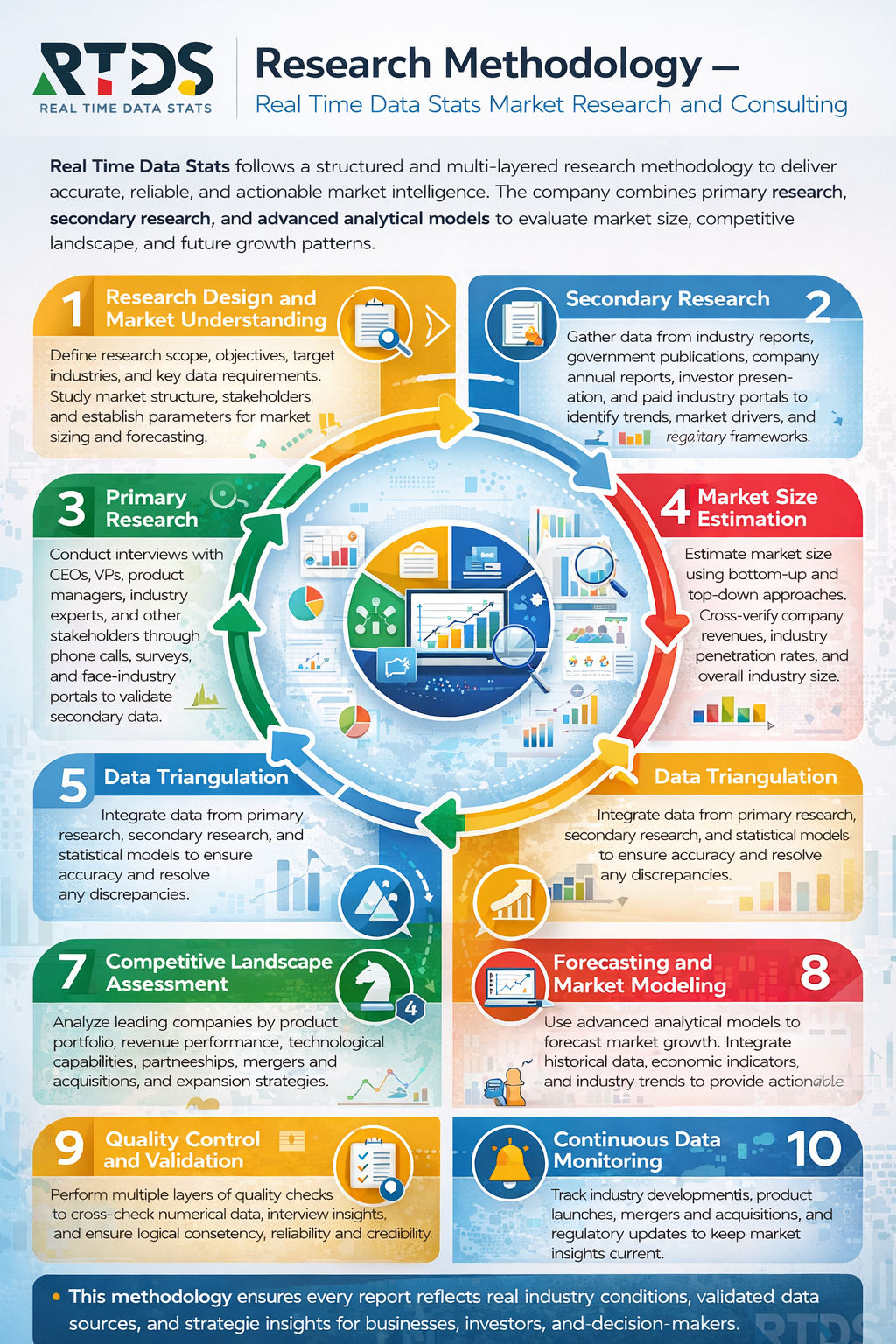
Research Methodology
- Data Collection Methods
- Primary Research
- Secondary Research
- Market Modeling Approach
- Forecasting Techniques
- Validation Process
Executive Summary
- Market Snapshot
- Key Insights
- Analyst Recommendations
- Opportunity Highlights
- Growth Outlook
Market Overview
- Industry Evolution
- Ecosystem Analysis
- Value Chain Analysis
- Pricing Trends
- Regulatory Landscape
- Technology Roadmap
Market Dynamics
- Drivers
- Restraints
- Opportunities
- Challenges
- Emerging Trends
Biointegrated Sensors Market Segmentation Analysis
- By Type
- Wearable Sensors
- Implantable Sensors
- Ingestible Sensors
- Epidermal Sensors
- Neural Sensors
- Optical Sensors
- By Application
- Healthcare Monitoring
- Sports & Fitness
- Military & Defense
- Human–Machine Interface
- Clinical Research
- Rehabilitation
- By Material
- Silicon-Based
- Polymer-Based
- Graphene-Based
- Nanomaterials
- Biocompatible Metals
- Hybrid Materials
- By End User
- Hospitals
- Clinics
- Research Institutes
- Homecare Settings
- Sports Organizations
- Defense Agencies
- By Technology
- Flexible Electronics
- Printed Electronics
- MEMS Technology
- Nanoelectronics
- Wireless Sensing
- AI-Integrated Sensors
- By Sensor Function
- Temperature Sensing
- Pressure Sensing
- Chemical Sensing
- Biochemical Sensing
- Motion Sensing
- Electrical Signal Sensing
- By Connectivity
- Bluetooth
- Wi-Fi
- NFC
- RFID
- Cellular
- Wired Interface
- By Form Factor
- Patch-Based
- Band-Based
- Tattoo-Based
- Textile-Integrated
- Capsule-Based
- Microchip-Based
- By Power Source
- Battery Powered
- Energy Harvesting
- Solar Powered
- Wireless Charging
- Biofuel Cells
- Hybrid Power
Regional Analysis
- North America
- Europe
- Asia Pacific
- Latin America
- Middle East & Africa
Competitive Landscape
- Market Share Analysis
- Company Benchmarking
- Strategic Developments
- Product Launches
- Partnerships & Collaborations
- Mergers & Acquisitions
Company Profiles
- Overview
- Product Portfolio
- Financial Highlights
- Regional Presence
- Strategic Initiatives
Investment & Opportunity Analysis
- Funding Trends
- Startup Ecosystem
- Innovation Hotspots
- Future Potential Areas
Conclusion
- Strong market growth
- Wearables lead
- Tech innovation rising
- Global adoption expanding
- AI & personalization future
Appendix
- Abbreviations
- Data Sources
- Disclaimer
- Contact Information
List of Tables
- Table:1: Global Market Size Overview
- Table:2: Market Growth Rate Comparison
- Table:3: By Type Revenue Share
- Table:4: By Application Revenue Share
- Table:5: By Material Adoption Rate
- Table:6: By End User Demand Analysis
- Table:7: By Technology Penetration
- Table:8: By Sensor Function Utilization
- Table:9: By Connectivity Distribution
- Table:10: By Form Factor Trends
- Table:11: By Power Source Share
- Table:12: Regional Market Size
- Table:13: Competitive Market Share
- Table:14: Investment Flow Analysis
- Table:15: Forecast Summary
List of Figures
- Figure:1: Market Evolution Timeline
- Figure:2: Value Chain Diagram
- Figure:3: Ecosystem Structure
- Figure:4: Market Drivers Illustration
- Figure:5: Opportunity Map
- Figure:6: By Type Graphical Share
- Figure:7: By Application Graphical Share
- Figure:8: By Material Comparison Chart
- Figure:9: By End User Distribution
- Figure:10: Technology Adoption Curve
- Figure:11: Connectivity Network Diagram
- Figure:12: Form Factor Visualization
- Figure:13: Power Source Comparison
- Figure:14: Regional Heat Map
- Figure:15: Competitive Positioning Matrix
Biointegrated Sensors Market Key Factors
Drivers:
- Rising chronic disease prevalence increases demand for continuous monitoring.
- Advancing miniaturization and flexible electronics enable more comfortable designs.
- Growing consumer focus on personalized health management propels adoption.
Restraints:
- Stringent regulatory approval processes lengthen time-to-market.
- High research and manufacturing costs limit initial affordability.
- Data privacy and security concerns hinder user trust and acceptance.
Opportunities:
- Expanding telehealth and remote patient care creates new applications.
- Integrating AI with sensor data unlocks advanced diagnostics and predictive analytics.
- Developing biodegradable sensors addresses long-term biocompatibility and environmental issues.
Challenges:
- Ensuring long-term stability and accuracy in dynamic biological environments remains difficult.
- Lack of standardized protocols across devices complicates data integration into healthcare systems.
- Scaling production while maintaining performance and reliability tests manufacturers.
Biointegrated Sensors Market Key Regional Trends
North America:
- Leading in R&D investments and early adoption of advanced medical technologies.
- Strong presence of key market players and strategic academic-industry partnerships.
- High focus on regulatory pathways and reimbursement models for novel devices.
Europe:
- Stringent GDPR regulations shaping robust data security and privacy features.
- Growing emphasis on cost-effective healthcare solutions driving sensor innovation.
- Increased public and private funding for wearable health research initiatives.
Asia-Pacific:
- Rapidly expanding healthcare infrastructure and rising digital literacy.
- Surging manufacturing capabilities, particularly in flexible electronics.
- Governments actively promoting local medtech innovation and preventive care.
Rest of the World:
- Emerging use in remote monitoring for infectious disease and maternal health.
- Piloting low-cost sensor solutions to bridge healthcare accessibility gaps.
- Navigating varying regulatory landscapes and infrastructure limitations.
Frequently Asked Questions
Key Questions Answered
- What is the size and growth rate of the market industry?
- What are the main drivers influencing market growth trends?
- What are the key challenges and restraints faced by the market?
- What are the emerging trends and opportunities shaping the market?
- Who are the top players, and what strategies drive their success?
- What are the customer demographics and their buying behaviors?
- What are the key market segments, and what is their scope?
- What are the geographical dynamics, and which region dominates?
- What are the market forecasts and projections for the next decade?
- What regulatory factors are critical to consider for market growth?
Why Choose our Company?
- Major facts and stats backing every report we offer.
- Comprehensive analysis tailored to your business needs.
- Accurate insights backed by extensive market research.
- Expert support to address your queries promptly.
- Data-driven strategies for better decision-making.
- In-depth reports with actionable
recommendations. - Reliable statistics from trusted industry
sources. - Customizable reports to suit your specific goals.
- Unmatched quality and precision in market analysis.
- Competitive pricing with premium content delivery.
Share your experience!
We value you feedback. Please take a moment to review your experience with us.