
According to insights from Real Time Data Stats, the Biointegrated Photonics Market was valued at USD 3.8 billion in 2025. It is expected to grow from USD 4.5 billion in 2026 to USD 15.8 billion by 2033, registering a CAGR of 19.7% during the forecast period (2026–2033).
MARKET SIZE AND SHARE
The biointegrated photonics market is poised for significant growth, driven by rising demand for advanced diagnostics, wearable health monitoring systems, and next-generation biomedical devices. Innovations in flexible, biocompatible optical sensors and implantable technologies are accelerating adoption across healthcare applications, creating strong opportunities for both established companies and emerging innovators.
This expansion is further supported by increasing use in continuous physiological monitoring and minimally invasive surgical procedures. Market leadership will depend on successful clinical validation, regulatory approvals, and technological differentiation. Strategic collaborations between photonics developers and biomedical organizations will play a vital role in strengthening market positions and capturing emerging growth opportunities.
INDUSTRY OVERVIEW AND STRATEGY
The biointegrated photonics industry merges photonics, biology, and materials science to create devices that interface seamlessly with living tissue for sensing, imaging, and therapy. It is driven by the demand for precision medicine and real-time, in vivo diagnostics. The landscape features a dynamic mix of academic spin-offs, photonics specialists, and large medtech corporations, all working to overcome challenges related to biocompatibility, long-term stability, and reliable data interpretation from complex biological systems.
Core strategies for success involve aggressive investment in R&D to develop novel, biocompatible waveguide materials and miniaturized light sources. Companies must prioritize strategic alliances with clinical research organizations to facilitate pilot studies and expedite regulatory approvals. A focus on creating integrated, user-friendly platforms that combine hardware, data analytics, and actionable clinical insights is essential. Protecting intellectual property around unique device architectures and fabrication methods forms a critical component of long-term competitive strategy.
Analyst Key Takeaways:
Biointegrated photonics is emerging as a convergence of biophotonics, optical biosensing, photonic integrated circuits, and wearable health technologies, enabling real-time physiological monitoring and advanced diagnostic capabilities. Growing demand for minimally invasive healthcare solutions, continuous patient monitoring, and personalized medicine is accelerating the adoption of photonic devices that can seamlessly interface with biological systems.
Technological advancements in silicon photonics, flexible sensors, and integrated optical platforms are expanding the application scope of biointegrated photonics across medical diagnostics, implantable devices, and next-generation wearables. The market is expected to benefit from increasing investments in biomedical research, rising healthcare digitalization, and ongoing innovations aimed at improving sensitivity, accuracy, and long-term biocompatibility of photonic sensing systems.
REGIONAL TRENDS AND GROWTH
North America currently leads, fueled by substantial R&D funding, a strong presence of major technology firms, and a proactive regulatory environment for medical innovation. Europe follows closely, with significant growth driven by robust healthcare infrastructure and concerted EU-funded initiatives in photonics and health. The Asia-Pacific region is poised for the highest growth rate, attributed to increasing healthcare expenditure, expanding medical tourism, and government support for advanced manufacturing and biotechnology sectors.
Key drivers include the rising global burden of chronic diseases, technological advancements in biomaterials, and growing investment in telehealth. Significant restraints involve stringent and lengthy regulatory approval processes and high initial development costs. Opportunities lie in expanding applications into neural interfaces and personalized drug delivery systems. Primary challenges encompass ensuring long-term biocompatibility without immune rejection, managing data security from implanted devices, and achieving cost-effectiveness for widespread clinical and consumer adoption.
BIOINTEGRATED PHOTONICS MARKET SEGMENTATION ANALYSIS
BY TYPE:
Implantable photonic devices dominate due to their ability to provide continuous, real-time monitoring of physiological parameters directly within the body, particularly in cardiac, neural, and metabolic applications. Advancements in miniaturization, biocompatibility, and wireless communication further drive their adoption, making them critical in long-term patient monitoring and therapeutic interventions. Wearable photonic sensors complement these systems by offering non-invasive, portable monitoring solutions, with applications ranging from fitness tracking to early detection of chronic diseases. Flexible photonic circuits and optical waveguides support both implantable and wearable devices by enhancing signal transmission, mechanical flexibility, and conformability to biological tissues, ensuring stable performance under dynamic conditions. Biophotonic imaging devices are increasingly preferred for diagnostic procedures, leveraging high-resolution optical techniques to detect tissue abnormalities and guide surgical interventions. Photonic chips and micro-LED systems are central to miniaturized and integrated devices, enabling multifunctionality, energy efficiency, and compact form factors essential for both medical and consumer healthcare applications.
The type segment’s growth is further reinforced by cross-functional applications where devices combine multiple capabilities—for example, wearables integrating imaging and sensing functionalities. Regulatory approvals, long-term reliability, and advances in photonic materials heavily influence market dominance, with devices offering biocompatibility and minimal invasiveness gaining a competitive edge. Furthermore, collaborations between technology developers and medical institutions accelerate adoption by validating device efficacy and safety. Overall, innovation in device miniaturization, high sensitivity, and tissue-friendly design remains the primary driver shaping this segment.
BY APPLICATION:
Medical diagnostics lead the application segment due to increasing demand for rapid, accurate, and non-invasive diagnostic tools, particularly in oncology, cardiovascular, and infectious disease monitoring. Biointegrated photonic devices enable real-time data acquisition, point-of-care testing, and enhanced imaging resolution, reducing dependency on bulky diagnostic instruments. Therapeutic treatments are another strong driver, where light-based therapies such as photodynamic therapy, laser-assisted surgeries, and neural stimulation demonstrate significant efficacy, driving adoption in hospitals and specialized clinics. Neural monitoring and brain-computer interfaces are emerging as transformative applications, leveraging photonics for high-fidelity neural mapping, cognitive monitoring, and assistive technologies for neurological disorders. Health and fitness monitoring also benefits from wearable photonic sensors, which provide continuous tracking of vitals, oxygenation, and activity levels, increasingly demanded in preventive healthcare and personalized wellness markets. Drug delivery systems leverage photonic technologies to optimize targeted delivery, improve bioavailability, and enable real-time monitoring of pharmacokinetics. Biomedical imaging continues to expand, driven by high-resolution, minimally invasive optical imaging techniques for early disease detection and surgical guidance.
This segment’s dominance is enhanced by the convergence of diagnostics, therapeutic, and monitoring applications within a single device, offering multifunctional solutions for both clinical and consumer markets. Market growth is propelled by rising healthcare awareness, aging populations, and the shift toward precision medicine, where photonic devices deliver high accuracy and patient-specific insights. Applications with regulatory clearance and proven clinical outcomes maintain leadership, while integration with digital health platforms, telemedicine, and AI-enabled analytics boosts their scalability and adoption. Overall, applications combining diagnostic, therapeutic, and monitoring functionalities with user-friendly interfaces dominate the market trajectory.
BY MATERIAL:
Silicon-based materials dominate due to their mature fabrication ecosystem, high optical performance, and compatibility with integrated photonic circuits, particularly for chip-scale devices and micro-LED systems. Polymer-based materials provide mechanical flexibility, enabling wearable and patch-based devices that conform to dynamic skin surfaces, while also offering low-cost manufacturing for scalable applications. Glass and silica materials are preferred for optical waveguides and fiber-based systems due to their excellent transmission efficiency, chemical stability, and biocompatibility. Organic semiconductors are gaining traction for flexible, lightweight, and stretchable devices, particularly in wearable photonics and smart textiles. Biocompatible metals such as gold, platinum, and titanium enhance implantable devices, supporting electrical interfacing and long-term stability. Hybrid composite materials, combining polymers, metals, and inorganic photonic elements, enable multifunctional devices with both structural integrity and optical performance.
Material selection heavily influences device functionality, integration, and biocompatibility. Silicon dominates in high-performance, miniaturized, and multi-channel devices, whereas polymers and organics excel in flexibility and skin-conforming applications. Hybrid composites are increasingly leveraged for complex devices requiring simultaneous sensing, light delivery, and signal processing. Cost, regulatory compliance, and long-term stability under physiological conditions remain key factors in material adoption. Overall, materials that balance optical performance, biocompatibility, and mechanical flexibility dominate the market landscape.
BY END USER:
Hospitals and clinics lead the end-user segment, leveraging biointegrated photonic devices for diagnostics, therapeutic interventions, and continuous patient monitoring. Research laboratories drive demand for advanced photonic technologies, enabling experimentation in optical sensing, neural interfaces, and drug delivery optimization. Pharmaceutical companies adopt biointegrated photonics for precision drug monitoring, targeted delivery, and high-throughput screening in preclinical studies. Biotechnology firms capitalize on these devices for biomarker detection, molecular imaging, and cellular-level monitoring, while academic institutes adopt them for fundamental research and proof-of-concept development. Home healthcare users are an emerging segment, increasingly relying on wearable and patch-based photonic sensors for remote monitoring, chronic disease management, and preventive care.
End-user adoption depends on the balance between clinical efficacy, regulatory clearance, ease of integration, and cost-effectiveness. Hospitals and research institutions dominate due to access to advanced infrastructure and specialized personnel, whereas home healthcare adoption is rising due to telemedicine and patient-centered care trends. Pharmaceutical and biotech firms prioritize devices that enhance drug development efficiency, clinical trial monitoring, and biomarker validation. Overall, institutional end users dominate the market, while consumer adoption steadily grows, particularly in wearable and non-invasive monitoring technologies.
BY TECHNOLOGY:
Optical sensing technology dominates, underpinning most photonic devices with high sensitivity, specificity, and real-time measurement capabilities. Laser-based technologies are critical for precise therapeutic interventions, imaging, and photodynamic applications. Micro-optics and integrated photonic circuits support device miniaturization, signal processing, and multiplexed functionalities. Nanophotonics enables sub-cellular resolution, improved light-matter interaction, and compact device designs, particularly for neural interfaces and biosensing applications. Fiber optic technology remains essential for high-speed data transmission, minimally invasive probes, and high-resolution imaging. Integrated photonic circuits enable multifunctional, low-power, and scalable devices suitable for implantable, wearable, and organ-integrated applications.
Technology choice is influenced by application requirements, device size, power consumption, and integration complexity. Optical sensing remains dominant for diagnostics and continuous monitoring, while lasers drive therapeutic and imaging applications. Nanophotonics and micro-optics dominate cutting-edge research and next-generation devices. The ability to integrate multiple technologies into a single platform enhances performance and adoption, particularly in multifunctional or hybrid devices.
BY COMPONENT:
Photodetectors are central to all photonic devices, translating light signals into electrical data with high sensitivity and speed. Light sources, including LEDs and lasers, provide controlled illumination essential for sensing, imaging, and therapeutic applications. Optical fibers ensure precise light delivery and signal collection across implantable, wearable, and imaging devices. Modulators enable real-time control of light properties, critical for imaging, neural stimulation, and communication. Sensors form the core of diagnostic and monitoring functions, providing vital physiological readouts. Control electronics integrate all components, managing data acquisition, processing, and wireless transmission for continuous monitoring and device interoperability.
Component choice determines device efficiency, miniaturization potential, and functional versatility. Photodetectors and light sources dominate due to their fundamental role in optical performance, while sensors and modulators drive specialized applications. Control electronics ensure seamless operation and connectivity, particularly in home-based and implantable devices. Integrated, multi-component devices dominate, offering high functionality and real-time data processing.
BY DEVICE FORM FACTOR:
Patch-based devices dominate due to their ease of use, skin compatibility, and non-invasive continuous monitoring capabilities. Implantable chips provide direct organ or tissue interfacing for precise diagnostics and therapies. Smart contact lenses enable ocular monitoring and vision enhancement applications. Skin-adhered sensors deliver localized measurements, particularly for cardiovascular, metabolic, and hydration monitoring. Textile-integrated photonics merge monitoring into wearable fabrics, offering seamless daily health tracking. Capsule devices enable gastrointestinal and internal organ monitoring, providing minimally invasive insights that are otherwise difficult to obtain.
Form factor adoption is driven by comfort, biocompatibility, and application specificity. Patches and skin-adhered sensors dominate consumer and clinical monitoring markets, while implantable and capsule devices are preferred in specialized medical interventions. Textile and smart lens integrations are emerging niches supported by consumer demand for seamless monitoring. Overall, devices that combine comfort, accuracy, and multifunctionality lead the market.
BY WAVELENGTH RANGE:
Visible light dominates due to its compatibility with imaging, sensing, and wearable devices, offering clear biological signal detection and high-resolution imaging. Near-infrared (NIR) is preferred for deep tissue monitoring, oxygenation studies, and non-invasive physiological measurements. Ultraviolet (UV) is used in specialized therapeutic and sterilization applications. Mid-infrared (MIR) and far-infrared (FIR) support molecular sensing, thermal imaging, and advanced spectroscopy. Multi-spectral systems combine multiple wavelength ranges, enhancing diagnostic accuracy, imaging contrast, and therapeutic precision.
Wavelength choice is application-specific, balancing tissue penetration, signal clarity, and device safety. Visible and NIR dominate clinical and consumer devices, while MIR/FIR find niche applications in specialized diagnostics and research. Multi-spectral capabilities are increasingly preferred for advanced imaging and multifunctional devices.
BY INTEGRATION METHOD:
Skin-mounted integration dominates wearables, providing non-invasive and continuous monitoring. Subdermal integration supports long-term implantable devices for cardiac, neural, and metabolic monitoring. Organ-integrated systems offer targeted diagnostics and therapy within specific organs. Neural integration drives brain-computer interfaces and cognitive monitoring applications. Textile integration merges devices into daily clothing for passive health tracking. Hybrid integration combines multiple approaches, offering multifunctional solutions with enhanced data richness and versatility.
Integration method determines usability, patient compliance, and device performance. Skin-mounted and subdermal systems dominate clinical and consumer adoption, while organ and neural integrations lead high-precision medical applications. Hybrid systems grow in importance as multifunctionality and real-time monitoring become critical.
RECENT DEVELOPMENTS
- In Jan 2024: Harvard's Wyss Institute unveiled a novel, highly flexible bio-photonic sensor for real-time monitoring of cerebral oxygen levels, aiming for traumatic brain injury applications.
- In Mar 2024: Roche Diagnostics entered a strategic collaboration with a photonics foundry to co-develop integrated photonic chips for next-generation, ultra-sensitive lab-on-a-chip diagnostic platforms.
- In Aug 2024: The FDA granted Breakthrough Device designation to a biointegrated optogenetic implant from a startup for modulating nerve activity in chronic pain, accelerating its regulatory pathway.
- In Nov 2024: A European consortium launched a major project to develop a fully implantable photonic system for continuous monitoring of metabolites like glucose and lactate, funded by the EU.
- In Feb 2025: Researchers at MIT and Tufts published a landmark study in Nature on a resorbable photonic device that safely monitors internal healing post-surgery before dissolving in the body.
KEY PLAYERS ANALYSIS
- Medtronic plc
- Abbott Laboratories
- Boston Scientific Corporation
- Koninklijke Philips N.V.
- Rockley Photonics Holdings Ltd.
- GlaxoSmithKline plc (via health-tech ventures)
- Masimo Corporation
- Verily Life Sciences (Alphabet)
- Profusa, Inc.
- MC10, Inc. (now part of Medidata)
- BIOTRONIK SE & Co. KG
- Lumenis Ltd.
- IPG Photonics Corporation
- Hamamatsu Photonics K.K.
- STMicroelectronics N.V.
- Thermo Fisher Scientific Inc.
- Honeywell International Inc.
- TE Connectivity Ltd.
- Analog Devices, Inc.
- Omron Corporation
Biointegrated Photonics Market Segmentation Analysis
By Type:
- Implantable Photonic Devices
- Wearable Photonic Sensors
- Flexible Photonic Circuits
- Optical Waveguides
- Biophotonic Imaging Devices
- Photonic Chips & Micro-LED Systems
By Application:
- Medical Diagnostics
- Therapeutic Treatments
- Neural Monitoring & Brain-Computer Interfaces
- Health & Fitness Monitoring
- Drug Delivery Systems
- Biomedical Imaging
By Material:
- Silicon-Based Materials
- Polymer-Based Materials
- Glass & Silica Materials
- Organic Semiconductors
- Biocompatible Metals
- Hybrid Composite Materials
By End User;
- Hospitals & Clinics
- Research Laboratories
- Pharmaceutical Companies
- Biotechnology Firms
- Academic Institutes
- Home Healthcare Users
By Technology:
- Optical Sensing Technology
- Laser-Based Technology
- Micro-Optics Technology
- Nanophotonics
- Fiber Optic Technology
- Integrated Photonic Circuits
By Component:
- Photodetectors
- Light Sources
- Optical Fibers
- Modulators
- Sensors
- Control Electronics
By Device Form Factor:
- Patch-Based Devices
- Implantable Chips
- Smart Contact Lenses
- Skin-Adhered Sensors
- Textile-Integrated Photonics
- Capsule Devices
By Wavelength Range:
- Ultraviolet
- Visible Light
- Near-Infrared
- Mid-Infrared
- Far-Infrared
- Multi-Spectral Systems
By Integration Method:
- Skin-Mounted Integration
- Subdermal Integration
- Organ-Integrated Systems
- Neural Integration
- Textile Integration
- Hybrid Integration
By Geography:
- North America (USA, Canada, Mexico)
- Europe (UK, Germany, France, Italy, Spain, Rest of Europe)
- Asia-Pacific (China, Japan, Australia, South Korea, India, Rest of Asia-Pacific)
- South America (Brazil, Argentina, Rest of South America)
- Middle East and Africa (GCC Countries, South Africa, Rest of MEA)
Biointegrated Photonics Market: Table of Contents
Executive Summary
- Market Overview
- Key Insights
- Analyst Viewpoint
- Market Attractiveness Snapshot
- Opportunity Highlights
- Strategic Recommendations
Market Introduction
- Definition of Biointegrated Photonics
- Scope of the Study
- Research Objectives
- Market Structure
- Stakeholder Analysis
- Industry Value Chain Overview
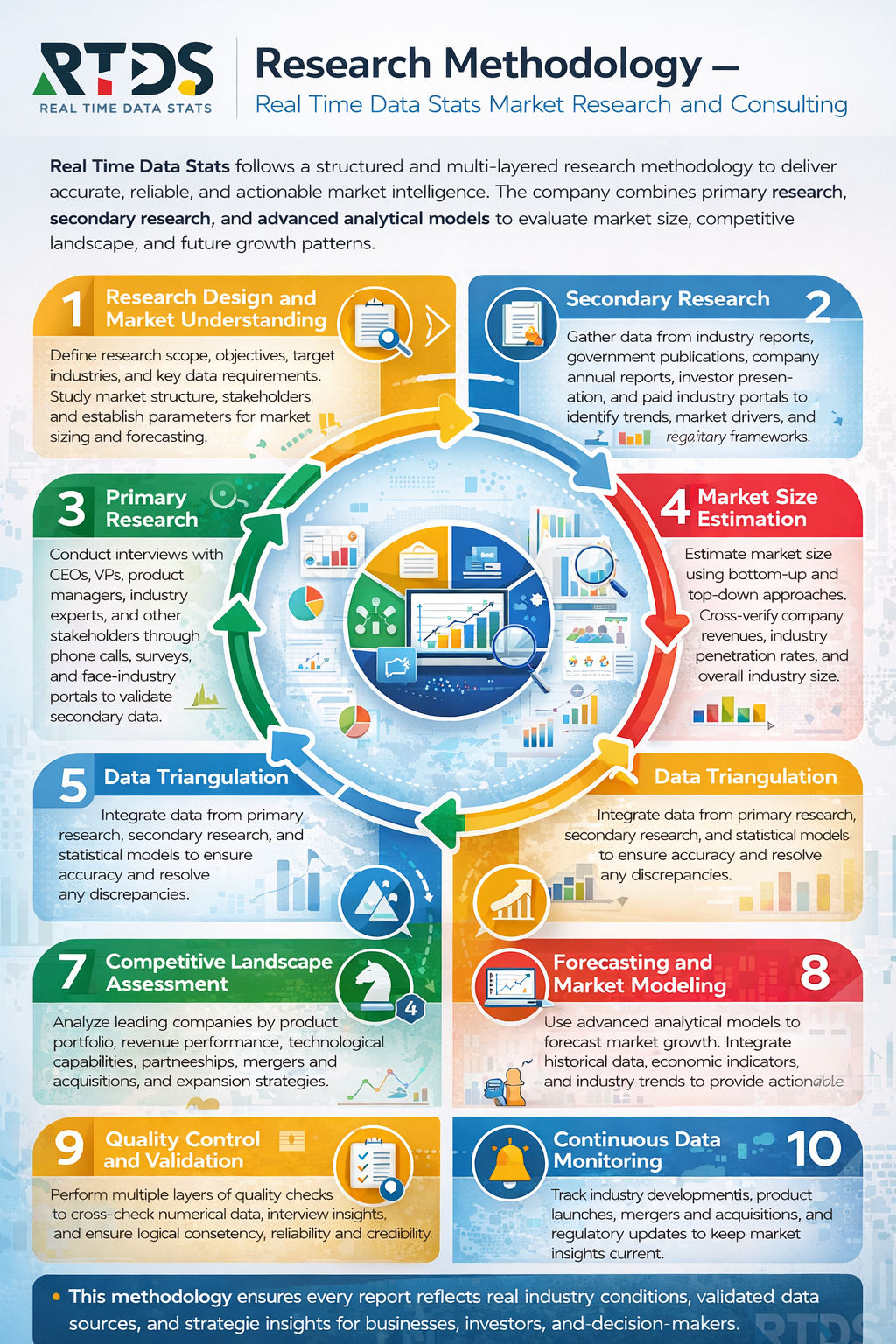
Research Methodology
- Data Collection Methods
- Primary Research Sources
- Secondary Research Sources
- Market Size Estimation Model
- Forecasting Approach
- Assumptions & Limitations
Market Dynamics
- Market Drivers
- Market Restraints
- Market Opportunities
- Market Challenges
- Emerging Trends
Regulatory Landscape
- Industry Ecosystem Analysis
- Supply Chain Analysis
- Raw Material Suppliers
- Manufacturers & Integrators
- Distributors & Channel Partners
- End-User Ecosystem
Technology Providers
- Competitive Landscape
- Company Market Share Analysis
- Strategic Developments
- Product Launches
- Partnerships & Collaborations
- Mergers & Acquisitions
- Innovation Benchmarking
Biointegrated Photonics Market Segmentation Analysis
- By Type
- Implantable Photonic Devices
- Wearable Photonic Sensors
- Flexible Photonic Circuits
- Optical Waveguides
- Biophotonic Imaging Devices
- Photonic Chips & Micro-LED Systems
- By Application
- Medical Diagnostics
- Therapeutic Treatments
- Neural Monitoring & Brain-Computer Interfaces
- Health & Fitness Monitoring
- Drug Delivery Systems
- Biomedical Imaging
- By Material
- Silicon-Based Materials
- Polymer-Based Materials
- Glass & Silica Materials
- Organic Semiconductors
- Biocompatible Metals
- Hybrid Composite Materials
- By End User
- Hospitals & Clinics
- Research Laboratories
- Pharmaceutical Companies
- Biotechnology Firms
- Academic Institutes
- Home Healthcare Users
- By Technology
- Optical Sensing Technology
- Laser-Based Technology
- Micro-Optics Technology
- Nanophotonics
- Fiber Optic Technology
- Integrated Photonic Circuits
- By Component
- Photodetectors
- Light Sources
- Optical Fibers
- Modulators
- Sensors
- Control Electronics
- By Device Form Factor
- Patch-Based Devices
- Implantable Chips
- Smart Contact Lenses
- Skin-Adhered Sensors
- Textile-Integrated Photonics
- Capsule Devices
- By Wavelength Range
- Ultraviolet
- Visible Light
- Near-Infrared
- Mid-Infrared
- Far-Infrared
- Multi-Spectral Systems
- By Integration Method
- Skin-Mounted Integration
- Subdermal Integration
- Organ-Integrated Systems
- Neural Integration
- Textile Integration
- Hybrid Integration
Regional Market Analysis
- Regional Growth Trends
- Regional Demand Patterns
- Investment Landscape
- Policy & Regulations by Region
- Regional Competitive Scenario
- Regional Forecast Comparison
Innovation & Technology Trends
- Next-Gen Photonic Chips
- Flexible Biophotonic Materials
- AI-Integrated Photonics
- Miniaturization Trends
- Smart Wearable Integration
- Sustainable Photonic Solutions
- Market Forecast Analysis
Global Market Size Forecast
- Segment-Wise Forecast
- Regional Forecast
- Revenue Projections
- Volume Projections
- Growth Rate Comparison
Conclusion
- Summary of Market Trends
- Key Drivers and Restraints
- Growth Opportunities
- Technology & Innovation Outlook
- Future Market Forecast
Appendix
- Abbreviations
- Glossary of Terms
- Research References
- Data Sources
- Author Details
- Disclaimer
List of Tables
- Table: 1: Global Market Size Overview
- Table: 2: Key Industry Participants
- Table: 3: Market Drivers Impact Analysis
- Table: 4: Market Restraints Impact Analysis
- Table: 5: Opportunity Matrix
- Table: 6: By Type Market Share
- Table: 7: By Application Revenue Share
- Table: 8: By Material Adoption Rate
- Table: 9: By End User Demand Distribution
- Table: 10: By Technology Comparison
- Table: 11: By Component Revenue Split
- Table: 12: By Device Form Factor Trends
- Table: 13: By Wavelength Range Analysis
- Table: 14: Regional Revenue Comparison
- Table: 15: Forecast Growth Rates
List of Figures
- Figure: 1: Market Overview Diagram
- Figure: 2: Value Chain Illustration
- Figure: 3: Research Methodology Flow
- Figure: 4: Market Dynamics Wheel
- Figure: 5: Competitive Landscape Map
- Figure: 6: By Type Segmentation Chart
- Figure: 7: By Application Segmentation Chart
- Figure: 8: By Material Segmentation Chart
- Figure: 9: By End User Segmentation Chart
- Figure: 10: By Technology Segmentation Chart
- Figure: 11: By Component Breakdown
- Figure: 12: Device Form Factor Visualization
- Figure: 13: Wavelength Spectrum Chart
- Figure: 14: Regional Market Map
- Figure: 15: Forecast Growth Graph
Biointegrated Photonics Market Key Factors
Drivers:
- Advance biomedical sensing drives adoption in diagnostics.
- Miniaturized photonic devices enhance patient monitoring efficiency.
- Integration with wearable and implantable tech boosts healthcare outcomes.
Restraints:
- High manufacturing costs limit widespread implementation.
- Complex integration with biological systems slows deployment.
- Regulatory approvals delay commercialization of new devices.
Opportunities:
- Expansion in telemedicine and remote patient monitoring.
- Development of multifunctional photonic sensors for diverse applications.
- Rising investments in precision medicine and bioelectronics research.
Challenges:
- Maintaining device biocompatibility under long-term use.
- Ensuring signal stability in dynamic biological environments.
- Standardizing protocols for clinical and commercial adoption.
Biointegrated Photonics Market Key Regional Trends
North America:
- Strong R&D funding accelerates novel photonic device development.
- Healthcare adoption of wearable and implantable sensors grows rapidly.
- Regulatory frameworks support clinical validation of biointegrated devices.
Europe:
- Government-backed healthcare projects expand photonic applications.
- Collaboration between academia and industry drives innovation.
- Emphasis on minimally invasive monitoring fuels market adoption.
Asia-Pacific:
- Rising demand for portable and cost-effective diagnostics solutions.
- Growth in medical device manufacturing hubs supports regional expansion.
- Increased healthcare awareness accelerates adoption of advanced photonics.
Rest of the World:
- Expanding telemedicine services drive demand for integrated photonic sensors.
- Local initiatives support low-cost biointegrated devices.
- Collaboration with global players boosts technology penetration.
Frequently Asked Questions
Key Questions Answered
- What is the size and growth rate of the market industry?
- What are the main drivers influencing market growth trends?
- What are the key challenges and restraints faced by the market?
- What are the emerging trends and opportunities shaping the market?
- Who are the top players, and what strategies drive their success?
- What are the customer demographics and their buying behaviors?
- What are the key market segments, and what is their scope?
- What are the geographical dynamics, and which region dominates?
- What are the market forecasts and projections for the next decade?
- What regulatory factors are critical to consider for market growth?
Why Choose our Company?
- Major facts and stats backing every report we offer.
- Comprehensive analysis tailored to your business needs.
- Accurate insights backed by extensive market research.
- Expert support to address your queries promptly.
- Data-driven strategies for better decision-making.
- In-depth reports with actionable
recommendations. - Reliable statistics from trusted industry
sources. - Customizable reports to suit your specific goals.
- Unmatched quality and precision in market analysis.
- Competitive pricing with premium content delivery.
Share your experience!
We value you feedback. Please take a moment to review your experience with us.