
According to insights from Real Time Data Stats, the Bioinspired Computing Market was valued at USD 6.5 billion in 2025. It is expected to grow from USD 7.2 billion in 2026 to USD 15.5 billion by 2033, registering a CAGR of 11.2% during the forecast period (2026–2033).
MARKET SIZE AND SHARE
The Bioinspired Computing Market is driven by growing demand for efficient, brain-like computing systems capable of processing complex datasets and solving advanced analytical challenges. Market growth is supported by increasing adoption of neuromorphic hardware, cognitive computing architectures, and bioinspired algorithms across industries. Leading technology companies and research-driven innovators are expected to capture significant market share as organizations seek alternatives to traditional computing methods for high-performance and energy-efficient applications.
Competitive dynamics are expected to intensify as emerging firms and established technology providers compete across segments such as swarm intelligence, evolutionary computing, and autonomous systems. Market share distribution will continue to evolve through technological breakthroughs, strategic partnerships, and commercialization efforts. Early adoption in fields including drug discovery, robotics, and intelligent automation will strengthen the position of key participants, while successful scaling of bioinspired solutions will drive long-term market leadership.
INDUSTRY OVERVIEW AND STRATEGY
The bioinspired computing industry leverages biological models to create systems capable of adaptation, resilience, and complex problem-solving. It encompasses neuromorphic computing, artificial neural networks, and genetic algorithms, moving beyond classical architectures. This paradigm is critical for next-generation applications in artificial intelligence, optimization, and autonomous decision-making. The strategic focus lies in bridging neuroscience, computer science, and materials engineering to develop hardware and software that mimic natural efficiency and learning processes.
Core strategy for market players involves heavy investment in research and development to achieve technological supremacy and secure intellectual property. Forming cross-industry alliances with academic institutions and tech conglomerates is essential for accelerating innovation. Companies must also prioritize creating scalable, energy-efficient platforms that offer tangible advantages over conventional computing. Success hinges on demonstrating clear ROI in verticals like cybersecurity, financial modeling, and advanced robotics to drive widespread commercial adoption.
Analyst Key Takeaways:
Bioinspired computing is emerging as a strategic deep-tech segment within the broader artificial intelligence and next-generation computing ecosystem. Its growth is being shaped by increasing adoption of nature-inspired algorithms, including evolutionary computation, swarm intelligence, and neural-inspired architectures, which are gaining traction in complex optimization, autonomous systems, and adaptive decision-making environments. The convergence of AI with neuromorphic and biologically inspired models is strengthening its relevance across both software intelligence and advanced hardware design landscapes.
A key market driver is the rising demand for highly efficient, self-adaptive computing systems capable of solving problems beyond the limits of traditional deterministic and gradient-based methods. Research institutions and technology developers are increasingly integrating bioinspired frameworks into robotics, edge intelligence, and complex system simulation. However, the field remains highly specialized and fragmented, with commercialization concentrated in advanced research applications, defense, and high-performance computing environments, indicating strong long-term but still evolving adoption pathways.
REGIONAL TRENDS AND GROWTH
North America leads the bioinspired computing market, driven by robust R&D funding, presence of major tech firms, and strong defense investments. Europe follows with significant initiatives in neuromorphic research, supported by collaborative EU projects. The Asia-Pacific region is the fastest-growing, fueled by government strategies in AI and semiconductor independence, particularly in China, Japan, and South Korea. Each region's growth is shaped by distinct academic-industrial ecosystems focusing on specific bioinspired applications.
Primary growth drivers include the insatiable demand for advanced AI, the slowdown of Moore's Law, and the need for energy-efficient computation. Key restraints are high development costs, algorithmic complexity, and a shortage of specialized talent. Opportunities abound in creating dedicated chips for edge computing and personalized medicine. However, significant challenges persist, including standardization issues, integration hurdles with existing infrastructure, and ethical concerns surrounding autonomous, learning-based systems.
BIOINSPIRED COMPUTING MARKET SEGMENTATION ANALYSIS
BY TYPE:
Bioinspired computing technologies are dominated by neural networks and evolutionary computing due to their proven efficiency in solving non-linear, complex optimization and learning problems. Neural networks lead because of their scalability and compatibility with modern AI hardware accelerators, making them essential for real-time data processing and adaptive learning systems. Evolutionary computing follows closely, driven by its strength in multi-objective optimization and its flexibility in dynamic environments where traditional algorithms fail. Swarm intelligence is gaining traction because of its decentralized decision-making capability, which suits distributed systems, robotics coordination, and network routing. Artificial immune systems and cellular automata contribute niche but growing value in anomaly detection and simulation-heavy environments.
Market dominance within this segment is heavily influenced by computational efficiency, adaptability, and integration with AI ecosystems. Technologies that support parallelism and self-learning behaviors attract higher enterprise adoption. Research funding and open-source development also play a crucial role, particularly in neural and evolutionary models. As industries demand autonomous and self-optimizing systems, types that mimic collective behavior and biological adaptation gain momentum, especially in automation-heavy and data-intensive sectors.
BY APPLICATION:
Optimization problems represent the most dominant application, as bioinspired algorithms excel at finding near-optimal solutions in highly complex search spaces. Industries such as logistics, energy distribution, and manufacturing rely on these systems to minimize cost and maximize efficiency. Pattern recognition follows as a strong segment due to the synergy between neural-based bioinspired systems and AI-driven image, speech, and signal processing. Robotics control is also significant, driven by the need for adaptive navigation and real-time decision-making in autonomous machines. Data mining and image processing benefit from swarm and evolutionary techniques that improve clustering and feature extraction performance.
The dominant factor across applications is the ability of bioinspired systems to operate effectively in uncertain, dynamic environments. Their resilience to noise and incomplete data makes them attractive for real-world deployment. Growing reliance on intelligent automation across industries pushes demand for applications that combine learning with optimization. Security-focused uses like network security are expanding rapidly as artificial immune systems help detect evolving cyber threats through adaptive defense mechanisms.
BY COMPONENT:
Software dominates this segment because bioinspired computing relies heavily on algorithmic models, simulation tools, and AI frameworks. Platforms and middleware follow, supporting integration with enterprise IT ecosystems and enabling scalable deployment. Hardware demand is growing, particularly for GPUs, TPUs, and neuromorphic chips optimized for parallel biological modeling. Services such as consulting and customization play an important role as organizations require domain-specific algorithm tuning and performance optimization.
The key growth driver here is the need for high-performance processing infrastructure that can support iterative, computation-heavy biological simulations. Cloud-based AI platforms strengthen the software and platform components by offering scalability and accessibility. Enterprises increasingly seek end-to-end solutions rather than standalone tools, boosting demand for integrated platforms and professional services. The convergence of AI hardware innovation with algorithmic software advancements is shaping component-level dominance.
By Deployment Mode:
Cloud-based deployment leads due to scalability, cost efficiency, and the ability to handle large datasets required for training bioinspired models. Hybrid models are growing quickly as enterprises balance data security with computational flexibility. On-premises deployment remains relevant in sectors with strict compliance requirements such as defense and healthcare. Edge deployment is emerging as bioinspired systems are increasingly used in IoT and robotics applications requiring low-latency processing.
Dominance in this segment is influenced by data intensity and processing demands. Organizations favor environments that allow rapid experimentation and scaling, giving cloud providers an advantage. However, privacy regulations and mission-critical reliability sustain demand for hybrid and on-premises systems. As edge AI expands, decentralized swarm-based computing models become more viable, further driving distributed and edge deployments.
BY ORGANIZATION SIZE:
Large enterprises dominate adoption because they possess the computational resources and R&D budgets necessary for advanced bioinspired system deployment. Medium enterprises are increasingly adopting these solutions through cloud-based services that lower entry barriers. Small enterprises participate mainly through SaaS-based optimization and AI tools. Research institutions remain key contributors, driving innovation and algorithmic advancements.
The dominant growth factor here is access to infrastructure and skilled expertise. Larger firms invest in proprietary optimization and automation systems for competitive advantage. Meanwhile, democratization of AI tools enables smaller firms to leverage bioinspired computing without heavy capital investment. Government-backed research programs and academic-industry collaborations also stimulate segment growth.
BY INDUSTRY VERTICAL:
Healthcare leads due to the need for complex pattern recognition, drug discovery optimization, and diagnostic modeling. Automotive and aerospace follow, driven by autonomous navigation and system optimization challenges. Manufacturing benefits from predictive maintenance and process optimization powered by evolutionary and swarm algorithms. BFSI uses bioinspired models for fraud detection and risk optimization.
Industry dominance depends on problem complexity and data richness. Sectors facing dynamic, nonlinear systems gain the most from bioinspired approaches. High automation intensity also correlates with adoption, particularly in smart manufacturing and autonomous mobility. Regulatory-driven industries adopt these technologies carefully but steadily due to their decision-support capabilities.
BY TECHNOLOGY:
Machine learning and deep learning integrations dominate as they complement neural bioinspired frameworks. Reinforcement learning is rising rapidly due to its similarity to adaptive biological learning behaviors. Fuzzy logic supports uncertain reasoning, making it useful in control systems. Cognitive and adaptive systems bring contextual decision-making to bioinspired models.
Dominance in this segment stems from hybridization with mainstream AI technologies. The more a bioinspired technology integrates with existing AI workflows, the faster it gains adoption. Continuous advancements in deep learning architectures strengthen neural-inspired computing. Adaptive and reinforcement-based systems are favored in robotics and automation where learning from environment interaction is critical.
BY END USER:
Academic and research institutes are foundational users, driving innovation and theoretical development. Commercial enterprises dominate in practical deployment for optimization and automation. Defense organizations rely on bioinspired computing for strategic simulations and autonomous systems. Healthcare providers use these systems for diagnostics and predictive analytics.
End-user dominance is shaped by problem complexity and resource availability. Research institutions pioneer new algorithms, while enterprises commercialize them. Government and defense sectors adopt bioinspired systems for mission-critical resilience. Industrial automation firms represent a fast-growing user group as factories shift toward self-optimizing operations.
BY FUNCTION:
Prediction and forecasting lead due to demand for data-driven decision-making across industries. Classification and clustering follow, especially in image, speech, and behavioral analytics. Decision support systems benefit from adaptive and evolutionary algorithms capable of handling uncertainty. Anomaly detection is expanding rapidly in cybersecurity and equipment monitoring.
Functional dominance is driven by the need for intelligent automation and proactive insights. Bioinspired computing excels in identifying patterns and adapting to new data, making it ideal for predictive and diagnostic roles. Automation-focused functions gain traction as industries shift toward autonomous operations that require continuous learning and adaptation.
RECENT DEVELOPMENTS
- In Jan 2024: Intel unveiled its next-generation neuromorphic chip, Loihi 2, demonstrating 10x improved efficiency for real-time edge AI applications in robotics and sensory processing.
- In May 2024: IBM and Samsung announced a strategic partnership to co-develop bioinspired, analog AI chips aimed at drastically reducing power consumption in data centers by mimicking brain synapses.
- In Sep 2024: A leading research team at MIT published a breakthrough in memristor technology, achieving unprecedented stability for artificial neural networks, a critical step toward commercial viability.
- In Dec 2024: DeepMind introduced AlphaFold 3, powered by novel bioinspired algorithms, revolutionizing protein interaction prediction and accelerating drug discovery and material science pipelines.
- In Mar 2025: The U.S. Department of Defense awarded a $30M contract to Applied Brain Research to develop neuromorphic computing systems for autonomous drones, highlighting national security applications.
KEY PLAYERS ANALYSIS
- Intel Corporation
- International Business Machines Corporation (IBM)
- Qualcomm Technologies, Inc.
- Samsung Electronics Co., Ltd.
- Hewlett Packard Enterprise (HPE)
- Microsoft Corporation
- Google LLC (Alphabet)
- NVIDIA Corporation
- BrainChip Holdings Ltd.
- Applied Brain Research, Inc.
- General Vision, Inc.
- Vicarious FPC, Inc.
- Numenta, Inc.
- SynSense AG
- aiCTX AG
- Mythic AI, Inc.
- GrAI Matter Labs
- Innatera Nanosystems B.V.
- Imec
- HP Development Company, L.P.
Bioinspired Computing Market Segmentation Analysis
By Type:
- Neural Networks
- Evolutionary Computing
- Swarm Intelligence
- Artificial Immune Systems
- Cellular Automata
- Genetic Algorithms
By Application:
- Optimization Problems
- Pattern Recognition
- Robotics Control
- Data Mining
- Image Processing
- Network Security
By Component:
- Hardware
- Software
- Platforms
- Frameworks
- Services
- Middleware
By Deployment Mode:
- On-Premises
- Cloud-Based
- Hybrid
- Edge Deployment
- High-Performance Computing Clusters
- Distributed Systems
By Organization Size:
- Small Enterprises
- Medium Enterprises
- Large Enterprises
- Research Institutions
- Government Organizations
- Startups
By Industry Vertical:
- Healthcare
- Automotive
- Aerospace & Defense
- BFSI
- Manufacturing
- IT & Telecommunications
By Technology:
- Machine Learning Integration
- Deep Learning Integration
- Fuzzy Logic Systems
- Reinforcement Learning
- Adaptive Systems
- Cognitive Computing
By End User:
- Academic & Research Institutes
- Commercial Enterprises
- Defense Organizations
- Healthcare Providers
- Financial Institutions
- Industrial Automation Firms
By Function:
- Prediction & Forecasting
- Classification
- Clustering
- Decision Support
- Anomaly Detection
- Process Automation
By Geography:
- North America (USA, Canada, Mexico)
- Europe (UK, Germany, France, Italy, Spain, Rest of Europe)
- Asia-Pacific (China, Japan, Australia, South Korea, India, Rest of Asia-Pacific)
- South America (Brazil, Argentina, Rest of South America)
- Middle East and Africa (GCC Countries, South Africa, Rest of MEA)
Bioinspired Computing Market: Table of Contents
Executive Summary
- Market Introduction
- Market Definition
- Market Scope
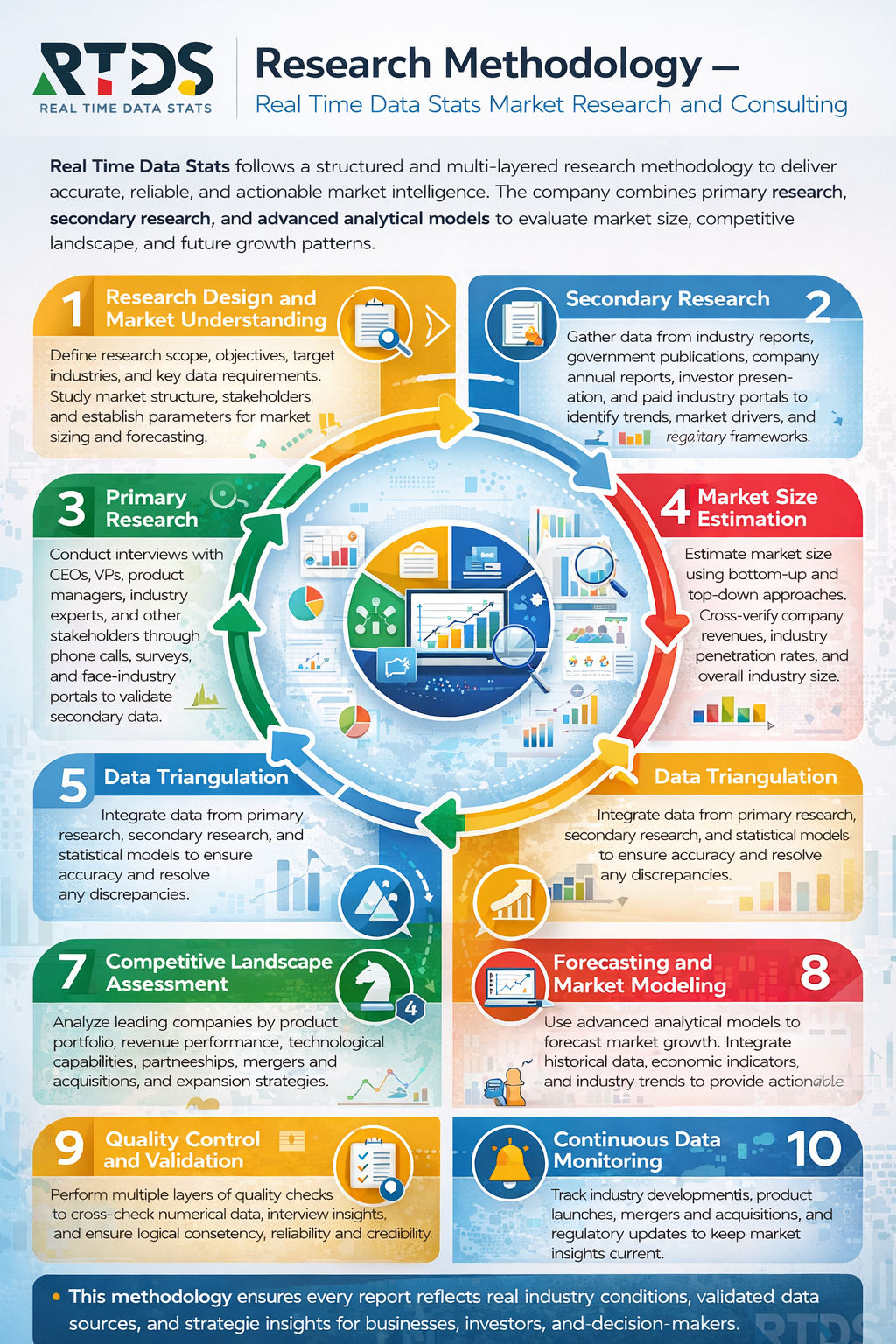
- Research Methodology
- Data Collection Sources
- Market Assumptions
- Forecasting Model Overview
Market Dynamics
- Market Drivers
- Market Restraints
- Market Opportunities
- Market Challenges
- Emerging Trends
- Innovation Landscape
Regulatory Landscape
- Global Market Overview
- Market Size Analysis
- Market Forecast Analysis
Pricing Analysis
- Value Chain Analysis
- Supply Chain Analysis
- Ecosystem Analysis
- Patent Analysis
Bioinspired Computing Market Segmentation Analysis
- By Type
- Neural Networks
- Evolutionary Computing
- Swarm Intelligence
- Artificial Immune Systems
- Cellular Automata
- Genetic Algorithms
- By Application
- Optimization Problems
- Pattern Recognition
- Robotics Control
- Data Mining
- Image Processing
- Network Security
- By Component
- Hardware
- Software
- Platforms
- Frameworks
- Services
- Middleware
- By Deployment Mode
- On-Premises
- Cloud-Based
- Hybrid
- Edge Deployment
- High-Performance Computing Clusters
- Distributed Systems
- By Organization Size
- Small Enterprises
- Medium Enterprises
- Large Enterprises
- Research Institutions
- Government Organizations
- Startups
- By Industry Vertical
- Healthcare
- Automotive
- Aerospace & Defense
- BFSI
- Manufacturing
- IT & Telecommunications
- By Technology
- Machine Learning Integration
- Deep Learning Integration
- Fuzzy Logic Systems
- Reinforcement Learning
- Adaptive Systems
- Cognitive Computing
- By End User
- Academic & Research Institutes
- Commercial Enterprises
- Defense Organizations
- Healthcare Providers
- Financial Institutions
- Industrial Automation Firms
- By Function
- Prediction & Forecasting
- Classification
- Clustering
- Decision Support
- Anomaly Detection
- Process Automation
Regional Market Analysis
- North America Market Insights
- Europe Market Insights
- Asia Pacific Market Insights
- Latin America Market Insights
- Middle East Market Insights
- Africa Market Insights
Competitive Landscape
- Market Share Analysis
- Competitive Benchmarking
- Strategic Developments
- Mergers & Acquisitions
- Partnerships & Collaborations
- Product Launches
- R&D Activities
Company Profiles
- Business Overview
- Product Portfolio
- Financial Overview
- Recent Developments
- Strategic Outlook
Conclusion
- Summary of Market Trends
- Key Drivers and Restraints
- Growth Opportunities
- Technology & Innovation Outlook
- Future Market Forecast
Appendix
- Abbreviations
- Methodology Details
- Data Sources
- Disclaimer
List of Tables
- Table:1: Global Bioinspired Computing Market Size Overview
- Table:2: Market Size by Type
- Table:3: Market Size by Application
- Table:4: Market Size by Component
- Table:5: Market Size by Deployment Mode
- Table:6: Market Size by Organization Size
- Table:7: Market Size by Industry Vertical
- Table:8: Market Size by Technology
- Table:9: Market Size by End User
- Table:10: Market Size by Function
- Table:11: Market Size by Region
- Table:12: North America Market Breakdown
- Table:13: Europe Market Breakdown
- Table:14: Asia Pacific Market Breakdown
- Table:15: Competitive Landscape Summary
List of Figures
- Figure:1: Bioinspired Computing Market Research Framework
- Figure:2: Market Dynamics Overview
- Figure:3: Value Chain Analysis
- Figure:4: Supply Chain Structure
- Figure:5: Ecosystem Map
- Figure:6: Market Size Forecast Trend
- Figure:7: Market Share by Type
- Figure:8: Market Share by Application
- Figure:9: Market Share by Component
- Figure:10: Market Share by Deployment Mode
- Figure:11: Market Share by Industry Vertical
- Figure:12: Market Share by Technology
- Figure:13: Regional Market Share
- Figure:14: Competitive Positioning Matrix
- Figure:15: Growth Opportunity Analysis
Bioinspired Computing Market Key Factors
Drivers:
- Rising complex data volumes overwhelm traditional computing methods.
- Industries actively seek energy-efficient and high-performance computing solutions.
- Advancements in neuromorphic hardware and AI algorithms accelerate adoption.
Restraints:
- High initial R&D and deployment costs limit market entry.
- A significant skills gap hinders the development and application of these systems.
- The inherent ""black box"" nature of some models creates transparency and trust issues.
Opportunities:
- Expanding applications in personalized medicine and drug discovery present new avenues.
- The approach offers promising solutions for optimizing next-generation networks.
- It enables the creation of more autonomous and efficient robotic systems.
Challenges:
- No universal standards currently exist for hardware or algorithmic design.
- Scaling laboratory prototypes to robust, commercial systems remains difficult.
- Biologically-inspired systems can raise novel ethical and safety questions.
Bioinspired Computing Market Key Regional Trends
North America:
- Strong government and defense funding fuels advanced research in neuromorphic chips.
- Major tech firms heavily invest in biomimetic AI for cloud and edge computing.
- Leading healthcare and financial institutions pilot applications for complex problem-solving.
Europe:
- Research initiatives strongly emphasize energy-efficient and sustainable computing models.
- Robust regulations drive the development of explainable and trustworthy bioinspired AI.
- Collaborative projects between universities and manufacturers advance materials and robotics.
Asia-Pacific:
- Governments prioritize national AI strategies that include bioinspired computing.
- Manufacturing and electronics industries rapidly adopt these technologies for automation and optimization.
- Significant investments target startups and research in neural networks and swarm intelligence.
Frequently Asked Questions
Key Questions Answered
- What is the size and growth rate of the market industry?
- What are the main drivers influencing market growth trends?
- What are the key challenges and restraints faced by the market?
- What are the emerging trends and opportunities shaping the market?
- Who are the top players, and what strategies drive their success?
- What are the customer demographics and their buying behaviors?
- What are the key market segments, and what is their scope?
- What are the geographical dynamics, and which region dominates?
- What are the market forecasts and projections for the next decade?
- What regulatory factors are critical to consider for market growth?
Why Choose our Company?
- Major facts and stats backing every report we offer.
- Comprehensive analysis tailored to your business needs.
- Accurate insights backed by extensive market research.
- Expert support to address your queries promptly.
- Data-driven strategies for better decision-making.
- In-depth reports with actionable
recommendations. - Reliable statistics from trusted industry
sources. - Customizable reports to suit your specific goals.
- Unmatched quality and precision in market analysis.
- Competitive pricing with premium content delivery.
Share your experience!
We value you feedback. Please take a moment to review your experience with us.