
According to insights from Real Time Data Stats, the Biohybrid Brain Interfaces Market was valued at USD 0.17 billion in 2025. It is expected to grow from USD 0.25 billion in 2026 to USD 1.50 billion by 2033, registering a CAGR of 31.2% during the forecast period (2026–2033).
MARKET SIZE AND SHARE
The biohybrid brain interfaces market is expanding due to rising research in neural prosthetics and advanced treatment solutions for neurological disorders. Specialized neurotechnology firms and academic spin-offs currently lead innovation, while large medical device and technology companies increase investments to secure early advantages in this emerging, high-value space. Continuous progress in brain–machine integration and personalized therapies further accelerates adoption across clinical and experimental settings.
Advancements in biocompatible materials and neural tissue engineering continue to drive market development and improve long-term interface performance. The competitive landscape is becoming more dynamic as biotech firms collaborate with AI developers to enhance data processing and neural signal accuracy. North America holds a leading revenue share due to strong funding support and favorable regulatory pathways, while applications in cognitive enhancement and severe disability treatment are expected to capture the largest share over the forecast period.
INDUSTRY OVERVIEW AND STRATEGY
The biohybrid brain interface industry merges biological neural tissue with electronic systems, creating revolutionary platforms for medicine and human-computer interaction. Core applications target restorative neurotherapies for conditions like Parkinson's, paralysis, and depression. The strategic focus is overwhelmingly on R&D to improve bidirectional communication, long-term biocompatibility, and miniaturization of implantable systems. Success hinges on interdisciplinary collaboration across neuroscience, materials science, and data analytics.
Primary corporate strategies involve securing intellectual property around novel electrode designs and cell-integration techniques. Companies are pursuing strategic alliances with clinical research centers for trial validation and navigating complex regulatory pathways. A key strategic differentiator is the development of closed-loop, adaptive systems that can learn and respond to neural plasticity. The long-term vision extends beyond therapeutic use into cognitive augmentation, shaping a proactive strategy for future commercial and ethical landscapes.
Analyst Key Takeaways:
Biohybrid brain interfaces are emerging as a high-impact frontier within neurotechnology, driven by the convergence of neural engineering, synthetic biology, and AI-enabled signal processing. The segment is characterized by rapid innovation cycles, with increasing research translation into early clinical applications such as neuroprosthetics and adaptive brain–computer systems. Growth momentum is supported by rising investments from both public research institutions and private players, alongside advancements in biocompatible materials and hybrid tissue–electronic integration. This positions the market as a critical enabler for next-generation human–machine interaction and neurological disorder management.
From an adoption standpoint, the market remains in a nascent but accelerating phase, with commercialization dependent on regulatory approvals, long-term safety validation, and scalable manufacturing of biohybrid components. Despite these barriers, the segment is expected to outperform broader neurotechnology due to its differentiated value proposition in precision neuromodulation and functional restoration. Strategic collaborations between biotechnology firms, medical device companies, and AI developers are likely to shape the competitive landscape, while ongoing clinical breakthroughs will be pivotal in transitioning from experimental use to mainstream therapeutic deployment.
REGIONAL TRENDS AND GROWTH
North America leads, propelled by substantial NIH and DARPA funding, a dense concentration of research institutions, and a supportive venture capital ecosystem. Europe follows, emphasizing strong ethical frameworks and collaborative EU-brain projects. The Asia-Pacific region exhibits the fastest growth trajectory, driven by significant government investments in China and South Korea aimed at establishing technological leadership in brain-inspired computing and neurorehabilitation.
Key growth drivers include the rising prevalence of neurological disorders, aging populations, and military interest in human-performance platforms. Major restraints are high costs, stringent regulatory hurdles, and unresolved long-term biocompatibility challenges. Opportunities lie in non-invasive interface development and personalized neuromedicine. Future challenges encompass addressing data privacy concerns, establishing universal ethical standards, and ensuring equitable access to prevent a socio-technological divide.
BIOHYBRID BRAIN INTERFACES MARKET SEGMENTATION ANALYSIS
BY TYPE:
The type segment in the Biohybrid Brain Interfaces Market is dominantly influenced by the rapid evolution of neural–electronic convergence technologies and the growing ability to culture living neural tissues alongside microelectronics. Organoid-based and neuron-on-chip systems are gaining traction because they enable realistic brain signal simulation, which is highly valuable for medical research and prosthetic innovation. Investment in bio-MEMS and hydrogel interfaces is also rising due to their flexibility, reduced rejection risk, and long-term implantation potential across clinical and experimental applications.
Another strong factor shaping this segment is the demand for precision and biocompatibility, which pushes manufacturers toward synthetic biology integration and advanced tissue engineering. Regulatory support for ethical neuro-experimentation and cross-disciplinary collaboration between neuroscience and semiconductor industries further accelerates adoption. The availability of miniaturized electronics and improved signal fidelity technologies also enhances interface performance, making hybrid neural devices more commercially viable and scalable for both healthcare and advanced computing environments.
BY APPLICATION:
The application segment is primarily driven by the expanding need for neuroprosthetics and rehabilitation solutions for neurological disorders such as paralysis, epilepsy, and neurodegenerative diseases. Brain-computer interface systems are increasingly used for assistive communication and mobility restoration, creating strong clinical demand. Cognitive enhancement and human–machine interaction research also contribute significantly, especially within defense and high-performance computing sectors, where improved reaction speed and mental efficiency are becoming strategic priorities.
Additionally, pharmaceutical and academic research institutions are accelerating growth through drug discovery and neural behavior testing, as biohybrid platforms offer realistic biological environments. The rising awareness of mental health technologies and the integration of AI-powered analytics amplify the usability of these interfaces in real-time diagnostics. Increased funding from government neuroscience programs and private innovation labs further strengthens this segment by enabling experimentation, commercialization, and broader cross-industry applications.
BY COMPONENT:
The component segment is shaped by continuous advancements in microelectrode arrays, biosensors, and neural tissue engineering materials. High-resolution signal acquisition hardware remains a dominant factor, as accurate neural data capture directly impacts system efficiency and medical reliability. Software platforms integrated with AI and machine learning algorithms are also crucial, enabling real-time interpretation of neural signals and adaptive response mechanisms that enhance overall interface intelligence and personalization capabilities.
Another major influence is the improvement in microfluidic chips and bioengineered tissues, which allow seamless biological–electronic interaction. Companies are focusing on modular and upgradeable component ecosystems to extend product life cycles and reduce replacement costs. Interoperability between hardware and analytical software further drives adoption, while cost-effective manufacturing and scalable semiconductor fabrication techniques support widespread commercialization and multi-sector integration of biohybrid interface components.
BY END USER:
The end-user segment is strongly dominated by hospitals, research laboratories, and academic institutions due to their immediate need for advanced neurological diagnostics and experimental platforms. Clinical adoption is rising as surgeons and neurologists increasingly rely on hybrid brain interfaces for treatment planning and rehabilitation therapies. Biotechnology and pharmaceutical companies also play a crucial role by utilizing these systems for neural response testing and innovative drug development pipelines.
Defense organizations and aerospace agencies represent another influential factor, as cognitive performance optimization and human–machine synchronization are becoming mission-critical. Educational institutions contribute through long-term research and skill development, ensuring continuous innovation. Funding availability, institutional partnerships, and the presence of specialized neuroscience infrastructure significantly determine growth patterns, making end-user diversity a key stability factor for sustained market expansion and technological evolution.
BY TECHNOLOGY:
The technology segment is propelled by breakthroughs in optogenetics, nanotechnology, and AI-integrated neural communication systems. Optogenetic control allows precise stimulation of neural circuits, while nanomaterials improve conductivity and reduce biological rejection. Artificial intelligence enhances predictive neural analytics and adaptive learning systems, making interfaces more responsive and efficient. Wireless communication and low-power chipsets further contribute by improving portability, safety, and long-term usability across both clinical and consumer environments.
Furthermore, 3D bioprinting and advanced electrophysiology techniques are reshaping manufacturing and experimental possibilities by enabling customizable neural scaffolds and detailed signal mapping. Continuous research funding and interdisciplinary collaboration between biomedical engineers, data scientists, and neuroscientists accelerate innovation speed. Scalability, miniaturization, and energy efficiency remain dominant technological drivers, ensuring that biohybrid brain interfaces evolve toward more practical, affordable, and high-performance solutions across industries.
BY MATERIAL:
The material segment in the Biohybrid Brain Interfaces Market is dominantly influenced by the demand for high biocompatibility, electrical conductivity, and long-term stability within biological environments. Conductive polymers and hydrogels are widely preferred because they closely mimic the softness of neural tissue, reducing inflammation and rejection risks after implantation. Graphene and carbon-based nanomaterials are gaining momentum due to their superior signal transmission capabilities and mechanical flexibility, enabling more precise neural communication and extended device lifespan in both clinical and research applications.
Another strong factor shaping this segment is the balance between durability and biological safety, which pushes manufacturers to invest in organic semiconductors and silicon-based hybrid composites. Continuous improvements in material engineering, surface coatings, and nano-structuring technologies enhance signal clarity and tissue integration. Cost efficiency and scalable fabrication methods also influence adoption, as healthcare providers and research institutes seek affordable yet high-performance materials that can support repeated experimentation and long-term therapeutic use without compromising reliability.
BY FUNCTIONALITY:
The functionality segment is primarily driven by the increasing requirement for accurate neural signal recording and responsive stimulation capabilities. Signal recording systems dominate due to their essential role in diagnostics, behavioral analysis, and neurological mapping. Bidirectional communication technologies are also expanding rapidly, as they allow simultaneous data input and output between the brain and external devices, creating advanced possibilities in prosthetics, assistive communication tools, and intelligent robotics integration across medical and industrial environments.
Another dominant factor is the growing emphasis on memory augmentation and sensory restoration, particularly for patients with cognitive impairments or sensory loss. Neural mapping and adaptive stimulation functions are strengthened by AI-powered analytics that enable personalized therapy and real-time adjustments. Continuous innovation in software algorithms and hardware precision increases the functional diversity of biohybrid interfaces, making multifunctional platforms more attractive for institutions seeking versatile systems capable of serving both therapeutic and experimental objectives.
BY INTERFACE MODE:
The interface mode segment is shaped by the trade-off between performance accuracy and invasiveness. Invasive and implantable systems dominate high-precision medical and research applications because they provide direct neural access and superior signal fidelity. However, semi-invasive and non-invasive modes are gaining substantial traction due to their safety, lower regulatory barriers, and broader acceptance among patients. Wearable and modular external systems also contribute significantly by enabling mobility, comfort, and consumer-level accessibility in non-clinical environments.
A major growth factor within this segment is technological miniaturization combined with wireless connectivity, which reduces surgical complexity and enhances user convenience. Regulatory approvals, ethical considerations, and long-term safety evaluations strongly influence adoption patterns. The rise of hybrid interface solutions that blend implantable accuracy with external flexibility further strengthens this segment, ensuring that developers can address diverse user needs ranging from intensive medical therapy to everyday cognitive assistance and human–machine interaction.
BY INDUSTRY VERTICAL:
The industry vertical segment is dominantly influenced by the healthcare sector, which leads due to rising neurological disorder prevalence and the need for advanced rehabilitation technologies. Hospitals, neuro-clinics, and specialized treatment centers actively adopt biohybrid interfaces for diagnostics, prosthetics, and cognitive therapies. The research and education sector also holds significant influence, as universities and neuroscience institutes continuously explore innovative neural interaction models, ensuring a steady pipeline of technological breakthroughs and skilled professionals.
Defense, robotics, gaming, and consumer electronics industries are emerging as strong contributors due to their focus on enhanced human performance and immersive interaction systems. Automation and aerospace sectors invest in cognitive optimization and pilot assistance technologies, while entertainment and virtual reality markets explore neural control for immersive experiences. Cross-industry collaborations, funding initiatives, and commercialization strategies create a diversified demand ecosystem, making industry vertical expansion a critical driver for long-term market sustainability and innovation momentum.
RECENT DEVELOPMENTS
- In Jan 2024: Precision Neuroscience announced FDA clearance for its Layer 7 Cortical Interface, a ultra-thin, flexible electrode array designed for high-resolution brain mapping with minimal tissue damage.
- In Mar 2024: Synchron Inc. initiated the COMMAND trial patient enrollment, a pivotal study for its Stentrode™ motor neuroprosthesis, moving towards potential commercial approval for severe paralysis.
- In Jul 2024: Neuralink received FDA approval to implant its N1 device in a second patient, following initial results showing successful telepathic control of digital devices by the first participant.
- In Nov 2024: A research consortium from MIT, Harvard, and Meta published a breakthrough in Science on a new biohybrid electrode using living neurons to improve long-term signal stability and reduce immune response.
- In Feb 2025: Blackrock Neurotech partnered with a major pharmaceutical company to develop closed-loop biohybrid systems for targeted drug delivery in treating refractory epilepsy, combining its NeuroPort array with drug-eluting technology.
KEY PLAYERS ANALYSIS
- Neuralink (USA)
- Synchron Inc. (USA)
- Precision Neuroscience (USA)
- Blackrock Neurotech (USA)
- Paradromics, Inc. (USA)
- BrainGate Consortium (USA)
- Science Corporation (USA)
- Meta Platforms Inc. (Reality Labs) (USA)
- Neuralink (USA)
- Kernel (USA)
- MindMaze (Switzerland)
- NeuroPace, Inc. (USA)
- Medtronic plc (Ireland)
- Abbott Laboratories (USA)
- CorTec GmbH (Germany)
- Ripple Neuro (USA)
- NeuroNexus Technologies (USA)
- NeuroSky (USA)
- EMOTIV (Australia)
- Neuralace (USA)
Biohybrid Brain Interfaces Market Segmentation Analysis
By Type:
- Neural Tissue–Electronic Hybrid Interfaces
- Organoid-Based Brain Interfaces
- Neuron-on-Chip Interfaces
- Bio-MEMS Brain Interfaces
- Synthetic Biology-Integrated Interfaces
- Hydrogel-Based Neural Interfaces
By Application:
- Neuroprosthetics
- Cognitive Enhancement
- Brain-Computer Interface Systems
- Medical Rehabilitation
- Drug Discovery & Testing
- Neuroscience Research
By Component:
- Bioengineered Neural Tissues
- Microelectrode Arrays
- Signal Processing Units
- Biosensors
- Microfluidic Chips
- Interface Software Platforms
By End User:
- Hospitals & Clinics
- Research Laboratories
- Academic Institutions
- Pharmaceutical Companies
- Biotechnology Firms
- Defense & Aerospace Organizations
By Technology:
- Optogenetics
- Electrophysiology
- Nanotechnology-Based Interfaces
- AI-Integrated Neural Systems
- 3D Bioprinting
- Wireless Neural Communication
By Material:
- Conductive Polymers
- Hydrogels
- Graphene & Carbon Nanomaterials
- Biocompatible Metals
- Silicon-Based Materials
- Organic Semiconductors
By Functionality:
- Signal Recording
- Signal Stimulation
- Bidirectional Communication
- Neural Mapping
- Memory Augmentation
- Sensory Restoration
By Interface Mode:
- Invasive Interfaces
- Semi-Invasive Interfaces
- Non-Invasive Interfaces
- Implantable Systems
- Wearable Systems
- External Modular Systems
By Industry Vertical:
- Healthcare
- Defense & Security
- Education & Research
- Robotics & Automation
- Gaming & Entertainment
- Consumer Electronics
By Geography:
- North America (USA, Canada, Mexico)
- Europe (UK, Germany, France, Italy, Spain, Rest of Europe)
- Asia-Pacific (China, Japan, Australia, South Korea, India, Rest of Asia-Pacific)
- South America (Brazil, Argentina, Rest of South America)
- Middle East and Africa (GCC Countries, South Africa, Rest of MEA)
Biohybrid Brain Interfaces Market: Table of Contents
Executive Summary
- Market Introduction
- Market Definition
- Market Scope
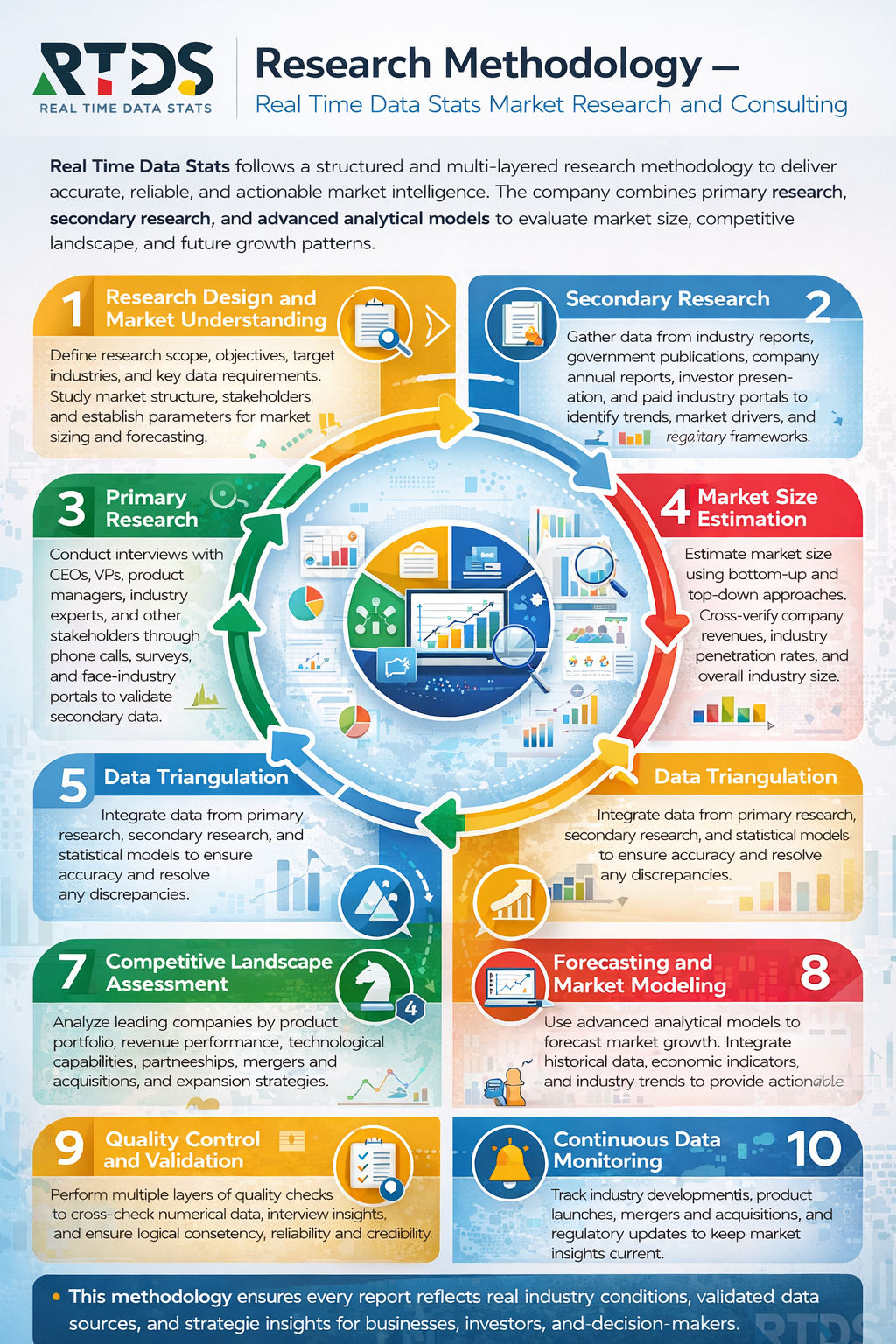
- Research Methodology
- Data Sources
- Assumptions & Limitations
Market Overview
- Market Dynamics
- Market Drivers
- Market Restraints
- Market Opportunities
- Market Challenges
- Market Trends
Regulatory Landscape
- Technological Advancements
- Innovation Ecosystem
- Global Economic Impact on Market
- Supply Chain Analysis
- Value Chain Analysis
- Pricing Analysis
- Investment & Funding Landscape
- Patent Analysis
- Startup Ecosystem Analysis
Biohybrid Brain Interfaces Market Segmentation Analysis
- By Type
- Neural Tissue–Electronic Hybrid Interfaces
- Organoid-Based Brain Interfaces
- Neuron-on-Chip Interfaces
- Bio-MEMS Brain Interfaces
- Synthetic Biology-Integrated Interfaces
- Hydrogel-Based Neural Interfaces
- By Application
- Neuroprosthetics
- Cognitive Enhancement
- Brain-Computer Interface Systems
- Medical Rehabilitation
- Drug Discovery & Testing
- Neuroscience Research
- By Component
- Bioengineered Neural Tissues
- Microelectrode Arrays
- Signal Processing Units
- Biosensors
- Microfluidic Chips
- Interface Software Platforms
- By End User
- Hospitals & Clinics
- Research Laboratories
- Academic Institutions
- Pharmaceutical Companies
- Biotechnology Firms
- Defense & Aerospace Organizations
- By Technology
- Optogenetics
- Electrophysiology
- Nanotechnology-Based Interfaces
- AI-Integrated Neural Systems
- 3D Bioprinting
- Wireless Neural Communication
- By Material
- Conductive Polymers
- Hydrogels
- Graphene & Carbon Nanomaterials
- Biocompatible Metals
- Silicon-Based Materials
- Organic Semiconductors
- By Functionality
- Signal Recording
- Signal Stimulation
- Bidirectional Communication
- Neural Mapping
- Memory Augmentation
- Sensory Restoration
- By Interface Mode
- Invasive Interfaces
- Semi-Invasive Interfaces
- Non-Invasive Interfaces
- Implantable Systems
- Wearable Systems
- External Modular Systems
- By Industry Vertical
- Healthcare
- Defense & Security
- Education & Research
- Robotics & Automation
- Gaming & Entertainment
- Consumer Electronics
Regional Analysis
- North America
- Europe
- Asia Pacific
- Latin America
- Middle East & Africa
Competitive Landscape
- Market Share Analysis
- Company Profiling
- Strategic Developments
- Mergers & Acquisitions
- Partnerships & Collaborations
- Product Launches
- R&D Initiatives
Future Outlook & Forecast Analysis
- Scenario Analysis
- Growth Projections
- Emerging Use-Cases
- Innovation Roadmap
Conclusion
- Market summary
- Key findings
- Strategic insights
Appendix
- Glossary of Terms
- Abbreviations
- References
List of Tables
- Table:1: Global Market Size by Year
- Table:2: Market Growth Rate Comparison
- Table:3: Segmentation by Type Revenue Share
- Table:4: Segmentation by Application Revenue Share
- Table:5: Component Market Distribution
- Table:6: End User Adoption Rates
- Table:7: Technology Penetration Levels
- Table:8: Material Usage Statistics
- Table:9: Functionality Demand Analysis
- Table:10: Interface Mode Comparison
- Table:11: Industry Vertical Revenue Split
- Table:12: Regional Market Share
- Table:13: Competitive Benchmarking
- Table:14: Investment & Funding Overview
- Table:15: Forecast Market Values
List of Figures
- Figure:1: Market Growth Trend Graph
- Figure:2: Value Chain Diagram
- Figure:3: Supply Chain Flow
- Figure:4: Segmentation by Type Chart
- Figure:5: Segmentation by Application Chart
- Figure:6: Component Share Pie Chart
- Figure:7: End User Distribution Graph
- Figure:8: Technology Adoption Curve
- Figure:9: Material Utilization Graph
- Figure:10: Functionality Demand Curve
- Figure:11: Interface Mode Illustration
- Figure:12: Industry Vertical Mapping
- Figure:13: Regional Heat Map
- Figure:14: Competitive Landscape Matrix
- Figure:15: Forecast Projection Chart
Biohybrid Brain Interfaces Market Key Factors
Drivers:
- Advancements in neural engineering enhance device integration and signal fidelity.
- Growing neurological disorder prevalence increases demand for advanced treatment solutions.
- Rising investment from defense and healthcare sectors accelerates research and prototyping.
Restraints:
- Stringent regulatory approvals prolong the time to market for new devices.
- High device and treatment costs limit accessibility and widespread adoption.
- Long-term biocompatibility and reliability concerns create hesitation among clinicians and patients.
Opportunities:
- Expanding applications in cognitive augmentation open new commercial markets.
- Integration with artificial intelligence improves real-time data processing and functionality.
- Collaborative ventures between academia and industry foster innovative product development.
Challenges:
- Addressing complex ethical and privacy issues surrounding neural data management.
- Achieving seamless and stable long-term integration between biological and synthetic components.
- Bridging the significant skill gap in interdisciplinary research and specialized clinical implementation.
Biohybrid Brain Interfaces Market Key Regional Trends
North America:
- Dominant R&D investments drive early technological breakthroughs and patent filings.
- Strategic defense agency funding targets human-machine integration for advanced applications.
- Leading ethical frameworks and regulatory discussions shape initial commercialization pathways.
Europe:
- Strong emphasis on patient privacy and ethical governance guides collaborative research projects.
- Public funding prioritizes restorative biomedical applications for neurological conditions.
- Cross-border university consortia focus on foundational material science and neurobiology.
Asia-Pacific:
- Rapidly expanding research initiatives, particularly in neuroprosthetics, increase regional activity.
- Government-led healthcare and technology programs boost strategic investments.
- Growing manufacturing capabilities support the scaling of core electronic components.
Rest of the World:
- Emerging research hubs begin exploratory studies and seek international partnerships.
- Focus primarily targets addressing local healthcare burdens through cost-effective solutions.
- Gradual infrastructure development facilitates participation in global clinical trial networks.
Frequently Asked Questions
Key Questions Answered
- What is the size and growth rate of the market industry?
- What are the main drivers influencing market growth trends?
- What are the key challenges and restraints faced by the market?
- What are the emerging trends and opportunities shaping the market?
- Who are the top players, and what strategies drive their success?
- What are the customer demographics and their buying behaviors?
- What are the key market segments, and what is their scope?
- What are the geographical dynamics, and which region dominates?
- What are the market forecasts and projections for the next decade?
- What regulatory factors are critical to consider for market growth?
Why Choose our Company?
- Major facts and stats backing every report we offer.
- Comprehensive analysis tailored to your business needs.
- Accurate insights backed by extensive market research.
- Expert support to address your queries promptly.
- Data-driven strategies for better decision-making.
- In-depth reports with actionable
recommendations. - Reliable statistics from trusted industry
sources. - Customizable reports to suit your specific goals.
- Unmatched quality and precision in market analysis.
- Competitive pricing with premium content delivery.
Share your experience!
We value you feedback. Please take a moment to review your experience with us.