
The global Bioelectronic Drug Delivery Market size was valued at USD 25.5 billion in 2025 and is projected to expand at a compound annual growth rate (CAGR) of 5.8% during the forecast period, reaching a value of USD 40.5 billion by 2033.
MARKET SIZE AND SHARE
The bioelectronic drug delivery market grows as chronic disease cases rise and demand for minimally invasive treatment increases. Competition intensifies among companies developing neuromodulation systems and implantable microchip technologies. North America holds a strong revenue share due to advanced healthcare infrastructure and high investment in bioelectronic medicine research.
Adoption continues to expand as technologies mature and clinical applications increase. Companies that develop closed-loop and responsive systems gain a competitive edge by enabling personalized therapy. Partnerships between electronics manufacturers and pharmaceutical firms strengthen innovation and accelerate product development. Industry leaders increasingly focus on targeted therapies for conditions such as diabetes, autoimmune disorders, and chronic pain. These advancements reshape treatment approaches and improve patient care standards across healthcare systems.
INDUSTRY OVERVIEW AND STRATEGY
The bioelectronic drug delivery industry represents a convergence of biotechnology, electronics, and pharmacology, creating devices that use electrical signals to modulate neural pathways for targeted therapeutic release. This innovative approach aims to enhance drug efficacy, minimize systemic side effects, and improve patient compliance for chronic disease management. The landscape is characterized by intensive research, numerous clinical trials, and a mix of established medtech companies and agile startups driving innovation forward.
Core competitive strategies revolve around securing intellectual property for novel device architectures and stimulation algorithms. Companies are aggressively forming cross-industry alliances to integrate biological expertise with engineering precision. A key strategic focus is achieving regulatory milestones for flagship products while simultaneously investing in next-generation smart, miniaturized, and biodegradable implants. Success hinges on demonstrating clear clinical value and cost-effectiveness to gain adoption from healthcare providers and payers.
REGIONAL TRENDS AND GROWTH
North America leads the market, driven by strong regulatory frameworks, high healthcare expenditure, and a concentration of key industry players and research institutes. Europe follows, with significant growth fueled by supportive government initiatives for advanced therapies and a rising focus on neurological disorders. The Asia-Pacific region is identified as the fastest-growing market, owing to increasing healthcare investment, a large patient pool, and improving medical infrastructure, particularly in China and India.
Primary growth drivers include the rising global burden of neurological and chronic diseases, technological advancements in microelectronics, and growing demand for non-pharmacological treatments. Significant restraints are high device development costs, lengthy regulatory pathways, and reimbursement uncertainties. Key opportunities lie in expanding indications, developing wireless and closed-loop systems, and penetrating emerging economies. Major challenges encompass biological compatibility, achieving long-term device stability in the body, and ensuring robust cybersecurity for connected implants.
BIOELECTRONIC DRUG DELIVERY MARKET SEGMENTATION ANALYSIS
BY TYPE:
Implantable devices dominate the bioelectronic drug delivery market due to their ability to provide continuous, precise, and long-term therapeutic modulation directly at target neural pathways. These devices offer superior efficacy in chronic conditions such as neurological disorders, cardiovascular diseases, and autoimmune conditions, where sustained stimulation or controlled drug release is essential. Advances in miniaturization, biocompatible materials, and long-life power sources have significantly reduced surgical risks and device failure rates, encouraging broader clinical adoption. Regulatory approvals for implantable neurostimulation devices and increasing physician confidence further strengthen this segment’s leadership, particularly in developed healthcare systems.
Wearable, ingestible, injectable, patch-based, and hybrid bioelectronic platforms are gaining momentum as patient-centric alternatives that emphasize non-invasive or minimally invasive treatment options. Wearable and patch-based systems benefit from rising demand for home-based care and real-time monitoring, while ingestible devices attract interest for gastrointestinal and metabolic applications due to localized delivery capabilities. Hybrid platforms that combine bioelectronics with pharmacological mechanisms are emerging as a strategic solution to balance efficacy and patient comfort. Together, these types benefit from growing digital health integration, wireless connectivity, and personalized medicine trends, making this segment increasingly diversified and innovation-driven.
BY APPLICATION:
Chronic pain management remains the most influential application segment, driven by the global shift away from opioid-based therapies toward non-pharmacological pain control solutions. Bioelectronic drug delivery enables targeted neuromodulation that reduces systemic side effects while improving pain relief outcomes, making it highly attractive to clinicians and regulators. Increasing prevalence of musculoskeletal disorders, post-surgical pain, and neuropathic pain conditions continues to expand the patient pool, while reimbursement improvements in several regions further accelerate adoption.
Neurological, cardiovascular, gastrointestinal, metabolic, and inflammatory disease applications collectively represent strong growth engines due to their complex pathophysiology and need for precision therapy. Bioelectronic approaches offer unique advantages in managing conditions such as epilepsy, Parkinson’s disease, hypertension, diabetes, and inflammatory bowel diseases by modulating neural signals rather than relying solely on chemical drugs. The rising burden of chronic diseases, coupled with limitations of traditional drug therapies, positions bioelectronic drug delivery as a transformative solution across multiple therapeutic areas, reinforcing long-term application-driven demand.
BY COMPONENT:
Electrodes and sensors form the backbone of bioelectronic drug delivery systems, as they directly interface with neural tissues to detect, stimulate, and regulate biological signals. Continuous improvements in electrode materials, signal sensitivity, and durability have enhanced therapeutic precision while minimizing tissue damage. Sensors capable of real-time physiological monitoring enable adaptive and closed-loop systems, which significantly improve treatment outcomes by dynamically adjusting stimulation or drug release based on patient response.
Microcontrollers, power sources, drug reservoirs, and software platforms play a critical supporting role by enabling system intelligence, energy efficiency, and controlled dosing. Advances in low-power electronics and wireless charging technologies have extended device lifespans, reducing the need for replacement surgeries. Meanwhile, sophisticated software algorithms enhance personalization and predictive therapy management. The growing integration of artificial intelligence into component architecture further strengthens system performance, making component innovation a key competitive differentiator in the market.
BY TECHNOLOGY:
Electrical nerve stimulation remains the dominant technology due to its proven clinical efficacy, regulatory acceptance, and wide range of therapeutic applications. Technologies such as vagus nerve stimulation, spinal cord stimulation, and deep brain stimulation have established strong clinical evidence, encouraging adoption across hospitals and specialty clinics. The ability to modulate specific neural circuits without systemic drug exposure positions nerve stimulation as a cornerstone technology in bioelectronic drug delivery.
Closed-loop systems, MEMS-based platforms, wireless power transmission, and smart bioelectronic interfaces represent the next phase of technological evolution. Closed-loop technologies enhance treatment precision by continuously monitoring physiological signals and adjusting therapy in real time, significantly improving patient outcomes. MEMS and wireless systems enable device miniaturization and improved patient comfort, while smart interfaces support data-driven therapy optimization. These technologies collectively drive innovation, differentiation, and long-term market expansion.
BY ROUTE OF ADMINISTRATION:
Neural pathway-based delivery dominates due to its direct mechanism of action, allowing precise modulation of disease-related signals with minimal systemic impact. This route is particularly effective for neurological, cardiovascular, and inflammatory disorders, where targeted neural control delivers faster and more sustained therapeutic responses. Clinical validation and physician familiarity further reinforce the dominance of neural administration routes in advanced healthcare settings.
Transdermal, gastrointestinal, implant-based localized delivery, intracranial, and peripheral nerve routes are expanding as complementary options tailored to specific disease profiles. Transdermal and gastrointestinal routes benefit from non-invasive administration and patient convenience, while localized implant-based delivery ensures high drug concentration at the target site. These routes gain traction as device engineering advances improve safety, reliability, and patient acceptance, supporting broader clinical adoption.
BY THERAPEUTIC AREA:
Pain management leads the therapeutic area segmentation due to its large patient population and urgent need for alternatives to pharmacological painkillers. Bioelectronic drug delivery offers effective neuromodulation that addresses pain at its source, reducing dependency risks and adverse effects. Increasing awareness among healthcare providers and favorable reimbursement structures continue to strengthen this segment’s dominance.
Neurological disorders, cardiovascular diseases, metabolic conditions, and autoimmune disorders represent high-growth therapeutic areas due to their chronic nature and treatment complexity. Bioelectronic solutions provide disease-modifying potential rather than symptom-only relief, making them increasingly attractive in long-term care strategies. As healthcare systems prioritize precision and outcome-based therapies, these therapeutic areas are expected to significantly expand bioelectronic adoption.
BY END USER:
Hospitals remain the primary end users due to their advanced infrastructure, skilled professionals, and access to complex surgical and diagnostic capabilities. High patient inflow, especially for chronic and severe conditions, supports large-scale deployment of implantable and advanced bioelectronic systems. Hospitals also serve as key centers for clinical trials and early adoption of innovative technologies.
Specialty clinics, ambulatory surgical centers, research institutes, home care settings, and pharmaceutical companies are increasingly adopting bioelectronic drug delivery systems. The shift toward outpatient care and home-based monitoring fuels demand for wearable and minimally invasive devices. Research institutes and pharmaceutical companies play a strategic role by integrating bioelectronics into drug development pipelines, accelerating commercialization and expanding market reach.
BY DEVICE TYPE:
Neurostimulators and pacemaker-like devices dominate due to their established clinical success and broad therapeutic applicability. These devices deliver consistent performance, high reliability, and long-term therapeutic benefits, making them preferred options for chronic disease management. Continuous innovation in device safety and programmability further reinforces their market position.
Smart implants, capsule-based systems, bioelectronic patches, and external controllers represent emerging device categories focused on convenience and personalization. These devices cater to patients seeking less invasive solutions and healthcare systems aiming to reduce procedural complexity. Their growth is driven by advances in materials science, wireless communication, and digital health integration, enabling flexible and patient-friendly treatment models.
BY MODALITY:
Vagus nerve stimulation, spinal cord stimulation, and deep brain stimulation dominate due to their extensive clinical validation and wide disease coverage. These modalities demonstrate strong efficacy in managing neurological, cardiovascular, and inflammatory conditions, making them central to bioelectronic therapy strategies. Physician familiarity and regulatory approvals further strengthen their adoption across regions.
Peripheral nerve stimulation, sacral nerve stimulation, and broader electromodulation therapies are expanding rapidly as research uncovers new therapeutic targets. These modalities offer less invasive alternatives with promising outcomes, particularly in urological, gastrointestinal, and pain-related conditions. Their growing clinical acceptance and technological refinement contribute to a more diversified and resilient modality landscape.
RECENT DEVELOPMENTS
- In Jan 2024: Galvani Bioelectronics, a GSK-Verily partnership, announced positive preclinical data for its miniature, implantable bioelectronic device designed to modulate peripheral nerve activity for chronic inflammatory conditions.
- In Jul 2024: SetPoint Medical initiated a pivotal clinical trial for its novel bioelectronic implant, the MicroRegulator, targeting inflammatory bowel disease (IBD) by stimulating the vagus nerve with refined electrical signals.
- In Nov 2024: Researchers at MIT published a breakthrough in Science on a new wireless, biodegradable electronic device capable of delivering precise neural stimulation for post-surgical pain before harmlessly dissolving in the body.
- In Feb 2025: Bioinduction Ltd., maker of the PICADo PNS system, received FDA Breakthrough Device designation for its closed-loop peripheral nerve stimulation technology aimed at restoring mobility after stroke.
- In Apr 2025: Axonics, Inc. announced a strategic collaboration with a major pharmaceutical company to co-develop a combined bioelectronic implant and drug delivery system for treating overactive bladder and related pelvic disorders.
KEY PLAYERS ANALYSIS
- Abbott Laboratories
- Axonics, Inc.
- Bioinduction Ltd. (Nevro Corp.)
- Boston Scientific Corporation
- CVRx, Inc.
- electroCore, Inc.
- Galvani Bioelectronics (GSK & Verily)
- LivaNova PLC
- Medtronic plc
- MicroTransponder, Inc.
- NeuroMetrix, Inc.
- Neuronoff, Inc.
- Nevro Corp.
- SetPoint Medical
- Soterix Medical Inc.
- SPR Therapeutics
- Stimwave LLC
- Synapse Biomedical Inc.
- Teliatry
- Zynex Medical
Bioelectronic Drug Delivery Market Segmentation Analysis
By Type:
- Implantable devices
- Wearable devices
- Ingestible devices
- Injectable bioelectronic systems
- Patch-based devices
- Hybrid bioelectronic platforms
By Application:
- Chronic pain management
- Neurological disorders
- Cardiovascular diseases
- Gastrointestinal disorders
- Metabolic disorders
- Inflammatory diseases
By Component:
- Electrodes
- Microcontrollers
- Power sources
- Sensors
- Drug reservoirs
- Software and control units
By Technology:
- Electrical nerve stimulation
- Neurostimulation systems
- Wireless power transmission
- MEMS technology
- Closed-loop systems
- Smart bioelectronic interfaces
By Route of Administration:
- Neural pathways
- Transdermal route
- Implant-based localized delivery
- Gastrointestinal route
- Intracranial route
- Peripheral nerve route
By Therapeutic Area:
- Pain management
- Epilepsy
- Parkinson’s disease
- Hypertension
- Diabetes
- Autoimmune disorders
By End User:
- Hospitals
- Specialty clinics
- Ambulatory surgical centers
- Research institutes
- Home care settings
- Pharmaceutical companies
By Device Type:
- Neurostimulators
- Pacemaker-like devices
- Smart implants
- Capsule-based systems
- Bioelectronic patches
- External controllers
By Modality:
- Vagus nerve stimulation
- Spinal cord stimulation
- Deep brain stimulation
- Peripheral nerve stimulation
- Sacral nerve stimulation
- Electromodulation therapy
By Geography:
- North America (USA, Canada, Mexico)
- Europe (UK, Germany, France, Italy, Spain, Rest of Europe)
- Asia-Pacific (China, Japan, Australia, South Korea, India, Rest of Asia-Pacific)
- South America (Brazil, Argentina, Rest of South America)
- Middle East and Africa (GCC Countries, South Africa, Rest of MEA)
Bioelectronic Drug Delivery Market: Table of Contents
Introduction
- Market definition and scope
- Evolution of bioelectronic drug delivery
- Role of bioelectronics in modern therapeutics
- Key stakeholders in the ecosystem
- Industry value chain overview
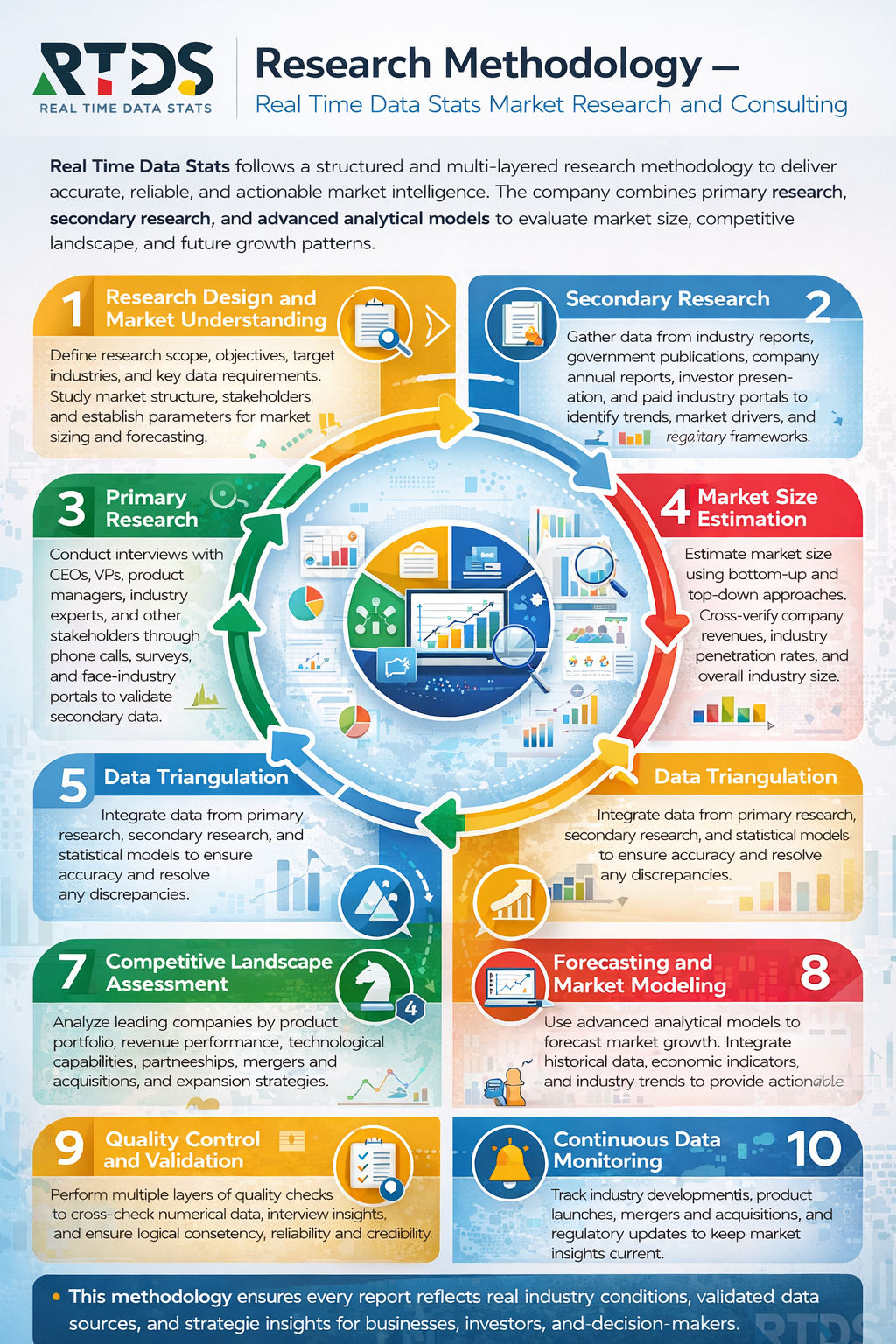
Research Methodology
- Primary research approach
- Secondary research sources
- Data triangulation methodology
- Market size estimation framework
- Assumptions and limitations
Executive Summary
- Market snapshot
- Key growth highlights
- Major technology trends
- Competitive intensity overview
- Strategic recommendations
Market Overview
- Market dynamics overview
- Growth drivers
- Market restraints
- Emerging opportunities
- Key challenges and risk factors
Technology Landscape
- Overview of bioelectronic drug delivery technologies
- Electrical nerve stimulation systems
- Closed-loop bioelectronic platforms
- MEMS-based delivery systems
- Wireless and remote-controlled systems
- Smart sensing and feedback mechanisms
Bioelectronic Drug Delivery Market Segmentation Analysis
- By Type
- Implantable devices
- Wearable devices
- Ingestible devices
- Injectable bioelectronic systems
- Patch-based devices
- Hybrid bioelectronic platforms
- By Application
- Chronic pain management
- Neurological disorders
- Cardiovascular diseases
- Gastrointestinal disorders
- Metabolic disorders
- Inflammatory diseases
- By Component
- Electrodes
- Microcontrollers
- Power sources
- Sensors
- Drug reservoirs
- Software and control units
- By Technology
- Electrical nerve stimulation
- Neurostimulation systems
- Wireless power transmission
- MEMS technology
- Closed-loop systems
- Smart bioelectronic interfaces
- By Route of Administration
- Neural pathways
- Transdermal route
- Implant-based localized delivery
- Gastrointestinal route
- Intracranial route
- Peripheral nerve route
- By Therapeutic Area
- Pain management
- Epilepsy
- Parkinson’s disease
- Hypertension
- Diabetes
- Autoimmune disorders
- By End User
- Hospitals
- Specialty clinics
- Ambulatory surgical centers
- Research institutes
- Home care settings
- Pharmaceutical companies
- By Device Type
- Neurostimulators
- Pacemaker-like devices
- Smart implants
- Capsule-based systems
- Bioelectronic patches
- External controllers
- By Modality
- Vagus nerve stimulation
- Spinal cord stimulation
- Deep brain stimulation
- Peripheral nerve stimulation
- Sacral nerve stimulation
- Electromodulation therapy
Regional Market Analysis
- North America market insights
- Europe market insights
- Asia Pacific market insights
- Latin America market insights
- Middle East market insights
- Africa market insights
Competitive Landscape
- Market share analysis
- Competitive positioning matrix
- Strategic initiatives overview
- Mergers and acquisitions
- Partnerships and collaborations
Company Profiles
- Business overview
- Product portfolio
- Technology focus
- Financial performance overview
- Strategic developments
Regulatory and Policy Framework
- Global regulatory landscape
- Approval pathways
- Compliance requirements
- Ethical considerations
- Reimbursement scenario
Future Outlook
- Innovation roadmap
- Adoption trends
- Investment opportunities
- Long-term market potential
- Disruptive technology impact
Conclusion
- Key findings summary
- Strategic insights
- Market outlook synthesis
Appendix
- Abbreviations and acronyms
- Research assumptions
- Data sources
- Methodological notes
List of Tables
- Table:1: Bioelectronic Drug Delivery Market Overview
- Table:2: Market Size Estimation Methodology
- Table:3: Value Chain Analysis
- Table:4: Market Dynamics Impact Assessment
- Table:5: Segmentation by Type
- Table:6: Segmentation by Application
- Table:7: Segmentation by Component
- Table:8: Segmentation by Technology
- Table:9: Segmentation by Route of Administration
- Table:10: Segmentation by Therapeutic Area
- Table:11: Segmentation by End User
- Table:12: Segmentation by Device Type
- Table:13: Segmentation by Modality
- Table:14: Regional Market Comparison
- Table:15: Competitive Landscape Summary
List of Figures
- Figure:1: Bioelectronic Drug Delivery Market Ecosystem
- Figure:2: Research Methodology Framework
- Figure:3: Market Dynamics Interaction Model
- Figure:4: Technology Evolution Timeline
- Figure:5: Market Segmentation Overview
- Figure:6: Type-wise Market Distribution
- Figure:7: Application-wise Market Distribution
- Figure:8: Component-wise Market Share
- Figure:9: Technology Adoption Trends
- Figure:10: Regional Market Share Analysis
- Figure:11: Competitive Positioning Matrix
- Figure:12: Strategic Development Landscape
- Figure:13: Regulatory Framework Overview
- Figure:14: Future Opportunity Map
- Figure:15: Market Outlook and Growth Path
Bioelectronic Drug Delivery Market Key Factors
Drivers:
- Rising chronic disease prevalence increases demand for targeted therapies.
- Technological advances in miniaturization and biomaterials enhance device performance.
- Growing investment from pharmaceutical and medical device companies accelerates R&D.
Restraints:
- High device and development costs limit widespread adoption.
- Stringent regulatory pathways delay product commercialization.
- Unproven long-term safety and efficacy data create clinical hesitancy.
Opportunities:
- Expanding applications into neurology and autoimmune diseases open new markets.
- Integration with AI and IoT enables personalized, adaptive treatment protocols.
- Emerging markets offer significant growth potential due to improving healthcare infrastructure.
Challenges:
- Achieving seamless biological-electrical interfacing poses significant engineering hurdles.
- Cybersecurity risks threaten connected implantable systems.
- Reimbursement uncertainty creates barriers for market entry and patient access.
Bioelectronic Drug Delivery Market Key Regional Trends
North America:
- Strong venture capital funding fuels early-stage innovation and start-ups.
- Strategic alliances between tech giants and biopharma firms dominate the landscape.
- The FDA's proactive regulatory guidance shapes early market frameworks.
Europe:
- Public-private partnerships prioritize chronic disease management solutions.
- Stringent GDPR rules drive focus on robust data security for connected devices.
- Cross-border consortiums accelerate translational research from lab to clinic.
Asia-Pacific:
- Governments actively invest in national bioelectronics research initiatives.
- Local manufacturing growth reduces device costs and improves accessibility.
- Rising medical tourism for advanced treatments stimulates clinical adoption.
Rest of the World:
- Focus centers on pilot programs for cost-effective, essential therapy delivery.
- Healthcare infrastructure development enables first-generation technology adoption.
- Partnerships with global entities address region-specific disease burdens.
Frequently Asked Questions
Key Questions Answered
- What is the size and growth rate of the market industry?
- What are the main drivers influencing market growth trends?
- What are the key challenges and restraints faced by the market?
- What are the emerging trends and opportunities shaping the market?
- Who are the top players, and what strategies drive their success?
- What are the customer demographics and their buying behaviors?
- What are the key market segments, and what is their scope?
- What are the geographical dynamics, and which region dominates?
- What are the market forecasts and projections for the next decade?
- What regulatory factors are critical to consider for market growth?
Why Choose our Company?
- Major facts and stats backing every report we offer.
- Comprehensive analysis tailored to your business needs.
- Accurate insights backed by extensive market research.
- Expert support to address your queries promptly.
- Data-driven strategies for better decision-making.
- In-depth reports with actionable
recommendations. - Reliable statistics from trusted industry
sources. - Customizable reports to suit your specific goals.
- Unmatched quality and precision in market analysis.
- Competitive pricing with premium content delivery.
Share your experience!
We value you feedback. Please take a moment to review your experience with us.