
The global Bioelectronic Brain Mapping Market size was valued at USD 380 million in 2025 and is projected to expand at a compound annual growth rate (CAGR) of 13.8% during the forecast period, reaching a value of USD 940 million by 2033.
MARKET SIZE AND SHARE
The global bioelectronic brain mapping market is propelled by the rising prevalence of neurological disorders and continuous technological innovation. The sector is shifting from a niche research field to a widely adopted diagnostic and therapeutic tool. Market share remains concentrated among established medical device companies and emerging startups that develop high-density neural interfaces and advanced analytics platforms.
Growth is further supported by increasing research funding and the integration of artificial intelligence for improved data interpretation. Market share will gradually evolve as minimally invasive implants and wearable neuro-sensing devices capture larger adoption. Strategic collaborations between biotechnology firms and computing technology providers will reshape competition, strengthening companies that deliver integrated, closed-loop systems for both brain mapping and neuromodulation applications.
INDUSTRY OVERVIEW AND STRATEGY
The bioelectronic brain mapping industry integrates neuroscience, engineering, and data science to visualize and interpret neural activity. It serves critical roles in neurosurgery planning, neurological research, and developing closed-loop neuromodulation therapies for conditions like epilepsy and Parkinson’s. The landscape is characterized by rapid technological convergence, where advancements in microfabrication, signal processing, and machine learning continuously redefine the capabilities and applications of neural interfacing and mapping systems.
Core competitive strategies revolve around proprietary sensor technology, algorithmic superiority, and achieving regulatory clearances for clinical use. Leading players prioritize vertical integration, controlling hardware, software, and data analytics. Simultaneously, a key strategic focus is forming collaborative ecosystems with academic research institutes and pharmaceutical companies to validate new biomarkers and therapeutic endpoints, thereby expanding market applications beyond diagnostics into personalized treatment and drug development.
REGIONAL TRENDS AND GROWTH
North America holds the largest market share, driven by substantial R&D investment, advanced healthcare infrastructure, and a high concentration of leading research universities and companies. Europe follows, with strong academic initiatives and supportive regulatory frameworks for medical devices. The Asia-Pacific region is identified as the fastest-growing market, fueled by increasing healthcare expenditure, rising awareness, and government initiatives aimed at addressing the burden of neurological diseases within its vast population bases.
Primary growth drivers include the rising global burden of brain disorders, technological advancements yielding higher-resolution maps, and increasing adoption in cognitive neuroscience research. Significant restraints are high device costs, regulatory hurdles, and data privacy concerns. Opportunities lie in miniaturization, cloud-based analytics, and expanding into therapeutic neuromodulation. Key challenges involve the biological complexity of neural data, the need for long-term implant stability, and the requirement for multidisciplinary expertise to commercialize innovations effectively.
BIOELECTRONIC BRAIN MAPPING MARKET SEGMENTATION ANALYSIS
BY TYPE:
Invasive brain mapping systems and implantable bioelectronic devices dominate this segment due to their superior signal precision and ability to capture deep cortical activity that non-invasive tools cannot easily access. These systems are widely used in advanced neurosurgeries and epilepsy localization procedures where accuracy is critical. Semi-invasive systems are also gaining traction because they balance risk and performance, offering clinicians reliable neural data while reducing surgical complexity and recovery time compared to fully invasive alternatives.
Non-invasive brain mapping systems, wearable brain mapping devices, and hybrid bioelectronic platforms are rapidly expanding because of growing consumer healthcare awareness and demand for safer diagnostic options. Wearables especially benefit from portability, remote monitoring capabilities, and integration with AI analytics. Hybrid platforms combine electrical, magnetic, and optical sensing, enabling multidimensional analysis. Their dominance is driven by increasing research funding, technological miniaturization, and the shift toward preventive neurological health management.
BY APPLICATION:
Neurological disorder diagnosis and neurodegenerative disease research represent the most dominant applications due to the rising prevalence of conditions such as Alzheimer’s, Parkinson’s, and epilepsy worldwide. Hospitals and research centers heavily invest in mapping technologies to improve early detection accuracy and treatment planning. Cognitive function assessment is also expanding as aging populations increase demand for memory and attention evaluation tools, strengthening the clinical importance of this application segment.
Brain–computer interface development and mental health monitoring are emerging as strong growth drivers fueled by advances in AI, robotics, and digital therapeutics. Pain and sensory processing analysis is gaining momentum within rehabilitation and prosthetic innovation. These applications benefit from interdisciplinary collaboration between neuroscience, engineering, and software analytics, enabling broader adoption. Increased funding in neurotechnology startups and government-backed innovation programs significantly accelerates expansion across these emerging application domains.
BY TECHNOLOGY:
Electroencephalography-based mapping and magnetoencephalography-based mapping dominate because they provide non-invasive, high-resolution neural signal detection suitable for both clinical and research environments. EEG remains cost-effective and widely accessible, while MEG offers superior spatial accuracy, making it valuable for surgical planning. Their dominance is reinforced by established regulatory approvals, long-standing clinical validation, and continuous hardware improvements that enhance signal clarity and patient comfort.
Electrocorticography, neural microelectrode arrays, optogenetic bioelectronic mapping, and multimodal neural signal integration represent high-precision, innovation-driven technologies. These are particularly dominant in advanced research and experimental neuroscience. Multimodal integration is rapidly expanding because it combines electrical, optical, and biochemical signals into unified datasets, improving analytical accuracy. Increased funding in brain simulation projects and neural engineering accelerates adoption, positioning these technologies as future pillars of precision neuro-mapping ecosystems.
BY COMPONENT:
Bioelectronic sensors and signal acquisition modules form the backbone of the market as they directly determine data quality and measurement accuracy. Continuous improvements in sensitivity, miniaturization, and noise reduction technologies strengthen their dominance. Healthcare providers prioritize high-quality acquisition systems to ensure diagnostic reliability, while research institutions invest in customizable modules that allow multi-channel recording and enhanced experimental flexibility, reinforcing sustained demand across clinical and academic settings.
Software and analytics platforms, data processing units, power management components, and connectivity modules drive the digital transformation of brain mapping solutions. Advanced AI-driven analytics enable predictive modeling and real-time visualization, increasing their importance. Efficient power management extends wearable and implantable device life cycles, while connectivity modules support cloud-based monitoring. These components dominate because modern neurotechnology increasingly depends on seamless data flow, computational efficiency, and remote accessibility.
BY END USER:
Hospitals, clinics, and research laboratories dominate due to their direct involvement in diagnostics, surgeries, and neurological trials. These institutions possess the infrastructure and skilled professionals required to operate complex bioelectronic systems. Academic and neuroscience institutes also contribute significantly by driving innovation through grants and collaborative studies, ensuring a steady demand for advanced mapping technologies and establishing them as primary adoption centers.
Pharmaceutical and biotech companies, defense organizations, and brain–computer interface developers are rapidly expanding user groups. Pharmaceutical firms rely on neural mapping for drug efficacy testing, while defense sectors explore cognitive performance monitoring and human–machine integration. BCI developers fuel commercialization through assistive communication and prosthetic control innovations. Their dominance is supported by substantial funding, strategic partnerships, and increasing interest in neuro-enhancement and human performance optimization technologies.
BY MODE OF OPERATION:
Real-time brain mapping and continuous monitoring systems lead this segment because they provide instant neural feedback essential for surgeries, rehabilitation, and neurofeedback therapies. Healthcare professionals favor these modes for their ability to detect abnormalities immediately and support adaptive treatment strategies. Continuous monitoring is particularly valuable in epilepsy and sleep disorder management, reinforcing its clinical significance and widespread adoption.
Offline neural data analysis, event-triggered mapping, closed-loop bioelectronic systems, and remote monitoring are gaining dominance due to advancements in cloud computing and AI analytics. Closed-loop systems stand out by automatically adjusting stimulation based on neural responses, improving therapeutic outcomes. Remote monitoring benefits telemedicine growth and wearable device integration, enabling decentralized healthcare delivery and increasing accessibility in underserved regions.
BY INVASIVENESS LEVEL:
Fully invasive and minimally invasive systems dominate high-precision medical procedures where deep neural access is necessary. Fully invasive devices offer unmatched accuracy for epilepsy and tumor localization, while minimally invasive systems reduce surgical risks and recovery time. Their dominance is sustained by continuous improvements in surgical robotics, biocompatible materials, and regulatory approvals that enhance safety and clinician confidence.
Non-invasive external systems, temporary implants, long-term implants, and surface-level neural interfaces are expanding rapidly because of patient preference for safer alternatives and long-term usability. Surface-level interfaces support wearable innovation, while long-term implants are crucial for chronic neurological management. Their growth is driven by technological miniaturization, wireless power solutions, and increased insurance coverage supporting long-duration neuro-therapeutic applications.
BY DATA TYPE:
Electrical and magnetic neural signals dominate due to their reliability, established measurement frameworks, and compatibility with mainstream EEG and MEG systems. These signals provide consistent temporal resolution, making them essential for clinical diagnostics and cognitive studies. Hospitals and research centers prioritize these data types because standardized protocols and interpretability enable faster clinical decision-making and cross-institutional research collaboration.
Optical, biochemical, multisignal datasets, and time-series brain activity data are increasingly influential as neuroscience shifts toward comprehensive neural profiling. Multisignal datasets enable cross-validation of neural patterns, improving analytical depth. Optical and biochemical signals support cellular-level exploration, while time-series analysis enhances predictive modeling. Their dominance is strengthened by AI integration, big data analytics, and interdisciplinary research efforts focusing on holistic brain function understanding.
BY AGE GROUP:
Adult and geriatric populations dominate the market due to higher incidences of neurodegenerative diseases, stroke, and cognitive decline. Healthcare providers focus on these age groups for diagnostic imaging, rehabilitation planning, and long-term monitoring. Increasing life expectancy and rising awareness about mental health screening significantly contribute to the sustained demand for brain mapping technologies among older demographics.
Pediatric, adolescent, mixed-age research cohorts, and disease-specific age groups are growing segments driven by developmental neuroscience and early intervention strategies. Pediatric mapping is crucial for detecting congenital neurological conditions, while adolescent studies focus on behavioral and cognitive development. Mixed-age cohorts enable comparative research, and disease-specific segmentation enhances targeted therapy development, collectively expanding the market’s demographic reach and research diversity.
RECENT DEVELOPMENTS
- In Jan 2024: Blackrock Neurotech partnered with a major research hospital to launch a pivotal trial for its implantable Utah Array, targeting restoration of motor function in paralyzed patients through real-time brain mapping.
- In May 2024: Neuralink received FDA approval for its second human implant trial, focusing on precise neural mapping for its N1 device to enable computer control for individuals with quadriplegia.
- In Sep 2024: Synchron announced successful long-term safety data from its Stentrode® brain-computer interface trial, demonstrating stable high-fidelity brain signal mapping in patients for over a year.
- In Nov 2024: Precision Neuroscopics, a startup, unveiled a novel non-invasive optical brain mapping system, claiming a significant leap in spatial resolution for diagnosing neurological disorders.
- In Feb 2025: Medtronic received CE Mark approval for its next-generation deep brain sensing technology, enabling advanced brain mapping to personalize therapy for Parkinson's disease patients.
KEY PLAYERS ANALYSIS
- Blackrock Neurotech
- Neuralink
- Synchron
- Medtronic
- NeuroPace
- Boston Scientific
- Abbott Laboratories
- Precision Neuroscopics
- Paradromics
- Kernel
- Cognionics
- Neuros Medical
- Biotronik
- CorTec GmbH
- NeuroSky
- EMOTIV
- tec medical engineering
- Ripple Neuro
- Inbrain Neuroelectronics
- NEURALINK
Bioelectronic Brain Mapping Market Segmentation Analysis
By Type:
- Invasive brain mapping systems
- Semi-invasive brain mapping systems
- Non-invasive brain mapping systems
- Implantable bioelectronic devices
- Wearable brain mapping devices
- Hybrid bioelectronic platforms
By Application:
- Neurological disorder diagnosis
- Cognitive function assessment
- Brain–computer interface development
- Neurodegenerative disease research
- Mental health monitoring
- Pain and sensory processing analysis
By Technology:
- Electroencephalography-based mapping
- Magnetoencephalography-based mapping
- Electrocorticography-based mapping
- Neural microelectrode arrays
- Optogenetic bioelectronic mapping
- Multimodal neural signal integration
By Component:
- Bioelectronic sensors
- Signal acquisition modules
- Data processing units
- Software and analytics platforms
- Power management components
- Connectivity and interface modules
By End User:
- Hospitals and clinics
- Research laboratories
- Academic and neuroscience institutes
- Pharmaceutical and biotech companies
- Defense and security organizations
- Brain–computer interface developers
By Mode of Operation:
- Real-time brain mapping
- Offline neural data analysis
- Continuous monitoring systems
- Event-triggered mapping systems
- Closed-loop bioelectronic systems
- Remote brain signal monitoring
By Invasiveness Level:
- Fully invasive systems
- Minimally invasive systems
- Non-invasive external systems
- Temporary implant systems
- Long-term implant systems
- Surface-level neural interfaces
By Data Type:
- Electrical neural signals
- Magnetic neural signals
- Optical neural signals
- Biochemical neural signals
- Multisignal neural datasets
- Time-series brain activity data
By Age Group:
- Pediatric population
- Adolescent population
- Adult population
- Geriatric population
- Mixed-age research cohorts
- Disease-specific age groups
By Geography:
- North America (USA, Canada, Mexico)
- Europe (UK, Germany, France, Italy, Spain, Rest of Europe)
- Asia-Pacific (China, Japan, Australia, South Korea, India, Rest of Asia-Pacific)
- South America (Brazil, Argentina, Rest of South America)
- Middle East and Africa (GCC Countries, South Africa, Rest of MEA)
Bioelectronic Brain Mapping Market: Table of Contents
Executive Summary
- Market Snapshot
- Key Findings
- Strategic Insights
Introduction
- Market Definition
- Market Scope
- Study Objectives
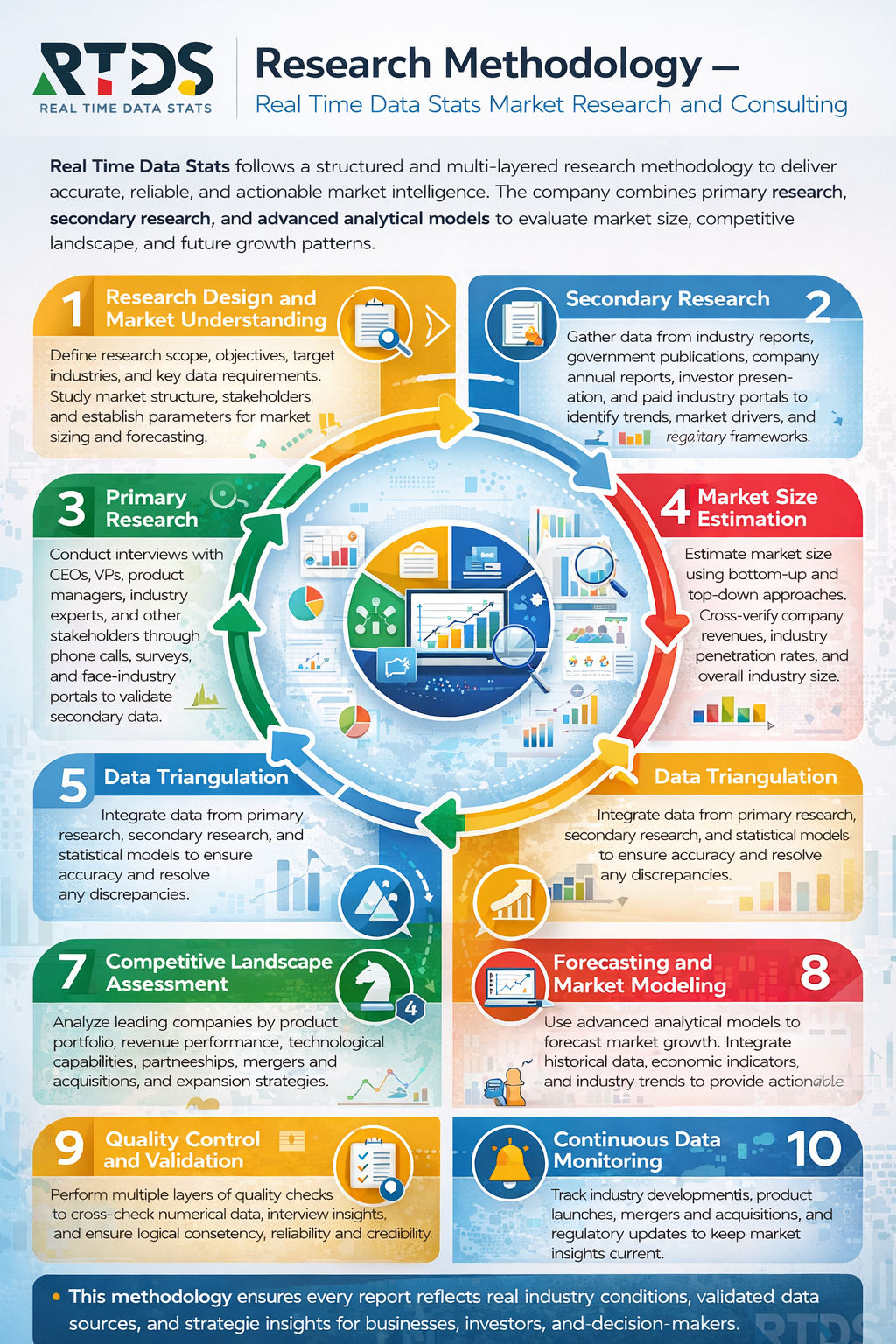
Research Methodology
- Primary Research Approach
- Secondary Research Sources
- Data Triangulation Method
- Assumptions and Limitations
Market Overview
- Industry Background
- Bioelectronic Brain Mapping Ecosystem
- Value Chain Analysis
- Regulatory and Policy Framework
- Global Regulatory Standards
- Ethical and Compliance Considerations
- Approval Pathways
Technology Landscape
- Evolution of Bioelectronic Brain Mapping
- Current Technology Platforms
- Emerging and Future Technologies
Market Dynamics
- Drivers
- Restraints
- Opportunities
- Challenges
Bioelectronic Brain Mapping Market Segmentation
- By Type
- Invasive brain mapping systems
- Semi-invasive brain mapping systems
- Non-invasive brain mapping systems
- Implantable bioelectronic devices
- Wearable brain mapping devices
- Hybrid bioelectronic platforms
- By Application
- Neurological disorder diagnosis
- Cognitive function assessment
- Brain–computer interface development
- Neurodegenerative disease research
- Mental health monitoring
- Pain and sensory processing analysis
- By Technology
- Electroencephalography-based mapping
- Magnetoencephalography-based mapping
- Electrocorticography-based mapping
- Neural microelectrode arrays
- Optogenetic bioelectronic mapping
- Multimodal neural signal integration
- By Component
- Bioelectronic sensors
- Signal acquisition modules
- Data processing units
- Software and analytics platforms
- Power management components
- Connectivity and interface modules
- By End User
- Hospitals and clinics
- Research laboratories
- Academic and neuroscience institutes
- Pharmaceutical and biotech companies
- Defense and security organizations
- Brain–computer interface developers
- By Mode of Operation
- Real-time brain mapping
- Offline neural data analysis
- Continuous monitoring systems
- Event-triggered mapping systems
- Closed-loop bioelectronic systems
- Remote brain signal monitoring
- By Invasiveness Level
- Fully invasive systems
- Minimally invasive systems
- Non-invasive external systems
- Temporary implant systems
- Long-term implant systems
- Surface-level neural interfaces
- By Data Type
- Electrical neural signals
- Magnetic neural signals
- Optical neural signals
- Biochemical neural signals
- Multisignal neural datasets
- Time-series brain activity data
- By Age Group
- Pediatric population
- Adolescent population
- Adult population
- Geriatric population
- Mixed-age research cohorts
- Disease-specific age groups
Regional Market Analysis
- North America Market Outlook
- Europe Market Outlook
- Asia Pacific Market Outlook
- Latin America Market Outlook
- Middle East & Africa Market Outlook
Competitive Landscape
- Market Share Analysis
- Competitive Benchmarking
- Company Profiling Overview
- Strategic Initiatives and Developments
Future Outlook
- Market Forecast Analysis
- Technology Adoption Trends
- Strategic Growth Opportunities
Conclusion
- Summary of key market insights
- Strategic implications for stakeholders
- Long-term market outlook
Appendix
- Abbreviations and acronyms
- Research assumptions
- Data sources and references
List of Tables
- Table:1: Bioelectronic Brain Mapping Market Overview
- Table:2: Market Segmentation by Type
- Table:3: Market Segmentation by Application
- Table:4: Market Segmentation by Technology
- Table:5: Market Segmentation by Component
- Table:6: Market Segmentation by End User
- Table:7: Market Segmentation by Mode of Operation
- Table:8: Market Segmentation by Invasiveness Level
- Table:9: Market Segmentation by Data Type
- Table:10: Market Segmentation by Age Group
- Table:11: Regional Market Breakdown
- Table:12: Market Dynamics Impact Analysis
- Table:13: Competitive Landscape Analysis
- Table:14: Strategic Developments Overview
- Table:15: Market Forecast Summary
List of Figures
- Figure:1: Bioelectronic Brain Mapping Market Ecosystem
- Figure:2: Market Segmentation Framework
- Figure:3: Value Chain Analysis
- Figure:4: Technology Evolution Roadmap
- Figure:5: Market Dynamics Structure
- Figure:6: Regional Market Share Distribution
- Figure:7: North America Market Analysis
- Figure:8: Europe Market Analysis
- Figure:9: Asia Pacific Market Analysis
- Figure:10: Latin America Market Analysis
- Figure:11: Middle East & Africa Market Analysis
- Figure:12: Competitive Landscape Matrix
- Figure:13: Investment and Funding Flow
- Figure:14: Strategic Growth Opportunities
- Figure:15: Future Market Outlook
Bioelectronic Brain Mapping Market Key Factors
Drivers
- Accelerate neuroscience research through high-resolution neural signal capture
- Expand clinical adoption for precise diagnosis of neurological disorders
- Strengthen funding support from government and private research bodies
Restraints
- Limit adoption due to high device and integration costs
- Face regulatory delays for invasive and semi-invasive systems
- Encounter data privacy concerns in neural signal management
Opportunities
- Enable personalized neurotherapies using real-time brain data
- Support brain–computer interface development across healthcare and defense
- Unlock demand from aging populations with rising neurodegenerative cases
Challenges
- Manage technical complexity in long-term neural signal stability
- Address ethical concerns around neural data usage
- Require skilled professionals for system operation and analysis
Bioelectronic Brain Mapping Market Key Regional Trends
North America
- Lead innovation through advanced neurotechnology research hubs
- Increase clinical trials integrating AI-driven brain mapping
- Expand commercialization via strong startup and investor ecosystems
Europe
- Emphasize ethical frameworks for neurodata protection
- Promote cross-border academic and clinical collaborations
- Support adoption through public healthcare research funding
Asia Pacific
- Accelerate growth through rising neuroscience investments
- Adopt cost-efficient bioelectronic platforms in research institutes
- Expand applications in mental health and cognitive studies
Latin America
- Gradually integrate brain mapping in academic neuroscience programs
- Increase partnerships with global medical device firms
- Focus on affordable, non-invasive mapping solutions
Middle East & Africa
- Invest in advanced medical research infrastructure
- Pilot bioelectronic brain studies in specialized hospitals
- Rely on international collaborations to build technical expertise
Frequently Asked Questions
Key Questions Answered
- What is the size and growth rate of the market industry?
- What are the main drivers influencing market growth trends?
- What are the key challenges and restraints faced by the market?
- What are the emerging trends and opportunities shaping the market?
- Who are the top players, and what strategies drive their success?
- What are the customer demographics and their buying behaviors?
- What are the key market segments, and what is their scope?
- What are the geographical dynamics, and which region dominates?
- What are the market forecasts and projections for the next decade?
- What regulatory factors are critical to consider for market growth?
Why Choose our Company?
- Major facts and stats backing every report we offer.
- Comprehensive analysis tailored to your business needs.
- Accurate insights backed by extensive market research.
- Expert support to address your queries promptly.
- Data-driven strategies for better decision-making.
- In-depth reports with actionable
recommendations. - Reliable statistics from trusted industry
sources. - Customizable reports to suit your specific goals.
- Unmatched quality and precision in market analysis.
- Competitive pricing with premium content delivery.
Share your experience!
We value you feedback. Please take a moment to review your experience with us.