
According to insights from Real Time Data Stats, the Bioelectronic Bandages Market was valued at USD 0.33 billion in 2025. It is expected to grow from USD 0.41 billion in 2026 to USD 1.80 billion by 2033, registering a CAGR of 23.5% during the forecast period (2026–2033).
MARKET SIZE AND SHARE
The bioelectronic bandages market is experiencing strong growth, driven by the rising global incidence of chronic wounds such as diabetic foot ulcers, pressure ulcers, and venous leg ulcers. Market share is currently dominated by North American innovators due to advanced healthcare infrastructure and strong research activity. However, the Asia-Pacific region is expected to gain a larger share during the forecast period, supported by increasing healthcare investments, growing patient populations, and expanding access to advanced wound care technologies.
Market expansion is closely linked to ongoing technological advancements and increasing clinical validation of bioelectronic wound management solutions. Leading companies are strengthening their market positions through strategic partnerships, product innovation, and robust intellectual property portfolios focused on smart sensors and wireless connectivity. As reimbursement frameworks improve and manufacturing capabilities scale, disposable single-use bioelectronic bandages are expected to capture a growing share of the advanced wound care market, further intensifying competition among key players.
INDUSTRY OVERVIEW AND STRATEGY
The bioelectronic bandages industry merges advanced wound care with digital health, creating smart medical devices that actively monitor and accelerate healing. This sector is characterized by high R&D intensity and collaboration between biomedical engineers, material scientists, and data analysts. The core strategy for incumbents involves continuous product iteration to enhance accuracy, miniaturization, and user-friendliness while navigating stringent regulatory approvals from bodies like the FDA and EMA to ensure safety and efficacy.
Competitive strategy hinges on vertical integration and ecosystem development. Leading firms are focusing on proprietary bio-sensing technologies and cloud-based data analytics platforms to create closed-loop systems. Strategic moves include securing patents for novel conductive hydrogels, forming alliances with large healthcare providers for clinical trials, and pursuing pilot programs within integrated health networks to demonstrate cost-effectiveness and improved patient outcomes, thereby driving adoption.
Analyst Key Takeaways:
The Bioelectronic Bandages Market is emerging as one of the most innovative segments within advanced wound care, driven by the integration of biosensors, wireless connectivity, and electrical stimulation technologies into traditional wound management solutions. Growing demand for real-time wound monitoring, personalized treatment approaches, and improved healing outcomes is accelerating adoption across hospitals, specialty clinics, and home healthcare settings. The convergence of bioelectronics and smart wound care is enabling more proactive and data-driven patient management.
A key trend shaping the market is the increasing focus on chronic wound treatment, particularly for diabetic ulcers, pressure injuries, and post-surgical wounds. Advances in flexible electronics, miniaturized sensors, and wearable medical devices are enhancing the functionality and clinical value of bioelectronic bandages. Additionally, ongoing research collaborations between healthcare providers, medical device manufacturers, and biotechnology companies are supporting product innovation and expanding the commercial potential of next-generation wound care technologies.
REGIONAL TRENDS AND GROWTH
North America leads in adoption, driven by advanced healthcare infrastructure, high diabetes prevalence, and favorable reimbursement frameworks. Europe follows, with strong growth underpinned by supportive government initiatives for advanced therapeutics. The Asia-Pacific region emerges as the fastest-growing market, fueled by increasing healthcare expenditure, a large patient pool, and rising medical tourism, particularly in nations like China, India, and South Korea, which are aggressively investing in digital health infrastructure.
Primary growth drivers include the global aging population, rising diabetes rates, and a shift towards personalized medicine. Key restraints are high product costs and complex regulatory hurdles. Significant opportunities lie in expanding into home-care settings and integrating artificial intelligence for predictive analytics. However, challenges persist, including data privacy concerns, the need for clinical validation, and ensuring affordability and accessibility in low- and middle-income regions to unlock full market potential.
BIOELECTRONIC BANDAGES MARKET SEGMENTATION ANALYSIS
BY TYPE:
Wearable bioelectronic bandages dominate due to their non-invasive nature and compatibility with remote patient monitoring trends. Healthcare systems increasingly prefer solutions that allow continuous wound assessment without hospital stays, and wearable formats align perfectly with home healthcare expansion and aging populations. Meanwhile, smart sensor-integrated and wireless connected bandages are accelerating growth because clinicians want real-time wound condition data such as moisture, pH, and temperature, enabling early intervention and reducing complications. The push toward value-based care strongly supports these tech-enabled formats.
On the other hand, implantable bioelectronic bandages gain traction in severe and surgical wound cases where deep-tissue stimulation is required for faster regeneration. Their adoption is driven by advanced surgical procedures and complex trauma management. Disposable bandages remain dominant in high-volume clinical environments because they reduce infection risks and simplify workflow, while reusable variants grow steadily in long-term therapy scenarios where cost efficiency and sustainability matter. Infection control protocols and cost pressures are the key forces separating disposable and reusable demand patterns.
BY APPLICATION:
Chronic wound management leads the market due to the global rise in diabetes, vascular diseases, and aging populations. These wounds require prolonged monitoring and stimulation, making bioelectronic bandages more effective than traditional dressings. Diabetic ulcer care forms a major subsegment because delayed healing in diabetic patients creates strong demand for electrical stimulation and sensor monitoring technologies that prevent amputations and hospitalizations.
Meanwhile, acute wound care and surgical wound healing drive hospital adoption as clinicians seek faster recovery times and reduced post-operative complications. Bioelectronic stimulation enhances tissue repair, which is a key differentiator in surgical recovery protocols. Burn treatment and pressure ulcer management are also strong growth areas due to the need for precise moisture control and infection monitoring. In these cases, real-time sensing and controlled electrical stimulation significantly improve healing outcomes, making advanced bandages more attractive than conventional methods.
BY TECHNOLOGY:
Electrical stimulation technology remains the backbone of the market, as clinical evidence supports its ability to accelerate tissue regeneration and improve blood flow. Hospitals and wound specialists prioritize this technology because it directly influences healing speed. Microcurrent systems are gaining attention as a refined version of this approach, offering controlled, low-level stimulation that enhances patient comfort and safety.
At the same time, biosensor integration and AI-enabled systems represent the fastest-growing technological layer. Sensors provide real-time wound condition tracking, while AI analyzes healing trends and predicts complications, enabling proactive care. Flexible electronics and nanotechnology-enabled systems support this transformation by making bandages thinner, more comfortable, and capable of conforming to body contours. These material and design advances are crucial in long-term patient adherence and wearable comfort.
BY MATERIAL:
Hydrogel-based materials dominate because they maintain a moist healing environment while being compatible with embedded electronics. Their biocompatibility and flexibility make them ideal for chronic wound treatment. Foam-based and silicone-based materials are widely used in exudate-heavy wounds, where absorption and cushioning are critical, particularly in pressure ulcers and burns.
Meanwhile, biopolymer-based and nanofiber-based materials represent the innovation frontier. These materials support drug delivery, antimicrobial properties, and enhanced tissue integration, aligning with the shift toward multifunctional bandages. Fabric and textile-based materials are growing within wearable formats due to their breathability and comfort, especially for long-duration use in home healthcare settings.
BY END USER:
Hospitals hold the largest share due to high volumes of surgical and chronic wound cases, as well as better access to advanced medical technologies. Clinical validation and reimbursement pathways also develop faster in hospital environments. Clinics and ambulatory surgical centers (ASCs) are expanding their role as minimally invasive procedures increase, creating demand for post-procedure wound monitoring solutions.
Home healthcare is the fastest-growing end-user segment, driven by aging populations, telehealth adoption, and cost reduction strategies that shift care outside hospitals. Rehabilitation centers adopt these bandages to support long-term recovery in mobility-impaired patients. Military and defense medical units represent a specialized but important segment where rapid wound stabilization and portable monitoring are critical in field conditions.
BY CONNECTIVITY:
Bluetooth-enabled and smartphone-integrated bandages lead due to their ease of use and compatibility with existing mobile health ecosystems. These solutions allow patients and clinicians to monitor wound progress remotely, aligning with telemedicine expansion. Cloud-connected systems further enhance this by enabling centralized data storage, analytics, and multi-patient monitoring in clinical networks.
Wi-Fi-connected bandages are more common in hospital settings where stable networks support continuous monitoring. Meanwhile, NFC and RFID-enabled systems serve niche but important roles in wound identification, treatment tracking, and hospital inventory management. These technologies improve workflow efficiency rather than direct clinical outcomes.
BY DISTRIBUTION CHANNEL:
Hospital pharmacies and medical device distributors dominate due to the technical nature of bioelectronic bandages and the need for clinical training and integration support. Bulk procurement contracts and institutional purchasing agreements strongly influence this segment.
However, online pharmacies and e-commerce platforms are emerging channels, particularly for wearable and home-use variants. Growth here is tied to telehealth prescriptions and patient self-management trends. Retail pharmacies play a secondary role, mainly in less complex or physician-recommended products, while direct sales remain crucial for manufacturers targeting hospitals and specialty wound care centers.
BY PATIENT GROUP:
Geriatric patients represent the largest segment due to slower healing rates, higher prevalence of chronic wounds, and mobility limitations that benefit from remote monitoring. Diabetic patients form another dominant group because of the global diabetes burden and high incidence of foot ulcers requiring advanced wound care.
Post-surgical and trauma patients drive hospital-based demand, especially where enhanced healing speed reduces complication rates. Adult patients remain the broadest user base, while pediatric applications are smaller but growing as flexible, non-invasive designs improve safety and comfort for younger patients.
BY COMPONENT:
Sensors and monitoring software are the core value drivers because they enable real-time wound assessment and data-based clinical decisions. As healthcare shifts toward digital monitoring, these components differentiate bioelectronic bandages from traditional dressings. Microcontrollers support data processing and wireless communication, making them central to smart bandage functionality.
Power sources and conductive electrodes are equally critical, as they determine stimulation efficiency and device longevity. Advances in miniaturized, flexible batteries and energy-efficient circuits directly influence usability. Meanwhile, adhesive layers play a surprisingly important role by ensuring secure placement without skin damage, especially in long-term wound care scenarios.
RECENT DEVELOPMENTS
- In Jan 2024: Vomaris Innovations partnered with a major defense research agency to advance its proprietary bioelectric FDA-cleared wound dressing technology for enhanced tissue regeneration in critical injuries.
- In Mar 2024: Grapheal, a French innovator, announced positive clinical results for its graphene-based smart bandage, Test'n Patch, which actively monitors chronic wound biomarkers in real-time.
- In Jun 2024: Researchers at Northwestern University published a study on a new AI-powered, wireless bioelectronic bandage that accelerates healing by dynamically adapting electrical stimulation based on the wound's condition.
- In Nov 2024: Medtronic expanded its digital surgery portfolio by entering a strategic collaboration with a startup specializing in biosensor-integrated dressings for post-operative monitoring of surgical site infections.
- In Feb 2025: Sonica announced a significant Series B funding round to scale production of its wearable ultrasound bandage, which uses low-intensity therapeutic ultrasound to promote healing in diabetic foot ulcers.
KEY PLAYERS ANALYSIS
- Vomaris Innovations
- Medtronic plc
- Sonica (by Sonotron Medical)
- Grapheal
- Bittium Corporation
- Abbott Laboratories
- Boston Scientific Corporation
- First Water Ltd. (ActivHeal)
- Ionic Pharmaceuticals
- BioElectronics Corporation
- 3M Company
- Coloplast A/S
- Convatec Group PLC
- Mölnlycke Health Care AB
- Johnson & Johnson
- Integra LifeSciences
- Smith & Nephew plc
- Braun Melsungen AG
- Cardinal Health
- Hollister Incorporated
Bioelectronic Bandages Market Segmentation Analysis
By Type:
- Wearable Bioelectronic Bandages
- Implantable Bioelectronic Bandages
- Disposable Bioelectronic Bandages
- Reusable Bioelectronic Bandages
- Smart Sensor-Integrated Bandages
- Wireless Connected Bandages
By Application:
- Chronic Wound Management
- Acute Wound Care
- Surgical Wound Healing
- Burn Treatment
- Diabetic Ulcer Care
- Pressure Ulcer Treatment
By Technology:
- Electrical Stimulation
- Biosensor Integration
- Microcurrent Systems
- Flexible Electronics
- Nanotechnology-Enabled Systems
- AI-Enabled Systems
By Material:
- Hydrogel-Based
- Silicone-Based
- Foam-Based
- Fabric/Textile-Based
- Biopolymer-Based
- Nanofiber-Based
By End User:
- Hospitals
- Clinics
- Ambulatory Surgical Centers
- Home Healthcare
- Rehabilitation Centers
- Military & Defense Medical Units
By Connectivity:
- Bluetooth-Enabled
- NFC-Enabled
- Wi-Fi Connected
- RFID-Enabled
- Smartphone Integrated
- Cloud Connected
By Distribution Channel:
- Hospital Pharmacies
- Retail Pharmacies
- Online Pharmacies
- Medical Device Distributors
- Direct Sales
- E-commerce Platforms
By Patient Group:
- Pediatric Patients
- Adult Patients
- Geriatric Patients
- Diabetic Patients
- Post-Surgical Patients
- Trauma Patients
By Component:
- Sensors
- Microcontrollers
- Power Sources
- Conductive Electrodes
- Adhesive Layers
- Monitoring Software
By Geography:
- North America (USA, Canada, Mexico)
- Europe (UK, Germany, France, Italy, Spain, Rest of Europe)
- Asia-Pacific (China, Japan, Australia, South Korea, India, Rest of Asia-Pacific)
- South America (Brazil, Argentina, Rest of South America)
- Middle East and Africa (GCC Countries, South Africa, Rest of MEA)
Bioelectronic Bandages Market: Table of Contents
Executive Summary
- Market Snapshot
- Key Insights
- Analyst Viewpoint
- Opportunity Highlights
- Demand–Supply Overview
- Future Outlook
Market Introduction
- Market Definition
- Scope of Study
- Research Objectives
- Market Structure
- Stakeholder Overview
- Assumptions & Limitations
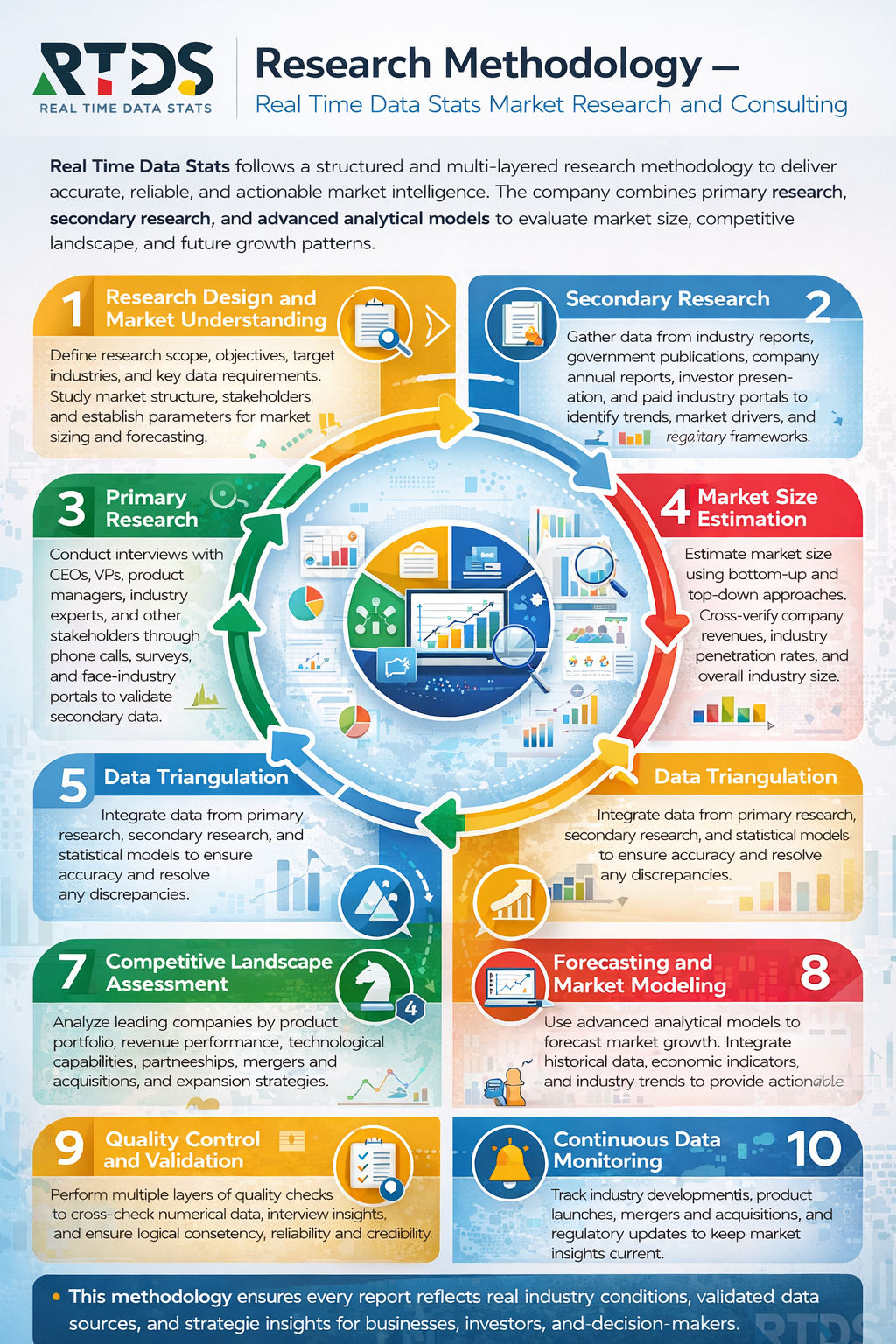
Research Methodology
- Data Collection Methods
- Primary Research
- Secondary Research
- Market Modeling Approach
- Forecasting Techniques
- Validation & Triangulation
Market Dynamics
- Market Drivers
- Market Restraints
- Market Opportunities
- Market Challenges
- Emerging Trends
Regulatory Landscape
- Industry Value Chain Analysis
- Raw Material Suppliers
- Component Manufacturers
- Device Integrators
- Distributors
- Healthcare Providers
- End Users
Pricing Analysis
- Pricing Structure
- Regional Pricing Trends
- Cost Components
- Margin Analysis
- Reimbursement Scenario
- Discount & Promotion Trends
Technology Landscape
- Electrical Stimulation Technology
- Biosensor Technology
- Microcurrent Technology
- Flexible Electronics Technology
- Nanotechnology Integration
- AI & Smart Monitoring Systems
Bioelectronic Bandages Market Segmentation Analysis
- By Type
- Wearable Bioelectronic Bandages
- Implantable Bioelectronic Bandages
- Disposable Bioelectronic Bandages
- Reusable Bioelectronic Bandages
- Smart Sensor-Integrated Bandages
- Wireless Connected Bandages
- By Application
- Chronic Wound Management
- Acute Wound Care
- Surgical Wound Healing
- Burn Treatment
- Diabetic Ulcer Care
- Pressure Ulcer Treatment
- By Technology
- Electrical Stimulation
- Biosensor Integration
- Microcurrent Systems
- Flexible Electronics
- Nanotechnology-Enabled Systems
- AI-Enabled Systems
- By Material
- Hydrogel-Based
- Silicone-Based
- Foam-Based
- Fabric/Textile-Based
- Biopolymer-Based
- Nanofiber-Based
- By End User
- Hospitals
- Clinics
- Ambulatory Surgical Centers
- Home Healthcare
- Rehabilitation Centers
- Military & Defense Medical Units
- By Connectivity
- Bluetooth-Enabled
- NFC-Enabled
- Wi-Fi Connected
- RFID-Enabled
- Smartphone Integrated
- Cloud Connected
- By Distribution Channel
- Hospital Pharmacies
- Retail Pharmacies
- Online Pharmacies
- Medical Device Distributors
- Direct Sales
- E-commerce Platforms
- By Patient Group
- Pediatric Patients
- Adult Patients
- Geriatric Patients
- Diabetic Patients
- Post-Surgical Patients
- Trauma Patients
- By Component
- Sensors
- Microcontrollers
- Power Sources
- Conductive Electrodes
- Adhesive Layers
- Monitoring Software
Regional Analysis
- North America
- Europe
- Asia Pacific
- Latin America
- Middle East & Africa
Competitive Landscape
- Company Market Share Analysis
- Strategic Developments
- Product Launches
- Partnerships & Collaborations
- Mergers & Acquisitions
- R&D Investments
Company Profiles
- Business Overview
- Product Portfolio
- Financial Overview
- Recent Developments
- Regional Presence
- Strategic Focus
Conclusion
- Key Findings Summary
- Strategic Recommendations
- Market Outlook
Appendix
- Abbreviations
- Glossary of Terms
- Research Sources
- Data Tables
- Methodology Notes
- Disclaimer
List of Tables
- Table:1: Global Market Size Overview
- Table:2: Market Growth Rate Comparison
- Table:3: Pricing Structure Analysis
- Table:4: Value Chain Breakdown
- Table:5: Technology Adoption Rates
- Table:6: By Type Market Share
- Table:7: By Application Market Share
- Table:8: By Material Market Share
- Table:9: By End User Distribution
- Table:10: By Connectivity Distribution
- Table:11: By Component Analysis
- Table:12: Regional Market Revenue
- Table:13: Competitive Market Share
- Table:14: Investment Trends
- Table:15: Forecast Summary
List of Figures
- Figure:1: Market Overview Diagram
- Figure:2: Growth Trend Graph
- Figure:3: Value Chain Illustration
- Figure:4: Technology Landscape Map
- Figure:5: Type Segmentation Chart
- Figure:6: Application Segmentation Chart
- Figure:7: Material Segmentation Chart
- Figure:8: End User Segmentation Chart
- Figure:9: Connectivity Segmentation Chart
- Figure:10: Component Segmentation Chart
- Figure:11: Regional Market Map
- Figure:12: Competitive Positioning Matrix
- Figure:13: Investment Flow Chart
- Figure:14: Forecast Projection Graph
- Figure:15: Opportunity Analysis Diagram
Bioelectronic Bandages Market Key Factors
Drivers:
- Rising chronic wound prevalence increases demand for advanced treatments.
- Technological advancements create more effective and accessible devices.
- Growing healthcare expenditure enables adoption of innovative wound care solutions.
Restraints:
- High product costs limit market penetration in price-sensitive regions.
- Stringent regulatory approvals delay product commercialization.
- Lack of standardized protocols hinders widespread clinical adoption.
Opportunities:
- Expanding applications into burns and surgical wounds open new revenue streams.
- Emerging markets offer significant growth potential due to improving healthcare infrastructure.
- Integration with telehealth and digital health platforms enhances remote patient monitoring.
Challenges:
- Demonstrating clear cost-effectiveness to traditional care remains difficult.
- Training healthcare professionals requires additional time and resources.
- Ensuring device durability and reliability in diverse clinical settings poses engineering hurdles.
Bioelectronic Bandages Market Key Regional Trends
North America:
- Strong regulatory approvals and early adoption of advanced medical technologies.
- High prevalence of diabetes and chronic wounds fuels product demand.
- Significant investment in R&D from both established companies and startups.
Europe:
- Favorable reimbursement policies in key countries support market growth.
- Collaborative research between universities and medical device firms accelerates innovation.
- Stringent EU regulations ensure product safety but also lengthen time-to-market.
Asia-Pacific:
- Rapidly improving healthcare infrastructure increases access to advanced treatments.
- Growing medical tourism and rising disposable income drive market expansion.
- Local manufacturing expansion aims to reduce costs and improve product affordability.
Rest of the World:
- Focus remains on affordable and basic wound care, limiting initial adoption.
- Pilot programs and partnerships test viability in low-resource settings.
- High growth potential remains untapped due to economic and logistical constraints.
Frequently Asked Questions
Key Questions Answered
- What is the size and growth rate of the market industry?
- What are the main drivers influencing market growth trends?
- What are the key challenges and restraints faced by the market?
- What are the emerging trends and opportunities shaping the market?
- Who are the top players, and what strategies drive their success?
- What are the customer demographics and their buying behaviors?
- What are the key market segments, and what is their scope?
- What are the geographical dynamics, and which region dominates?
- What are the market forecasts and projections for the next decade?
- What regulatory factors are critical to consider for market growth?
Why Choose our Company?
- Major facts and stats backing every report we offer.
- Comprehensive analysis tailored to your business needs.
- Accurate insights backed by extensive market research.
- Expert support to address your queries promptly.
- Data-driven strategies for better decision-making.
- In-depth reports with actionable
recommendations. - Reliable statistics from trusted industry
sources. - Customizable reports to suit your specific goals.
- Unmatched quality and precision in market analysis.
- Competitive pricing with premium content delivery.
Share your experience!
We value you feedback. Please take a moment to review your experience with us.