
According to insights from Real Time Data Stats, the Bioadaptive Neural Wearables Market was valued at USD 1.18 billion in 2025. It is expected to grow from USD 1.46 billion in 2026 to USD 6.72 billion by 2033, registering a CAGR of 24.3% during the forecast period (2026–2033).
MARKET SIZE AND SHARE
The Bioadaptive Neural Wearables Market is experiencing exponential growth, driven by rising demand for personalized health monitoring, cognitive enhancement, and advanced brain-computer interface technologies. Market share remains concentrated among pioneering neurotechnology companies and major electronics firms that continue investing heavily in research and development for next-generation wearable solutions.
North America currently holds the dominant market share due to advanced healthcare infrastructure, strong research capabilities, and high healthcare spending. Meanwhile, the Asia-Pacific region is expected to secure substantial future share through rapid technology adoption, expanding patient populations, and increasing consumer interest in wellness-focused wearable devices.
INDUSTRY OVERVIEW AND STRATEGY
The bioadaptive neural wearables industry integrates neuroscience, advanced sensors, and AI to create devices that learn from and adapt to the user's neural signals. Core applications span medical rehabilitation, mental health therapy, augmented cognition, and immersive entertainment. The sector is characterized by intense innovation, interdisciplinary collaboration, and a focus on non-invasive, user-friendly form factors like headbands and earpieces to drive mainstream acceptance beyond clinical settings.
Key strategies for market leaders involve forging partnerships with academic research institutions and healthcare providers to validate efficacy. Companies are prioritizing seamless software ecosystems and data security to build consumer trust. Strategic focus also includes vertical integration to control sensor and algorithm IP, while pursuing regulatory approvals for medical-grade devices to access reimbursement pathways and establish credibility in a competitive and rapidly evolving technological landscape.
Analyst Key Takeaways:
The Bioadaptive Neural Wearables market is witnessing strong momentum as advances in neurotechnology, biosensors, and AI-driven adaptive systems accelerate the development of next-generation wearable devices. Growing demand for real-time cognitive monitoring, stress management, neurofeedback, and personalized health optimization is expanding adoption across healthcare, wellness, defense, and consumer technology sectors. Integration of brain–computer interface capabilities with lightweight wearable formats is further strengthening the commercial potential of the industry.
The market is also benefiting from rapid innovation in flexible electronics, edge computing, and physiological data analytics, enabling more responsive and intelligent neural wearable solutions. Rising interest in mental wellness technologies, remote neurological monitoring, and human–machine interaction platforms is encouraging investments from both medical device manufacturers and technology companies. As neural interface ecosystems mature, bioadaptive wearables are expected to evolve from niche neuro-monitoring tools into mainstream adaptive health and performance technologies.
REGIONAL TRENDS AND GROWTH
North America leads, driven by strong VC funding, prestigious research hubs, and a high prevalence of neurological conditions. Europe follows, with robust GDPR-compliant data frameworks and significant government grants for ethical neurotech development. The Asia-Pacific region emerges as the fastest-growing market, propelled by massive electronics manufacturing bases, supportive government policies in countries like China and South Korea, and a growing tech-savvy middle class seeking wellness solutions.
Primary growth drivers include rising neurological disorder incidence, burgeoning wellness trends, and advancements in AI analytics. Key restraints are high costs, data privacy concerns, and regulatory ambiguity. Opportunities lie in creating scalable direct-to-consumer products for sleep and focus, and enterprise solutions for safety. Major challenges involve proving long-term clinical efficacy, ensuring ethical data use, and achieving miniaturization without compromising sensor accuracy for reliable daily use.
BIOADAPTIVE NEURAL WEARABLES MARKET SEGMENTATION ANALYSIS
BY TYPE:
The segmentation by type is dominated by rapid innovation in form factors that balance comfort, usability, and performance. Headbands and ear-worn devices lead adoption due to their ease of use, portability, and suitability for continuous brain-signal monitoring. Smart helmets and smart glasses are gaining momentum in industrial safety, military, and immersive training applications, driven by increasing demand for real-time neurofeedback, situational awareness, and performance enhancement. Wrist-worn devices and body-worn patches are experiencing strong traction in wellness, rehabilitation, and healthcare monitoring, as they provide non-intrusive, continuous physiological and neurological data collection.
Dominant growth factors include miniaturization of neural sensors, advances in flexible electronics, improvements in battery life, and increased user acceptance of wearable neurotechnology. The integration of advanced materials, ergonomic designs, and AI-powered analytics has significantly enhanced device accuracy and comfort, driving adoption across consumer, medical, and enterprise sectors. Additionally, the growing prevalence of neurological disorders, mental health challenges, and cognitive performance optimization programs is further strengthening demand for diverse wearable form factors.
BY APPLICATION:
Healthcare monitoring remains the largest and fastest-growing application segment, fueled by the rising prevalence of neurological disorders, mental health conditions, and demand for continuous patient monitoring. Fitness and wellness applications are expanding rapidly as consumers increasingly adopt neuro-wearables for stress management, meditation, sleep tracking, and cognitive optimization. Mental health management applications are witnessing accelerated growth due to increasing awareness of anxiety, depression, and burnout, along with expanding telehealth and digital therapy platforms.
Gaming, entertainment, education, training, and defense sectors are significantly contributing to market expansion by adopting neural wearables for immersive experiences, adaptive learning environments, cognitive training, and enhanced situational awareness. Dominant growth drivers include increasing investments in digital healthcare, rising demand for immersive technologies, expansion of virtual and augmented reality platforms, and growing military modernization programs. The convergence of neurotechnology with entertainment, learning, and defense ecosystems is creating strong long-term growth opportunities.
BY TECHNOLOGY:
Electroencephalography (EEG) dominates the market due to its proven reliability, clinical acceptance, and extensive use in cognitive monitoring, sleep studies, and neurological diagnostics. Brain-Computer Interface (BCI) and AI-integrated technologies are rapidly emerging as transformative forces, enabling real-time neural data processing, adaptive feedback, and human-machine interaction. Functional Near-Infrared Spectroscopy (fNIRS) and Electromyography (EMG) are gaining adoption in rehabilitation, sports science, and human performance analytics.
The dominant technological drivers include breakthroughs in AI, machine learning, edge computing, and sensor miniaturization. Enhanced data processing speed, improved signal clarity, and reduced noise interference are dramatically increasing device efficiency and clinical reliability. The rising adoption of personalized healthcare, digital therapeutics, and neurorehabilitation solutions is accelerating investment in advanced neural sensing technologies, shaping a highly innovation-driven competitive landscape.
BY END USER:
Hospitals and clinics represent the largest end-user segment, driven by increasing neurological diagnostics, patient monitoring requirements, and rising adoption of digital health solutions. Research institutes play a critical role in advancing neurotechnology development, supported by strong funding for neuroscience research, brain mapping studies, and cognitive science innovation. Sports and fitness centers are increasingly utilizing neural wearables to optimize athlete performance, recovery, and mental conditioning.
Military and defense sectors are experiencing strong growth due to rising demand for cognitive enhancement, stress monitoring, fatigue detection, and battlefield performance optimization. Corporate enterprises are adopting neural wearables for workforce productivity, stress management, and occupational health monitoring, while individual consumers drive expansion through growing wellness and mental health awareness. Dominant growth drivers include rising healthcare digitization, expanding defense modernization programs, and increasing investments in workplace wellness initiatives.
BY COMPONENT:
Sensors represent the most critical and dominant component segment, driven by continuous advancements in biosensing accuracy, signal processing, and miniaturization. Processors and connectivity modules are gaining prominence as data analytics, cloud connectivity, and real-time processing become central to wearable performance. Software platforms are emerging as a strategic differentiator, offering AI-driven insights, predictive analytics, and personalized neurofeedback solutions.
Battery technology, displays, and connectivity modules are experiencing strong innovation as manufacturers focus on extending operational life, improving visualization, and ensuring seamless data transmission. Dominant growth factors include rising demand for high-precision sensors, improved computational capabilities, and cloud-based neuro-analytics platforms. The convergence of hardware and software innovation is driving a shift toward fully integrated intelligent wearable ecosystems.
BY DISTRIBUTION CHANNEL:
Online retail channels dominate the market due to convenience, product accessibility, competitive pricing, and expanding e-commerce infrastructure. Direct sales and third-party distributors play a significant role in enterprise, healthcare, and defense procurement, where customization, training, and after-sales support are critical. Specialty and electronics stores contribute substantially to consumer education and experiential product demonstration.
Medical device stores are essential in clinical distribution, especially for regulated healthcare-grade neural wearables. Dominant drivers include increasing internet penetration, digital payment adoption, and growing preference for direct-to-consumer sales models. The expansion of omnichannel retail strategies, combined with global logistics optimization, is significantly enhancing product reach and customer engagement.
BY CONNECTIVITY:
Bluetooth and Wi-Fi connectivity dominate due to their low power consumption, seamless device pairing, and widespread compatibility with smartphones and cloud platforms. Cellular connectivity is gaining momentum for remote patient monitoring, defense applications, and enterprise-grade deployments requiring uninterrupted data transmission. NFC and wired connectivity serve niche applications requiring secure data transfer and controlled environments.
Dominant growth factors include expansion of IoT infrastructure, 5G deployment, cloud computing integration, and increasing demand for continuous remote monitoring solutions. Enhanced network reliability, reduced latency, and improved cybersecurity frameworks are further strengthening the adoption of advanced connectivity solutions, enabling scalable deployment of neural wearables across healthcare and enterprise ecosystems.
BY FUNCTIONALITY:
Brain signal monitoring remains the core functionality, driven by growing applications in neurology, mental health, sleep analysis, and cognitive research. Stress detection, sleep tracking, and neurofeedback are rapidly expanding due to increasing mental wellness awareness and lifestyle-related neurological concerns. Cognitive enhancement and motion tracking functionalities are witnessing strong adoption in sports, gaming, and defense training programs.
Dominant market drivers include increasing emphasis on mental well-being, performance optimization, and human-machine interaction technologies. Advances in AI-powered analytics, predictive modeling, and adaptive learning systems are significantly improving functionality accuracy and personalization. This evolution is driving widespread adoption across healthcare, fitness, education, and enterprise domains.
BY PRICE RANGE:
Mid-range and premium segments dominate revenue generation, driven by advanced technology integration, clinical-grade accuracy, and superior device quality. Low-cost devices are expanding rapidly in emerging economies due to affordability, increasing health awareness, and expanding digital infrastructure. Subscription-based models and enterprise-grade solutions are gaining traction as organizations adopt continuous monitoring and analytics services.
Dominant growth drivers include increasing healthcare spending, rising disposable income, and growing acceptance of digital health technologies. Custom enterprise solutions are benefiting from rising investments in workforce optimization, defense modernization, and clinical research. The evolution of flexible pricing strategies is broadening market accessibility while supporting sustainable revenue models.
RECENT DEVELOPMENTS
- In Jan 2024: Neurable partnered with a major automaker to integrate its brain-sensing technology into next-generation vehicle cabins, aiming to enhance driver alertness and cognitive comfort during long journeys.
- In Mar 2024: Kernel launched a new research-focused, portable headset, the Flow 2, featuring improved ergonomics and higher-fidelity sensors for broader academic and clinical study of brain activity outside lab settings.
- In Jul 2024: NextMind, now part of Snap Inc., demonstrated a prototype bioadaptive interface allowing AR glasses to be controlled via visual attention, moving towards more intuitive neural command systems.
- In Nov 2024: Muse (InteraXon) received FDA clearance for its latest EEG-based meditation headband as a wellness tool for general stress reduction, marking a significant regulatory step for consumer neurotech.
- In Feb 2025: Synchron announced successful long-term implantation results for its Stentrode BCI, demonstrating stability and efficacy in enabling severely paralyzed patients to control digital devices wirelessly.
KEY PLAYERS ANALYSIS
- Kernel
- Neuralink
- Synchron
- Blackrock Neurotech
- Neurable
- Muse (InteraXon)
- EMOTIV
- NeuroSky
- NextMind (Snap Inc.)
- Cognixion
- Bitbrain
- OpenBCI
- CTRL-Labs (Meta)
- Neuroelectrics
- BrainCo
- MindMaze
- Flow Neuroscience
- Paradromics
- Neuros Medical
- TEC Medical Engineering
Bioadaptive Neural Wearables Market Segmentation
By Type:
- Headbands
- Smart Helmets
- Ear-Worn Devices
- Smart Glasses
- Wrist-Worn Devices
- Body-Worn Patches
By Application:
- Healthcare Monitoring
- Fitness & Wellness
- Mental Health Management
- Gaming & Entertainment
- Education & Training
- Defense & Security
By Technology:
- Electroencephalography (EEG)
- Functional Near-Infrared Spectroscopy (fNIRS)
- Electromyography (EMG)
- Brain-Computer Interface (BCI)
- Artificial Intelligence Integration
- Machine Learning Algorithms
By End User:
- Hospitals & Clinics
- Research Institutes
- Sports & Fitness Centers
- Military & Defense
- Corporate Enterprises
- Individual Consumers
By Component:
- Sensors
- Processors
- Batteries
- Displays
- Connectivity Modules
- Software Platforms
By Distribution Channel:
- Online Retail
- Specialty Stores
- Electronics Stores
- Medical Device Stores
- Direct Sales
- Third-Party Distributors
By Connectivity:
- Bluetooth
- Wi-Fi
- NFC
- Cellular
- Wired Connection
- Hybrid Connectivity
By Functionality:
- Brain Signal Monitoring
- Stress Detection
- Sleep Tracking
- Cognitive Enhancement
- Neurofeedback
- Motion Tracking
By Price Range:
- Low-Cost
- Mid-Range
- Premium
- Subscription-Based
- Custom Enterprise Solutions
- Research-Grade Devices
By Geography:
- North America (USA, Canada, Mexico)
- Europe (UK, Germany, France, Italy, Spain, Rest of Europe)
- Asia-Pacific (China, Japan, Australia, South Korea, India, Rest of Asia-Pacific)
- South America (Brazil, Argentina, Rest of South America)
- Middle East and Africa (GCC Countries, South Africa, Rest of MEA)
Bioadaptive Neural Wearables Market: Table of Contents
Introduction
- Market Definition and Scope
- Study Objectives
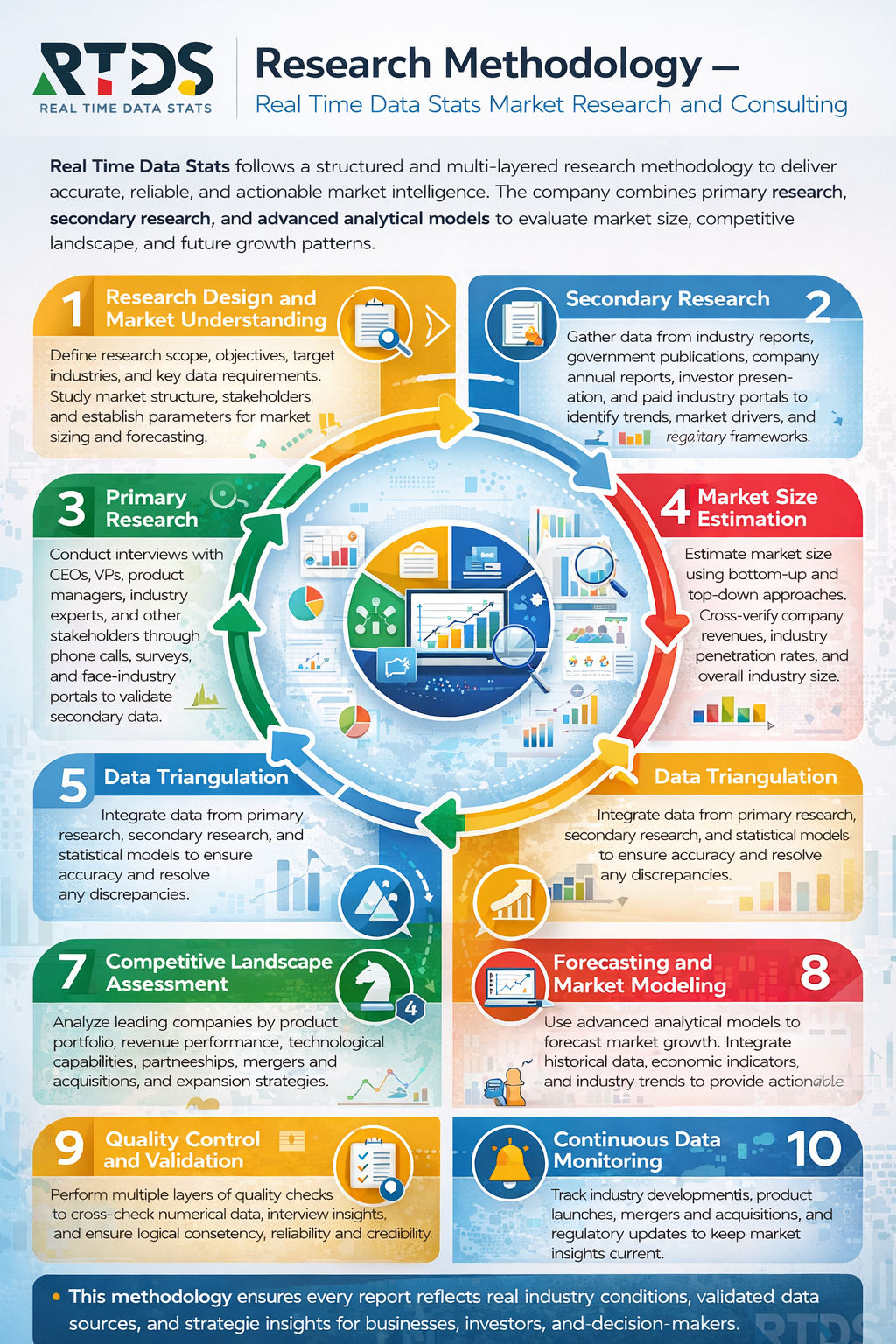
- Research Methodology Overview
- Market Taxonomy
- Assumptions and Limitations
Executive Summary
- Market Snapshot
- Key Market Highlights
- Major Trends and Developments
- Strategic Recommendations
- Competitive Insights
- Market Overview
Market Definition
- Industry Value Chain Analysis
- Ecosystem Analysis
- Industry Structure
- Regulatory Framework
Technology Landscape
- Industry Challenges
- Market Opportunities
- Market Attractiveness Analysis
- Market Dynamics
- Market Drivers
- Market Restraints
- Market Opportunities
- Market Challenges
- Impact Analysis
- Trend Analysis
- Porter’s Five Forces Analysis
- PESTLE Analysis
Bioadaptive Neural Wearables Market Segmentation
- By Type
- Headbands
- Smart Helmets
- Ear-Worn Devices
- Smart Glasses
- Wrist-Worn Devices
- Body-Worn Patches
- By Application
- Healthcare Monitoring
- Fitness & Wellness
- Mental Health Management
- Gaming & Entertainment
- Education & Training
- Defense & Security
- By Technology
- Electroencephalography (EEG)
- Functional Near-Infrared Spectroscopy (fNIRS)
- Electromyography (EMG)
- Brain-Computer Interface (BCI)
- Artificial Intelligence Integration
- Machine Learning Algorithms
- By End User
- Hospitals & Clinics
- Research Institutes
- Sports & Fitness Centers
- Military & Defense
- Corporate Enterprises
- Individual Consumers
- By Component
- Sensors
- Processors
- Batteries
- Displays
- Connectivity Modules
- Software Platforms
- By Distribution Channel
- Online Retail
- Specialty Stores
- Electronics Stores
- Medical Device Stores
- Direct Sales
- Third-Party Distributors
- By Connectivity
- Bluetooth
- Wi-Fi
- NFC
- Cellular
- Wired Connection
- Hybrid Connectivity
- By Functionality
- Brain Signal Monitoring
- Stress Detection
- Sleep Tracking
- Cognitive Enhancement
- Neurofeedback
- Motion Tracking
- By Price Range
- Low-Cost
- Mid-Range
- Premium
- Subscription-Based
- Custom Enterprise Solutions
- Research-Grade Devices
Regional Market Analysis
- North America Market Overview
- Europe Market Overview
- Asia Pacific Market Overview
- Latin America Market Overview
- Middle East Market Overview
- Africa Market Overview
Competitive Landscape
- Market Share Analysis
- Competitive Benchmarking
- Strategic Developments
- Mergers & Acquisitions
- Product Launches
- Partnerships & Collaborations
Company Profiles
- Investment and Growth Opportunities
- Emerging Investment Areas
- Startup Ecosystem
- Funding Trends
- Strategic Growth Roadmap
Future Outlook and Forecast
- Market Forecast Overview
- Growth Projections
- Technology Roadmap
- Industry Evolution
Conclusion
- Summary of Market Trends
- Key Drivers and Restraints
- Growth Opportunities
- Technology & Innovation Outlook
- Future Market Forecast
Appendix
- Research Methodology Details
- Data Sources
- Abbreviations
- Disclaimer
List of Tables
- Table:1: Global Bioadaptive Neural Wearables Market Overview
- Table:2: Market Segmentation by Type
- Table:3: Market Segmentation by Application
- Table:4: Market Segmentation by Technology
- Table:5: Market Segmentation by End User
- Table:6: Market Segmentation by Component
- Table:7: Market Segmentation by Distribution Channel
- Table:8: Market Segmentation by Connectivity
- Table:9: Market Segmentation by Functionality
- Table:10: Market Segmentation by Price Range
- Table:11: Market Segmentation by Region
- Table:12: Regional Market Share Analysis
- Table:13: Competitive Landscape Overview
- Table:14: Key Company Financial Performance
- Table:15: Market Forecast Summary
List of Figures
- Figure:1: Bioadaptive Neural Wearables Market Structure
- Figure:2: Market Segmentation Framework
- Figure:3: Technology Ecosystem Mapping
- Figure:4: Value Chain Analysis
- Figure:5: Market Dynamics Overview
- Figure:6: Porter’s Five Forces Analysis
- Figure:7: PESTLE Analysis
- Figure:8: Regional Market Comparison
- Figure:9: Competitive Landscape Mapping
- Figure:10: Product Positioning Matrix
- Figure:11: Market Share Distribution
- Figure:12: Growth Opportunity Matrix
- Figure:13: Investment Flow Analysis
- Figure:14: Market Forecast Trend Analysis
- Figure:15: Future Industry Outlook
Bioadaptive Neural Wearables Market Key Factors
Drivers:
- Enhance cognitive performance and mental focus in real time.
- Enable personalized brain-computer interaction for medical and lifestyle applications.
- Support neurorehabilitation and mental health monitoring effectively.
Restraints:
- High device cost limits adoption among general consumers.
- Data privacy and security concerns slow market penetration.
- Limited awareness and acceptance in non-medical sectors.
Opportunities:
- Expand applications in gaming, education, and workplace productivity.
- Integrate AI and adaptive algorithms to improve accuracy and efficiency.
- Collaborate with healthcare providers for customized neurotherapy solutions.
Challenges:
- Ensure regulatory compliance across regions.
- Maintain consistent sensor reliability and signal quality.
- Overcome skepticism regarding long-term safety and effectiveness.
Bioadaptive Neural Wearables Market Key Regional Trends
North America:
- Lead in neurotechnology research and early adoption.
- Integrate devices into healthcare and wellness programs.
- Increase corporate investments in cognitive enhancement tools.
Europe:
- Focus on medical-grade applications and rehabilitation.
- Expand collaborations with academic research institutions.
- Implement strict privacy and ethical standards for data usage.
Asia-Pacific:
- Rapid adoption in consumer wellness and gaming sectors.
- Leverage smart wearable penetration for neural applications.
- Government initiatives support neurotechnology innovation.
Latin America:
- Explore affordable neuro-wearables for healthcare access.
- Increase awareness through regional tech expos and workshops.
- Encourage partnerships with local medical institutions.
Middle East & Africa:
- Pilot neuro-rehabilitation programs in hospitals.
- Invest in research for regional mental health challenges.
- Promote technology adoption in elite sports and wellness programs.
Frequently Asked Questions
Key Questions Answered
- What is the size and growth rate of the market industry?
- What are the main drivers influencing market growth trends?
- What are the key challenges and restraints faced by the market?
- What are the emerging trends and opportunities shaping the market?
- Who are the top players, and what strategies drive their success?
- What are the customer demographics and their buying behaviors?
- What are the key market segments, and what is their scope?
- What are the geographical dynamics, and which region dominates?
- What are the market forecasts and projections for the next decade?
- What regulatory factors are critical to consider for market growth?
Why Choose our Company?
- Major facts and stats backing every report we offer.
- Comprehensive analysis tailored to your business needs.
- Accurate insights backed by extensive market research.
- Expert support to address your queries promptly.
- Data-driven strategies for better decision-making.
- In-depth reports with actionable
recommendations. - Reliable statistics from trusted industry
sources. - Customizable reports to suit your specific goals.
- Unmatched quality and precision in market analysis.
- Competitive pricing with premium content delivery.
Share your experience!
We value you feedback. Please take a moment to review your experience with us.