
According to insights from Real Time Data Stats, the Avalanche Safety Equipment Market was valued at USD 1.19 billion in 2025. It is expected to grow from USD 1.29 billion in 2026 to USD 2.30 billion by 2033, registering a CAGR of 8.5% during the forecast period (2026–2033).
MARKET SIZE AND SHARE
The global avalanche safety equipment market is growing due to rising participation in winter sports and stricter safety regulations. Beacon, probe, and shovel kits dominate the market share. North America and Europe hold the largest share, supported by established mountain tourism and strong awareness of backcountry safety practices.
Market share is gradually shifting with the increasing adoption of advanced airbag systems and Avalung devices. Key players focus on innovation to strengthen their position. The competitive landscape remains consolidated, with major brands such as Mammut, BCA, and Arva leading in both volume and technological advancement.
INDUSTRY OVERVIEW AND STRATEGY
The avalanche safety equipment industry caters to both professional and recreational users, providing critical life-saving devices. The core product segments include electronic search devices, avalanche airbags, and essential shovels and probes. The industry is characterized by high standards for reliability and technological integration, as product performance directly impacts user survival in hazardous backcountry environments, making rigorous testing and certification a fundamental aspect of all manufacturing processes.
Key strategies for market players involve heavy investment in R&D to create lighter, more intuitive, and interconnected safety systems. Companies are pursuing growth through strategic partnerships with ski resorts, guide associations, and training organizations. Expanding direct-to-consumer channels and educational marketing that emphasizes real-world efficacy are crucial for driving adoption and fostering brand loyalty in this highly specialized and responsibility-driven market segment.
REGIONAL TRENDS AND GROWTH
Europe remains the dominant region, fueled by its vast Alpine terrain and strong culture of mountain sports. Growth here is driven by mandatory equipment laws in some areas and the professional guiding sector. North America follows closely, with growth propelled by the popularity of backcountry skiing and snowmobiling. Both regions show high demand for premium, technologically advanced products, creating opportunities for integrated digital safety platforms and more affordable entry-level kits to broaden market penetration.
The Asia-Pacific region presents a significant future growth opportunity, driven by developing ski tourism in Japan, China, and India. Key drivers globally include rising disposable income and increased safety education. Restraints include high product costs and a reliance on seasonal snowfall. Major challenges involve consumer complacency and the need for continuous training. Future growth will hinge on innovative, user-friendly designs and expanding rental programs to make safety equipment more accessible to casual adventurers.
AVALANCHE SAFETY EQUIPMENT MARKET SEGMENTATION ANALYSIS
BY TYPE:
Avalanche airbags and transceivers dominate the type segment due to their life-saving capabilities and mandatory inclusion in backcountry safety protocols. Airbags significantly reduce burial depth, increasing survival probability, which strongly influences consumer preference. Continuous advancements in lightweight compressed gas systems, electric fan-based inflation, and reusable canisters enhance reliability and encourage replacement purchases. Digital multi-antenna beacons with improved signal range and faster processing speed further strengthen demand, especially among experienced skiers and mountaineers seeking dependable rescue performance in extreme conditions.
Probes, shovels, helmets, and survival kits maintain consistent demand as essential complementary equipment. Regulatory requirements for guided expeditions and ski patrol operations reinforce sales stability across these categories. Manufacturers focus on lightweight aluminum, carbon fiber, and ergonomic designs to improve portability without compromising durability. Bundled safety kits combining beacon, probe, and shovel increase affordability and convenience, driving higher penetration among recreational users. Growing avalanche awareness campaigns and mandatory safety training programs further accelerate adoption across both professional and leisure segments.
BY APPLICATION:
Skiing and snowboarding account for the largest share due to expanding winter tourism and the growing popularity of off-piste adventures. Backcountry exploration trends significantly influence equipment purchases, as participants prioritize personal safety in uncontrolled terrain. Mountaineering also represents a strong segment, supported by increasing participation in high-altitude expeditions. Snowmobiling contributes notably in regions with established winter recreation infrastructure, while search and rescue operations generate institutional demand driven by government safety regulations and emergency preparedness programs.
Backcountry touring emerges as a rapidly expanding application as adventure enthusiasts seek remote experiences beyond resort boundaries. Tour operators increasingly require certified avalanche gear for clients, strengthening commercial procurement. Professional rescue teams depend on advanced detection technologies, sustaining high-value purchases of electronic devices. Educational initiatives promoting avalanche preparedness amplify awareness among first-time users. Insurance and liability considerations further motivate operators and individuals to invest in comprehensive safety equipment, reinforcing consistent demand growth across applications.
BY END USER:
Recreational users represent the dominant end-user group, driven by rising disposable incomes and increasing participation in winter sports tourism. The shift toward independent adventure travel encourages personal ownership of safety equipment rather than reliance on rentals. Professional athletes and mountain guides prioritize premium-grade products that offer enhanced reliability and technical performance. Ski patrol units and organized expedition teams create steady institutional demand through periodic upgrades aligned with evolving safety standards and technological improvements.
Military forces and disaster response teams form a specialized segment requiring rugged, high-performance equipment for operational readiness in avalanche-prone terrains. Government funding for emergency preparedness programs supports stable procurement cycles. Training institutions and mountaineering schools also contribute to recurring purchases for instructional purposes. Growing adventure tourism enterprises invest in fleet-level equipment to meet compliance and safety obligations. This diversified end-user base ensures balanced market expansion across consumer and institutional segments.
BY DISTRIBUTION CHANNEL:
Online retail platforms lead growth due to broad product availability, competitive pricing, and access to detailed technical specifications. Consumers increasingly rely on digital reviews and safety certifications before purchasing advanced equipment. Specialty outdoor stores remain influential by providing expert consultation and in-person demonstrations, especially for complex devices like airbags and transceivers. Sporting goods retailers contribute through strong regional networks, while direct-to-consumer strategies enhance brand loyalty and margin optimization for manufacturers.
Rental providers play a critical role in tourist destinations, offering short-term access for occasional participants. Hypermarkets and general retail outlets mainly serve entry-level product categories. Omnichannel strategies integrating physical stores with digital platforms strengthen customer engagement and after-sales support. Seasonal promotional campaigns and pre-winter sales events significantly impact buying cycles. Effective distribution networks improve product accessibility, accelerating market penetration across both mature and emerging winter sports regions.
BY TECHNOLOGY:
Electronic safety devices dominate technological segmentation, fueled by advancements in digital signal processing, multi-antenna systems, and GPS-enabled tracking. Enhanced search precision and faster victim location capabilities significantly improve rescue outcomes, encouraging widespread adoption. Inflatable airbag systems integrate innovative trigger mechanisms and rechargeable electric deployment units, reducing maintenance costs. RECCO reflector integration complements electronic transceivers, providing additional detection support during organized rescue operations.
Mechanical safety tools maintain importance due to reliability and independence from battery power. Smart wearable integration and mobile app connectivity expand functionality by enabling performance tracking and emergency communication. Improved cold-resistant battery technologies enhance device reliability in sub-zero environments. Continuous innovation in miniaturization and connectivity differentiates product offerings and strengthens competitive positioning. Technology-driven enhancements remain central to sustaining long-term growth in the avalanche safety equipment market.
BY MATERIAL:
High-strength nylon leads material usage, particularly in airbag systems and protective backpacks, due to its durability and lightweight characteristics. Carbon fiber and aluminum dominate probe and shovel manufacturing, offering optimal strength-to-weight ratios essential for mobility in mountainous terrain. Composite materials enhance helmet impact resistance, ensuring higher safety standards. Material selection directly influences product performance, portability, and consumer trust, which remain decisive purchasing factors.
Reinforced plastics and lightweight alloys provide cost-effective solutions for mid-range equipment segments. Manufacturers increasingly adopt weather-resistant coatings to withstand moisture, freezing temperatures, and abrasion. Sustainability trends encourage exploration of eco-friendly materials and recyclable components, aligning with environmentally conscious outdoor communities. Continuous material innovation supports improved product longevity, reduced weight, and enhanced resilience, reinforcing overall market competitiveness and user satisfaction.
BY PRICE RANGE:
Mid-range products capture significant demand by balancing affordability with advanced safety features. Recreational users often prefer bundled packages that provide essential gear at competitive prices. Economy products attract entry-level participants and rental service operators seeking cost efficiency. Premium and professional-grade equipment, featuring advanced technology and superior materials, appeals to experienced mountaineers and guides prioritizing reliability and performance.
Customized systems and high-end airbag models command premium margins due to specialized functionality and brand reputation. Seasonal discounts and early-bird promotions influence purchasing decisions ahead of winter seasons. Flexible payment options and financing models facilitate adoption of higher-priced equipment. Regional income variations impact pricing strategies, but growing awareness of avalanche risks positions safety gear as a necessary investment rather than discretionary spending.
BY COMPONENT:
Sensors, antennas, and control units represent critical components in electronic transceivers, directly affecting detection accuracy and operational efficiency. Cold-resistant batteries ensure consistent performance in extreme alpine environments. Airbag cartridges generate recurring revenue through refilling and replacement cycles. Protective casings enhance durability and safeguard sensitive electronics, supporting long-term product reliability under harsh conditions.
Miniaturization and integration of advanced processors improve signal clarity and reduce device weight. Manufacturers prioritize rigorous testing to ensure functionality in freezing temperatures and high-altitude environments. Continuous component-level innovation enhances overall device efficiency and strengthens competitive differentiation. Reliable components underpin consumer confidence and institutional procurement decisions, driving sustained market growth.
BY PORTABILITY:
Wearable systems and backpack-integrated airbags dominate portability segmentation due to convenience and ergonomic design. Compact folding probes and lightweight shovels improve transport efficiency for backcountry users. Emphasis on weight reduction significantly influences purchasing preferences among mountaineers who prioritize mobility and endurance. Integration of storage and safety features within a single unit enhances functional value.
Vehicle-mounted safety systems support snowmobile users and rescue operations in remote areas. Fixed installations at ski resorts and avalanche-prone infrastructure ensure preparedness and rapid emergency response. Manufacturers focus on ergonomic enhancements and compact packaging to optimize user comfort. Demand for multi-functional and travel-friendly equipment continues to shape innovation within portable product categories.
RECENT DEVELOPMENTS
- In Jan 2024: Mammut launched the Barryvox S, a next-generation avalanche transceiver with improved multiple burial sorting and a more intuitive interface for faster rescue response.
- In Mar 2024: Arva launched the Link series of transceivers, featuring a revolutionary app-connected platform for real-time group checks and post-accident data logging directly to a smartphone.
- In Jul 2024: Black Diamond Equipment acquired the airbag safety division of German manufacturer S.Labs, aiming to integrate their ABS technology into future backpack systems.
- In Nov 2024: Backcountry Access (BCA) introduced the Tracker S, an upgraded transceiver with a color LCD screen and refined search strip functionality, enhancing visual clarity in high-stress scenarios.
- In Feb 2025: Ortovox unveiled its new Carbon Fiber Avalanche Airbag 3.0 system, significantly reducing pack weight while increasing deployment reliability and gas cylinder capacity.
KEY PLAYERS ANALYSIS
- Mammut
- Black Diamond Equipment
- Arva
- Ortovox
- Backcountry Access (BCA)
- Pieps (part of Tecnica Group)
- Scott Sports
- Salomon
- Osprey Packs
- The North Face
- Camp
- Dynafit
- Arc'teryx
- Deuter
- Snowpulse (part of Scott)
- ABS Protection GmbH
- BCA (Doppelmayr Garaventa Group)
- Hestra
- Flylow
- Jones Snowboards
Avalanche Safety Equipment Market Segmentation
By Type:
- Avalanche Airbags
- Avalanche Beacons (Transceivers)
- Avalanche Probes
- Avalanche Shovels
- Avalanche Safety Helmets
- Avalanche Survival Kits
By Application:
- Skiing
- Snowboarding
- Mountaineering
- Snowmobiling
- Backcountry Touring
- Search and Rescue Operations
By End User:
- Professional Athletes
- Recreational Users
- Mountain Guides
- Ski Patrol Teams
- Military Personnel
- Disaster Response Teams
By Distribution Channel:
- Online Retail Stores
- Specialty Outdoor Stores
- Sporting Goods Retailers
- Direct Sales
- Rental Service Providers
- Hypermarkets and Supermarkets
By Technology:
- Electronic Safety Devices
- Mechanical Safety Equipment
- Inflatable Airbag Systems
- GPS-Enabled Devices
- RECCO Reflector Technology
- Smart Wearable Integration
By Material:
- High-Strength Nylon
- Carbon Fiber
- Aluminum
- Reinforced Plastic
- Composite Materials
- Lightweight Alloys
By Price Range:
- Economy
- Mid-Range
- Premium
- Professional Grade
- Customized Equipment
- Rental-Based Equipment
By Component:
- Sensors
- Batteries
- Airbag Cartridges
- Signal Antennas
- Control Units
- Protective Casings
By Portability:
- Wearable Equipment
- Backpack-Integrated Systems
- Handheld Devices
- Compact Foldable Tools
- Vehicle-Mounted Equipment
- Fixed Rescue Installations
By Geography:
- North America (USA, Canada, Mexico)
- Europe (UK, Germany, France, Italy, Spain, Rest of Europe)
- Asia-Pacific (China, Japan, Australia, South Korea, India, Rest of Asia-Pacific)
- South America (Brazil, Argentina, Rest of South America)
- Middle East and Africa (GCC Countries, South Africa, Rest of MEA)
Avalanche Safety Equipment Market: Table of Contents
Executive Summary
- Market Overview
- Key Findings
- Market Snapshot
- Growth Highlights
- Competitive Landscape Summary
- Analyst Insights
Introduction
- Definition and Scope
- Research Objectives
- Market Definition
- Currency and Pricing Assumptions
- Limitations and Assumptions
- Stakeholder Mapping
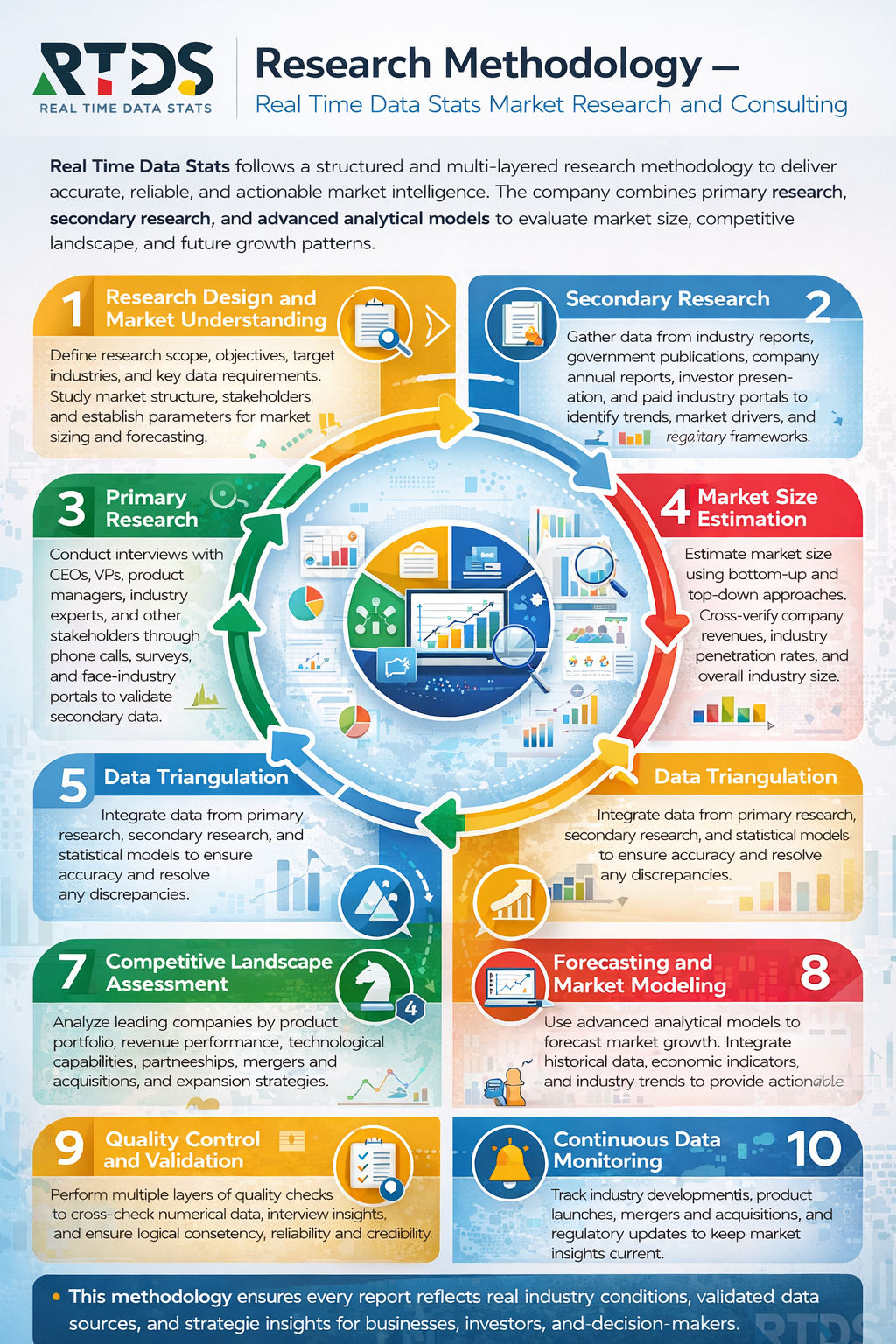
Research Methodology
- Primary Research
- Secondary Research
- Data Validation
- Market Estimation Model
- Forecasting Approach
- Data Triangulation
Market Dynamics
- Market Drivers
- Market Restraints
- Market Opportunities
- Market Challenges
- Emerging Trends
- Regulatory Framework
Avalanche Safety Equipment Market Segmentation
- By Type
- Avalanche Airbags
- Avalanche Beacons (Transceivers)
- Avalanche Probes
- Avalanche Shovels
- Avalanche Safety Helmets
- Avalanche Survival Kits
- By Application
- Skiing
- Snowboarding
- Mountaineering
- Snowmobiling
- Backcountry Touring
- Search and Rescue Operations
- By End User
- Professional Athletes
- Recreational Users
- Mountain Guides
- Ski Patrol Teams
- Military Personnel
- Disaster Response Teams
- By Distribution Channel
- Online Retail Stores
- Specialty Outdoor Stores
- Sporting Goods Retailers
- Direct Sales
- Rental Service Providers
- Hypermarkets and Supermarkets
- By Technology
- Electronic Safety Devices
- Mechanical Safety Equipment
- Inflatable Airbag Systems
- GPS-Enabled Devices
- RECCO Reflector Technology
- Smart Wearable Integration
- By Material
- High-Strength Nylon
- Carbon Fiber
- Aluminum
- Reinforced Plastic
- Composite Materials
- Lightweight Alloys
- By Price Range
- Economy
- Mid-Range
- Premium
- Professional Grade
- Customized Equipment
- Rental-Based Equipment
- By Component
- Sensors
- Batteries
- Airbag Cartridges
- Signal Antennas
- Control Units
- Protective Casings
- By Portability
- Wearable Equipment
- Backpack-Integrated Systems
- Handheld Devices
- Compact Foldable Tools
- Vehicle-Mounted Equipment
- Fixed Rescue Installations
Regional Analysis
- North America
- Europe
- Asia Pacific
- Latin America
- Middle East & Africa
Competitive Landscape
- Market Share Analysis
- Company Benchmarking
- Product Portfolio Analysis
- Strategic Developments
- Mergers and Acquisitions
- Partnerships and Collaborations
Company Profiles
- Company Overview
- Financial Overview
- Product Portfolio
- Strategic Initiatives
- Recent Developments
- SWOT Analysis
Conclusion
- Key Insights Summary
- Strategic Recommendations
- Future Outlook
- Investment Opportunities
- Innovation Pathways
- Long-Term Market Perspective
Appendix
- Abbreviations
- Glossary of Terms
- List of Data Sources
- Research Method Details
- Disclaimer
- Contact Information
List of Tables
- Table: 1: Global Avalanche Safety Equipment Market Overview
- Table: 2: Market Size by Type
- Table: 3: Market Size by Application
- Table: 4: Market Size by End User
- Table: 5: Market Size by Distribution Channel
- Table: 6: Market Size by Technology
- Table: 7: Market Size by Material
- Table: 8: Market Size by Price Range
- Table: 9: Market Size by Component
- Table: 10: Market Size by Portability
- Table: 11: Market Size by Region
- Table: 12: Competitive Benchmarking Matrix
- Table: 13: Regulatory Landscape by Region
- Table: 14: Key Company Revenue Analysis
- Table: 15: Future Forecast Summary
List of Figures
- Figure: 1: Global Market Growth Trend
- Figure: 2: Market Share by Type
- Figure: 3: Market Share by Application
- Figure: 4: Market Share by End User
- Figure: 5: Distribution Channel Analysis
- Figure: 6: Technology Adoption Trends
- Figure: 7: Material Usage Breakdown
- Figure: 8: Price Range Distribution
- Figure: 9: Component Structure Analysis
- Figure: 10: Portability Category Overview
- Figure: 11: Regional Market Share
- Figure: 12: Competitive Positioning Map
- Figure: 13: Value Chain Analysis
- Figure: 14: Investment Flow Analysis
- Figure: 15: Market Forecast Projection Graph
Avalanche Safety Equipment Market Key Factors
Drivers:
- Increasing backcountry recreation participation expands the consumer base.
- Government and organizational initiatives mandate safety gear for professionals.
- Technological advancements create more effective and user-friendly products.
Restraints:
- High product costs limit market penetration in price-sensitive regions.
- Product complexity and the need for training deter casual users.
- Stringent certification processes slow down new product introductions.
Opportunities:
- Developing economies with growing adventure tourism present new markets.
- Integration with digital platforms and smartphones enhances product appeal.
- Rising awareness programs create demand for rental and beginner-level equipment.
Challenges:
- Counterfeit products compromise safety and erode brand trust.
- Seasonal demand creates inventory and cash flow uncertainties for businesses.
- Rapid technological change pressures manufacturers with continuous R&D needs.
Avalanche Safety Equipment Market Key Regional Trends
North America:
- Strong demand for advanced, integrated digital safety systems.
- Rental programs and gear libraries lower entry barriers for new users.
- Focus on lightweight and compact equipment for ski tourers.
Europe:
- Strict regulatory standards for safety equipment drive high-quality adoption.
- Growth in freelance and off-piste guiding services boosts professional demand.
- Popularity of mountain sports tourism sustains steady retail sales.
Asia-Pacific:
- New ski resort development stimulates initial market growth.
- Rising middle-class participation in winter sports increases product awareness.
- Import-dependent markets face challenges with pricing and distribution.
Rest of the World:
- Market growth concentrates on professional sectors like mining and energy.
- Limited local manufacturing creates reliance on international brands.
- Focus on basic, durable equipment suited for harsh operational environments.
Frequently Asked Questions
Key Questions Answered
- What is the size and growth rate of the market industry?
- What are the main drivers influencing market growth trends?
- What are the key challenges and restraints faced by the market?
- What are the emerging trends and opportunities shaping the market?
- Who are the top players, and what strategies drive their success?
- What are the customer demographics and their buying behaviors?
- What are the key market segments, and what is their scope?
- What are the geographical dynamics, and which region dominates?
- What are the market forecasts and projections for the next decade?
- What regulatory factors are critical to consider for market growth?
Why Choose our Company?
- Major facts and stats backing every report we offer.
- Comprehensive analysis tailored to your business needs.
- Accurate insights backed by extensive market research.
- Expert support to address your queries promptly.
- Data-driven strategies for better decision-making.
- In-depth reports with actionable
recommendations. - Reliable statistics from trusted industry
sources. - Customizable reports to suit your specific goals.
- Unmatched quality and precision in market analysis.
- Competitive pricing with premium content delivery.
Share your experience!
We value you feedback. Please take a moment to review your experience with us.