
According to insights from Real Time Data Stats, the Autonomous Protein Engineering Market was valued at USD 520 million in 2025. It is expected to grow from USD 670 million in 2026 to USD 3,500 million by 2033, registering a CAGR of 27.1% during the forecast period (2026–2033).
MARKET SIZE AND SHARE
The Autonomous Protein Engineering Market is experiencing rapid expansion driven by the adoption of AI and machine learning platforms that significantly accelerate protein design and development cycles. Market share is currently concentrated among leading biotechnology companies and specialized AI-driven startups with proprietary computational platforms and integrated wet-lab validation capabilities. Increasing demand for faster drug discovery and advanced biologics development is further strengthening market growth.
Key players are competing aggressively through advancements in AI algorithms, robotic automation, and cloud-based SaaS platforms to expand their market share. The therapeutic protein segment currently generates the largest revenue share due to rising demand for novel biologics and precision therapeutics. Meanwhile, the industrial enzymes segment is expected to gain strong momentum, supported by growing applications in sustainable manufacturing and bioremediation solutions.
INDUSTRY OVERVIEW AND STRATEGY
The autonomous protein engineering industry represents a paradigm shift, integrating artificial intelligence, machine learning, and robotic automation to systematically design novel proteins. This convergence aims to overcome the limitations of traditional directed evolution, enabling the rapid creation of proteins with enhanced stability, specificity, and novel functions. The industry is characterized by high R&D intensity and collaborations between AI software firms, pharmaceutical giants, and academic research institutions to translate computational designs into real-world products.
Core competitive strategies revolve around building robust and scalable AI platforms, securing exclusive partnerships with end-users in pharma and industrials, and protecting intellectual property related to novel protein sequences and design algorithms. Successful players are adopting a full-stack approach, combining software with automated laboratory facilities to form closed-loop design-build-test cycles. Strategic focus also includes navigating regulatory pathways for AI-designed therapeutic proteins and expanding into high-growth verticals like agriculture and biofuels.
Analyst Key Takeaways:
The Autonomous Protein Engineering market is witnessing rapid momentum as biotechnology companies increasingly integrate artificial intelligence, robotic automation, and generative protein modeling into biologics discovery workflows. The convergence of synthetic biology and AI-driven drug discovery is accelerating the transition from traditional experimental protein engineering toward autonomous design-build-test-learn (DBTL) platforms capable of reducing development timelines and improving molecular optimization efficiency.
Industry adoption is being further supported by advancements in protein foundation models, cloud-based bioinformatics infrastructure, and automated laboratory ecosystems. Pharmaceutical companies, biotech startups, and research institutions are investing heavily in autonomous bioengineering capabilities to enhance enzyme engineering, antibody development, and precision therapeutics. North America currently leads innovation activity, while Asia-Pacific is emerging as a high-growth region driven by expanding biotech investments and AI-enabled life science research initiatives.
REGIONAL TRENDS AND GROWTH
North America dominates the market, propelled by substantial venture capital funding, a dense concentration of leading biopharma companies, and supportive government initiatives in the U.S. and Canada. Europe follows, with strong academic research clusters in the UK, Germany, and Switzerland driving innovation. The Asia-Pacific region is poised for the highest CAGR, fueled by increasing biotechnology investments, government-led bio-economy plans in China and India, and a growing focus on cost-effective enzyme production for industrial applications.
Primary growth drivers include the urgent need for novel therapeutics, demand for sustainable biocatalysts, and continuous AI algorithmic advancements. Key restraints involve high computational costs, data scarcity for training models, and complex regulatory scrutiny for clinical applications. Significant opportunities lie in de novo protein design for new drug modalities and environmental solutions. Major challenges encompass the high initial capital for integrated platforms, a shortage of interdisciplinary talent, and ensuring the functional predictability of computationally designed proteins in real-world environments.
AUTONOMOUS PROTEIN ENGINEERING MARKET SEGMENTATION ANALYSIS
BY TYPE:
The segmentation by type is fundamentally driven by the rapid evolution of artificial intelligence, automation technologies, and integrated computational platforms. Machine learning–driven platforms and AI-based design platforms dominate this segment due to their ability to rapidly analyze large biological datasets, predict protein folding, optimize amino acid sequences, and significantly reduce experimental timelines. Robotics-integrated systems are gaining strong momentum as they enable fully automated laboratory workflows, allowing continuous experimentation with minimal human intervention. Cloud-based autonomous platforms are increasingly preferred because they provide scalable computing resources, remote access, real-time collaboration, and lower infrastructure costs, making them attractive to both large enterprises and emerging startups. On-premise systems remain important in highly regulated pharmaceutical and biotechnology environments where data security, intellectual property protection, and regulatory compliance are paramount. Hybrid autonomous platforms bridge both cloud and on-premise capabilities, offering flexible deployment models suited to diverse operational requirements.
Dominant factors influencing this segment include rising demand for accelerated drug discovery, increasing complexity of protein design tasks, and the growing adoption of automation in laboratory research. Continuous advancements in AI algorithms, enhanced data integration capabilities, and declining hardware costs are further strengthening market penetration. The growing availability of high-quality biological datasets and improvements in computational power have significantly boosted the performance accuracy of autonomous platforms. Additionally, increasing investments by biotechnology firms and research institutions into digital transformation and laboratory automation are reinforcing market expansion. Regulatory encouragement for advanced biotechnological innovations and strategic collaborations between AI companies and life sciences firms further stimulate growth across this segment.
BY APPLICATION:
Application-based segmentation reflects the expanding utilization of autonomous protein engineering across multiple industries. Drug discovery represents the dominant application due to increasing pharmaceutical R&D expenditure, rising chronic disease prevalence, and the urgent need for faster therapeutic development. Autonomous platforms enable rapid identification of therapeutic targets, protein structure prediction, and molecular optimization, drastically reducing development cycles. Enzyme engineering is another major application driven by industrial biotechnology, green chemistry, and sustainable manufacturing demands. Vaccine development has gained substantial traction following global public health challenges, with autonomous platforms enabling faster antigen design and optimization. Industrial biotechnology applications benefit from autonomous protein design to improve process efficiency, yield, and sustainability, while synthetic biology leverages these systems for creating novel biomolecules and biological pathways. Agricultural biotechnology uses these technologies for crop protection, enhanced nutritional content, and improved resistance traits.
Key growth drivers include increasing pharmaceutical pipeline complexity, rising need for sustainable industrial processes, and expanding biotechnological innovation. Continuous technological advancements enable improved accuracy, scalability, and cost-effectiveness, promoting broader adoption. Government initiatives supporting biopharmaceutical research, increasing funding for synthetic biology, and heightened focus on precision agriculture further strengthen demand. Additionally, partnerships between biotech firms, AI developers, and academic institutions are accelerating application development, thereby expanding commercial viability and adoption across diverse industrial sectors.
BY TECHNOLOGY:
Technology segmentation is primarily influenced by advancements in computational intelligence, automation, and laboratory digitization. Deep learning models dominate this segment due to their ability to analyze vast biological datasets, identify hidden molecular patterns, and predict complex protein structures with high precision. Reinforcement learning supports iterative optimization processes, enabling continuous improvement in protein design cycles. Generative AI models play a crucial role in de novo protein design, offering the capability to generate novel protein sequences with targeted functional properties. High-throughput screening technologies integrate seamlessly with autonomous platforms, allowing rapid experimental validation of thousands of protein variants. Computational protein modeling and automated laboratory systems collectively enhance design accuracy and experimental efficiency, creating a closed-loop optimization framework.
Dominant growth factors include increasing availability of big biological data, enhanced GPU and cloud computing capabilities, and the growing adoption of digital twin technologies in life sciences. Continuous improvement in neural network architectures, algorithmic interpretability, and automation reliability further drives technological expansion. Rising investments in AI-based biotech platforms, growing demand for real-time analytics, and the integration of robotics with advanced computational models are accelerating market growth. Moreover, regulatory acceptance of AI-assisted research and increasing standardization of laboratory automation protocols support long-term adoption across academic, industrial, and clinical research domains.
BY END USER:
End-user segmentation reflects diverse adoption patterns across pharmaceutical companies, biotechnology firms, research institutes, CROs, industrial manufacturers, and agricultural enterprises. Pharmaceutical companies remain the largest end users due to their continuous investment in drug discovery, biologics development, and personalized medicine initiatives. Biotechnology companies leverage autonomous platforms to enhance innovation speed, reduce research risks, and improve development efficiency. Academic and research institutes adopt these technologies to support fundamental research, protein engineering studies, and next-generation biomolecular discovery. Contract research organizations increasingly utilize autonomous systems to offer faster, more cost-effective services to pharmaceutical and biotech clients. Industrial enzyme manufacturers and agricultural biotechnology firms rely on these platforms to optimize enzyme activity, stability, and crop-enhancing proteins.
Dominant influencing factors include rising R&D expenditure, growing outsourcing trends in pharmaceutical research, and increasing competition to accelerate innovation pipelines. Expansion of public and private research funding, availability of collaborative research platforms, and increasing regulatory emphasis on data-driven drug development further fuel adoption. Additionally, the push toward automation to improve laboratory efficiency, minimize human error, and increase throughput significantly drives implementation across end-user groups. The growing need for cost reduction, productivity enhancement, and faster time-to-market strengthens market penetration among both established enterprises and emerging startups.
BY COMPONENT:
Component-based segmentation includes software platforms, hardware systems, robotic workstations, data analytics tools, cloud infrastructure, and integrated solutions. Software platforms form the backbone of autonomous protein engineering by enabling algorithm development, predictive modeling, simulation, and workflow orchestration. Hardware systems and robotic workstations provide physical automation capabilities necessary for experimental validation, synthesis, and screening. Data analytics tools enhance interpretation of biological datasets and experimental outcomes, enabling real-time optimization. Cloud infrastructure facilitates scalability, collaborative research, and high-performance computing access. Integrated solutions combine all these components into unified platforms, offering end-to-end automation and seamless operational flow.
Key drivers include increasing adoption of digital laboratories, rising demand for scalable computing resources, and the growing need for integrated research solutions. Declining hardware costs, improved robotic precision, and continuous software upgrades enhance system accessibility and performance. Growing reliance on cloud-based platforms to manage large biological datasets and enable global collaboration significantly supports growth. Furthermore, the increasing complexity of protein engineering workflows necessitates comprehensive integrated solutions, encouraging vendors to offer modular yet unified systems tailored to specific research requirements.
BY DEPLOYMENT:
Deployment segmentation includes cloud-based, on-premise, hybrid, private cloud, public cloud, and multi-cloud models. Cloud-based deployment dominates due to its flexibility, scalability, and lower capital investment requirements. It enables real-time data processing, collaborative research, and access to advanced AI models without heavy infrastructure investments. On-premise deployment remains crucial in regulated environments where data security, compliance, and intellectual property protection are essential. Hybrid deployment models combine cloud scalability with on-premise security, offering optimized performance and regulatory compliance. Private and multi-cloud deployments are increasingly adopted to enhance redundancy, system resilience, and operational continuity.
Dominant factors shaping this segment include increasing data security concerns, regulatory compliance mandates, and growing adoption of remote research collaboration. Rapid cloud infrastructure advancements, increasing bandwidth availability, and declining operational costs strengthen cloud adoption. Meanwhile, regulatory scrutiny in pharmaceutical and clinical research sustains on-premise and hybrid deployment demand. The need for disaster recovery, data redundancy, and system resilience further accelerates multi-cloud adoption, especially among large enterprises managing extensive research pipelines.
BY WORKFLOW STAGE:
Workflow-stage segmentation encompasses target identification, protein design, protein synthesis, screening and validation, optimization, and scale-up production. Target identification benefits from AI-driven data mining and predictive analytics, enabling rapid discovery of therapeutic targets. Protein design leverages deep learning and generative models to optimize molecular structures and functional attributes. Protein synthesis integrates automation and robotics for rapid experimental production. Screening and validation rely heavily on high-throughput technologies for rapid functional assessment. Optimization stages focus on improving protein stability, activity, and scalability, while scale-up production ensures commercial viability through industrial-level synthesis and manufacturing processes.
Key growth drivers include increasing demand for rapid experimentation cycles, reduction in trial-and-error processes, and enhanced predictive accuracy. Continuous improvements in automation reliability, robotic precision, and algorithmic learning significantly enhance workflow efficiency. Rising pharmaceutical pipeline complexity and growing demand for personalized medicine further drive comprehensive workflow automation. Moreover, integration of continuous feedback loops between computational design and experimental validation supports faster development cycles and higher success rates, strengthening adoption across research and industrial environments.
BY PROTEIN TYPE:
Protein-type segmentation includes enzymes, antibodies, hormones, structural proteins, regulatory proteins, and recombinant proteins. Enzymes dominate due to their extensive use in industrial biotechnology, pharmaceuticals, food processing, and environmental applications. Antibodies represent a major segment driven by rising biologics demand, cancer immunotherapy development, and diagnostic applications. Hormones and regulatory proteins are critical for therapeutic and metabolic disorder treatments, while structural proteins support biomedical materials development. Recombinant proteins play a vital role in vaccine production, diagnostics, and industrial manufacturing.
Dominant market drivers include increasing biologics demand, expansion of industrial biotechnology, and rapid growth in diagnostic testing. Technological advancements enabling precise protein engineering and enhanced functional stability significantly support market growth. Rising healthcare expenditure, increasing prevalence of chronic diseases, and expanding applications of protein-based therapeutics further fuel demand. Moreover, advancements in synthetic biology and recombinant DNA technology enhance production scalability and cost efficiency, strengthening overall market expansion.
BY INDUSTRY VERTICAL:
Industry vertical segmentation includes pharmaceuticals, healthcare, industrial manufacturing, food & beverages, agriculture, and environmental biotechnology. Pharmaceuticals dominate due to intensive R&D activities, biologics expansion, and personalized medicine development. Healthcare benefits from diagnostic innovation, therapeutic protein development, and precision medicine initiatives. Industrial manufacturing adopts autonomous protein engineering for sustainable production, waste reduction, and efficiency optimization. Food & beverages leverage enzyme engineering to enhance processing efficiency and nutritional quality. Agriculture utilizes engineered proteins for crop protection, yield improvement, and sustainable farming. Environmental biotechnology applies these technologies to waste treatment, pollution control, and bio-remediation.
Key growth factors include increasing sustainability focus, rising global healthcare expenditure, and expanding biotechnological innovation. Government policies supporting green technologies, industrial efficiency improvements, and food security significantly influence adoption. Rapid technological convergence between AI and biotechnology further accelerates industry transformation. Additionally, the global shift toward sustainable manufacturing and environmental conservation strengthens the integration of autonomous protein engineering across multiple industry sectors.
RECENT DEVELOPMENTS
- In Jan 2024: Absci and AstraZeneca announced a collaboration valued at up to $247 million to design a novel AI-generated therapeutic antibody for a cancer target, showcasing the commercial traction of autonomous design platforms.
- In Mar 2024: Ginkgo Bioworks acquired key assets from Reverie Labs to enhance its AI-driven protein design capabilities for next-generation oncology therapeutics, expanding its automated foundry's scope.
- In Jun 2024: Cyrus Biotechnology partnered with NVIDIA to accelerate its protein design and simulation platform using advanced generative AI models on accelerated computing infrastructure, boosting simulation speeds.
- In Nov 2024: IBM and Moderna expanded their partnership to develop next-generation generative AI models specifically for mRNA sequence and protein design, aiming to optimize drug discovery workflows.
- In Feb 2025: Recursion announced a major milestone with its Barcelona-based AI-powered lab generating over 100 novel, functionally validated protein designs for internal and partnered oncology pipelines.
KEY PLAYERS ANALYSIS
- Absci Corporation
- Ginkgo Bioworks
- Recursion Pharmaceuticals
- Insilico Medicine
- Exscientia
- IBM (IBM Research)
- NVIDIA (Clara Discovery)
- Cyrus Biotechnology
- Arzeda
- ProteinQure
- DeepMind (Isomorphic Labs)
- Generate:Biomedicines
- EvolutionaryScale
- LabGenius
- Profluent Bio
- Cradle
- Fuzionaire Dx
- Serotiny
- Menten AI
- Evozyne
Autonomous Protein Engineering Market Segmentation Analysis
By Type:
- Machine Learning–Driven Platforms
- AI-Based Design Platforms
- Robotics-Integrated Systems
- Cloud-Based Autonomous Platforms
- On-Premise Autonomous Systems
- Hybrid Autonomous Platforms
By Application:
- Drug Discovery
- Enzyme Engineering
- Vaccine Development
- Industrial Biotechnology
- Synthetic Biology
- Agricultural Biotechnology
By Technology:
- Deep Learning
- Reinforcement Learning
- Generative AI Models
- High-Throughput Screening
- Computational Protein Modeling
- Automated Laboratory Systems
By End User:
- Pharmaceutical Companies
- Biotechnology Companies
- Academic & Research Institutes
- Contract Research Organizations
- Industrial Enzyme Manufacturers
- Agricultural Biotechnology Firms
By Component:
- Software Platforms
- Hardware Systems
- Robotic Workstations
- Data Analytics Tools
- Cloud Infrastructure
- Integrated Solutions
By Deployment:
- Cloud-Based
- On-Premise
- Hybrid
- Private Cloud
- Public Cloud
- Multi-Cloud
By Workflow Stage:
- Target Identification
- Protein Design
- Protein Synthesis
- Screening & Validation
- Optimization
- Scale-Up Production
By Protein Type:
- Enzymes
- Antibodies
- Hormones
- Structural Proteins
- Regulatory Proteins
- Recombinant Proteins
By Industry Vertical:
- Pharmaceuticals
- Healthcare
- Industrial Manufacturing
- Food & Beverages
- Agriculture
- Environmental Biotechnology
By Geography:
- North America (USA, Canada, Mexico)
- Europe (UK, Germany, France, Italy, Spain, Rest of Europe)
- Asia-Pacific (China, Japan, Australia, South Korea, India, Rest of Asia-Pacific)
- South America (Brazil, Argentina, Rest of South America)
- Middle East and Africa (GCC Countries, South Africa, Rest of MEA)
Autonomous Protein Engineering Market: Table of Contents
Executive Summary
- Market Overview
- Market Definition and Scope
- Industry Value Chain Analysis
- Market Ecosystem Overview
- Market Dynamics Framework
Market Dynamics
- Drivers
- Restraints
- Opportunities
- Challenges
- Trends
Regulatory Landscape
- Global Regulatory Framework
- Regional Regulatory Analysis
- Compliance and Standards
Technology Landscape
- Artificial Intelligence Integration
- Machine Learning Algorithms
- Deep Learning Frameworks
- Reinforcement Learning Models
- Generative AI Models
Automated Laboratory Systems
- Robotics Integration
- Cloud Computing Platforms
- Data Analytics and Modeling
- High-Throughput Screening Technologies
Autonomous Protein Engineering Market Segmentation Analysis
- By Type
- Machine Learning–Driven Platforms
- AI-Based Design Platforms
- Robotics-Integrated Systems
- Cloud-Based Autonomous Platforms
- On-Premise Autonomous Systems
- Hybrid Autonomous Platforms
- By Application
- Drug Discovery
- Enzyme Engineering
- Vaccine Development
- Industrial Biotechnology
- Synthetic Biology
- Agricultural Biotechnology
- By Technology
- Deep Learning
- Reinforcement Learning
- Generative AI Models
- High-Throughput Screening
- Computational Protein Modeling
- Automated Laboratory Systems
- By End User
- Pharmaceutical Companies
- Biotechnology Companies
- Academic & Research Institutes
- Contract Research Organizations
- Industrial Enzyme Manufacturers
- Agricultural Biotechnology Firms
- By Component
- Software Platforms
- Hardware Systems
- Robotic Workstations
- Data Analytics Tools
- Cloud Infrastructure
- Integrated Solutions
- By Deployment
- Cloud-Based
- On-Premise
- Hybrid
- Private Cloud
- Public Cloud
- Multi-Cloud
- By Workflow Stage
- Target Identification
- Protein Design
- Protein Synthesis
- Screening & Validation
- Optimization
- Scale-Up Production
- By Protein Type
- Enzymes
- Antibodies
- Hormones
- Structural Proteins
- Regulatory Proteins
- Recombinant Proteins
- By Industry Vertical
- Pharmaceuticals
- Healthcare
- Industrial Manufacturing
- Food & Beverages
- Agriculture
- Environmental Biotechnology
Regional Market Analysis
- North America Market Overview
- Europe Market Overview
- Asia Pacific Market Overview
- Latin America Market Overview
- Middle East Market Overview
- Africa Market Overview
Competitive Landscape
- Market Share Analysis
- Strategic Initiatives
- Mergers & Acquisitions
- Partnerships & Collaborations
- Product Launches
- Innovation Strategies
Company Profiles
- Business Overview
- Product Portfolio
- Financial Overview
- Strategic Developments
- SWOT Analysis
Investment & Funding Analysis
- Venture Capital Funding
- Private Equity Investment
- Government Grants
- Startup Ecosystem
Future Outlook
- Market Forecast
- Emerging Opportunities
- Technology Roadmap
- Strategic Recommendations
Conclusion
- Market Summary
- Key Insights
- Strategic Implications
- Future Growth Outlook
- Final Recommendations
Appendix
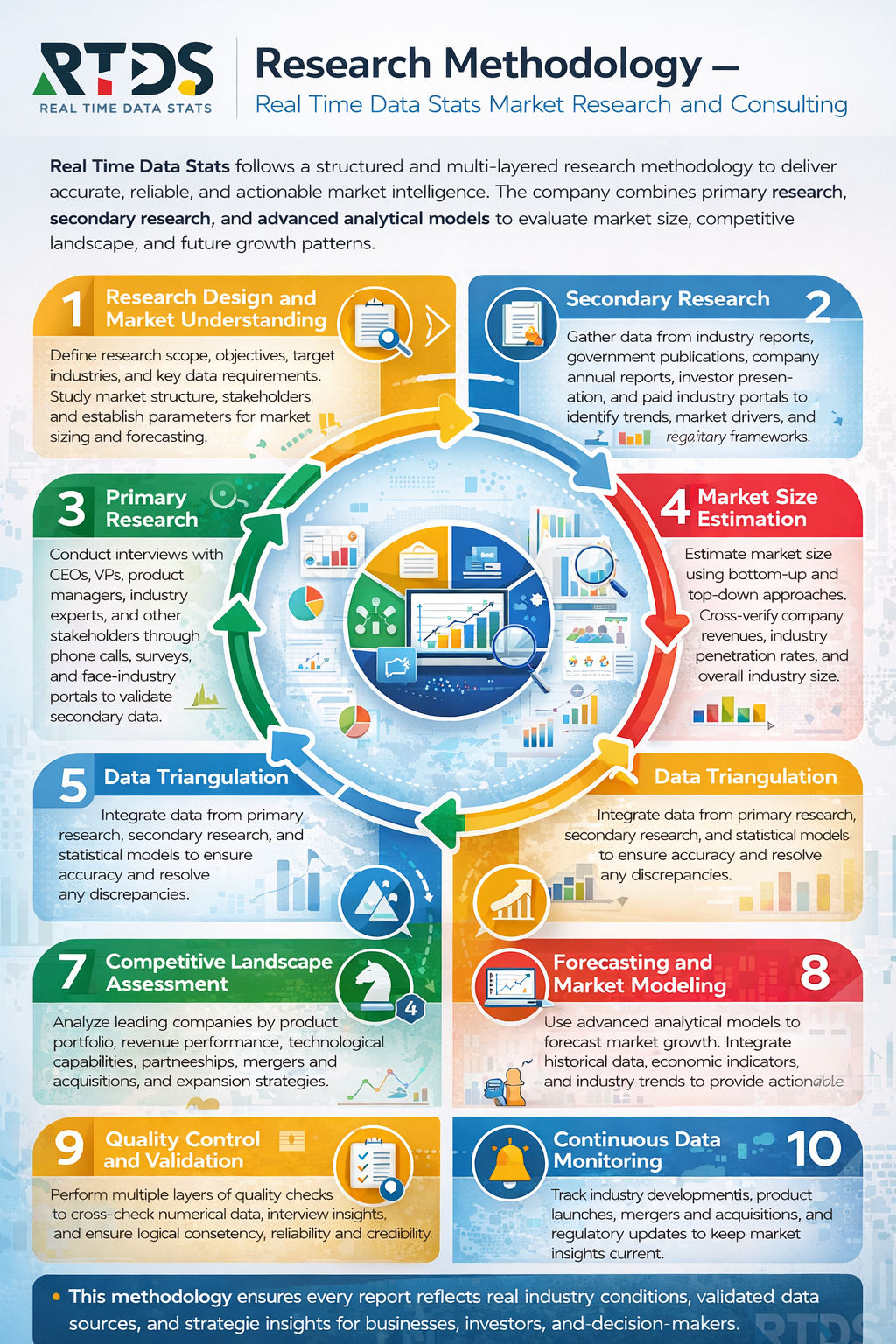
- Research Methodology
- Data Sources
- Assumptions & Limitations
- Abbreviations
- Disclaimer
List of Tables
- Table:1: Global Autonomous Protein Engineering Market Size Overview
- Table:2: Market Segmentation by Type
- Table:3: Market Segmentation by Application
- Table:4: Market Segmentation by Technology
- Table:5: Market Segmentation by End User
- Table:6: Market Segmentation by Component
- Table:7: Market Segmentation by Deployment
- Table:8: Market Segmentation by Workflow Stage
- Table:9: Market Segmentation by Protein Type
- Table:10: Market Segmentation by Industry Vertical
- Table:11: Regional Market Size Comparison
- Table:12: Competitive Market Share Analysis
- Table:13: Key Company Financial Performance
- Table:14: Investment & Funding Landscape
- Table:15: Market Forecast Summary
List of Figures
- Figure:1: Autonomous Protein Engineering Market Overview Framework
- Figure:2: Market Dynamics Analysis Model
- Figure:3: Technology Landscape Architecture
- Figure:4: Value Chain Analysis
- Figure:5: Market Ecosystem Map
- Figure:6: Segmentation Hierarchy Structure
- Figure:7: Regional Market Distribution
- Figure:8: Competitive Landscape Matrix
- Figure:9: Strategic Development Framework
- Figure:10: Investment Flow Mapping
- Figure:11: Workflow Automation Process
- Figure:12: Product Development Lifecycle
- Figure:13: AI Integration Architecture
- Figure:14: Market Growth Trend Analysis
- Figure:15: Future Market Outlook Framework
Autonomous Protein Engineering Market Key Factors
Drivers:
- Rising demand for targeted biotherapeutics pushes companies to adopt faster development tools.
- Expanding computational power and AI algorithms accelerate the design-build-test cycle.
- Increased R&D investment from pharmaceutical firms fuels the adoption of automated platforms.
Restraints:
- High capital requirements for integrated systems limit access for smaller research entities.
- Scarcity of specialized talent skilled in both biology and data science slows implementation.
- Unclear regulatory pathways for AI-designed proteins create approval uncertainties.
Opportunities:
- Expanding applications into industrial enzymes and synthetic biology open new markets.
- Cloud-based platforms and service models could democratize access for a broader user base.
- Partnerships between AI software firms and large biopharma companies accelerate technology validation.
Challenges:
- Integrating heterogeneous data from disparate experiments remains a significant technical hurdle.
- Ensuring the biological relevance and functional accuracy of AI-generated protein designs requires robust validation.
- Navigating intellectual property rights for computationally discovered proteins presents legal complexities.
Autonomous Protein Engineering Market Key Regional Trends
North America:
- Strong venture capital funding fuels startup growth and technology innovation.
- Major biopharma companies actively form partnerships with AI-driven protein design firms.
- Regulatory agencies engage in early dialogues to shape future evaluation frameworks.
Europe:
- Public funding initiatives strongly support research at the intersection of AI and life sciences.
- Emphasis grows on applying these technologies to develop sustainable industrial biocatalysts.
- Collaborative networks between academic institutes and companies strengthen the regional ecosystem.
Asia-Pacific:
- Governments prioritize biotechnology, increasing strategic investments in automation and AI infrastructure.
- Contract research and development organizations rapidly integrate new platforms to enhance service offerings.
- Focus intensifies on cost-effective solutions for biosimilar and agricultural biotechnology applications.
Frequently Asked Questions
Key Questions Answered
- What is the size and growth rate of the market industry?
- What are the main drivers influencing market growth trends?
- What are the key challenges and restraints faced by the market?
- What are the emerging trends and opportunities shaping the market?
- Who are the top players, and what strategies drive their success?
- What are the customer demographics and their buying behaviors?
- What are the key market segments, and what is their scope?
- What are the geographical dynamics, and which region dominates?
- What are the market forecasts and projections for the next decade?
- What regulatory factors are critical to consider for market growth?
Why Choose our Company?
- Major facts and stats backing every report we offer.
- Comprehensive analysis tailored to your business needs.
- Accurate insights backed by extensive market research.
- Expert support to address your queries promptly.
- Data-driven strategies for better decision-making.
- In-depth reports with actionable
recommendations. - Reliable statistics from trusted industry
sources. - Customizable reports to suit your specific goals.
- Unmatched quality and precision in market analysis.
- Competitive pricing with premium content delivery.
Share your experience!
We value you feedback. Please take a moment to review your experience with us.