
According to insights from Real Time Data Stats, the Autonomous Molecular Diagnostics Market was valued at USD 1.5 billion in 2025. It is expected to grow from USD 1.68 billion in 2026 to USD 3.66 billion by 2033, registering a CAGR of 11.8% during the forecast period (2026–2033).
MARKET SIZE AND SHARE
The autonomous molecular diagnostics market is expanding due to rising demand for rapid, accurate, and laboratory-independent diagnostic solutions, particularly for infectious diseases and oncology. Market share is increasingly concentrated among leading companies that combine advanced robotics, artificial intelligence, and fully automated sample-to-answer platforms. These innovations strengthen competitive positioning through superior technology, operational efficiency, and extensive clinical validation across diverse healthcare settings.
Current market share is led by established diagnostic manufacturers and emerging innovators focused on fully automated testing systems. The share held by integrated walkaway platforms is expected to increase significantly, accounting for more than half of total market value over the coming years. Growing adoption in decentralized healthcare environments, including clinics and pharmacies, is also reshaping market share by favoring compact, user-friendly solutions that require minimal operator involvement and technical expertise.
INDUSTRY OVERVIEW AND STRATEGY
The autonomous molecular diagnostics industry represents a transformative shift toward decentralized, high-throughput precision medicine. It encompasses fully automated platforms that integrate specimen processing, nucleic acid extraction, amplification, and detection without manual steps. The core value proposition lies in delivering consistent, fast, and accurate results while reducing labor requirements and contamination risks. This evolution is fundamentally reshaping diagnostic workflows across hospitals, reference labs, and point-of-care settings, enabling faster clinical decision-making.
Primary competitive strategies focus on continuous technological innovation, particularly in AI-driven data interpretation and system miniaturization. Key players pursue growth through strategic partnerships with healthcare providers, reagent cartridge diversification for menu expansion, and targeting underserved point-of-need testing segments. A critical strategic pillar is securing regulatory approvals for a broad test menu while ensuring seamless integration into existing laboratory information systems to foster widespread adoption and long-term customer loyalty in a rapidly consolidating market.
Analyst Key Takeaways:
The Autonomous Molecular Diagnostics Market is gaining momentum as healthcare providers increasingly adopt AI-enabled laboratory automation, robotic sample processing, and intelligent diagnostic workflows to improve testing efficiency and reduce manual intervention. Growing demand for rapid and accurate molecular testing across infectious disease detection, oncology diagnostics, and genetic analysis is accelerating the integration of autonomous technologies into clinical laboratories and diagnostic centers.
The market is expected to outpace the broader molecular diagnostics industry, supported by advancements in artificial intelligence, machine learning, and workflow automation platforms. Expansion of precision medicine initiatives, increasing laboratory digitization, and the need for scalable diagnostic infrastructure are creating favorable conditions for autonomous molecular diagnostic solutions, particularly in high-throughput testing environments where speed, consistency, and operational efficiency are critical.
REGIONAL TRENDS AND GROWTH
North America currently leads the market, driven by advanced healthcare infrastructure, high R&D investment, and favorable reimbursement frameworks for novel diagnostics. Europe follows closely, with strong growth fueled by initiatives for antimicrobial resistance surveillance and standardized diagnostic protocols. The Asia-Pacific region is poised to be the fastest-growing market from 2025 to 2032, driven by increasing healthcare expenditure, rising infectious disease burdens, and government investments in modernizing diagnostic capabilities across major economies like China and India.
Key growth drivers include the persistent demand for rapid pathogen detection post-pandemic, the rising prevalence of cancer, and technological advancements in microfluidics and robotics. Significant restraints involve high initial capital costs and complex regulatory pathways. Opportunities abound in expanding applications into pharmacogenomics and routine health screening. Major challenges include ensuring data security in connected systems, navigating diverse regional regulations, and achieving cost-effectiveness for adoption in low-resource settings to unlock global market potential.
AUTONOMOUS MOLECULAR DIAGNOSTICS MARKET SEGMENTATION ANALYSIS
BY TYPE:
The PCR-Based Systems segment dominates the market due to its high accuracy, sensitivity, and rapid turnaround time for nucleic acid detection. PCR systems are widely used for infectious disease detection, oncology testing, and genetic disorder analysis. Their automation reduces human error and increases throughput, making them a preferred choice in hospitals and diagnostic labs. The increasing prevalence of infectious diseases and the demand for rapid diagnostics in outbreak situations further drive adoption. Additionally, advancements in real-time and digital PCR technologies enhance diagnostic precision and facilitate integration with laboratory information management systems (LIMS), strengthening the dominance of PCR-based solutions.
Isothermal Amplification Systems, CRISPR-Based Systems, Microarray Systems, Nucleic Acid Hybridization Systems, and Next-Generation Sequencing (NGS) Systems contribute to market growth through specialized applications. Isothermal amplification and CRISPR-based systems gain traction due to point-of-care usability and rapid detection capabilities. Microarray and NGS systems dominate in research and oncology diagnostics because of their high-throughput profiling and genomic insight. Overall, the type segment is primarily driven by technological advancements, increasing demand for rapid diagnostics, and the need for accurate molecular testing across multiple healthcare and research applications.
BY APPLICATION:
Infectious Disease Detection leads the market due to the ongoing need for rapid, accurate identification of pathogens. The COVID-19 pandemic, influenza outbreaks, and emerging infections have accelerated adoption in hospitals, clinics, and point-of-care facilities. Autonomous systems allow for minimized manual handling, faster sample processing, and integration with digital reporting platforms, making infectious disease applications a dominant revenue generator. Additionally, the growing emphasis on epidemiological surveillance and personalized infection management further strengthens this segment.
Cancer Diagnostics, Genetic Disorder Testing, Cardiovascular Disease Analysis, Neurological Disorder Testing, and Personalized Medicine are expanding rapidly due to increased awareness of early disease detection and the rise of precision medicine. Cancer diagnostics benefit from high-throughput autonomous systems, enabling multiplexed testing and biomarker profiling. Genetic disorder testing is fueled by rising demand for prenatal and neonatal screening, while personalized medicine relies on automated molecular platforms for targeted therapy decision-making. Across applications, accuracy, speed, and automation remain key drivers of adoption and market growth.
BY END USER:
Hospitals & Clinics dominate due to the integration of autonomous diagnostics into routine patient care. Automated molecular diagnostics reduce workflow errors, accelerate turnaround times, and support rapid decision-making in clinical settings. Diagnostic laboratories follow closely, leveraging high-throughput autonomous systems for large-scale testing, research applications, and contract diagnostic services. Research institutes and academic laboratories are adopting these platforms to streamline genomics and molecular biology research, while point-of-care centers benefit from portability and ease of operation for rapid diagnostics in remote or resource-limited areas.
Biotechnology Companies and Academic & University Labs are increasingly deploying autonomous molecular diagnostics for R&D purposes, drug development, and translational research. The segment growth is driven by demand for reproducible and high-precision results, integration with laboratory automation platforms, and cost-effective solutions. Overall, end-user adoption is influenced by the need for efficiency, reliability, regulatory compliance, and the ability to support advanced diagnostic workflows in diverse healthcare and research environments
BY TECHNOLOGY:
Real-Time PCR and Digital PCR dominate due to their accuracy, quantitative capabilities, and ability to detect low-abundance nucleic acids. Real-time PCR’s versatility across infectious disease and oncology applications ensures strong market presence. Digital PCR provides absolute quantification, which is crucial for rare mutation detection, minimal residual disease analysis, and precision medicine initiatives.
LAMP (Loop-Mediated Isothermal Amplification), CRISPR-Cas Systems, Microfluidics-Based Systems, and Lab-on-a-Chip Systems are growing due to portability, minimal sample requirements, and rapid results. Microfluidics and lab-on-a-chip solutions support point-of-care diagnostics and decentralized testing, providing faster turnaround with less infrastructure. Adoption is influenced by technological innovation, integration with AI-driven analytics, and the shift toward automated, multiplexed testing that enhances efficiency and throughput.
BY WORKFLOW:
Sample Preparation and Nucleic Acid Extraction dominate as they are critical steps affecting test accuracy and reproducibility. Automated solutions minimize contamination risk, reduce labor requirements, and ensure consistent quality across high-throughput workflows. Efficient sample processing also supports rapid diagnostics and high patient throughput, making workflow automation a key driver.
Amplification, Detection & Analysis, Data Interpretation, and Reporting & Storage are essential for overall system performance. Advanced detection modules and AI-assisted data interpretation enhance diagnostic accuracy and speed, while integrated reporting tools simplify result dissemination and compliance. Market growth in workflow automation is primarily driven by demand for end-to-end solutions, accuracy, scalability, and reduced operational complexity in clinical and research environments.
BY PRODUCT:
Diagnostic Kits are the leading product segment due to their convenience, standardized protocols, and high reliability. Kits simplify complex molecular workflows and are preferred in hospitals, diagnostic labs, and point-of-care settings. Reagents follow closely, driven by high consumption volumes and continuous testing needs.
Instruments/Analyzers, Consumables, Software & Analytics Tools, and Accessories are expanding due to technological advancement and the increasing adoption of fully automated platforms. High-throughput analyzers and integrated software platforms improve efficiency and enable multiplexed testing, while accessories and consumables support scalability and flexibility. Dominant factors include reliability, precision, workflow integration, and the ability to support multiple diagnostic applications.
BY MODE OF OPERATION:
Fully Automated Systems dominate due to minimal human intervention, reduced error rates, high throughput, and faster turnaround times. Automation ensures standardized results and integration with digital health platforms.
Semi-Automated, Manual Assisted, Continuous Flow Systems, High-Throughput Systems, and Portable/Point-of-Care Devices are growing due to flexibility, cost-effectiveness, and suitability for decentralized testing. Portable systems are particularly important in resource-limited settings. Market growth in this segment is driven by demand for operational efficiency, ease of use, and versatility across healthcare and research applications.
BY SAMPLE TYPE:
Blood dominates as the primary sample due to its widespread use in infectious disease, oncology, and genetic testing. Blood-based diagnostics provide comprehensive insights into molecular and cellular biomarkers.
Saliva, Urine, Tissue Biopsy, Swabs (Nasopharyngeal/Oropharyngeal), and Other Body Fluids are gaining traction due to non-invasive sampling, patient compliance, and suitability for point-of-care and home-based testing. Market growth in this segment is influenced by sample accessibility, test sensitivity, ease of collection, and suitability for automated workflows.
BY DISEASE TYPE:
Viral Infections dominate due to global outbreaks and the need for rapid molecular diagnostics in hospitals and public health settings. Systems capable of detecting multiple pathogens simultaneously strengthen adoption.
Bacterial Infections, Genetic Disorders, Oncology-Related Diseases, Autoimmune Diseases, and Rare Diseases are growing due to personalized medicine initiatives, increasing disease prevalence, and technological advancements enabling multiplexed and high-sensitivity detection. Dominant factors include disease burden, test accuracy, speed, regulatory support, and demand for early diagnosis.
RECENT DEVELOPMENTS
- In Jan 2024: Becton Dickinson received FDA 510(k) clearance for the fully automated BD Cor PYX system, designed for decentralized molecular testing in physician office labs.
- In Jul 2024: Roche Diagnostics launched the cobas pro integrated solution, enhancing its portfolio with new middleware for seamless data management from its fully automated molecular systems.
- In Nov 2024: BioMérieux announced a strategic partnership with a leading AI firm to integrate advanced predictive analytics into its EPISEQ molecular diagnostic automation platform.
- In Feb 2025: Cepheid, a Danaher company, initiated a major expansion of its manufacturing capacity for GeneXpert Omni cartridges to meet surging global demand for point-of-care testing.
- In Apr 2025: Abbott Laboratories unveiled its new Alinity m Auto molecular diagnostics system, featuring a fully walkaway, high-throughput design for core laboratory settings.
KEY PLAYERS ANALYSIS
- Roche Diagnostics
- Abbott Laboratories
- Danaher Corporation (Cepheid)
- Becton, Dickinson and Company (BD)
- BioMérieux SA
- QIAGEN N.V.
- Thermo Fisher Scientific Inc.
- Siemens Healthineers
- Hologic, Inc.
- Illumina, Inc.
- Grifols
- PerkinElmer, Inc.
- Sysmex Corporation
- DiaSorin S.p.A.
- GenMark Diagnostics (Roche)
- ELITechGroup
- Meridian Bioscience
- QuidelOrtho
- Lucira Health
- Co-Diagnostics, Inc.
Autonomous Molecular Diagnostics Market Segmentation
By Type:
- PCR-Based Systems
- Isothermal Amplification Systems
- CRISPR-Based Systems
- Microarray Systems
- Nucleic Acid Hybridization Systems
- Next-Generation Sequencing (NGS) Systems
By Application:
- Infectious Disease Detection
- Cancer Diagnostics
- Genetic Disorder Testing
- Cardiovascular Disease Analysis
- Neurological Disorder Testing
- Personalized Medicine
By End User:
- Hospitals & Clinics
- Diagnostic Laboratories
- Research Institutes
- Point-of-Care Centers
- Biotechnology Companies
- Academic & University Labs
By Technology:
- Real-Time PCR
- Digital PCR
- Loop-Mediated Isothermal Amplification (LAMP)
- CRISPR-Cas Systems
- Microfluidics-Based Systems
- Lab-on-a-Chip Systems
By Workflow:
- Sample Preparation
- Nucleic Acid Extraction
- Amplification
- Detection & Analysis
- Data Interpretation
- Reporting & Storage
By Product:
- Diagnostic Kits
- Reagents
- Instruments/Analyzers
- Consumables
- Software & Analytics Tools
- Accessories
By Mode of Operation:
- Fully Automated
- Semi-Automated
- Manual Assisted
- Continuous Flow Systems
- High-Throughput Systems
- Portable/Point-of-Care Devices
By Sample Type:
- Blood
- Saliva
- Urine
- Tissue Biopsy
- Swabs (Nasopharyngeal/Oropharyngeal)
- Other Body Fluids
By Disease Type:
- Viral Infections
- Bacterial Infections
- Genetic Disorders
- Oncology-Related Diseases
- Autoimmune Diseases
- Rare Diseases
By Geography:
- North America (USA, Canada, Mexico)
- Europe (UK, Germany, France, Italy, Spain, Rest of Europe)
- Asia-Pacific (China, Japan, Australia, South Korea, India, Rest of Asia-Pacific)
- South America (Brazil, Argentina, Rest of South America)
- Middle East and Africa (GCC Countries, South Africa, Rest of MEA)
Autonomous Molecular Diagnostics Market: Table of Contents
Executive Summary
- Market Overview
- Key Market Trends
- Market Drivers and Restraints
- Opportunity Analysis
Market Introduction
- Definition of Autonomous Molecular Diagnostics
- Market Scope
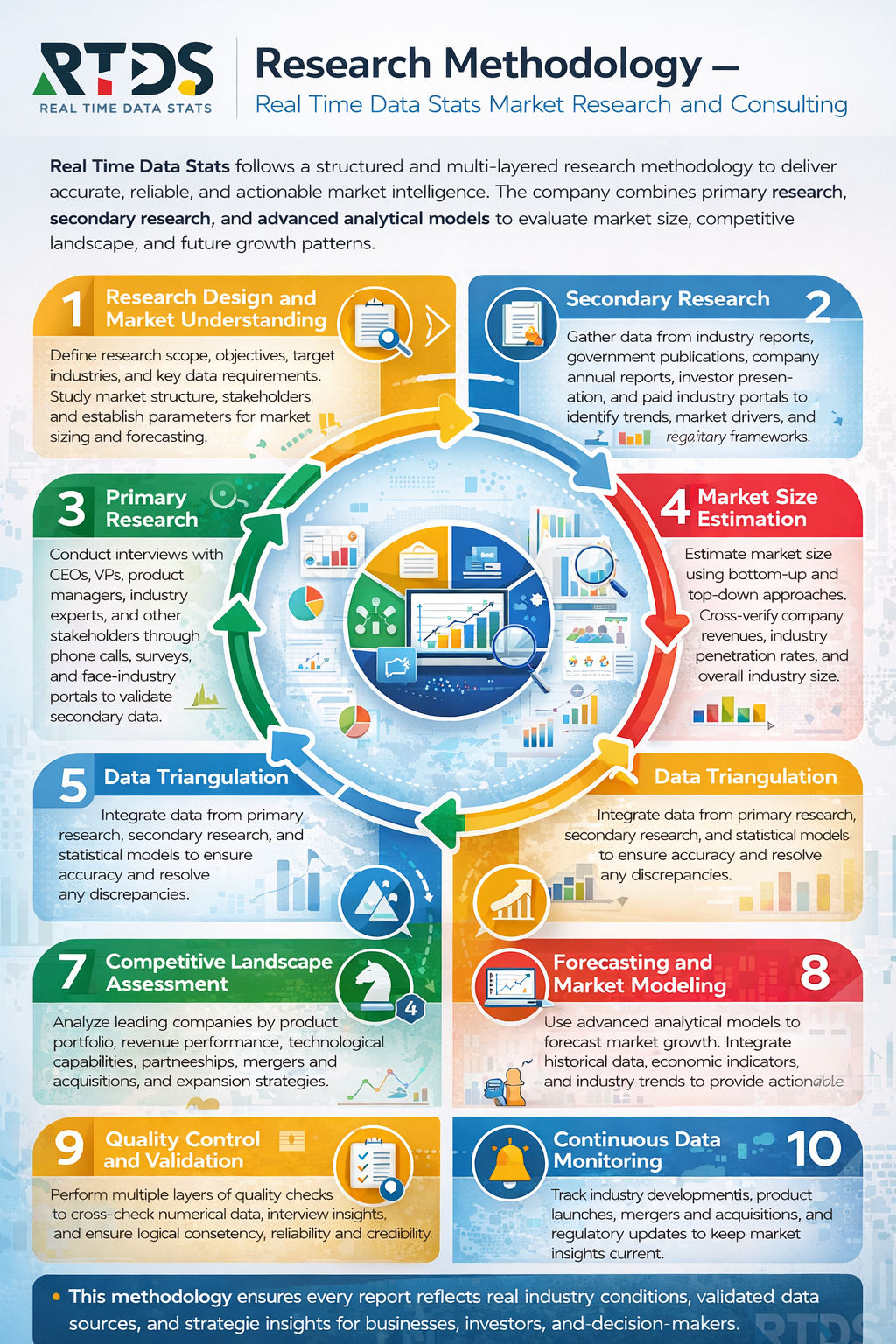
- Research Methodology
- Market Segmentation Overview
Autonomous Molecular Diagnostics Market Segmentation
- By Type:
- PCR-Based Systems
- Isothermal Amplification Systems
- CRISPR-Based Systems
- Microarray Systems
- Nucleic Acid Hybridization Systems
- Next-Generation Sequencing (NGS) Systems
- By Application:
- Infectious Disease Detection
- Cancer Diagnostics
- Genetic Disorder Testing
- Cardiovascular Disease Analysis
- Neurological Disorder Testing
- Personalized Medicine
- By End User:
- Hospitals & Clinics
- Diagnostic Laboratories
- Research Institutes
- Point-of-Care Centers
- Biotechnology Companies
- Academic & University Labs
- By Technology:
- Real-Time PCR
- Digital PCR
- Loop-Mediated Isothermal Amplification (LAMP)
- CRISPR-Cas Systems
- Microfluidics-Based Systems
- Lab-on-a-Chip Systems
- By Workflow:
- Sample Preparation
- Nucleic Acid Extraction
- Amplification
- Detection & Analysis
- Data Interpretation
- Reporting & Storage
- By Product:
- Diagnostic Kits
- Reagents
- Instruments/Analyzers
- Consumables
- Software & Analytics Tools
- Accessories
- By Mode of Operation:
- Fully Automated
- Semi-Automated
- Manual Assisted
- Continuous Flow Systems
- High-Throughput Systems
- Portable/Point-of-Care Devices
- By Sample Type:
- Blood
- Saliva
- Urine
- Tissue Biopsy
- Swabs (Nasopharyngeal/Oropharyngeal)
- Other Body Fluids
- By Disease Type:
- Viral Infections
- Bacterial Infections
- Genetic Disorders
- Oncology-Related Diseases
- Autoimmune Diseases
- Rare Diseases
Market Dynamics
- Drivers
- Restraints
- Opportunities
- Challenges
- Regulatory Landscape
- Competitive Landscape
Regional Analysis
- North America
- Europe
- Asia-Pacific
- Latin America
- Middle East
- Africa
Conclusion
- Summary of Market Trends
- Key Drivers and Restraints
- Growth Opportunities
- Technology & Innovation Outlook
- Future Market Forecast
Appendix
- Research Methodology
- Data Sources
- Abbreviations
List of Tables
- Table:1: Global Autonomous Molecular Diagnostics Market, by Type
- Table:2: Market Size and Forecast by PCR-Based Systems
- Table:3: Market Size and Forecast by Isothermal Amplification Systems
- Table:4: Market Size and Forecast by CRISPR-Based Systems
- Table:5: Market Size and Forecast by Microarray Systems
- Table:6: Market Size and Forecast by Nucleic Acid Hybridization Systems
- Table:7: Market Size and Forecast by Next-Generation Sequencing Systems
- Table:8: Market Size and Forecast by Application
- Table:9: Market Size and Forecast by End User
- Table:10: Market Size and Forecast by Technology
- Table:11: Market Size and Forecast by Workflow
- Table:12: Market Size and Forecast by Product
- Table:13: Market Size and Forecast by Mode of Operation
- Table:14: Market Size and Forecast by Sample Type
- Table:15: Market Size and Forecast by Disease Type
List of Figures
- Figure:1: Autonomous Molecular Diagnostics Market Share, by Type
- Figure:2: PCR-Based Systems Market Growth Trend
- Figure:3: Isothermal Amplification Systems Market Growth Trend
- Figure:4: CRISPR-Based Systems Market Growth Trend
- Figure:5: Microarray Systems Market Growth Trend
- Figure:6: Nucleic Acid Hybridization Systems Market Growth Trend
- Figure:7: Next-Generation Sequencing Systems Market Trend
- Figure:8: Market Share by Application
- Figure:9: Market Share by End User
- Figure:10: Market Share by Technology
- Figure:11: Market Share by Workflow
- Figure:12: Market Share by Product
- Figure:13: Market Share by Geography
- Figure:14: Market Share by Mode of Operation
- Figure:15: Market Share by Sample Type
Autonomous Molecular Diagnostics Market: Table of Contents
Executive Summary
- Market Overview
- Key Market Trends
- Market Drivers and Restraints
- Opportunity Analysis
Market Introduction
- Definition of Autonomous Molecular Diagnostics
- Market Scope
- Research Methodology
- Market Segmentation Overview
Autonomous Molecular Diagnostics Market Segmentation
- By Type:
- PCR-Based Systems
- Isothermal Amplification Systems
- CRISPR-Based Systems
- Microarray Systems
- Nucleic Acid Hybridization Systems
- Next-Generation Sequencing (NGS) Systems
- By Application:
- Infectious Disease Detection
- Cancer Diagnostics
- Genetic Disorder Testing
- Cardiovascular Disease Analysis
- Neurological Disorder Testing
- Personalized Medicine
- By End User:
- Hospitals & Clinics
- Diagnostic Laboratories
- Research Institutes
- Point-of-Care Centers
- Biotechnology Companies
- Academic & University Labs
- By Technology:
- Real-Time PCR
- Digital PCR
- Loop-Mediated Isothermal Amplification (LAMP)
- CRISPR-Cas Systems
- Microfluidics-Based Systems
- Lab-on-a-Chip Systems
- By Workflow:
- Sample Preparation
- Nucleic Acid Extraction
- Amplification
- Detection & Analysis
- Data Interpretation
- Reporting & Storage
- By Product:
- Diagnostic Kits
- Reagents
- Instruments/Analyzers
- Consumables
- Software & Analytics Tools
- Accessories
- By Mode of Operation:
- Fully Automated
- Semi-Automated
- Manual Assisted
- Continuous Flow Systems
- High-Throughput Systems
- Portable/Point-of-Care Devices
- By Sample Type:
- Blood
- Saliva
- Urine
- Tissue Biopsy
- Swabs (Nasopharyngeal/Oropharyngeal)
- Other Body Fluids
- By Disease Type:
- Viral Infections
- Bacterial Infections
- Genetic Disorders
- Oncology-Related Diseases
- Autoimmune Diseases
- Rare Diseases
Market Dynamics
- Drivers
- Restraints
- Opportunities
- Challenges
- Regulatory Landscape
- Competitive Landscape
Regional Analysis
- North America
- Europe
- Asia-Pacific
- Latin America
- Middle East
- Africa
Conclusion
- Summary of Market Trends
- Key Drivers and Restraints
- Growth Opportunities
- Technology & Innovation Outlook
- Future Market Forecast
Appendix
- Research Methodology
- Data Sources
- Abbreviations
List of Tables
- Table:1: Global Autonomous Molecular Diagnostics Market, by Type
- Table:2: Market Size and Forecast by PCR-Based Systems
- Table:3: Market Size and Forecast by Isothermal Amplification Systems
- Table:4: Market Size and Forecast by CRISPR-Based Systems
- Table:5: Market Size and Forecast by Microarray Systems
- Table:6: Market Size and Forecast by Nucleic Acid Hybridization Systems
- Table:7: Market Size and Forecast by Next-Generation Sequencing Systems
- Table:8: Market Size and Forecast by Application
- Table:9: Market Size and Forecast by End User
- Table:10: Market Size and Forecast by Technology
- Table:11: Market Size and Forecast by Workflow
- Table:12: Market Size and Forecast by Product
- Table:13: Market Size and Forecast by Mode of Operation
- Table:14: Market Size and Forecast by Sample Type
- Table:15: Market Size and Forecast by Disease Type
List of Figures
- Figure:1: Autonomous Molecular Diagnostics Market Share, by Type
- Figure:2: PCR-Based Systems Market Growth Trend
- Figure:3: Isothermal Amplification Systems Market Growth Trend
- Figure:4: CRISPR-Based Systems Market Growth Trend
- Figure:5: Microarray Systems Market Growth Trend
- Figure:6: Nucleic Acid Hybridization Systems Market Growth Trend
- Figure:7: Next-Generation Sequencing Systems Market Trend
- Figure:8: Market Share by Application
- Figure:9: Market Share by End User
- Figure:10: Market Share by Technology
- Figure:11: Market Share by Workflow
- Figure:12: Market Share by Product
- Figure:13: Market Share by Geography
- Figure:14: Market Share by Mode of Operation
- Figure:15: Market Share by Sample Type
Frequently Asked Questions
Key Questions Answered
- What is the size and growth rate of the market industry?
- What are the main drivers influencing market growth trends?
- What are the key challenges and restraints faced by the market?
- What are the emerging trends and opportunities shaping the market?
- Who are the top players, and what strategies drive their success?
- What are the customer demographics and their buying behaviors?
- What are the key market segments, and what is their scope?
- What are the geographical dynamics, and which region dominates?
- What are the market forecasts and projections for the next decade?
- What regulatory factors are critical to consider for market growth?
Why Choose our Company?
- Major facts and stats backing every report we offer.
- Comprehensive analysis tailored to your business needs.
- Accurate insights backed by extensive market research.
- Expert support to address your queries promptly.
- Data-driven strategies for better decision-making.
- In-depth reports with actionable
recommendations. - Reliable statistics from trusted industry
sources. - Customizable reports to suit your specific goals.
- Unmatched quality and precision in market analysis.
- Competitive pricing with premium content delivery.
Share your experience!
We value you feedback. Please take a moment to review your experience with us.