
According to insights from Real Time Data Stats, the Autonomous Clinical Robotics Market was valued at USD 4.10 billion in 2025. It is expected to grow from USD 4.80 billion in 2026 to USD 13.90 billion by 2033, registering a CAGR of 16.4% during the forecast period (2026–2033).
MARKET SIZE AND SHARE
The Autonomous Clinical Robotics Market is experiencing strong growth driven by increasing demand for minimally invasive procedures, rapid integration of artificial intelligence and machine learning into robotic systems, and the need to improve healthcare efficiency while delivering consistent clinical outcomes. Rising investments in advanced surgical technologies and growing pressure to address healthcare workforce shortages are further accelerating market expansion across hospitals and specialized care centers worldwide.
Market share remains concentrated among leading medical technology companies, with major players competing through innovation, product development, and strategic partnerships. surgical robotics continues to account for the largest share of the market, supported by widespread adoption across multiple medical specialties. North America currently leads in market share due to its advanced healthcare infrastructure, while the Asia-Pacific region is expected to register the fastest growth, driven by healthcare modernization initiatives, increasing surgical volumes, and expanding access to robotic-assisted procedures.
INDUSTRY OVERVIEW AND STRATEGY
This industry revolves around robotic systems performing clinical tasks with minimal human intervention, spanning surgery, diagnostics, rehabilitation, and hospital logistics. It is defined by the convergence of advanced robotics, artificial intelligence, real-time imaging, and data connectivity. The competitive landscape features established medical device giants with broad portfolios and agile, focused startups pioneering niche applications. The collective aim is to elevate clinical precision, improve patient recovery trajectories, and optimize resource utilization within increasingly strained healthcare ecosystems globally.
Core business strategies center on securing first-mover advantage through relentless R&D to achieve higher autonomy levels and expand into new clinical indications. Companies actively form alliances with prestigious research hospitals for clinical trials and data partnerships. A critical strategic pillar involves meticulous navigation of complex regulatory environments, such as FDA and CE Mark approvals. The ultimate objective is the commercialization of trusted, scalable systems that reduce procedural variability, shorten surgical times, and demonstrably lower the total cost of care.
Analyst Key Takeaways:
The Autonomous Clinical Robotics market is witnessing strong momentum as healthcare providers increasingly adopt AI-enabled robotic systems to improve clinical precision, workflow efficiency, and patient outcomes. Advances in machine learning, computer vision, real-time sensing, and autonomous decision-making are expanding the role of robotics beyond surgical assistance into areas such as patient monitoring, rehabilitation, medication management, and hospital logistics.
Growth is further supported by rising demand for minimally invasive procedures, healthcare workforce shortages, and the need for enhanced operational efficiency across healthcare facilities. As regulatory frameworks evolve and autonomous capabilities become more reliable, manufacturers are focusing on developing intelligent robotic platforms that integrate seamlessly with digital health ecosystems, creating new opportunities for clinical automation and next-generation patient care.
REGIONAL TRENDS AND GROWTH
North America remains the dominant market, characterized by early technology adoption, supportive reimbursement frameworks, and a concentration of leading robotic surgery centers. The Asia-Pacific region exhibits the most rapid growth, driven by massive healthcare infrastructure investments, expanding medical tourism, and proactive government initiatives in China, India, and South Korea. Europe demonstrates methodical growth, heavily influenced by the EU's Medical Device Regulation, which mandates rigorous clinical evidence and favorable health economic assessments for market entry.
Primary growth drivers include the global surge in chronic disease prevalence, an aging demographic requiring more interventions, and the critical shortage of skilled surgeons. Significant restraints are the prohibitively high capital and maintenance costs for healthcare providers, alongside protracted and uncertain regulatory approval processes. Major opportunities exist in expanding tele-robotics for remote expertise access and integrating predictive AI for pre-operative planning. Paramount challenges include establishing clear medico-legal liability frameworks, ensuring robust cybersecurity, and achieving widespread clinician acceptance of autonomous decision-making in patient care.
AUTONOMOUS CLINICAL ROBOTICS MARKET SEGMENTATION ANALYSIS
BY TYPE:
The surgical robots segment dominates the autonomous clinical robotics market due to rapid adoption in minimally invasive procedures, precision-driven surgeries, and reduced patient recovery times. These systems are increasingly integrated with AI-driven navigation, real-time imaging, and robotic arms capable of sub-millimeter accuracy, making them indispensable in complex procedures. rehabilitation robots are witnessing accelerated growth due to the rising prevalence of neurological disorders, post-stroke rehabilitation needs, and aging populations, offering personalized therapy and consistent patient engagement. Meanwhile, hospital logistics robots are gaining traction as healthcare facilities focus on operational efficiency, enabling autonomous transportation of supplies, linens, and waste, thereby reducing staff workload and infection risks.
Pharmacy automation, diagnostic, and telepresence robots represent fast-emerging segments fueled by labor shortages and the need for remote care. Pharmacy automation robots enhance medication accuracy and compliance while minimizing dispensing errors. Diagnostic robots are increasingly used in imaging, pathology, and screening applications, improving speed and diagnostic consistency. Telepresence robots support remote consultations and specialist access, particularly in rural and underserved regions, driving demand as telehealth adoption becomes a core component of modern healthcare delivery systems.
BY APPLICATION:
The general surgery segment leads the market due to the broad applicability of autonomous robotic systems across procedures such as laparoscopic, gastrointestinal, and soft-tissue surgeries. High procedure volumes and increasing preference for robotic-assisted interventions contribute significantly to market dominance. Orthopedic and neurological surgeries are also key growth areas, as robotics enhances precision in joint replacements, spinal surgeries, and brain procedures, reducing human error and improving long-term outcomes.
Cardiology, oncology, and urology applications are expanding rapidly due to the complexity and sensitivity of procedures in these specialties. Robotic systems enable minimally invasive tumor resections, catheter-based cardiac interventions, and prostate surgeries with superior control and reduced complication rates. Growing cancer prevalence, cardiovascular diseases, and urological disorders, combined with advancements in autonomous navigation and imaging technologies, are key drivers supporting adoption across these high-value clinical domains.
BY COMPONENT:
The hardware segment holds the largest market share due to the high cost and critical role of robotic arms, actuators, sensors, and imaging systems. Continuous innovation in miniaturization, durability, and precision engineering is driving demand for advanced hardware components. Sensors and vision systems are particularly dominant as they enable real-time feedback, spatial awareness, and surgical accuracy, forming the backbone of autonomous decision-making.
The software and controller segments are experiencing the fastest growth as autonomy increasingly relies on intelligent algorithms rather than mechanical capability alone. AI-powered software platforms facilitate motion planning, data analytics, and adaptive learning, while controllers ensure seamless coordination between robotic subsystems. Growing investment in digital twins, predictive analytics, and cloud-enabled robotic control architectures is accelerating the software-driven transformation of clinical robotics.
BY END USER:
Hospitals remain the primary end users due to their high patient volumes, advanced infrastructure, and financial capacity to invest in autonomous robotic systems. Large hospitals benefit from improved surgical throughput, reduced length of stay, and enhanced clinical outcomes, justifying high capital expenditure. Ambulatory surgical centers (ASCs) are rapidly adopting robotic platforms as outpatient procedures increase, driven by cost efficiency and faster patient recovery.
Specialty clinics, research institutes, and rehabilitation centers represent important growth segments, particularly for rehabilitation and diagnostic robots. Research institutions play a vital role in testing next-generation autonomous systems, while rehabilitation centers leverage robotics for long-term patient engagement. Diagnostic centers increasingly deploy autonomous systems to improve screening efficiency and reduce reliance on manual workflows.
BY AUTONOMY LEVEL:
Semi-autonomous and supervised autonomy systems currently dominate the market due to regulatory acceptance and clinician preference for human oversight. These systems enhance surgical precision while allowing clinicians to intervene when necessary, balancing automation with safety. Assisted robotics and task-specific autonomy are widely adopted for repetitive or standardized procedures such as suturing, imaging, or medication dispensing.
Fully autonomous and adaptive learning robots represent the future growth frontier, driven by advancements in machine learning, real-time analytics, and regulatory evolution. Adaptive systems capable of learning from prior procedures and patient data are gaining attention for their potential to personalize care. However, adoption remains gradual due to ethical considerations, liability concerns, and the need for extensive clinical validation.
BY MOBILITY:
Stationary and table-mounted robots dominate surgical environments due to their stability, precision, and integration with operating room infrastructure. These systems are optimized for complex procedures requiring consistent positioning and high accuracy. Floor-mounted robots are commonly used in high-load applications such as orthopedic surgery and logistics, offering enhanced reach and payload capacity.
Mobile, wearable, and handheld robotic devices are rapidly expanding segments, driven by the need for flexibility and point-of-care applications. Mobile robots support hospital logistics and patient transportation, while wearable robots play a critical role in rehabilitation and mobility assistance. Handheld robotic devices are gaining popularity for minimally invasive procedures and diagnostics due to their portability and ease of use.
BY TECHNOLOGY:
Artificial intelligence and machine learning are the dominant technologies enabling autonomous decision-making, motion planning, and predictive analytics. These technologies allow robots to analyze vast clinical datasets, improve procedural accuracy, and adapt to patient-specific variables. Computer vision plays a crucial role in image-guided surgery and diagnostics, enabling real-time interpretation of anatomical structures.
Natural language processing, haptic technology, and cloud robotics enhance human–robot interaction and remote collaboration. Haptic feedback improves surgeon control and tactile perception, while cloud robotics enables continuous learning and system updates. Increasing connectivity and data-sharing capabilities are accelerating the integration of advanced digital technologies across autonomous clinical robotic platforms.
BY DEPLOYMENT MODE:
On-premise deployment remains dominant due to data security requirements, regulatory compliance, and low latency needs in critical clinical environments. Hospitals prefer localized control of robotic systems, particularly for surgical and diagnostic applications. Hybrid deployment models are increasingly adopted, combining local processing with cloud-based analytics and software updates.
Cloud-based, edge computing, SaaS platforms, and integrated hospital systems are driving future growth by enabling scalability, remote monitoring, and cost efficiency. edge computing reduces response time for real-time applications, while SaaS models lower upfront investment barriers. Integration with hospital information systems enhances interoperability and workflow optimization across healthcare facilities.
BY FUNCTIONALITY:
Surgical assistance and patient monitoring are the leading functionalities due to their direct impact on clinical outcomes and patient safety. Surgical robots enhance procedural precision, while autonomous monitoring systems enable continuous patient assessment, early detection of complications, and reduced clinician workload.
Drug dispensing, sample handling, disinfection, and patient transportation functionalities are expanding rapidly as healthcare providers prioritize efficiency and infection control. Autonomous disinfection robots gained prominence post-pandemic, while logistics and transportation robots streamline hospital operations. These functionalities collectively support a shift toward automation-driven healthcare ecosystems.
RECENT DEVELOPMENTS
- In Jan 2024: Stryker received FDA clearance for additional autonomous features in its Mako Total Knee 2.0 application, enhancing its bone preparation accuracy and planning software for robotic-assisted arthroplasty procedures.
- In Jun 2024: Medtronic launched the Hugo™ RAS system in Japan, marking a significant expansion in Asia and introducing new AI-powered instrument tracking for improved surgical efficiency and safety in minimally invasive surgery.
- In Sep 2024: CMR Surgical announced a global partnership with a major AI firm to integrate next-generation computer vision into its Versius system, aiming to provide real-time intraoperative tissue analysis and surgical guidance.
- In Feb 2025: Zimmer Biomet introduced the ROSA® Shoulder system for robotically-assisted total shoulder arthroplasty, featuring proprietary planning software designed to optimize glenoid implant positioning with a high degree of autonomy.
- In Apr 2025: Johnson & Johnson's Verb Surgical division unveiled a prototype for a fully autonomous suturing robotic arm, demonstrating a major leap toward task autonomy in soft tissue surgery at a key medical conference.
KEY PLAYERS ANALYSIS
- Intuitive Surgical
- Stryker Corporation
- Medtronic
- Zimmer Biomet
- Johnson & Johnson (Verb Surgical/ Ethicon)
- CMR Surgical
- Smith & Nephew
- Siemens Healthineers
- Accuray Incorporated
- Renishaw plc
- Asensus Surgical
- Vicarious Surgical
- Avatera Medical
- Titan Medical Inc.
- Stereotaxis
- Memic Innovative Surgery
- THINK Surgical
- MicroPort Scientific Corporation
- Medrobotics Corporation
- OmniGuide Surgical
Autonomous Clinical Robotics Market Segmentation
By Type:
- Surgical Robots
- Rehabilitation Robots
- Hospital Logistics Robots
- Pharmacy Automation Robots
- Diagnostic Robots
- Telepresence Robots
By Application:
- General Surgery
- Orthopedic Surgery
- Neurology
- Cardiology
- Oncology
- Urology
By Component:
- Hardware
- Software
- Sensors
- Controllers
- Actuators
- Vision Systems
By End User:
- Hospitals
- Ambulatory Surgical Centers
- Specialty Clinics
- Research Institutes
- Rehabilitation Centers
- Diagnostic Centers
By Autonomy Level:
- Fully Autonomous
- Semi-Autonomous
- Supervised Autonomy
- Assisted Robotics
- Task-Specific Autonomy
- Adaptive Learning Robots
By Mobility:
- Stationary Robots
- Mobile Robots
- Wearable Robots
- Table-Mounted Robots
- Floor-Mounted Robots
- Handheld Robotic Devices
By Technology:
- Artificial Intelligence
- Machine Learning
- Computer Vision
- Natural Language Processing
- Haptic Technology
- Cloud Robotics
By Deployment Mode:
- On-Premise
- Cloud-Based
- Hybrid Deployment
- Edge Computing
- SaaS Platforms
- Integrated Hospital Systems
By Functionality:
- Surgical Assistance
- Patient Monitoring
- Drug Dispensing
- Sample Handling
- Disinfection
- Patient Transportation
By Geography:
- North America (USA, Canada, Mexico)
- Europe (UK, Germany, France, Italy, Spain, Rest of Europe)
- Asia-Pacific (China, Japan, Australia, South Korea, India, Rest of Asia-Pacific)
- South America (Brazil, Argentina, Rest of South America)
- Middle East and Africa (GCC Countries, South Africa, Rest of MEA)
Autonomous Clinical Robotics Market: Table of Contents
Executive Summary
- Market Introduction
- Market Definition
- Scope of Study
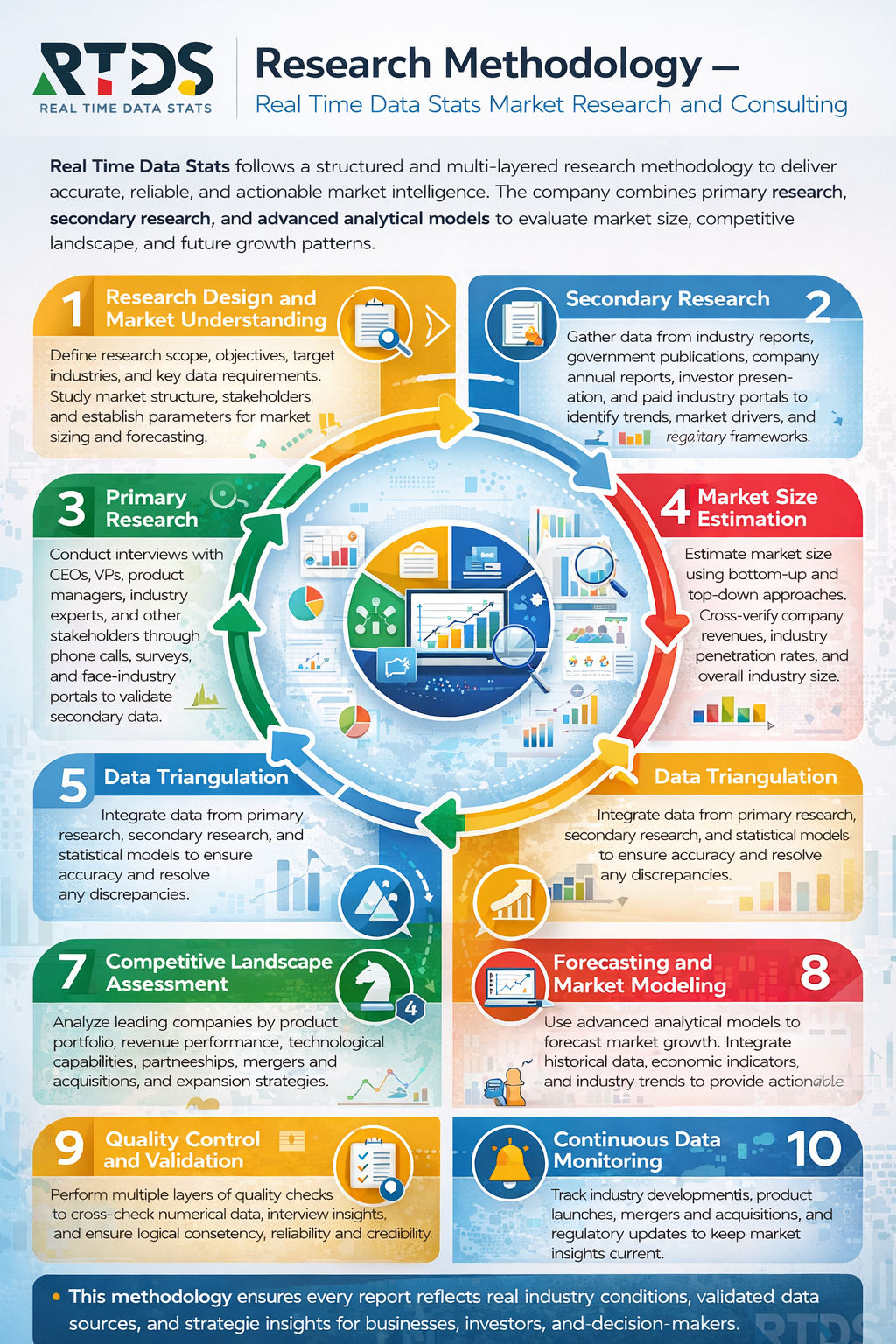
- Research Methodology
- Data Sources
- Assumptions and Limitations
Market Overview
- Market Dynamics
- Market Drivers
- Market Restraints
- Market Opportunities
- Market Challenges
- Industry Value Chain Analysis
- Supply Chain Analysis
Regulatory Landscape
- Technology Landscape
- Pricing Analysis
- Investment Trends
- Patent Analysis
- Case Studies
- Emerging Innovations
Autonomous Clinical Robotics Market Segmentation
- By Type:
- Surgical Robots
- Rehabilitation Robots
- Hospital Logistics Robots
- Pharmacy Automation Robots
- Diagnostic Robots
- Telepresence Robots
- By Application:
- General Surgery
- Orthopedic Surgery
- Neurology
- Cardiology
- Oncology
- Urology
- By Component:
- Hardware
- Software
- Sensors
- Controllers
- Actuators
- Vision Systems
- By End User:
- Hospitals
- Ambulatory Surgical Centers
- Specialty Clinics
- Research Institutes
- Rehabilitation Centers
- Diagnostic Centers
- By Autonomy Level:
- Fully Autonomous
- Semi-Autonomous
- Supervised Autonomy
- Assisted Robotics
- Task-Specific Autonomy
- Adaptive Learning Robots
- By Mobility:
- Stationary Robots
- Mobile Robots
- Wearable Robots
- Table-Mounted Robots
- Floor-Mounted Robots
- Handheld Robotic Devices
- By Technology:
- Artificial Intelligence
- Machine Learning
- Computer Vision
- Natural Language Processing
- Haptic Technology
- Cloud Robotics
- By Deployment Mode:
- On-Premise
- Cloud-Based
- Hybrid Deployment
- Edge Computing
- SaaS Platforms
- Integrated Hospital Systems
- By Functionality:
- Surgical Assistance
- Patient Monitoring
- Drug Dispensing
- Sample Handling
- Disinfection
- Patient Transportation
Competitive Landscape
- Company Market Share Analysis
- Strategic Developments
- Mergers and Acquisitions
- Partnerships and Collaborations
- Product Launches
- R&D Activities
- Startup Ecosystem Analysis
Regional Market Analysis
- Country-Level Insights
- Demand Forecast Analysis
- Revenue Forecast Analysis
- Volume Forecast Analysis
Conclusion
- Summary of Market Trends
- Key Drivers and Restraints
- Growth Opportunities
- Technology & Innovation Outlook
- Future Market Forecast
Appendix
- Abbreviations
- Glossary
- References
List of Tables
- Table:1: Global Market Size Overview
- Table:2: Market Growth Rate Comparison
- Table:3: Type Segment Revenue Analysis
- Table:4: Application Segment Share
- Table:5: Component Segment Breakdown
- Table:6: End User Demand Statistics
- Table:7: Autonomy Level Comparison
- Table:8: Mobility Segment Distribution
- Table:9: Technology Adoption Rates
- Table:10: Deployment Mode Share
- Table:11: Functionality Usage Analysis
- Table:12: Regional Revenue Distribution
- Table:13: Competitive Market Share
- Table:14: Investment Trends Data
- Table:15: Forecast Summary
List of Figures
- Figure:1: Market Overview Diagram
- Figure:2: Growth Trend Graph
- Figure:3: Type Segment Chart
- Figure:4: Application Distribution Pie
- Figure:5: Component Structure Illustration
- Figure:6: End User Demand Graph
- Figure:7: Autonomy Level Model
- Figure:8: Mobility Mapping Chart
- Figure:9: Technology Integration Flow
- Figure:10: Deployment Mode Diagram
- Figure:11: Functionality Workflow
- Figure:12: Regional Market Map
- Figure:13: Competitive Landscape Matrix
- Figure:14: Investment Trend Line
- Figure:15: Forecast Projection Chart
Autonomous Clinical Robotics Market Key Factors
Drivers:
- Surging patient volumes strain healthcare staff and escalate labor costs.
- Hospitals seek technologies that minimize human error and standardize procedural outcomes.
- Aging global populations increase demand for assistive care and rehabilitation support.
Restraints:
- High capital investment limits adoption, especially in cost-sensitive regions.
- Regulatory bodies require extensive validation, slowing market entry for new systems.
- Healthcare professionals and patients resist changing traditional, familiar care methods.
Opportunities:
- Integrating AI and machine learning expands robotic capabilities for complex decision-making.
- Emerging economies present growth potential as they modernize healthcare infrastructure.
- Advancements in surgical applications open new avenues for minimally invasive procedures.
Challenges:
- Ensuring robust cybersecurity protects sensitive patient data and system integrity.
- Establishing clear legal frameworks for liability in robotic procedures remains unresolved.
- A shortage of trained personnel capable of operating and maintaining advanced systems persists.
Autonomous Clinical Robotics Market Key Regional Trends
North America:
- Leading early adoption fueled by major technology investments and favorable reimbursement policies.
- Academic research centers actively partner with industry for pioneering surgical and hospital automation trials.
- Stringent FDA regulations shape product development and clinical validation pathways.
Europe:
- Strong focus on data privacy (GDPR) influences the design and deployment of connected robotic systems.
- Public healthcare systems drive demand for cost-effective automation to improve operational efficiency.
- Collaborative cross-border research initiatives promote standardization in robotic-assisted care.
Asia-Pacific:
- Rapidly expanding medical tourism and growing private hospital networks accelerate investment.
- Governments directly fund and incentivize local robotics manufacturing and innovation.
- Addressing uneven healthcare access creates demand for telepresence and remote diagnostic robots.
Rest of World:
- Market growth concentrates in high-tier urban hospitals, creating access disparities.
- Partnerships with global manufacturers facilitate technology transfer and market entry.
- Economic volatility and infrastructure gaps challenge widespread, sustainable adoption.
Frequently Asked Questions
Key Questions Answered
- What is the size and growth rate of the market industry?
- What are the main drivers influencing market growth trends?
- What are the key challenges and restraints faced by the market?
- What are the emerging trends and opportunities shaping the market?
- Who are the top players, and what strategies drive their success?
- What are the customer demographics and their buying behaviors?
- What are the key market segments, and what is their scope?
- What are the geographical dynamics, and which region dominates?
- What are the market forecasts and projections for the next decade?
- What regulatory factors are critical to consider for market growth?
Why Choose our Company?
- Major facts and stats backing every report we offer.
- Comprehensive analysis tailored to your business needs.
- Accurate insights backed by extensive market research.
- Expert support to address your queries promptly.
- Data-driven strategies for better decision-making.
- In-depth reports with actionable
recommendations. - Reliable statistics from trusted industry
sources. - Customizable reports to suit your specific goals.
- Unmatched quality and precision in market analysis.
- Competitive pricing with premium content delivery.
Share your experience!
We value you feedback. Please take a moment to review your experience with us.