
According to insights from Real Time Data Stats, the Autonomous Cell Engineering Market was valued at USD 1.05 billion in 2025. It is expected to grow from USD 1.24 billion in 2026 to USD 4.0 billion by 2033, registering a CAGR of 18.2% during the forecast period (2026–2033).
MARKET SIZE AND SHARE
The Autonomous Cell Engineering Market is expanding rapidly, driven by the growing integration of artificial intelligence and automation in biotechnology and pharmaceutical research. Organizations are adopting advanced platforms to improve precision, scalability, and reproducibility in complex cellular engineering processes. Automated systems reduce human error and accelerate experimental timelines, making them essential for modern lab environments. This shift is transforming traditional workflows into highly efficient, data-driven operations, supporting breakthroughs in drug discovery, gene editing, and personalized medicine applications across global research ecosystems.
Market share is currently concentrated among leading life science tool providers and innovative technology developers with strong capabilities in AI-driven platforms and robotics. These players are strengthening their positions through continuous product innovation, strategic partnerships, and expansion of integrated solutions. The competitive landscape remains dynamic, with new entrants introducing specialized tools and automation systems. Collaboration between biotech firms, software developers, and research institutions will play a critical role in shaping market leadership, while ongoing technological advancements will determine long-term growth and competitive advantage.
INDUSTRY OVERVIEW AND STRATEGY
This industry centers on integrating artificial intelligence, robotics, and machine learning to automate complex cell manipulation, enabling reproducible, large-scale biological research and therapy development. Core activities include automated cell line development, gene editing, and high-throughput screening. Strategic imperatives focus on forming synergistic partnerships between AI software developers, hardware automation companies, and pharmaceutical giants to create integrated platforms. Success hinges on securing intellectual property around proprietary algorithms and automated workflows to establish technological moats and define industry standards.
Key strategies involve continuous R&D investment to enhance platform autonomy, accuracy, and integration with downstream processes. Companies are aggressively pursuing vertical integration and collaborating with academic research centers for validation. The strategic roadmap prioritizes scaling manufacturing capabilities and navigating complex regulatory pathways for clinical applications, ensuring solutions meet stringent quality and compliance requirements for therapeutic and commercial adoption.
Analyst Key Takeaways:
The Autonomous Cell Engineering market is entering a high-acceleration phase, driven by the convergence of AI-enabled decision systems, automated cell culture platforms, and advanced cell therapy workflows. The transition from manual and semi-automated lab processes to closed-loop, self-optimizing biological systems is redefining productivity, reproducibility, and scalability in life sciences. Adoption is particularly strong in biopharmaceutical R&D and next-generation therapies, where precision engineering of cells and reduced human intervention are becoming critical for both efficiency and regulatory consistency.
From a strategic standpoint, the market remains early-stage but structurally high-growth, with innovation largely centered around integration rather than standalone technologies. Vendors are increasingly focusing on end-to-end autonomous platforms, combining robotics, bioinformatics, and real-time analytics to enable continuous experimentation and bioprocess optimization. Over the next decade, competitive differentiation will hinge on platform interoperability, AI model accuracy, and scalability into commercial manufacturing, positioning autonomous cell engineering as a foundational layer in the evolution toward fully digitalized and intelligent biomanufacturing ecosystems.
REGIONAL TRENDS AND GROWTH
North America commands the largest market share, driven by substantial R&D funding, a dense concentration of biopharma companies, and supportive regulatory frameworks. Europe follows, with strong academic research and initiatives like the Innovative Medicines Initiative fostering growth. The Asia-Pacific region is the fastest-growing, propelled by increasing government investments in biotechnology infrastructure, rising research outsourcing, and a growing focus on precision medicine across countries like China, Singapore, and Japan.
Primary growth drivers include the urgent need for scalable cell therapy manufacturing and rising adoption in drug discovery. Significant restraints involve high capital investment requirements and a shortage of skilled personnel. Key opportunities lie in expanding into regenerative medicine and personalized oncology. Major challenges encompass navigating evolving regulatory landscapes for AI in biology and ensuring data security and interoperability across complex, automated systems.
AUTONOMOUS CELL ENGINEERING MARKET SEGMENTATION ANALYSIS
BY TYPE:
Autonomous cell engineering by type is primarily driven by advances in gene editing cells and stem cells, which dominate due to their wide applications in personalized medicine and regenerative therapies. Engineered cell lines and iPSCs are increasingly adopted because of their scalability and ability to mimic human tissue models for drug testing. The growing demand for immune cells in immunotherapy and primary cells for disease modeling also fuels innovation, with automated platforms reducing human error and increasing reproducibility.
Regulatory approvals, cost of specialized cell types, and technological advancements in gene editing significantly shape market dynamics. iPSCs and engineered cell lines benefit from automation, which enhances throughput for preclinical research. Stem cells are propelled by regenerative medicine needs, while immune cells drive cancer immunotherapy adoption. Rapid technological integration, precision targeting, and reduced off-target effects in gene editing amplify market growth. Companies focusing on scalable and standardized cell production gain a competitive edge.
BY APPLICATION:
Cancer therapy leads applications due to the rising prevalence of malignancies and demand for CAR-T and TCR therapies. Regenerative medicine and tissue engineering rely on engineered cells for organ repair, wound healing, and transplant alternatives. Drug discovery applications are expanding, with autonomous cell systems improving high-throughput screening and reducing development time. Personalized medicine adoption is growing, enabling patient-specific treatment strategies using engineered cells. Immunotherapy continues to dominate due to promising clinical results in oncology.
Factors driving applications include technological maturity, regulatory support for advanced therapies, and rising healthcare expenditure. High R&D investments accelerate drug discovery using automated platforms. Personalized medicine adoption is driven by precision diagnostics and genomic profiling, while cancer therapies benefit from immunotherapy breakthroughs. Tissue engineering adoption depends on reproducibility and scalability of engineered cells. Market demand is further strengthened by collaboration between biotech firms and academic institutions to translate cell engineering innovations into practical applications.
BY TECHNOLOGY:
CRISPR/Cas9 dominates the technology landscape due to precision, efficiency, and ease of use for genome editing. TALEN and ZFN technologies continue to be relevant for specialized modifications. RNAi technology is widely applied in gene silencing and target validation. Automated cell culturing systems and synthetic biology platforms are increasingly integrated to reduce manual interventions, improve reproducibility, and enhance high-throughput experimentation, driving broader adoption.
Key factors include cost-effectiveness, efficiency, off-target effect minimization, and automation capabilities. The availability of user-friendly platforms accelerates research adoption, while integration of AI and cloud computing improves data analysis and predictive modeling. Companies investing in proprietary technology gain a competitive advantage. Regulatory clarity and technological standardization also determine adoption speed, particularly in clinical and pharmaceutical applications, making these technologies central to market growth and innovation.
BY END USER:
Pharmaceutical and biotechnology companies dominate due to high demand for drug discovery, cell therapy development, and biologics manufacturing. Research institutes and academic laboratories are significant adopters, focusing on experimental and preclinical studies. Hospitals and clinics are increasingly implementing engineered cells for therapeutic applications, particularly in immunotherapy and regenerative medicine. CROs support outsourcing of research activities, contributing to market growth by offering specialized expertise and infrastructure.
Factors influencing end-user adoption include investment capacity, access to advanced technologies, regulatory compliance, and the need for scalable solutions. Pharmaceutical companies focus on commercial-scale production, while academic institutions prioritize innovation. Hospitals emphasize patient-specific therapies, and CROs offer cost-effective solutions for clinical trials. Collaborative partnerships between industry and research centers accelerate commercialization, increase adoption, and support technological validation, making
BY PRODUCT:
Cell culture media and reagents dominate due to their essential role in supporting cell growth, differentiation, and viability. Gene editing kits are increasingly adopted for precise genome modifications and research applications. Bioreactors and automated cell culture systems are crucial for scalable and reproducible production, while analytical and diagnostic tools facilitate quality control and efficacy testing. Software and AI platforms are driving optimization of workflows, predictive modeling, and integration with laboratory automation systems.
Key factors include product reliability, automation compatibility, cost-effectiveness, and regulatory compliance. Companies offering end-to-end solutions gain a competitive edge by reducing experimental variability. Technological innovation, especially in AI and robotics, enhances efficiency and reproducibility. Rising demand for high-throughput drug screening and clinical applications drives product adoption. Collaborative product development between biotech firms and software providers accelerates commercialization, making product diversity and integration critical for market growth.
BY CELL TYPE SOURCE:
Human cells remain the most widely used due to their relevance in clinical applications, disease modeling, and regenerative therapies. Animal cells support preclinical testing and vaccine development. Plant and microbial cells are gaining traction for biomanufacturing and synthetic biology applications. Synthetic and hybrid cells are emerging as innovative solutions for therapeutic and industrial purposes, offering customization and functional advantages.
Dominant factors shaping adoption include ethical considerations, regulatory acceptance, reproducibility, and scalability. Human cell-based applications benefit from translational relevance, while animal cells offer cost-effectiveness for early-stage testing. Microbial and plant cells support large-scale bioproduction, and synthetic cells enable engineered functionalities. Integration with automation platforms enhances efficiency and reduces contamination risk. Market growth is strongly influenced by research collaborations, intellectual property developments, and the push for advanced therapies.
BY PROCESS:
Cell isolation is critical for obtaining pure, viable cell populations for downstream applications. Cell expansion enables large-scale production, supporting research, therapy, and commercial needs. Cell differentiation is increasingly automated to generate specific cell types for disease modeling and regenerative medicine. Cell engineering allows precise modifications using gene editing technologies, while cryopreservation ensures long-term storage and transport. Cell quality analysis remains vital for regulatory compliance, reproducibility, and clinical validation.
Factors influencing process adoption include automation level, process efficiency, cost-effectiveness, and technological integration. Advanced bioreactors, robotic handling systems, and AI-assisted monitoring improve yield and reduce human error. Regulatory standards drive robust quality analysis. Research trends favor end-to-end automated workflows for consistency and reproducibility. Companies investing in optimized processes enhance scalability and reduce production timelines, making efficient and validated processes central to market competitiveness.
BY SCALE:
Laboratory-scale applications dominate research and early-stage development, supporting proof-of-concept studies. Pilot-scale operations facilitate process optimization and preclinical testing, bridging lab experiments to commercial applications. Commercial and industrial scales focus on large-scale production for therapies, drug discovery, and biomanufacturing. Preclinical and clinical scales are critical for regulatory compliance, ensuring that products are safe, effective, and reproducible before market launch.
Dominant factors include scalability, cost-efficiency, regulatory compliance, and automation integration. High-throughput systems support commercial and industrial-scale needs, while pilot and preclinical scales benefit from flexible process designs. Clinical-scale operations require robust quality control and validation. Market adoption is driven by the ability to translate laboratory research into reproducible, high-quality outputs. Investment in scalable infrastructure and automated technologies is critical for growth and competitive advantage.
BY WORKFLOW AUTOMATION LEVEL:
Fully automated systems are increasingly preferred for minimizing human error, improving reproducibility, and enhancing throughput in cell engineering. Semi-automated and manual-assisted systems support smaller operations and research applications where flexibility is needed. AI-integrated systems optimize workflows, predictive modeling, and process efficiency. Robotic cell handling systems improve precision, and cloud-connected platforms enable remote monitoring, data integration, and collaborative research across institutions.
Key factors driving adoption include cost-benefit analysis, process complexity, regulatory compliance, and technological sophistication. Fully automated systems are essential for commercial production and clinical applications. AI and cloud integration improve decision-making and efficiency. Adoption depends on infrastructure readiness, technical expertise, and integration capability. As demand for reproducibility, scalability, and efficiency grows, automation is becoming a decisive factor in market competitiveness and technological differentiation.
RECENT DEVELOPMENTS
- In Jan 2024: Ginkgo Bioworks launched a new automated, AI-driven platform for mammalian cell line engineering, significantly accelerating the development timeline for therapeutic protein producers.
- In Mar 2024: Berkeley Lights and IsoPlexis were acquired by Bruker Corporation, consolidating key automated single-cell analysis and functional screening technologies under a major instrumentation provider.
- In Jun 2024: Synthego introduced an enhanced, cloud-connected automated platform for CRISPR cell engineering, focusing on improved editing efficiency and data management for therapeutic development.
- In Nov 2024: Thermo Fisher Scientific unveiled its next-generation Gibco CTS DynaCellect Tapestry system, automating magnetic separation for cell therapy manufacturing to improve yield and consistency.
- In Feb 2025: Absci Corporation announced a strategic collaboration with a top-10 pharma company to utilize its integrated AI and automated wet-lab platform for zero-shot generative AI antibody discovery and cell line development.
KEY PLAYERS ANALYSIS
- Thermo Fisher Scientific Inc.
- Danaher Corporation (Cytiva)
- Sartorius AG
- Merck KGaA
- Lonza Group AG
- Ginkgo Bioworks
- Synthego
- Absci Corporation
- 10x Genomics, Inc.
- Berkeley Lights (Bruker)
- Bio-Rad Laboratories, Inc.
- Agilent Technologies, Inc.
- PerkinElmer, Inc.
- Illumina, Inc.
- Twist Bioscience
- Codex DNA
- GenScript Biotech Corporation
- Precision NanoSystems
- CellCarta
- Mission Bio
Autonomous Cell Engineering Market Segmentation Analysis
By Type:
- Gene Editing Cells
- Stem Cells
- Immune Cells
- Primary Cells
- iPSCs (Induced Pluripotent Stem Cells)
- Engineered Cell Lines
By Application:
- Cancer Therapy
- Regenerative Medicine
- Drug Discovery & Development
- Immunotherapy
- Tissue Engineering
- Personalized Medicine
By Technology:
- CRISPR/Cas9
- TALEN
- ZFN (Zinc Finger Nucleases)
- RNAi Technology
- Synthetic Biology Platforms
- Automated Cell Culturing Systems
By End User:
- Pharmaceutical Companies
- Biotechnology Companies
- Research Institutes
- Hospitals & Clinics
- Contract Research Organizations (CROs)
- Academic & Government Laboratories
By Product:
- Cell Culture Media & Reagents
- Gene Editing Kits
- Bioreactors & Cell Culture Systems
- Automated Cell Handling Instruments
- Analytical & Diagnostic Tools
- Software & AI Platforms
By Cell Type Source:
- Human Cells
- Animal Cells
- Plant Cells
- Microbial Cells
- Synthetic Cells
- Hybrid Cells
By Process:
- Cell Isolation
- Cell Expansion
- Cell Differentiation
- Cell Engineering
- Cell Cryopreservation
- Cell Quality Analysis
By Scale:
- Laboratory Scale
- Pilot Scale
- Commercial Scale
- Industrial Scale
- Preclinical Scale
- Clinical Scale
By Workflow Automation Level:
- Fully Automated Systems
- Semi-Automated Systems
- Manual-Assisted Systems
- AI-Integrated Systems
- Robotic Cell Handling Systems
- Cloud-Connected Platforms
By Geography:
- North America (USA, Canada, Mexico)
- Europe (UK, Germany, France, Italy, Spain, Rest of Europe)
- Asia-Pacific (China, Japan, Australia, South Korea, India, Rest of Asia-Pacific)
- South America (Brazil, Argentina, Rest of South America)
- Middle East and Africa (GCC Countries, South Africa, Rest of MEA)
Autonomous Cell Engineering Market: Table of Contents
Executive Summary
- Market Snapshot
- Key Insights
- Analyst Viewpoint
- Demand–Supply Overview
- Strategic Recommendations
- Opportunity Hotspots
- Growth Outlook Summary
Market Introduction
- Definition and Scope
- Market Taxonomy
- Research Objectives
- Research Assumptions
- Study Limitations
- Currency & Pricing Considerations
- Stakeholder Mapping
- Value Chain Overview
- Industry Ecosystem
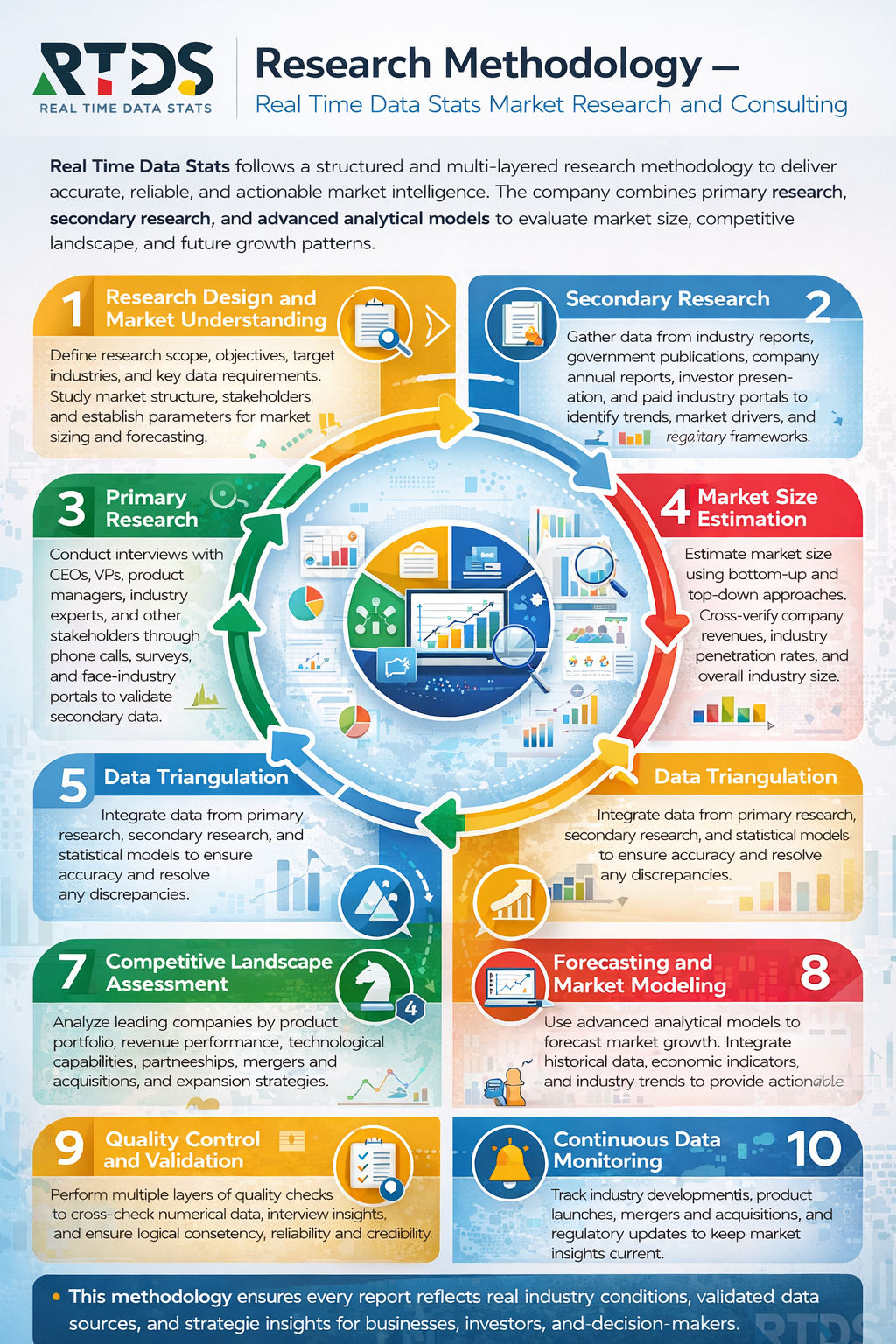
Research Methodology
- Data Mining Techniques
- Primary Research Approach
- Secondary Research Sources
- Market Size Estimation Models
- Forecasting Framework
Data Triangulation Method
- Validation & Quality Check
- Expert Panel Review
- Statistical Tools Utilized
Market Dynamics
- Market Drivers
- Market Restraints
- Market Opportunities
- Market Challenges
- Emerging Trends
Regulatory Landscape
- Technological Advancements
- Innovation Index
- Investment Trends
- Patent Analysis
- Macro-Economic & Micro-Economic Factors
Global Economic Indicators Impact
- Supply Chain Disruptions
- Trade Policies Influence
- Inflation & Currency Impact
- Labor & Skill Availability
- Capital Expenditure Trends
- R&D Spending Patterns
- Startup Ecosystem Influence
Autonomous Cell Engineering Market Segmentation Analysis
- By Type:
- Gene Editing Cells
- Stem Cells
- Immune Cells
- Primary Cells
- iPSCs (Induced Pluripotent Stem Cells)
- Engineered Cell Lines
- By Application:
- Cancer Therapy
- Regenerative Medicine
- Drug Discovery & Development
- Immunotherapy
- Tissue Engineering
- Personalized Medicine
- By Technology:
- CRISPR/Cas9
- TALEN
- ZFN (Zinc Finger Nucleases)
- RNAi Technology
- Synthetic Biology Platforms
- Automated Cell Culturing Systems
- By End User:
- Pharmaceutical Companies
- Biotechnology Companies
- Research Institutes
- Hospitals & Clinics
- Contract Research Organizations (CROs)
- Academic & Government Laboratories
- By Product:
- Cell Culture Media & Reagents
- Gene Editing Kits
- Bioreactors & Cell Culture Systems
- Automated Cell Handling Instruments
- Analytical & Diagnostic Tools
- Software & AI Platforms
- By Cell Type Source:
- Human Cells
- Animal Cells
- Plant Cells
- Microbial Cells
- Synthetic Cells
- Hybrid Cells
- By Process:
- Cell Isolation
- Cell Expansion
- Cell Differentiation
- Cell Engineering
- Cell Cryopreservation
- Cell Quality Analysis
- By Scale:
- Laboratory Scale
- Pilot Scale
- Commercial Scale
- Industrial Scale
- Preclinical Scale
- Clinical Scale
- By Workflow Automation Level:
- Fully Automated Systems
- Semi-Automated Systems
- Manual-Assisted Systems
- AI-Integrated Systems
- Robotic Cell Handling Systems
- Cloud-Connected Platforms
Regional Analysis Deep Dive
- Country-Level Market Size
- Regulatory Environment by Country
- Investment Landscape
- Competitive Intensity
- Innovation Hubs
- Trade & Import-Export Analysis
Competitive Landscape
- Market Share Analysis
- Company Benchmarking
- Product Portfolio Comparison
- Strategic Initiatives
- Partnerships & Collaborations
- Mergers & Acquisitions
- Funding & Investments
- Start-up Landscape
Company Profiles
- Business Overview
- Financial Performance
- Product Offerings
- Strategic Developments
- SWOT Analysis
- Regional Presence
- R&D Focus
Pricing Analysis
- Average Selling Price Trends
- Regional Price Variations
- Component-Wise Pricing
- Cost Structure Analysis
- Margin Analysis
Supply Chain & Value Chain Analysis
- Raw Material Suppliers
- Technology Providers
- Manufacturers
- Distributors
- End-User Channels
Logistics & Distribution Networks
- Innovation & Future Outlook
- Next-Generation Technologies
- AI-Driven Automation Evolution
- Emerging Research Areas
- Long-Term Market Forecast
- Scenario Analysis
Conclusion
- Summary of Market Trends
- Key Drivers and Restraints
- Growth Opportunities
- Technology & Innovation Outlook
- Future Market Forecast
Appendix
- Abbreviations
- Glossary of Terms
- Research Data Sources
- Disclaimer
- Contact Information
List of Tables
- Table: 1: Global Market Size Overview
- Table: 2: Market Growth Rate Comparison
- Table: 3: Component-Wise Revenue Share
- Table: 4: Cell Type Adoption Rates
- Table: 5: Technology Penetration Levels
- Table: 6: Application Revenue Distribution
- Table: 7: End-User Demand Statistics
- Table: 8: Deployment Mode Analysis
- Table: 9: Regional Market Size Comparison
- Table: 10: Country-Level Revenue Forecast
- Table: 11: Competitive Market Share
- Table: 12: Pricing Benchmark Analysis
- Table: 13: Investment & Funding Data
- Table: 14: Patent Filing Statistics
- Table: 15: Supply Chain Cost Structure
List of Figures
- Figure: 1: Global Market Value Trend
- Figure: 2: Year-on-Year Growth Curve
- Figure: 3: Component Share Pie Chart
- Figure: 4: Cell Type Distribution Graph
- Figure: 5: Technology Adoption Curve
- Figure: 6: Application Opportunity Map
- Figure: 7: End-User Demand Chart
- Figure: 8: Deployment Mode Split Diagram
- Figure: 9: Regional Revenue Map
- Figure: 10: Country-Wise Growth Chart
- Figure: 11: Competitive Positioning Matrix
- Figure: 12: Price Trend Line
- Figure: 13: Investment Flow Diagram
- Figure: 14: Patent Landscape Map
- Figure: 15: Value Chain Flowchart
Autonomous Cell Engineering Market Key Factors
Drivers:
- Rising incidence of chronic diseases increases demand for advanced cell therapies.
- Pharmaceutical companies adopt automation to accelerate drug discovery timelines.
- Technological advancements in AI and robotics enhance precision in cell manipulation.
Restraints:
- High capital investment limits entry for small research entities.
- Unclear regulatory frameworks create uncertainty for product approval.
- Technical complexity requires specialized skills, causing a talent shortage.
Opportunities:
- Expanding into gene editing and regenerative medicine opens new applications.
- Emerging economies present untapped markets for research infrastructure growth.
- Collaborations between tech firms and biopharma companies fuel innovative platforms.
Challenges:
- Ensuring data security and integrity for sensitive genetic information remains difficult.
- Achieving scalability while maintaining process consistency poses operational hurdles.
- High costs of therapy development challenge market accessibility and affordability.
Autonomous Cell Engineering Market Key Regional Trends
North America:
- Strong venture capital funding fuels startup innovation and platform development.
- Leading biopharma firms integrate autonomous systems into clinical manufacturing.
- Regulatory agencies actively engage with industry to shape adaptive guidelines.
Europe:
- Public-private partnerships prioritize standardizing automated manufacturing protocols.
- Research centers focus on automating CAR-T and other advanced therapy production.
- Stringent data privacy laws influence design and implementation of autonomous systems.
Asia-Pacific:
- Governments increase strategic investments to build domestic cell therapy capabilities.
- Contract development and manufacturing organizations rapidly adopt automation solutions.
- Growing patient population drives demand for efficient and scalable therapy production.
Frequently Asked Questions
Key Questions Answered
- What is the size and growth rate of the market industry?
- What are the main drivers influencing market growth trends?
- What are the key challenges and restraints faced by the market?
- What are the emerging trends and opportunities shaping the market?
- Who are the top players, and what strategies drive their success?
- What are the customer demographics and their buying behaviors?
- What are the key market segments, and what is their scope?
- What are the geographical dynamics, and which region dominates?
- What are the market forecasts and projections for the next decade?
- What regulatory factors are critical to consider for market growth?
Why Choose our Company?
- Major facts and stats backing every report we offer.
- Comprehensive analysis tailored to your business needs.
- Accurate insights backed by extensive market research.
- Expert support to address your queries promptly.
- Data-driven strategies for better decision-making.
- In-depth reports with actionable
recommendations. - Reliable statistics from trusted industry
sources. - Customizable reports to suit your specific goals.
- Unmatched quality and precision in market analysis.
- Competitive pricing with premium content delivery.
Share your experience!
We value you feedback. Please take a moment to review your experience with us.